










Planning a vietnam trip? Let us help.
Get personalized travel plan based on your interest, budget and preferred travel dates
Plan your Vietnam trip stress-free with this complete checklist covering visa documents, airport transfers, travel timing, itinerary planning, accommodation tips, vegan food, packing essentials, and common mistakes to avoid. Discover how to organize a smooth Vietnam travel experience with expert planning tips and travel package guidance.
TABLE OF CONTENTS
1
Essential Travel Documents for Vietnam
2
Understanding Visa and Entry Requirements
E-visa process:
3
Visa on arrival (VOA):
Entry rules and updates:
Visa-exempt countries:
4
Airport Transfers and Local Transportation
5
Getting Around Vietnam
6
Choosing the Right Time to Visit Vietnam
7
How to Plan Your Vietnam Itinerary Efficiently
North to South Route
Time Allocation Tips
8
Vietnamese Vegan Dishes You Must Try
9
Booking Accommodation and Tours
Hotels vs Homestays:
Group vs Private Tours:
10
Packing Checklist for Vietnam Travel
Weather Appropriate Clothing:
Travel Essentials:
Electronics and Documents:
11
Common Mistakes to Avoid While Planning
12
Tips for a Smooth Vietnam Travel Experience
13
Why Use a Travel Agency for Vietnam Trip Planning
14
Plan Your Vietnam Trip with Confidence
15
FAQs
What documents are required for a Vietnam trip?
Do I need airport transfers in Vietnam?
What is the best time to visit Vietnam?
Is Vietnam vegan-friendly?
Should I book a travel package or plan independently?
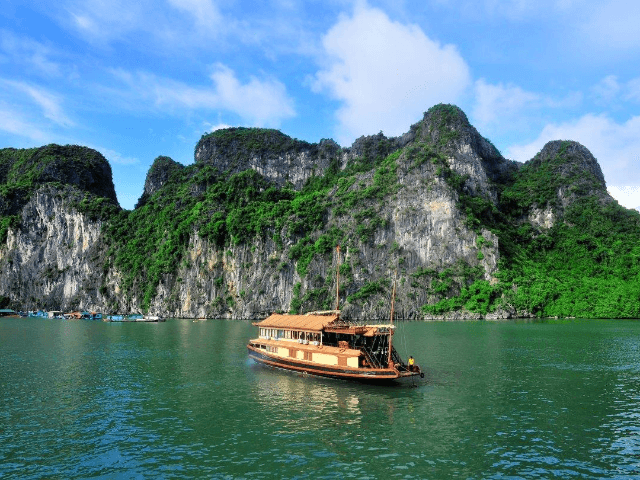
Vietnam is a mesmerizing country of soaring limestone karsts, bustling floating markets, and ancient temple towns. But without proper preparation, your dream vacation can quickly turn into a logistical nightmare.
Long airport queues, missing paperwork, or arriving in the wrong season can derail even the best itineraries. That is why smart travelers rely on a well-structured vietnam trip package that covers everything from entry documents to ground transfers.
This checklist style guide will walk you through the three pillars of seamless travel: documents, transfers, and timing. By following these steps, you can avoid last-minute stress, save money, and focus entirely on the magic of Vietnam.
A Vietnam trip package checklist includes essential documents, airport transfers, and proper timing to ensure a smooth and hassle-free travel experience. Whether you are a first-time visitor or a seasoned explorer, this article will prepare you for a flawless journey.
Essential Travel Documents for Vietnam
Before you book any flights or pack your bags, you must secure the correct paperwork. Missing even one document can lead to denied boarding or entry. Here is your vietnam visa documents checklist.
Passport Validity: Your passport must be valid for at least six months from your planned date of arrival in Vietnam. It should also have at least two blank pages for stamps. Many travelers have been turned away because their passport was expiring in five months do not let that be you.
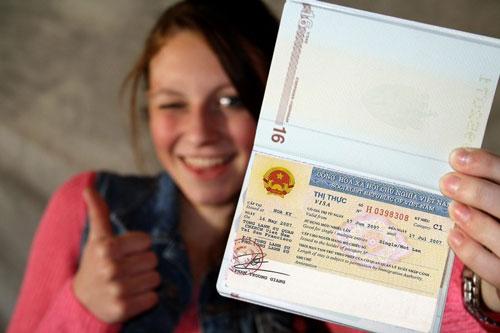
Visa Requirements: Depending on your nationality and length of stay, you will need either an e-visa, visa on arrival, or a visa exemption. We will dive deeper into this in the next section.
Travel Insurance: While not mandatory for entry, travel insurance is highly recommended. Vietnam has good healthcare in major cities, but medical evacuation from remote areas like Ha Giang or Sapa can cost thousands. Choose a policy that covers trip cancellations, lost baggage, and motorbike accidents if you plan to ride.
Booking Confirmations: Keep printed and digital copies of your flight itineraries, hotel vouchers, and any pre-booked tours. Immigration officers sometimes ask for proof of onward travel and accommodation. Having these ready speeds up the process.
Additional Documents: If you are traveling with children, carry birth certificates or adoption papers. For business travelers, a letter of invitation from a Vietnamese company may be required. Organize all documents in a waterproof folder or a dedicated travel app like TripIt.
Understanding Visa and Entry Requirements
Vietnam’s visa system has changed significantly in recent years, moving toward a more traveler-friendly approach. However, rules vary by nationality and port of entry. When booking vietnam travel packages, ensure the package includes visa guidance or processing assistance.
E-visa process:
Citizens of over 80 countries (including the USA, UK, Australia, Canada, and most of Europe) can apply for a 90-day single or multiple-entry e-visa. The application is entirely online via the official Vietnam Immigration Department website.
You will need a passport photo, a portrait photo (white background), and a credit card. Processing takes 3–5 working days, and the fee is approximately $25–50 depending on the entry type. Print two copies of the approval letter to present upon arrival.
Visa on arrival (VOA):
This option is only available for those arriving by air. You must pre-apply for a visa approval letter through a vietnam travel agency or online service, pay a stamping fee (about $25–45 in cash) at the arrival airport, and wait for your visa to be affixed.
VOA can be chaotic at busy airports like Tan Son Nhat (Saigon) or Noi Bai (Hanoi), so allow extra time. Note that land border crossings often do not accept VOA.
Entry rules and updates:
Vietnam occasionally changes visa policies. For example, in 2023–2024, the government extended e-visa validity to 90 days. Always check the official website or consult your vietnam tour company before applying. Also, ensure your passport has enough blank pages two full pages are required for the e-visa stamp and entry/exit marks.
Visa-exempt countries:
Citizens of Japan, South Korea, Russia, and several Southeast Asian nations can enter visa-free for 15–30 days. However, if you plan to stay longer or re-enter, you will need a visa.
Airport Transfers and Local Transportation
Once your documents are in order, the next challenge is getting from the airport to your hotel and then around the country. Pre-arranged vietnam airport transfers save you from haggling with taxi touts or getting lost on public buses.
Airport Pickup Options
- Private transfers: The most stress-free option. Your driver will wait at the arrival gate with a sign bearing your name, help with luggage, and drive you directly to your accommodation. Prices range from $10–30 per car (for up to 4 people) depending on the airport. Book these through your hotel or a trusted vietnam travel agency.
- Hotel pickups: Many mid-range and luxury hotels offer complimentary or paid airport shuttles. Always confirm in writing and provide your flight number so they can track delays.
- Ride-hailing apps: Grab (Southeast Asia’s Uber) operates at all major airports. You need a local SIM or roaming data to book. Prices are usually lower than street taxis, but you must walk to the designated pickup zone.
- Public buses: Very cheap ($0.50–2) but crowded, slow, and not recommended with heavy luggage. Routes exist from Hanoi (Bus 86), Saigon (Bus 109/152), and Da Nang.
Getting Around Vietnam
After settling in, you will need to move between cities and attractions. Here is a quick guide.
Domestic flights: Vietnam’s airlines – Vietnam Airlines, VietJet Air, and Bamboo Airways, connect Hanoi, Da Nang, Ho Chi Minh City, and Phu Quoc. Book early for the best vietnam vacation packages that include internal flights. Note that VietJet is a budget carrier with strict baggage limits.
Trains: The Reunification Express runs from Hanoi to Ho Chi Minh City, hugging the coast. Overnight sleeper trains are an adventure, but they are slow (30+ hours for the full route). Book soft berths for comfort.
Taxis and ride-hailing: Use Mai Linh or Vinasun taxis (they use meters) or Grab. Avoid unmarked taxis at tourist sites.
Motorbike rentals: For experienced riders only. Rentals cost $5–10/day, but you need a valid International Driving Permit (IDP) with a motorcycle endorsement, and insurance rarely covers accidents. Consider a guided vietnam private tours by motorbike for safety and local insight.
Choosing the Right Time to Visit Vietnam
Timing is everything. Vietnam stretches over 1,600 kilometers from north to south, meaning weather varies dramatically by region. The best vietnam tours package will align with your preferred climate and activities.
Regional weather differences:
- North (Hanoi, Ha Long Bay, Sapa): Four distinct seasons. Spring (March–April) and autumn (September–November) offer mild temperatures, blue skies, and low humidity. Summer (May–August) is hot and rainy with occasional typhoons. Winter (December–February) is cold (down to 10°C/50°F) and drizzly – great for exploring Hanoi’s indoor attractions but poor for Ha Long Bay cruises.
- Central (Hue, Hoi An, Da Nang): Dry and hot from January to August. The rainy season (September–December) brings flooding, especially to Hue and Hoi An. Avoid October and November.
- South (Ho Chi Minh City, Mekong Delta, Phu Quoc): Tropical climate with two seasons: dry (December–April) and wet (May–November). Even in wet season, rain usually comes in short afternoon bursts, so travel is still possible. However, the Mekong Delta’s floating markets are more active in dry season.
- Best travel seasons: Overall, the ideal windows for a comprehensive vietnam itinerary planning are February to April and September to November. During these months, you can traverse the entire country without extreme weather.
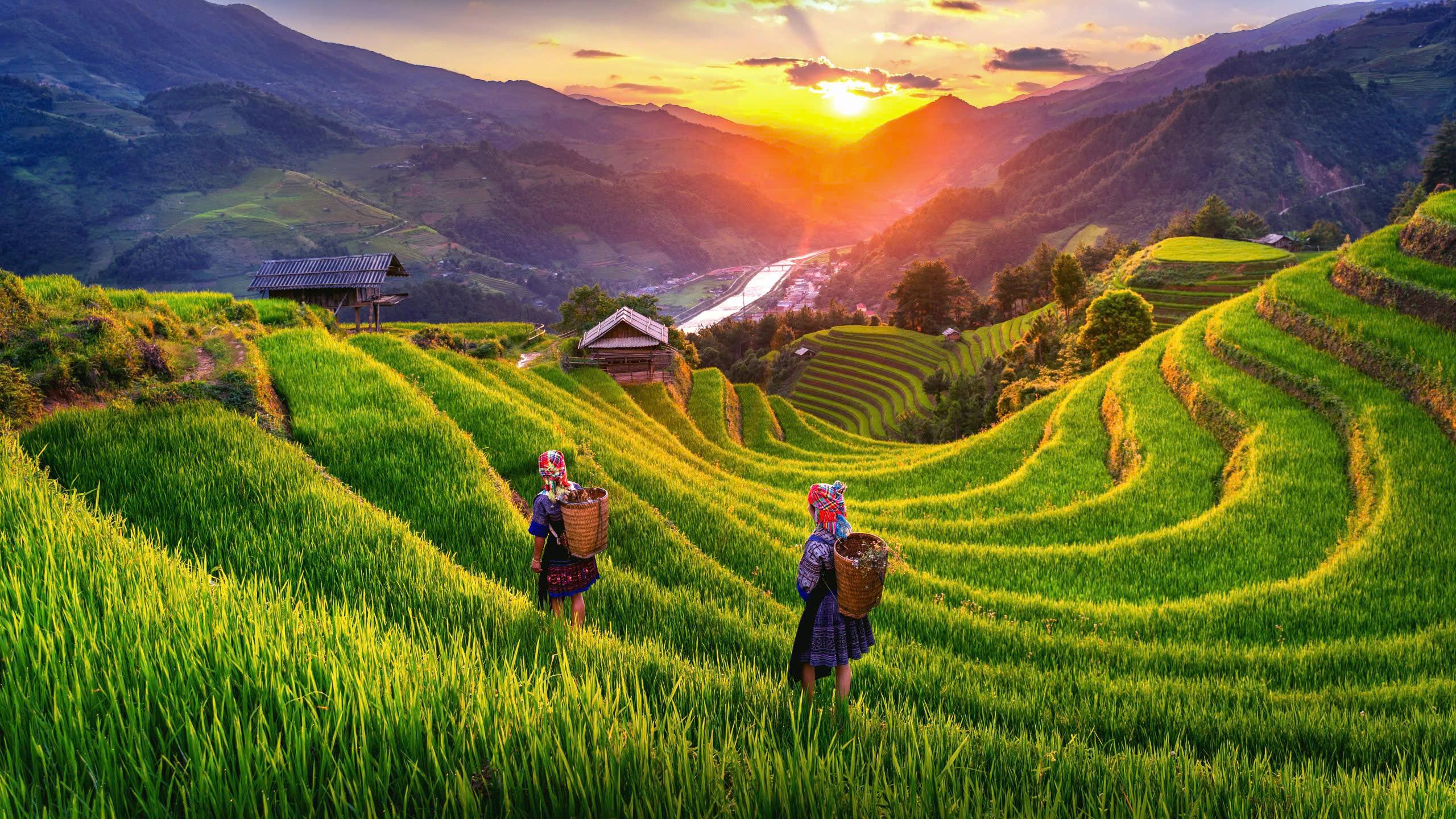
- Peak vs off-season travel: Peak season (December–February, plus July–August for domestic tourists) means higher prices for vietnam holiday packages and crowded attractions. Shoulder and off-seasons (May–June, September–early October) offer lower costs and fewer crowds, though you risk some rain. If you plan to trek in Sapa or visit Ha Giang, aim for September–October when rice terraces are golden.
How to Plan Your Vietnam Itinerary Efficiently
Designing a logical route saves time and money. Most travelers follow the classic north-to-south or south-to-north corridor. Use this vietnam itinerary planning framework.
North to South Route
- Hanoi (3–4 days): Old Quarter, Ho Chi Minh Mausoleum, Temple of Literature, and a street food tour.
- Ha Long Bay or Ninh Binh (2 days): An overnight cruise on Ha Long Bay or a land-based exploration of Ninh Binh’s “Ha Long on Land.”
- Hue (2 days): Imperial Citadel, royal tombs, and Perfume River dragon boat ride.
- Hoi An (3 days): Ancient town, lantern-making workshop, cooking class, and a day trip to My Son Sanctuary.
- Ho Chi Minh City (2–3 days): Cu Chi Tunnels, War Remnants Museum, and Ben Thanh Market.
- Mekong Delta (2 days): Homestay on a river island, floating market visit.
Time Allocation Tips
- Balance travel and relaxation: A common mistake is moving every 1–2 days. That leads to burnout. For a 10–12 day trip, stick to 3–4 destinations. For 15–18 days, you can add Phong Nha Cave or Da Lat.
- Incorporate rest days: After an overnight train or a long bus ride, schedule a half-day of low-key activities (massage, coffee shops, leisurely walks).
- Allow buffer time: Domestic flights are often delayed. Trains can be hours late. Never book an international departure on the same day as a domestic arrival.
For stress-free logistics, consider tailor made vietnam tours where an expert creates a custom itinerary based on your pace and interests. These packages often handle all internal transport, guides, and tickets.
Vietnamese Vegan Dishes You Must Try
Vietnam is a paradise for plant-based eaters. Thanks to deep-rooted Buddhist traditions, many Vietnamese practice vegetarianism on the first and fifteenth days of the lunar month. As a result, vegan versions of almost every classic dish are widely available. When booking vietnam travel packages, look for those that include food tours highlighting these specialties.
- Phở Chay – Mushroom and tofu noodle soup: The iconic noodle soup, veganized. Instead of beef or chicken, the broth is simmered with shiitake, wood ear mushrooms, and daikon radish. Topped with tofu, fresh herbs, and lime. Found at any “quán chay” (vegetarian eatery) in Hanoi or Saigon.
- Bánh Mì Chay – Vegan baguette sandwich: A crispy baguette stuffed with pickled carrots, cilantro, cucumber, and smoky grilled tofu or seitan. Sometimes enriched with vegan pâté made from mushrooms or tofu. Cheap and filling – look for vendors with yellow signs saying “Bánh Mì Chay.”
- Gỏi Cuốn Chay – Fresh spring rolls with peanut sauce: Rice paper wrapped around vermicelli noodles, lettuce, mint, and a mix of tofu, jicama, and carrots. Served with a rich hoisin-peanut sauce. These are lighter and healthier than fried rolls.
- Bún Chả Giò Chay – Vermicelli with vegan spring rolls: A bowl of cold rice noodles topped with shredded lettuce, herbs, crushed peanuts, and two to three crispy vegan spring rolls (stuffed with taro, carrots, and glass noodles). Drizzle with sweet chili fish sauce substitute (nước chấm chay).
- Chè – Sweet desserts with coconut and beans: A broad category of pudding-like desserts. Try chè đậu xanh (mung bean pudding) or chè thái (mixed fruit with coconut milk). Vendors often set up street stalls in the evening.
- Vegan hotspots- Hanoi has over 100 dedicated vegetarian restaurants, including the famous Veggie Castle. Ho Chi Minh City’s District 3 and District 10 are dotted with vegan buffets costing $2 to $4.
Booking Accommodation and Tours
With documents, timing, and itinerary set, you need to secure where you’ll sleep and how you’ll explore. A reliable vietnam tour company can bundle both, often at a discount.
Hotels vs Homestays:
- Hotels: Best for privacy, consistency, and amenities (pool, gym). Range from budget (15-30/night) to luxury (150/night). International brands like Marriott, Accor, and Hyatt are present in major cities.
- Homestays: Found in rural areas (Mekong Delta, Sapa, Mai Chau). You sleep in a local family’s home (often a stilt house), share meals, and learn daily customs. Prices are $10–25 including breakfast and dinner. Homestays are more immersive but less private.
Group vs Private Tours:
- Group tours: Cheaper ($30–80 per day). You’ll join 8–15 other travelers. Great for socializing, but you sacrifice flexibility. Many vietnam tour packages include group excursions to Ha Long Bay or Cu Chi Tunnels.
- Private tours: More expensive ($100–300 per day) but fully customizable. Vietnam private tours give you a dedicated guide and driver. You can stop whenever you want, skip crowded spots, and dive deeper into niche interests (e.g., war history or craft villages).
Advance booking tips: For peak season (December–February, July–August), book everything – flights, hotels, and popular tours – at least 2–3 months ahead. For shoulder season, 1 month is fine. Use online platforms that also offer free cancellation. If using a vietnam travel agency, ask for a detailed confirmation voucher with 24/7 emergency contact.
Packing Checklist for Vietnam Travel
A well-packed bag makes your trip smoother. Use this vietnam travel checklist as a starting point.
Weather Appropriate Clothing:
- North in winter (Dec–Feb): Light jacket, sweater, long pants, closed-toe shoes.
- North in summer (May–Aug): Lightweight cotton, rain jacket, sandals.
- Central year-round: Quick-dry clothing, swimwear, sun hat.
- South year-round: Tropical wear, but bring a light wrap for air-conditioned buses.
Travel Essentials:
- Universal power adapter (Vietnam uses 220V, two-prong round or flat plugs).
- Portable charger/power bank.
- Reusable water bottle (filtered water is widely available; avoid tap water).
- Basic first aid kit (antiseptic, bandages, diarrhea medication – many travelers get “Phở belly”).
- Sunscreen (high SPF – Vietnamese sun is strong) and insect repellent (especially in Mekong Delta).
Electronics and Documents:
- Smartphone with downloaded offline maps (Google Maps or Maps.me).
- Printed copies of e-visa, passport, insurance, hotel vouchers (leave one set in your luggage, carry another).
- Cash (Vietnamese Dong – ATMs are common but charge fees; $100–200 in small denominations for markets and remote areas).
What to leave behind: Expensive jewelry, heavy books (Kindle is fine), and too many shoes (one pair of walking shoes and one pair of sandals are enough).
Common Mistakes to Avoid While Planning
Even experienced travelers mess up. Avoid these errors when assembling your vietnam travel plans.
- Ignoring visa rules: Applying for an e-visa too late (e.g., two days before travel) or showing up with a passport that expires in four months. Always check the “six-month validity” rule.
- Overpacking your itinerary: Trying to see Hanoi, Ha Long, Hue, Hoi An, Nha Trang, Da Lat, Saigon, and the Mekong in 12 days. You will spend more time on transport than experiencing culture. Cut at least two destinations.
- Not planning airport transfers: Arriving at midnight without a pre-booked transfer means paying triple the price to a taxi driver who knows you have no alternatives. Always arrange pickup in advance.
- Assuming credit cards are accepted everywhere: Small eateries, market stalls, and homestays are cash-only. Always carry Dong (not USD) for these situations.
- Ignoring local holidays: Booking a trip during Tet (Lunar New Year, usually January/February) without realizing that museums, shops, and restaurants close for up to a week. Trains and buses are also sold out.
Tips for a Smooth Vietnam Travel Experience
Beyond the checklist, adopt these smart habits for a stress-free journey.
- Keep digital copies of documents: Scan your passport, visa, insurance policy, and flight tickets. Store them in a secure cloud folder (Google Drive or Dropbox) and email them to yourself. If your phone is lost, you can access them from any internet cafe.
- Plan buffer time: Never book a connecting domestic flight with less than 3 hours between landing and takeoff. Vietnam’s airports can be chaotic, and flights often delay. For international connections, allow 5+ hours or overnight.
- Stay flexible: Even the best-laid plans go awry – a typhoon cancels your Ha Long Bay cruise, or a train is delayed by landslides. Build in one or two “flex days” where you have no reservations. Use this time to explore an unexpected town or simply rest.
- Learn basic Vietnamese phrases: “Xin chào” (hello), “Cảm ơn” (thank you), “Bao nhiêu?” (how much?). Locals appreciate the effort, and it helps you navigate markets and taxis more fairly.
- Use reputable travel apps: Grab for rides, Baolau for train/bus bookings, and Google Translate with offline Vietnamese downloaded.
Why Use a Travel Agency for Vietnam Trip Planning
You can plan a Vietnam trip on your own, but a professional vietnam travel agency brings advantages that save time, money, and headaches. For many travelers, the best travel agency in vietnam is the one that offers transparent pricing and local expertise.
- Expert guidance: Local agencies know which hotels are overcharging, which seasons are best for each region, and which tours are worth their price. They can advise on off-the-beaten-path spots that self-planners miss.
- Hassle-free arrangements: A good agency handles everything: e-visa application (often faster than doing it yourself), airport transfers, domestic flights, accommodation, guides, and activity tickets. You receive a single itinerary with all vouchers. If a flight cancels, they rebook it for you.
- Time-saving benefits: Researching a 14-day Vietnam trip can take 30+ hours. An agency condenses that into a 60-minute consultation. For busy professionals or families, that time is precious.
- Cost-effectiveness: Agencies have contracted rates for hotels and tours, often lower than public online prices. They can also bundle services (flight + hotel + transfer) for a discount. However, be wary of agencies that quote extremely low prices – those usually include forced shopping stops.
- What to look for: A vietnam tour agency should be licensed by the Vietnam National Administration of Tourism (VNAT), have recent positive reviews on TripAdvisor or Google, and offer 24/7 customer support. Ask for a sample itinerary from their best vietnam tours package to gauge quality.
Plan Your Vietnam Trip with Confidence
Planning a Vietnam trip can feel overwhelming documents, weather zones, transport modes, and cultural nuances all demand attention. But with a systematic checklist, you can conquer the chaos.
Start by securing your passport and e-visa. Next, decide on your travel window based on regional climates. Then, map a realistic north-to-south route that balances highlights with rest days.
Pre-book critical elements: airport transfers, a few key hotels, and at least one guided tour. Pack light but smart, including digital backups of all documents.
If the logistics still seem daunting, lean on a reputable vietnam travel agency that specializes in custom vietnam tours. They will transform your rough ideas into a polished, worry-free itinerary.
Remember, the goal is not just to “see” Vietnam it is to experience it without stress. By following this Vietnam trip package planning checklist, you ensure that your memories are of lantern-lit streets and aromatic noodle bowls, not of missed flights or visa problems. Pack your curiosity, double-check your documents, and get ready for an unforgettable journey.
FAQs
What documents are required for a Vietnam trip?
You need a passport valid for at least six months beyond your arrival date, a valid visa (e-visa or visa on arrival approval letter), printed flight and hotel confirmations, and travel insurance (recommended). Carry both physical and digital copies.
Do I need airport transfers in Vietnam?
Pre-booked airport transfers are highly recommended, especially for late-night arrivals or first-time visitors. They save you from taxi scams, language barriers, and waiting in long queues. Many vietnam trip package deals include transfers as a complimentary service.
What is the best time to visit Vietnam?
The best time for a comprehensive trip is from February to April or September to November. During these months, northern and central regions enjoy mild, dry weather, while the south is also pleasantly warm. Avoid central Vietnam from September to November if possible due to typhoon risk.
Is Vietnam vegan-friendly?
Yes, Vietnam is exceptionally vegan-friendly. Buddhist traditions have created a strong vegetarian culture, and almost every town has “quán chay” (vegan eateries). Dishes like phở chay, bánh mì chay, and gỏi cuốn chay are easily available. Even street vendors can often adapt dishes on request.
Should I book a travel package or plan independently?
Booking a vietnam tour package through a trusted vietnam tour company simplifies planning, especially for first-timers or those with limited time. Packages handle visas, transfers, accommodation, and activities in a seamless itinerary. Independent planning offers more freedom but requires significantly more research and risk management. If you value convenience and local expertise, a package is the better choice.
Customize This Itinerary
Let our local experts design the perfect itinerary for you. It’s free, personalized, and take less than 24 hours !
 No obligation100% personalizedBest Price Guarantee2M$ Liability Insurance
Alex Hoang

Follow Us



.png&w=828&q=75)