





Planning a vietnam trip? Let us help.
Get personalized travel plan based on your interest, budget and preferred travel dates
Discover how to make your Vietnam trip package more meaningful with slow travel, local experiences, food tours, cultural activities, and flexible itineraries that create unforgettable memories.
TABLE OF CONTENTS
1
Why “More Days” Doesn’t Always Mean “Better Travel”
2
Smart Ways to Extend Your Vietnam Trip Experience
Add Local Experiences Instead of Locations
Travel Slower
3
Choose Experiences Over Checklists
4
Best Destinations for Meaningful Travel in Vietnam
Hanoi
Hoi An
Mekong Delta
Sapa
5
Add Buffer Days for Flexibility
6
Travel Like a Local, Not a Tourist
7
Budget Smartly to Extend Experiences
8
Include Cultural and Hands-On Activities
9
Vietnamese Food Tours and Culinary Adventures
Regional Food Experiences
Popular Food Tour Styles
10
How to Choose the Right Travel Style
11
Sample 10-Day Meaningful Vietnam Itinerary
12
When is the Best Time for a Relaxed Vietnam Trip
13
Plan a More Meaningful Vietnam Journey
14
FAQs
How can I make my Vietnam trip more meaningful?
Are food tours worth it in Vietnam?
How many days are ideal for Vietnam travel?
Should I choose private or group tours?
What is the biggest mistake travelers make in Vietnam?
The plane touches down in Hanoi, and the familiar chaos greets you thousands of motorbikes flowing like a river, the scent of street-side pho drifting through humid air, and the genuine smile of a local vendor beckoning you toward her tiny plastic stool.
This is Vietnam. And if you’ve booked a Vietnam trip package, you’ve already made a smart choice. But here’s the question that separates average travelers from those who return home truly changed: Are you here to check boxes, or are you here to feel something?
Too many travelers try to conquer Vietnam like a bucket list battlefield four cities in seven days, overnight buses between destinations, and a camera roll full of rushed selfies in front of famous landmarks. By day three, exhaustion sets in. By day five, everything blurs together. And by the time they fly home, they’ve seen Vietnam but never actually experienced it.
To make a Vietnam trip more meaningful, focus on fewer destinations, immersive activities, and flexible travel planning instead of rushing through highlights. That single mindset shift transforms a standard Vietnam travel package into a journey that lingers in your soul for years.
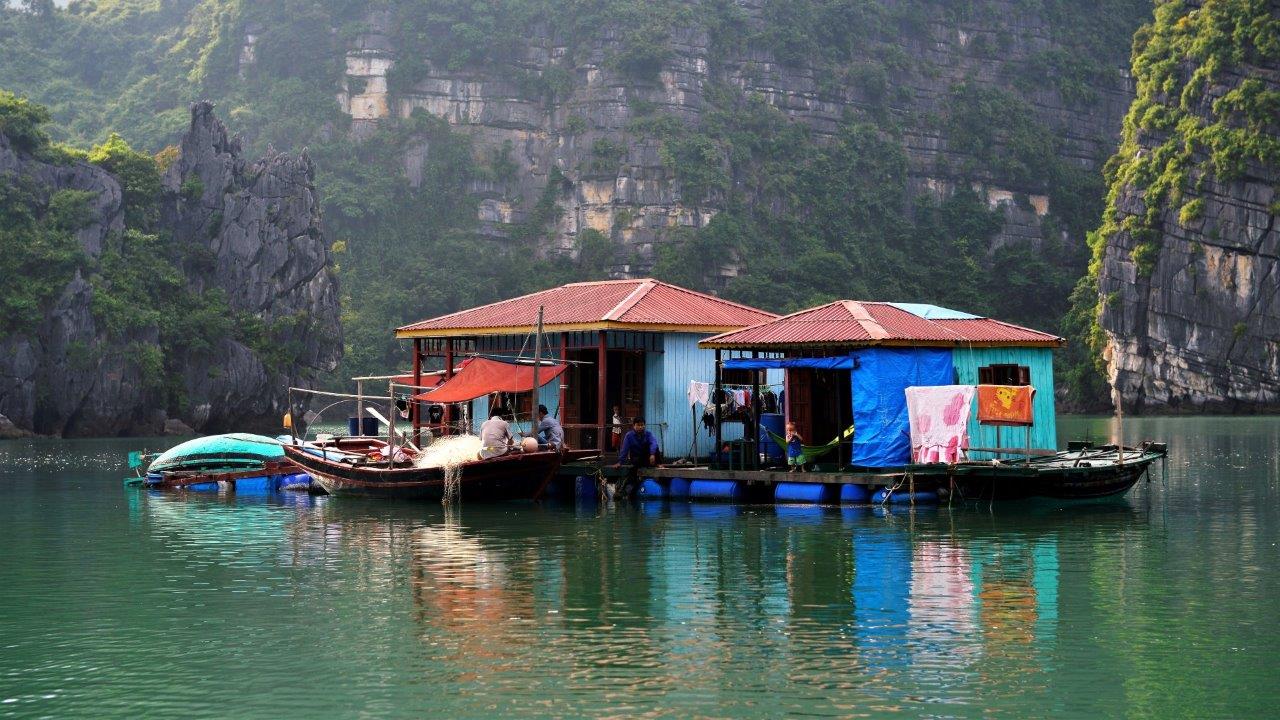
Why “More Days” Doesn’t Always Mean “Better Travel”
The common mistake that Vietnam travelers make is trying to see everything. Vietnam stretches over 1,600 miles from north to south. Travel between cities can take six to twelve hours by train or bus. When you pack your Vietnam travel packages with a new destination every other day, you sacrifice depth for breadth and depth is where meaning lives.
Travel fatigue is real. After three back-to-back travel days, your brain stops processing new information. That stunning pagoda? It blends into yesterday’s temple. That incredible bowl of bun bo Hue? You were too tired to notice the layers of lemongrass and chili.
Pacing transforms a trip. When you slow down, you notice details: the way grandmothers gather for morning coffee in Hanoi’s hidden alleys, the specific shade of golden light that hits Hoi An’s Japanese Bridge at 4 PM, the rhythm of tidal life along the Mekong. A well-paced Vietnam travel package isn’t about fitting more in it’s about letting more in.
Smart Ways to Extend Your Vietnam Trip Experience
Stay Longer in Fewer Places
The single most effective way to stretch your Vietnam trip package toward meaningfulness is counterintuitive: spend more nights in fewer locations. Instead of one-night stands with cities, commit to two, three, or even four nights per destination.
When you stay two nights somewhere, you get one full day enough for highlights but nothing more. When you stay three or four nights, you unlock the second and third days. That’s when magic happens.
Stay beyond the tourist zones. In Hoi An, walk ten minutes from the lantern-lit Old Town and find neighbourhoods where families have lived for generations. In Hanoi, venture beyond Hoan Kiem Lake into Truc Bach or Nghi Tam areas where lake life feels genuinely local.
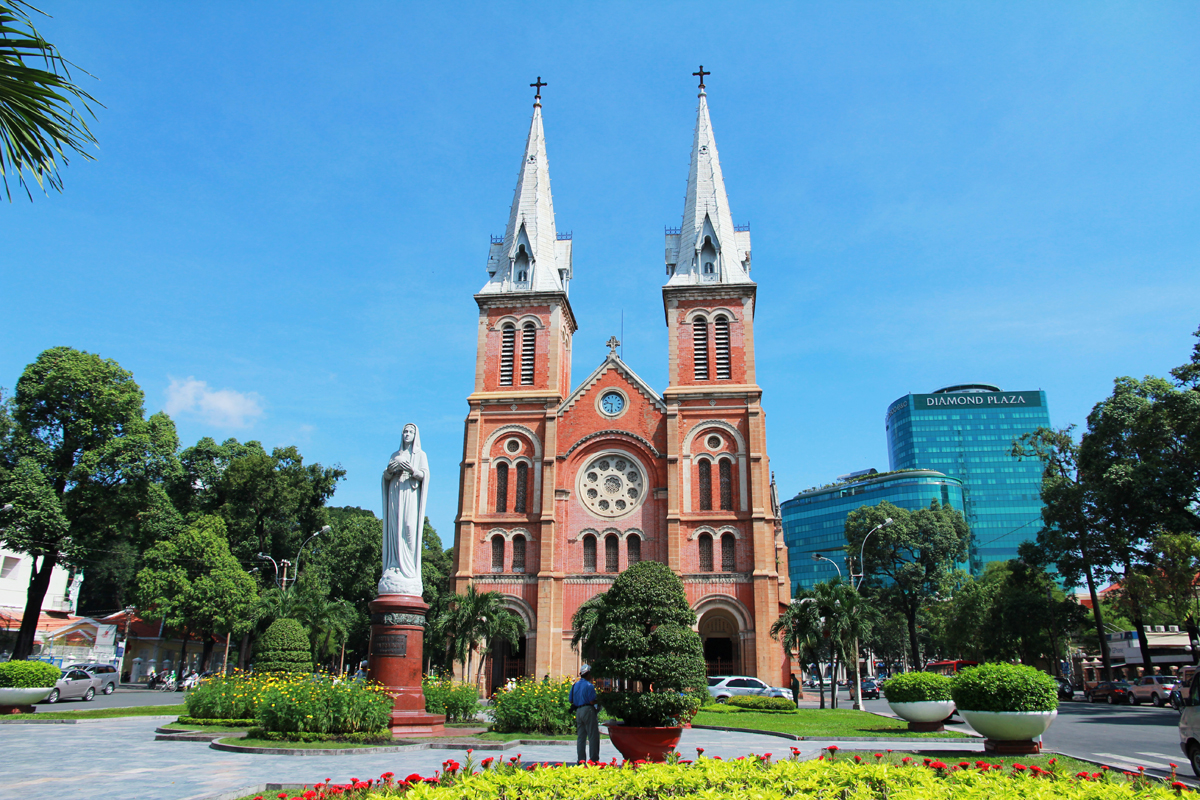
Add Local Experiences Instead of Locations
Every time you’re tempted to add another city to your itinerary, add a local experience instead. Replace “one day in Nha Trang” with a morning at a local market cooking class. Swap “quick stop in Da Lat” for an afternoon learning traditional embroidery from village artisans.
Cooking classes are everywhere, and they’re phenomenal. In Hoi An, classes often begin with a market tour where your guide explains the difference between five types of basil and shows you which fish was caught that morning.
Village visits offer windows into vanishing crafts. Near Hue, incense-making villages still produce sticks by hand. Outside Hanoi, Bat Trang pottery village has shaped clay for eight centuries. These experiences cost little often $10-20 but create memories that outlast any monument visit.
Cultural interactions don’t require formal tours. Strike up conversations with the woman selling fruit from her boat in the Mekong. Vietnamese people are remarkably warm and generous with their stories, even when language barriers exist.
Travel Slower
Scenic routes reward slow travelers. The train from Hanoi to Lao Cai (for Sapa) climbs through terraced rice paddies that seem to stack to the sky. The Hai Van Pass by motorbike, if you’re confident, offers switchbacks and viewpoints that bus passengers sleep through. Even the humble sleeper bus, while less comfortable, connects you with Vietnamese travelers going about their daily lives.
Enjoy the journey as its own experience. Pack snacks, download music or podcasts, and treat travel days as adventure rather than obstacles. The best conversations I’ve had in Vietnam happened on a twelve-hour train ride with strangers who became friends.
.jpg)
Choose Experiences Over Checklists
Shift your mindset from “seeing” to “experiencing.” This isn’t semantic it’s structural. When you prioritize experiences, your Vietnam itinerary's flexible design changes completely. You stop asking “What’s the next sight?” and start asking “What would feel good to do today?”
Vietnam’s markets are sensory overload in the best way. Chợ Lớn in Ho Chi Minh City (Chinatown’s Binh Tay Market) sprawls across blocks selling everything from dried squid to funeral banners to counterfeit watches. Instead of walking through with a camera, participate. Buy a bag of mangosteen from a vendor who’ll teach you how to open them without staining your hands.
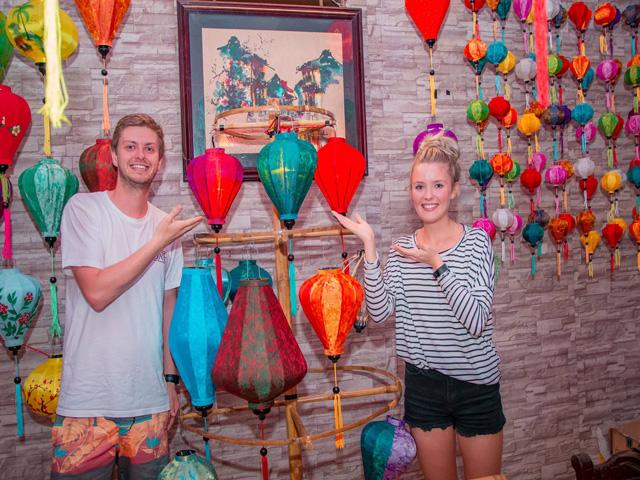
Workshops unlock skills and stories. Lantern-making in Hoi An takes two hours and costs about $15. You’ll learn why yellow represents royalty, why red means luck, and how these lanterns guided fishing boats home.
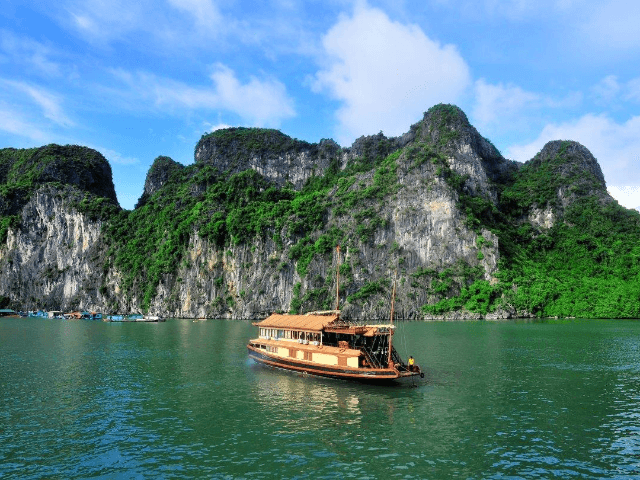
Nature exploration in Vietnam is world-class but often rushed. Instead of a three-hour “tour” of Ha Long Bay that hits one cave and returns, book an overnight cruise. Kayak through hidden lagoons. Swim in emerald water at dawn when other boats haven’t arrived. Trekking in Sapa’s rice terraces transforms when you stay overnight in a homestay, walking through villages rather than past them.
Best Destinations for Meaningful Travel in Vietnam
Hanoi
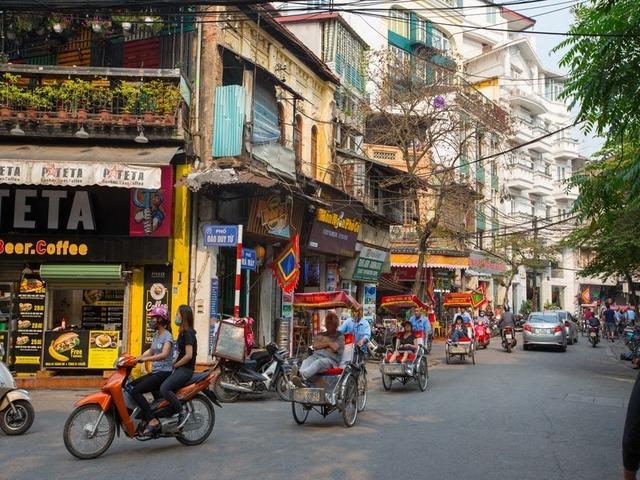
Hanoi isn’t a city you see; it’s a city you absorb. The capital rewards slow exploration more than any checklist. Spend mornings in the Old Quarter’s maze of streets each originally dedicated to a specific trade (silver, fans, coffin-making). Watch Hang Bac Street’s silversmiths hammering jewelry the same way their great-great-grandfathers did.
Culture lives in Hanoi’s coffee shops. Egg coffee invented at Cafe Giang in 1946 when milk was scarce is a dessert disguised as a drink. Find a second-floor balcony seat overlooking a tree-lined street and watch Hanoi’s unique traffic ballet.
History hides everywhere: the Hanoi Hilton (Hoa Lo Prison) tells a one-sided but moving story of Vietnamese independence. The Temple of Literature Vietnam’s first university feels like a time capsule despite sitting in central Hanoi.
Hoi An
Hoi An exists at a different tempo. The UNESCO protected ancient town banned cars in the center, so movement happens on foot, bicycle, or boat. Slow living isn’t an option here it’s a requirement.
Lantern streets glow every night, but the real Hoi An appears in early morning before the day-trippers arrive from Da Nang. Watch the Thu Bon River reflect the rising sun. Visit the Japanese Covered Bridge when it’s quiet. Rent a bicycle and ride two kilometers to An Bang Beach not for swimming, but for seafood lunch at a family-run shack where grandmothers still cook over charcoal.
Hoi An is also Vietnam’s tailoring capital. Getting custom clothes made isn’t just shopping; it’s collaboration. Spend an afternoon with a tailor selecting fabrics and discussing designs. Return for fittings. Leave with clothing that fits perfectly and carries the story of its making.
Mekong Delta
The Mekong Delta isn’t a destination; it’s a way of life. Can Tho’s Cai Rang floating market is the iconic image, but the real delta happens away from tourist boats. Book a homestay on an island near Ben Tre or Vinh Long. Sleep in a stilt house above the water. Eat meals cooked over firewood by your host family.
Local life revolves around the river. Farmers load boats with durian, rambutan, and mangoes before dawn. Women paddle sampans selling pho and coffee to other boat-dwellers. The pace is glacial by city standards, which is exactly the point. Spend three days in the delta not one, and you’ll begin to understand how this water world functions.
Sapa
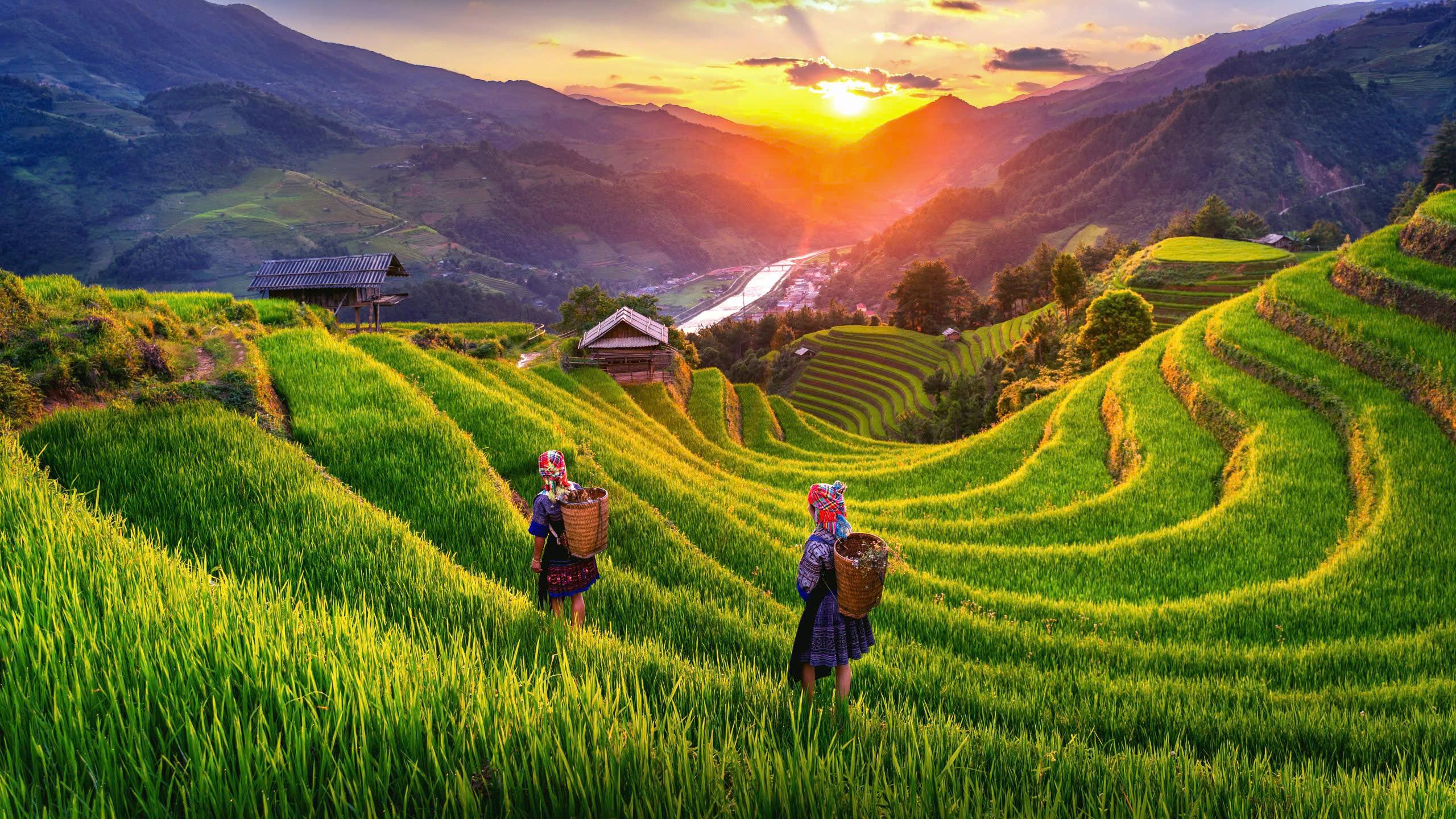
Sapa’s terraced rice fields are spectacular, but the region’s heart is its ethnic minority communities Hmong, Dao, Tay, Giay. Most Vietnam tours include a rushed day trip from Hanoi: overnight train, hours of trekking, then back on the train. That’s not meaningful travel. That’s exhaustion.
Stay three nights in Sapa town or, better, in a village homestay. Trek between villages at a pace that allows conversation. Learn a few phrases of Hmong. Buy handicrafts directly from the women who made them, not from souvenir shops.
The difference between a drive-by visit and genuine cultural exchange is measured in hours spent sitting on someone’s porch, drinking corn wine, and attempting communication through smiles and gestures.
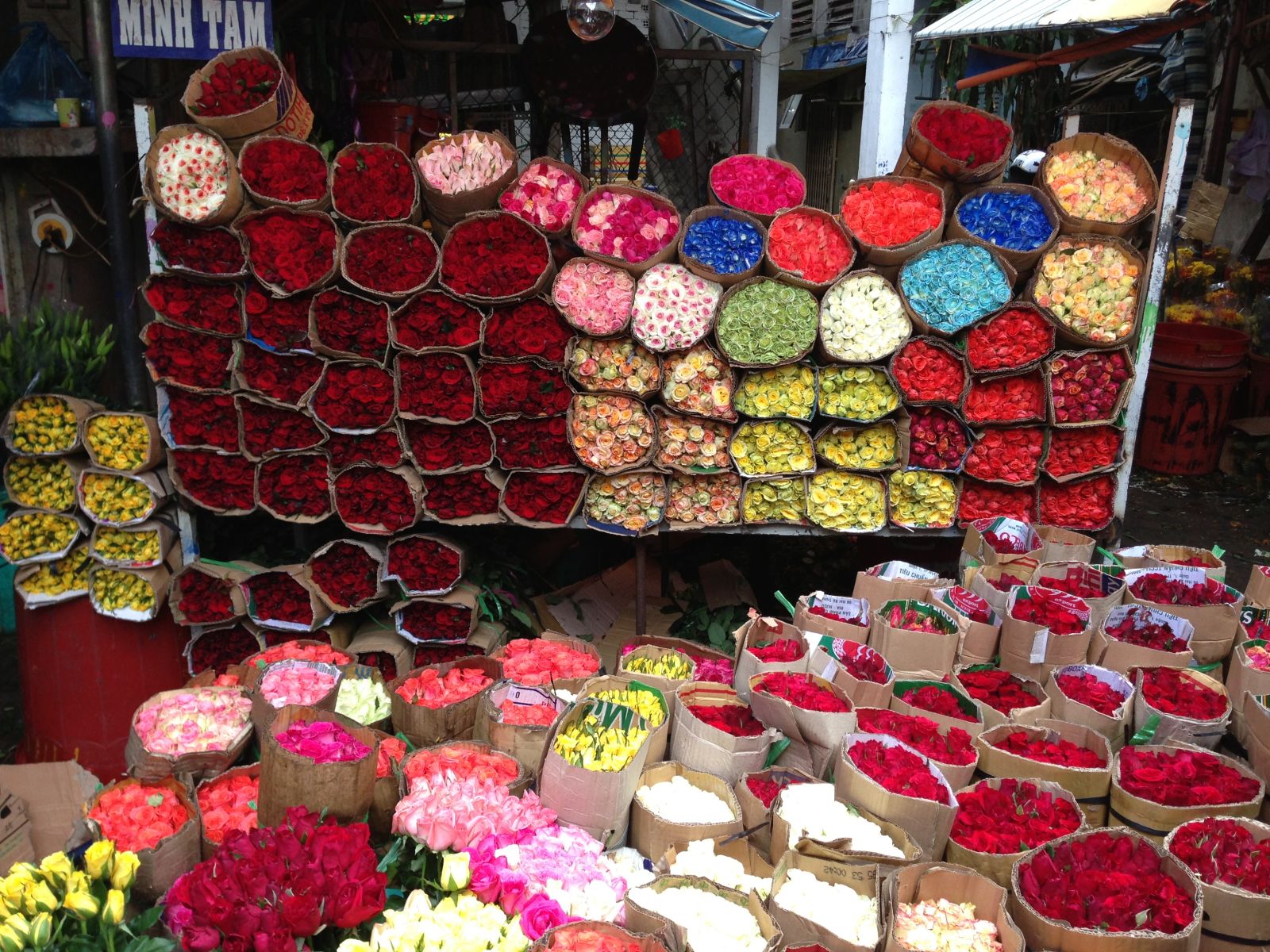
Add Buffer Days for Flexibility
Rigid itineraries are the enemy of meaningful travel. I’ve watched travelers cry in frustration because their packed schedule couldn’t accommodate a closed museum or unexpected rain. I’ve seen couples argue because one wanted to linger at a cafe while the other insisted on “sticking to the plan.”
The benefits of open days are enormous. Buffer days let you rest when travel fatigue hits and it will hit. They allow spontaneity: meeting a traveler who recommends a hidden homestay, discovering a festival you didn’t know existed, or simply deciding you love Hoi An and want one more day there.
Weather in Vietnam varies dramatically by region and season. Central Vietnam floods in October and November. The north gets cold (yes, cold Sapa can drop to freezing) from December to February. The south has a wet season from May to November. Buffer days let you adjust. If Ha Long Bay is fogged in, shift plans and visit a museum in Hanoi. If it’s pouring in Hoi An, take a cooking class instead of beach time.
Rest isn’t wasted time. Reading a book in a Hanoi cafe while rain tapped on the metal roof, napping in a hammock on a Mekong Delta homestay, sipping iced coffee and watching motorbikes for an entire afternoon. Those moments recharge you for the experiences that matter.
Travel Like a Local, Not a Tourist
Using local transport changes everything. Instead of Vietnam private tours with air-conditioned vans, try a xe om (motorbike taxi) for short trips Grab is Southeast Asia’s Uber and works perfectly in Vietnamese cities.
Eating at local places means stepping away from TripAdvisor’s top ten. Find spots where menus are in Vietnamese only. Point at what the person at the next table is eating. Eat pho for breakfast (this is what Vietnamese people actually do).
Explore neighborhoods beyond tourist zones. In Ho Chi Minh City, District 3 has incredible alleyway food and French colonial architecture without District 1’s chaos. In Hanoi, Tay Ho (West Lake) offers a calmer, expat-inflected vibe with excellent lakeside cafes. Custom Vietnam tours designed by a good local agency can take you to these areas, but you can also explore on your own with Google Maps and curiosity.
Budget Smartly to Extend Experiences
Here’s a truth that surprises most travelers: spending money on luxury transport often delivers less happiness than spending on experiences. A business-class train ticket from Hanoi to Da Nang is nicer than a hard sleeper, but does it give you the same stories? Probably not.
Spend on experiences instead. That $50 for a private guide in Hue’s Imperial City unlocks historical context you would miss alone. The 40 for a half-day cooking class creates a skill you’ll use at home. The $25 for a basket boat tour in Hoi An’s coconut forest delivers ridiculous amounts of joy (spinning boats, crab fishing, singing with local boatmen).
Mix budget and premium stays to balance costs. Hostels and homestays offer something luxury hotels can’t: other travelers and local hosts to share meals and stories with. Vietnam holiday packages often push “mid-range” hotels throughout consider building your own trip with a mix of budget and splurge accommodations.
Vietnam remains incredibly affordable by Western standards. A comfortable daily budget for meaningful travel is 40-60 for backpackers, 80-120 for mid-range, and 150+ for luxury. Focus more on experiences like cooking classes, village sites, market tours.
.jpg)
Include Cultural and Hands-On Activities
Vietnam private tours excel at cultural activities because you set the pace and focus on what interests you. A private guide can spend two hours explaining the symbolism in a single pagoda without rushing to the next stop.
Cooking classes range from half-day introductions to multi-day culinary deep dives. In Hoi An, Thuan Tinh Island’s cooking classes include a boat ride to a herb garden where you harvest your own ingredients. In Hanoi, classes often start at the legendary Chau Long Market, where you’ll learn to select fish by eye color and vegetables by stem firmness.
Craft workshops teach traditional skills. Thanh Ha pottery village near Hoi An offers two-hour throwing sessions. Van Phuc silk village outside Hanoi lets you see the entire process from silkworm cocoons to finished fabric.
Farming experiences sound touristy but can be genuinely moving. Tra Que Vegetable Village outside Hoi An invites visitors to plant, water, and harvest alongside farmers who have worked the same land for generations.
Vietnamese Food Tours and Culinary Adventures
Vietnam is one of the world’s best destinations for food-focused travel, and adding culinary experiences is one of the easiest ways to make your Vietnam trip package more meaningful. The country’s cuisine varies dramatically from north to south. Hanoi’s pho is lighter and more delicate, while Ho Chi Minh City’s version is sweeter and loaded with bean sprouts and herbs.
Vietnamese food tours in 2026 range from quick 3-hour street food walks to 10+ day culinary journeys across the country, offering deep insight into local culture through food. The best Vietnam tour companies now specialize in food-focused itineraries because travelers are demanding authentic culinary experiences.
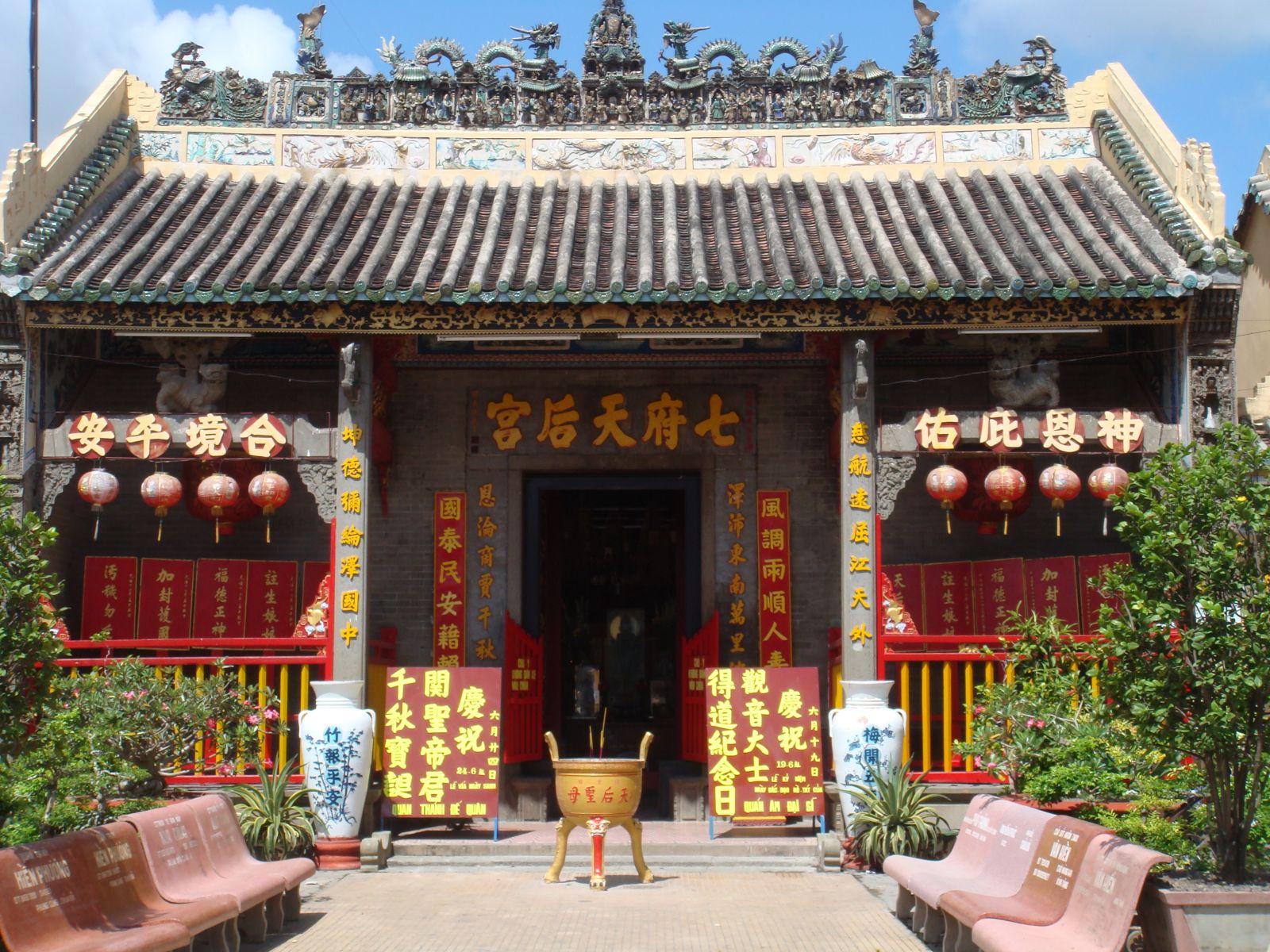
Regional Food Experiences
Hanoi (North Vietnam) is famous for pho (try Pho Thin for beef pho with stir-fried meat), bun cha (grilled pork with noodles Obama ate at Bun Cha Huong Lien), and egg coffee (Cafe Giang is the original).
Old Quarter walking tours connect the dots between narrow streets and the specific foods each is known for. Train Street visits sitting inches from passing trains while drinking coffee have become iconic, though check current access as regulations change. Budget-friendly street food tours cost $15-30 and include 5-7 tastings.
Ho Chi Minh City (South Vietnam) offers vibrant street food culture that operates 24 hours a day. Scooter food tours through hidden alleys are the best way to explore Vietnamese traffic makes walking tours inefficient for covering distance.
Night food adventures reveal the city’s after-dark energy: broken rice (com tam) stalls, snail restaurants (oc), and grilled skewer vendors. Try hu tieu (noodle soup with Chinese influences) and banh xeo (crispy turmeric pancakes) in District 1’s back alleys.
Hoi An (Central Vietnam) is cooking class central. Morning classes include market visits where guides explain the difference between local and imported produce. Basket boat experiences in the coconut forest often include crab fishing and boat spinning competitions before lunch.
Farm-to-table food tours visit Tra Que Vegetable Village, where you’ll harvest organic herbs used in Hoi An’s signature dishes white rose dumplings and cao lau noodles.
Popular Food Tour Styles
Walking street food tours work best in compact cities like Hanoi’s Old Quarter or Hoi An’s Ancient Town. Expect 8-12 tastings over 3-4 hours, with enough food to replace lunch and dinner. Prices range $20-40.
Scooter food adventures dominate in sprawling Ho Chi Minh City. Your driver navigates traffic while you hold on and eat it’s exhilarating and efficient. Tours typically visit 5-6 districts over 4 hours. Prices $40-60.
Private culinary experiences cost more ($60-120) but offer customization for dietary restrictions, slower pacing, and guides who can spend extra time explaining techniques. Ideal for serious food lovers.
Key benefits:
Food tours connect you with local culture, people, and traditions, making your trip far more memorable than sightseeing alone. The grandmother selling banh xeo from a street cart isn’t a tourist attraction she’s a custodian of recipes passed down for generations. Eating her food honors that legacy.
How to Choose the Right Travel Style
Group Tours vs Private Tours
Group tours are budget-friendly. A standard Vietnam tours package with 12-16 travelers costs significantly less than private alternatives because costs split across participants. Group tours work well for solo travelers wanting built-in companionship and for first-time visitors who prefer structure. Downsides: fixed schedules, limited flexibility, and occasional friction with incompatible travel companions.
Private tours offer flexibility and personalization. A Vietnam private tours experience costs 2-3x more than group tours but delivers your own guide, your own vehicle, and itineraries that adjust to your interests and energy levels. Want to spend three hours at a single museum? Your private guide adapts. Decide you hate a destination and want to leave early? No problem. Private tours excel for families, couples, and anyone who values autonomy over savings.
Customized Travel
Custom Vietnam tours built by a reputable Vietnam travel agency hit the sweet spot between rigid packages and completely DIY travel. A good travel consultant asks about your interests (history? food? nature?), pace preferences (fast or slow?), and budget, then build an itinerary you refine together.
Tailored itineraries provide better pacing than off-the-shelf packages. Instead of the standard “2 nights Hanoi, 1 night Ha Long, 2 nights Hoi An” formula, a customized approach might add rest days, extend stays in places you love, and skip destinations that don’t excite you.
The best travel agencies in Vietnam (like Vietnam Impressive, Exo Travel, or Buffalo Tours) employ local experts who know which experiences are genuinely worthwhile versus which exist only for tourist dollars.
Sample 10-Day Meaningful Vietnam Itinerary
Day 1–3: Hanoi + cultural tours
- Arrive Hanoi, settle in.
- Day 2: Old Quarter walking tour focusing on food and crafts.
- Day 3: Museum of Ethnology (excellent coverage of Vietnam’s 54 ethnic groups) plus Train Street coffee (if accessible). Stay three nights in Hanoi’s Old Quarter or French Quarter.
Day 4–5: Ha Long Bay (relaxed cruise)
- Skip the day trip. Book an overnight cruise with a reputable company (avoid rock-bottom prices which correlate with safety issues and environmental violations).
- Day 4 includes kayaking and cave visit.
- Day 5 offers tai chi on deck at sunrise before brunch cruise back to port.
Day 6–7: Hoi An (slow exploration + cooking class)
- Fly Hanoi to Da Nang (cheap flights on VietJet, Bamboo, or Vietnam Airlines), transfer 45 minutes to Hoi An.
- Day 6: Ancient Town exploration, Japanese Bridge, evening lantern release.
- Day 7: Morning cooking class with market visit, afternoon bicycle to An Bang Beach or Tra Que Vegetable Village.
Day 8–10: Ho Chi Minh City + Mekong Delta
- Fly Da Nang to Ho Chi Minh City.
- Day 8: District 1 highlights (War Remnants Museum, Reunification Palace, Ben Thanh Market) plus evening street food tour.
- Day 9: Mekong Delta day trip to Ben Tre go beyond the tourist route with boat rides through smaller canals.
- Day 10: Departure or add a final morning at Cu Chi Tunnels.
This tour package for Vietnam delivers depth over breadth. You’ll leave having truly experienced four regions rather than rushing through eight. Add three more days to include Sapa or Phong Nha Cave. Add five more to explore the central highlands around Da Lat.
When is the Best Time for a Relaxed Vietnam Trip
Vietnam’s length creates three distinct climate zones. Timing your Vietnam vacation packages strategically reduces crowding and weather disruptions.
North Vietnam (Hanoi, Ha Long Bay, Sapa) has four seasons. Best months: March-April and September-November. Spring brings mild temperatures and blooming flowers. Autumn offers golden light and comfortable warmth. Summer (May-August) is hot and humid with occasional typhoons. Winter (December-February) is cool, and drizzly Sapa can feel genuinely cold.
Central Vietnam (Hoi An, Da Nang, Hue) peaks from February to May when skies are clear, and seas are calm. Avoid October and November, this is flood season when Hoi An’s ancient town can submerge under several feet of water. Summer (June-August) is hot but manageable.
South Vietnam (Ho Chi Minh City, Mekong Delta) has wet (May-November) and dry (December-April) seasons. The dry season is cooler and less humid. The wet season means daily afternoon downpours, usually intense but brief, leaving mornings clear for activities.
Avoid peak crowds by travelling in shoulder seasons. December-January is busy everywhere (international tourists + domestic Tet holiday travel). Tet (Lunar New Year, usually late January or February) shuts down much of the country for a week beautiful to witness but challenging for logistics.
Common Mistakes That Reduce Travel Quality
- Overpacked itinerary is mistake number one. I’ve watched travelers plan Hanoi (2 nights), Ha Long Bay (1 night), Sapa (2 nights), Da Nang (1 night), Hoi An (2 nights), Nha Trang (2 nights), Ho Chi Minh City (2 nights), and Mekong Delta (1 night) into thirteen days. That’s eight destinations, eight travel days, and zero rest. The result? Exhaustion and resentment.
- Skipping local experiences happens when travelers focus on “major sights” only. The War Remnants Museum is important but so is sitting with coffee for an hour and watching daily life. Balance structured sightseeing with unstructured wandering.
- Choosing cheapest tours only backfires constantly. The 20 Ha Long Bay day trip uses an old boat, serves terrible food, and packs fifty passengers. A 90 overnight cruise provides comfort, quality, and breathing room. In Vietnam, you genuinely get what you pay for.
- Not planning rest time transforms vacations into ordeals. Build in half-days with nothing scheduled. Accept that some afternoons you’ll want to nap or read by a pool. The best Vietnam tours package includes unscheduled time by design.
Plan a More Meaningful Vietnam Journey
Focus on depth, not speed. One week in Hanoi and surrounding areas beats two weeks sprinting from Ho Chi Minh City to Hanoi with ten stops in between. The travelers who fall in love with Vietnam are rarely the ones who “saw it all.” They’re the ones who stayed long enough in one place to make a friend, learn a recipe, or find a favorite coffee shop.
The value of flexibility cannot be overstated. Rigid plans break. Flexible plans adapt. When you accept that missed trains, unexpected rain, and closed attractions are part of travel not failures of travel you unlock peace of mind.
Working with a quality best travel agency in Vietnam can help first-time visitors navigate logistics while preserving flexibility. But even with a packaged Vietnam trip package, you control your mindset. Choose fewer destinations. Add buffer days. Eat where locals eat. Take the train. Say yes to invitations. Get lost on purpose.
Your Vietnam journey awaits. Make it meaningful.
FAQs
How can I make my Vietnam trip more meaningful?
Focus on fewer destinations, add local experiences like cooking classes or village visits, travel at a slower pace with buffer days, and prioritize cultural immersion over sightseeing checklists.
Are food tours worth it in Vietnam?
Yes, they are one of the best ways to experience local culture and cuisine. Food tours take you to places you’d never find alone, explain regional differences, and connect you with family-run vendors who have perfected recipes over generations.
How many days are ideal for Vietnam travel?
10–14 days is ideal for a balanced and immersive trip covering 3-4 regions. 14-21 days allows for deeper exploration including Sapa, the Mekong Delta, or Phong Nha National Park. One week works best concentrated in a single region (north, central, or south).
Should I choose private or group tours?
Private tours offer more flexibility, personalized pacing, and the ability to adjust for your interests ideal for couples, families, and serious travelers. Group tours are more budget-friendly and work well for solo travelers wanting built-in social connections.
What is the biggest mistake travelers make in Vietnam?
Trying to cover too many places in a short time. Travelers underestimate travel distances (Hanoi to Ho Chi Minh City is a 2-hour flight, but a 30+ hour train) and overestimate their energy for back-to-back travel days. Slow down for a better trip.
Customize This Itinerary
Let our local experts design the perfect itinerary for you. It’s free, personalized, and take less than 24 hours !
 No obligation100% personalizedBest Price Guarantee2M$ Liability Insurance