




Planning a vietnam trip? Let us help.
Get personalized travel plan based on your interest, budget and preferred travel dates
Discover Mu Cang Chai, a hidden gem in Northern Vietnam, famous for its breathtaking rice terraces, vibrant ethnic culture, and authentic rural charm—perfect for nature lovers, trekkers, and cultural explorers.
TABLE OF CONTENTS
1
Why Visit Mu Cang Chai?
A Hidden Gem in Northern Vietnam
Home of the Iconic Rice Terraces and Ethnic Thai Communities
Perfect for Nature, Photography, and Cultural Immersion
2
Where Is Mu Cang Chai and How to Get There?
Location and Distance from Hanoi
Best Travel Routes: By Car, Motorbike, or Bus
Tips for a Scenic Road Trip via Nghia Lo or Tu Le
3
Best Time to Visit Mu Cang Chai
Rice Season Highlights: Planting vs. Harvesting (May vs. September)
Weather and Crowd Insights by Month
When to Go for the Best Photography Conditions
4
Top Things to Do in Mu Cang Chai
Trekking Through Rice Terraces in La Pan Tan, Che Cu Nha, and De Xu Phinh
Homestays with Local Ethnic Families (Thai & Hmong)
Paragliding Over the Terraces (Khau Pha Pass Festival)
Visit Local Markets and Cultural Villages
5
Where to Stay in Mu Cang Chai
Best Homestays for Authentic Experiences
Boutique Lodges with Mountain Views
Budget-Friendly Options for Backpackers
6
What to Eat in Mu Cang Chai
Must-Try Local Dishes: Sticky Rice, Bamboo Pork, Grilled Fish
Food Experiences in Homestays vs. Local Restaurants
Where to Find Safe, Tasty Street Food
7
Travel Tips for Visiting Mu Cang Chai
What to Pack for Mountain Weather and Rural Conditions
Connectivity, ATM Access, and Language Barriers
Responsible Tourism: Supporting Local Communities
8
FAQs About Mu Cang Chai
Is It Worth Visiting Without a Guide?
How Many Days to Stay in Mu Cang Chai?
Can You Combine It with Sapa or Ha Giang?
9
Final Thoughts: Is Mu Cang Chai Vietnam's Most Underrated Destination?
Real Traveler Reviews & Recommendations
When and How to Plan Your Trip
Suggested Itinerary Extensions (e.g. Nghia Lo, Sapa)
Why Visit Mu Cang Chai?
A Hidden Gem in Northern Vietnam
Tucked away in the mountains of northwest Vietnam, Mu Cang Chai remains one of the country’s best-kept secrets. Far from the bustling cities and well-trodden tourist trails, this remote district in Yen Bai Province offers a rare combination of stunning natural landscapes, rich ethnic traditions, and an authentic rural atmosphere. For travelers seeking tranquility and untouched beauty, Mu Cang Chai is a welcome escape.
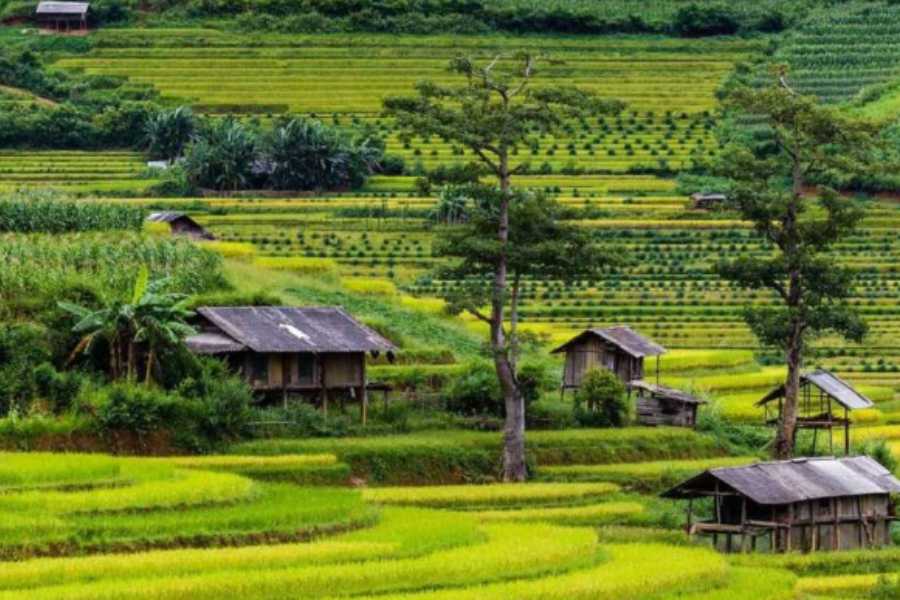
Unlike other popular destinations in Vietnam, Mu Cang Chai hasn’t been overdeveloped. Here, the roads wind through misty hills, wooden stilt houses dot the landscape, and life moves at a slower pace. This is where the beauty of Vietnam feels raw, real, and deeply connected to the land, making it one of the true Hidden Gems in Vietnam.
Home of the Iconic Rice Terraces and Ethnic Thai Communities
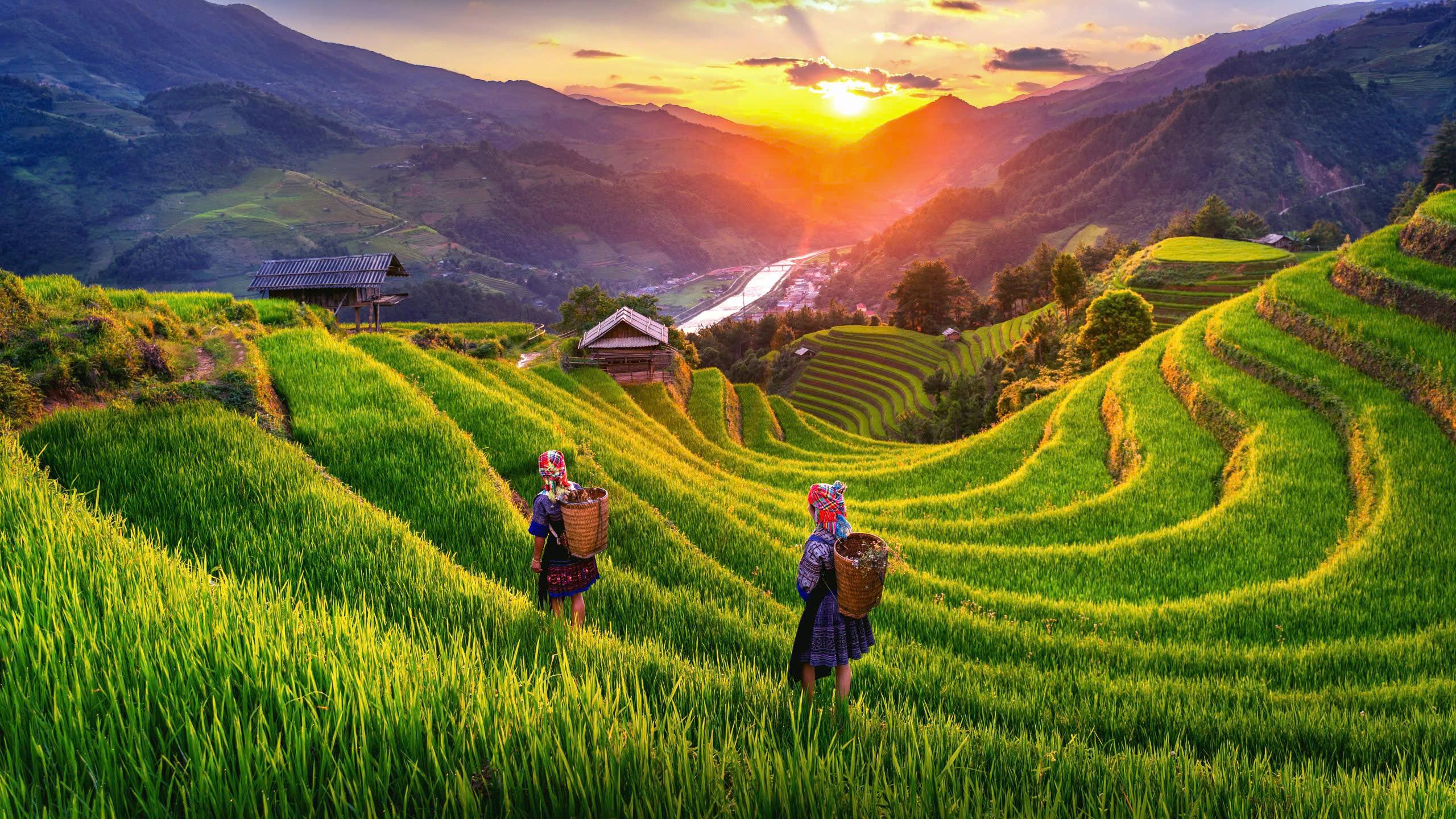
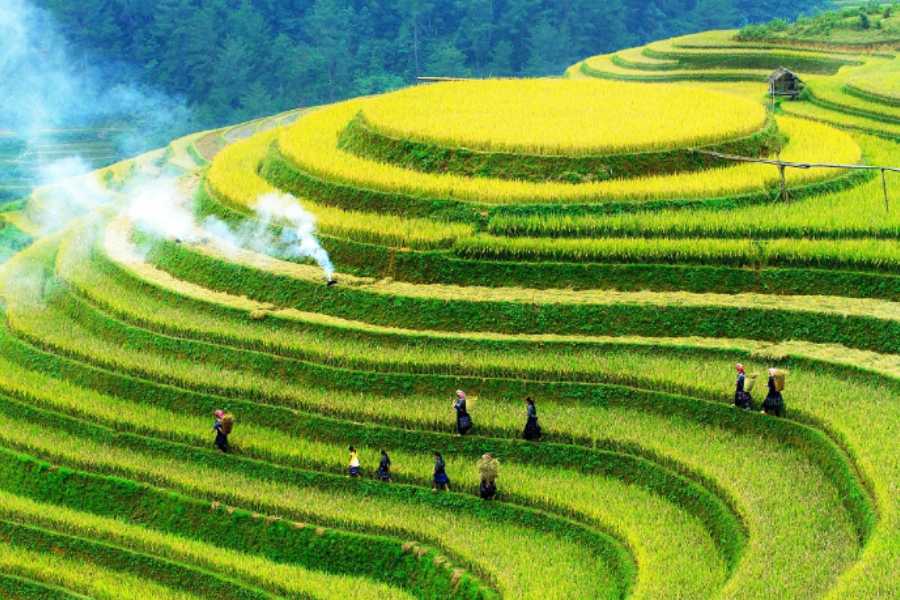
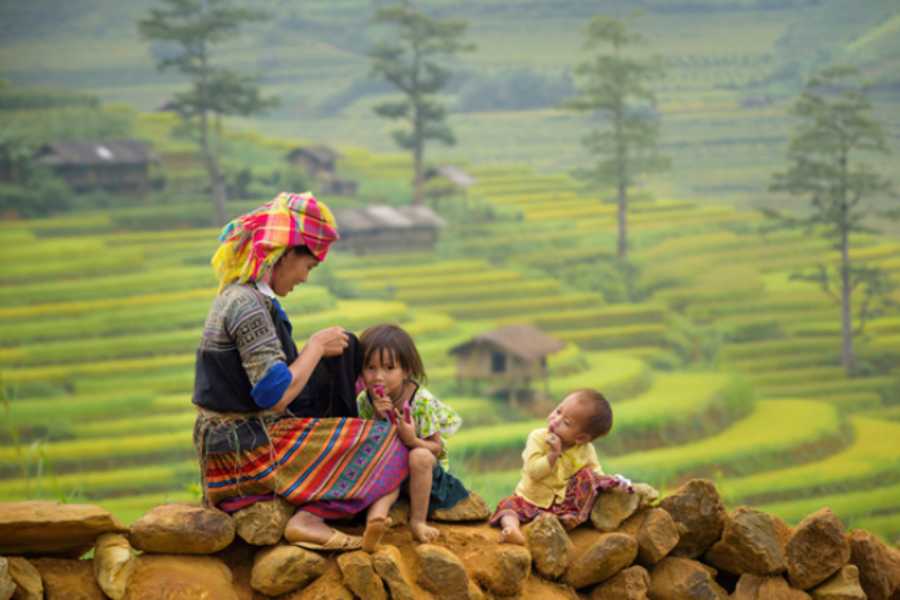
Mu Cang Chai is most famous for its spectacular rice terraces - a masterpiece of agricultural engineering carved into the mountainsides by the hands of local ethnic minorities, primarily the Hmong and Thai people. During the harvest season, especially in late September and early October, the golden terraces glow in the sun and stretch endlessly across the hills, creating a surreal, painterly landscape that photographers dream about.
Beyond the scenery, Mu Cang Chai is also home to a vibrant cultural tapestry. The Hmong and Thai communities preserve their traditional ways of life through dress, crafts, markets, and festivals. Visiting a local village or homestay provides insight into daily life, from farming techniques to textile weaving and regional cuisine.
Perfect for Nature, Photography, and Cultural Immersion
Whether you’re an avid trekker, an amateur photographer, or simply a curious traveler, Mu Cang Chai has something for you:
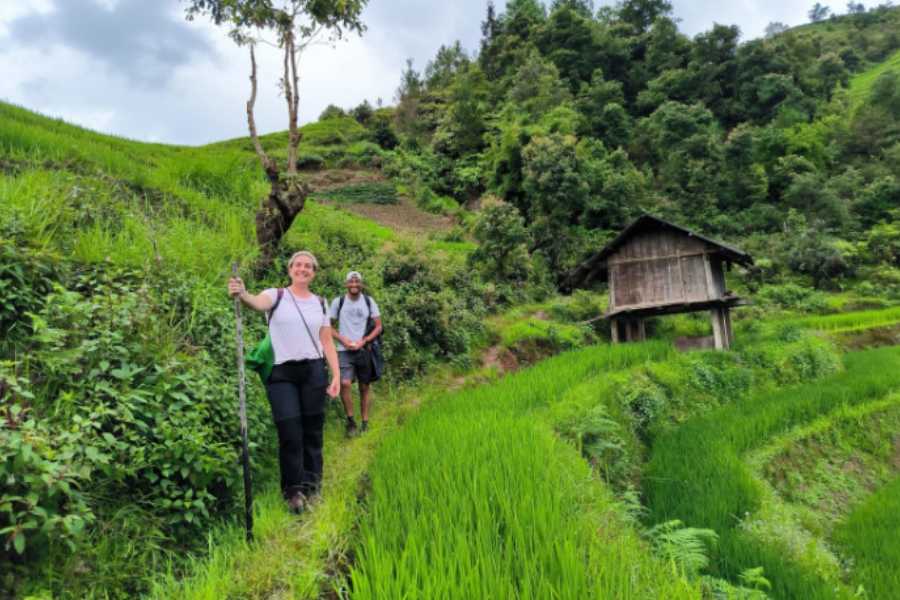
- Hiking and Trekking: Trails lead you through rice paddies, across ridgelines, and into local villages where you’ll find authentic hospitality.
- Photography: Sunrise and sunset over La Pan Tan, Che Cu Nha, and Mam Xoi Hill offer some of the most photogenic moments in all of Vietnam.
- Cultural experiences: Stay in a wooden homestay, learn how to cook Hmong dishes, or join a seasonal festival and see traditional dances firsthand.
This destination isn’t about luxury or speed - it’s about slowing down, soaking in the beauty, and connecting with people who have lived in harmony with nature for generations.
Where Is Mu Cang Chai and How to Get There?
Location and Distance from Hanoi
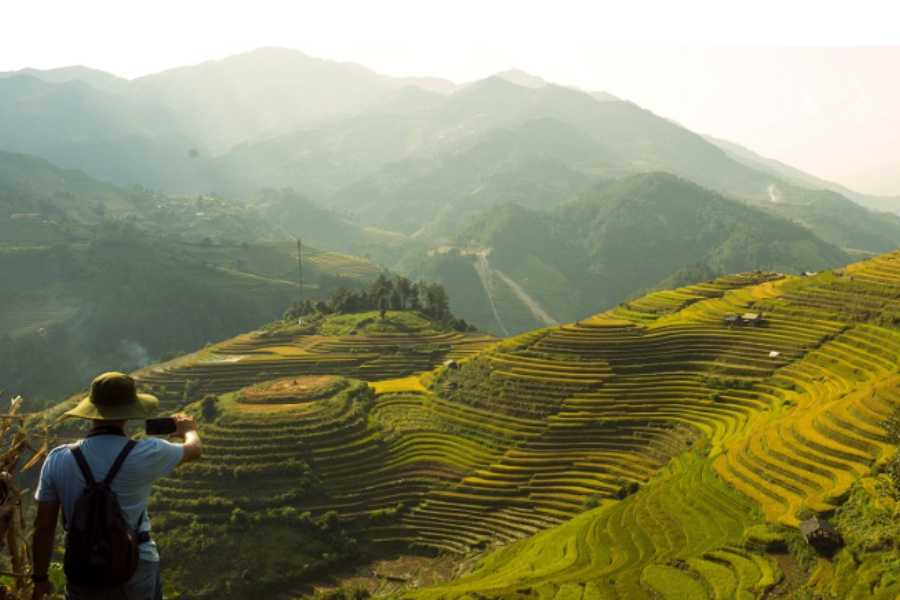
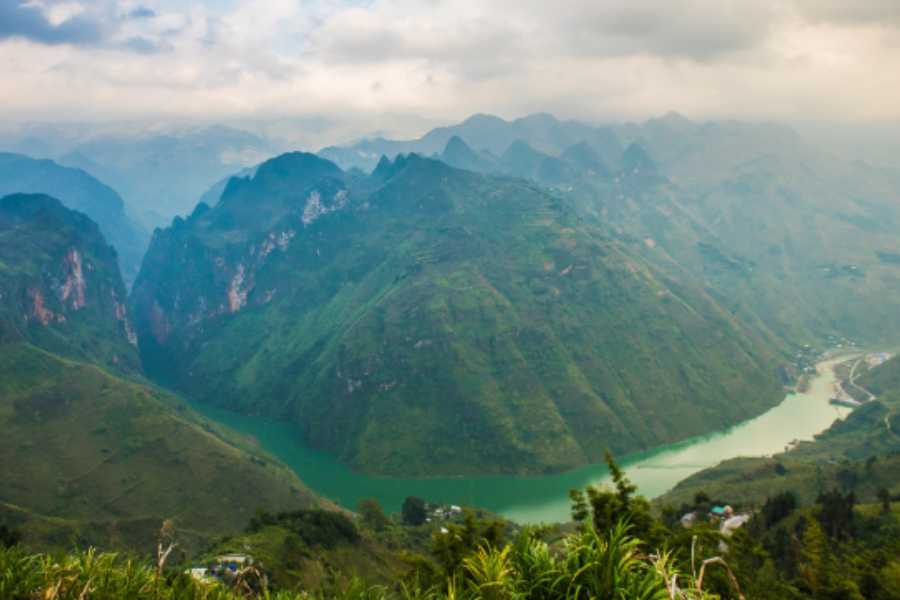
Mu Cang Chai is a rural district located in Yen Bai Province, in the northwest region of Vietnam. Nestled in the Hoang Lien Son mountain range, it lies roughly 280 kilometers northwest of Hanoi, making it a moderately long but highly rewarding journey.
This area sits at the gateway to the mountainous north, bordered by Lai Chau and Lao Cai provinces, and is surrounded by picturesque valleys, forested hills, and of course - its world-renowned terraced rice fields. The district capital, also called Mu Cang Chai, serves as the main hub for travelers and has basic guesthouses, eateries, and access to nearby villages like La Pan Tan and Che Cu Nha.
Best Travel Routes: By Car, Motorbike, or Bus
There are several ways to reach Mu Cang Chai, each offering a different kind of experience:
- By private car or Van: This is the most comfortable option, especially if you're traveling with a group or family. The journey from Hanoi takes about 7 to 9 hours, depending on traffic and stops. Most routes follow National Highway 32 through Thanh Son - Nghia Lo - Tu Le before arriving in Mu Cang Chai.
- By Motorbike: For adventure seekers, riding a motorbike is the most immersive way to experience the landscape. The roads are winding and mountainous but offer breathtaking views and plenty of photo stops. Make sure you're confident in your riding ability and check your bike thoroughly before the trip.
- By Bus: Several sleeper and daytime buses depart from My Dinh or Giap Bat bus stations in Hanoi and head to Mu Cang Chai town. The ride typically takes around 10 hours. It’s a more budget-friendly option, though less flexible if you want to stop along the way. Many travelers prefer combining this route with travel packages for Vietnam to ensure convenience and added cultural experiences along the journey.
Some travelers also choose to break the trip with an overnight stay in Nghia Lo or Tu Le, which helps split the journey and gives you a chance to explore more of Yen Bai’s rural charm.
Tips for a Scenic Road Trip via Nghia Lo or Tu Le
One of the most scenic ways to approach Mu Cang Chai is by taking National Highway 32 through Nghia Lo and Tu Le, both lovely stopovers in their own right.
Nghia Lo is a small town surrounded by green rice fields and home to many Thai ethnic communities. It makes a perfect first-night stop if you're driving up from Hanoi.
Tu Le is well-known for its hot springs, mountain views, and sticky rice. It's also a great spot for paragliding during certain festivals and has a handful of charming homestays.
This route also includes the famous Khau Pha Pass, one of Vietnam’s most dramatic mountain passes. Driving through it, especially in the early morning when mist rolls through the valleys, is a highlight of any northern Vietnam road trip.
Best Time to Visit Mu Cang Chai
Rice Season Highlights: Planting vs. Harvesting (May vs. September)
Mu Cang Chai is most famous for its stunning terraced rice fields, and the best time to visit largely depends on which stage of the rice season you want to witness:
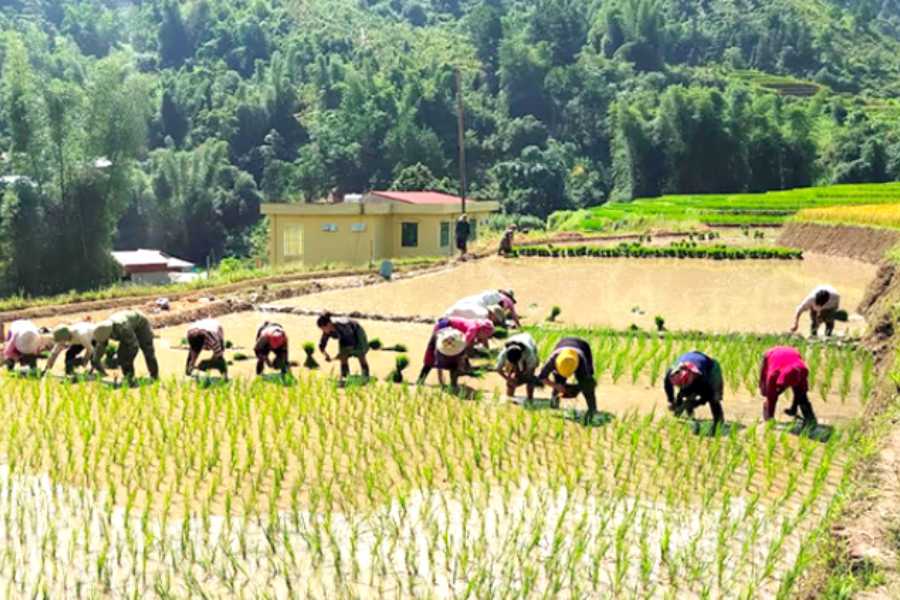
- Late May to Early June - Watering and Planting Season: This is when the rice terraces are filled with water, creating a mirror-like effect that reflects the sky, clouds, and surrounding mountains. Farmers begin planting rice seedlings, and the landscape transforms into shimmering steps of silver and green. It’s a magical time for photography and cultural observation.
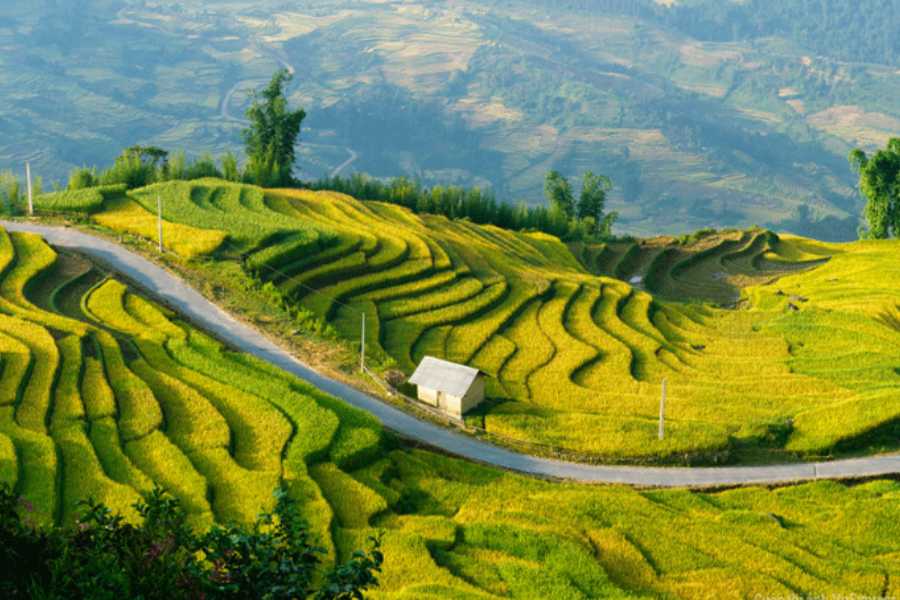
- Late September to Early October - Harvest Season: This is the peak season for visiting Mu Cang Chai. The rice fields turn into waves of golden yellow, creating a breathtaking contrast against the dark green hills. It’s the most photogenic time of year, especially during sunrise and sunset. Local festivals often take place during this time, adding a cultural bonus to your trip.
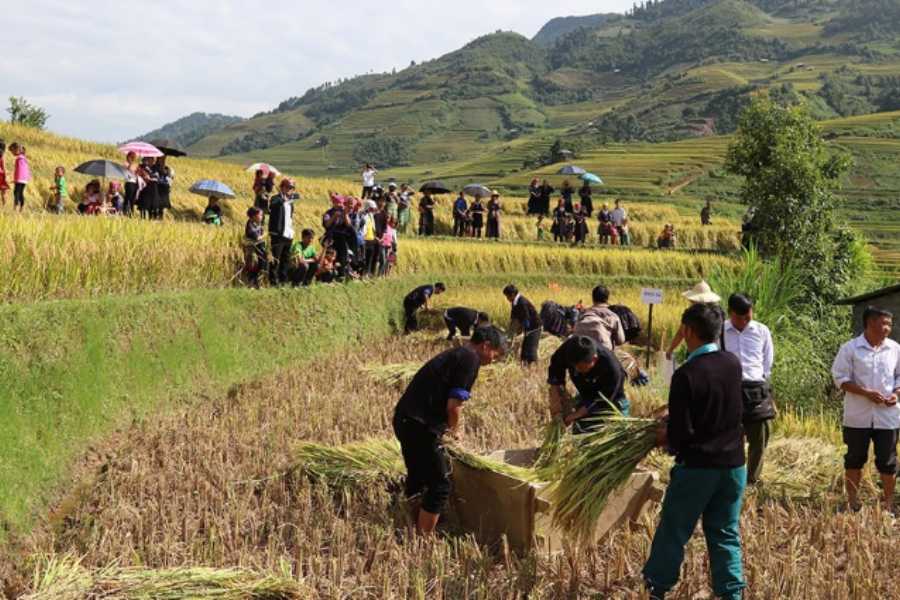
Both seasons are beautiful in their own way, so the best time depends on whether you prefer the cool, reflective beauty of the planting season or the vibrant, colorful energy of harvest.
Weather and Crowd Insights by Month
Mu Cang Chai has a mild mountain climate with distinct dry and wet seasons. Here’s what to expect throughout the year:
- March to May: Dry and cool, ideal for trekking and exploration. May marks the start of the planting season.
- June to August: Rainy season with occasional landslides. Lush greenery but less ideal for travel due to road conditions.
- September to October: The golden harvest season. Cool temperatures, clear skies, and busy trails. Expect more tourists and photographers.
- November to February: Cold, foggy, and less scenic as the rice fields are barren. However, it's a peaceful time with fewer crowds.
When to Go for the Best Photography Conditions
If you’re traveling to Mu Cang Chai for photography, timing is everything. Here’s how to catch the perfect shot:
- Golden Hour Light: Sunrise and sunset during late September are ideal for soft golden tones across the rice terraces.
- Drone Shots: Early mornings with mist rising from the valley (especially around La Pan Tan and Mam Xoi Hill) create dramatic aerial scenes.
- Water-Filled Fields in May: Reflections in the flooded terraces during planting season offer abstract, mirror-like compositions perfect for landscape photography.
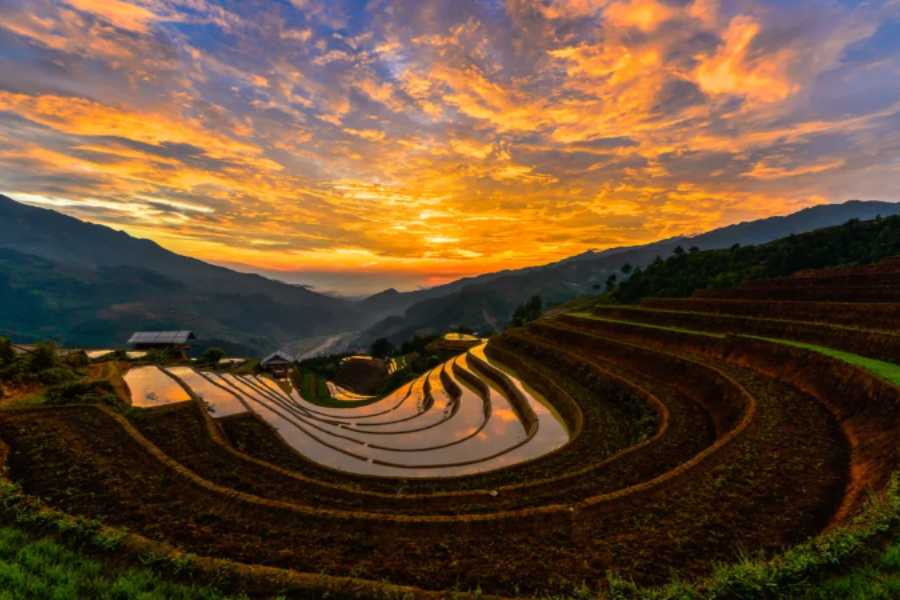
To avoid haze, aim for clear post-rain mornings or days with strong visibility after light showers. And for truly iconic shots, plan to visit during Mu Cang Chai’s Rice Terrace Festival if it aligns with your schedule.
Top Things to Do in Mu Cang Chai
Trekking Through Rice Terraces in La Pan Tan, Che Cu Nha, and De Xu Phinh
Trekking is the most immersive way to explore Mu Cang Chai’s iconic terraced rice fields. The region’s most breathtaking landscapes are found in:
La Pan Tan: Known for its vast and intricate rice terraces, this area is a UNESCO-recognized cultural heritage site. Trails take you through curving paddies and hillside Hmong villages, offering sweeping views and up-close moments with local farmers at work.
Che Cu Nha: Less touristy but equally stunning, Che Cu Nha has steep terraced slopes and a peaceful, authentic vibe. It’s great for those looking to avoid crowds.
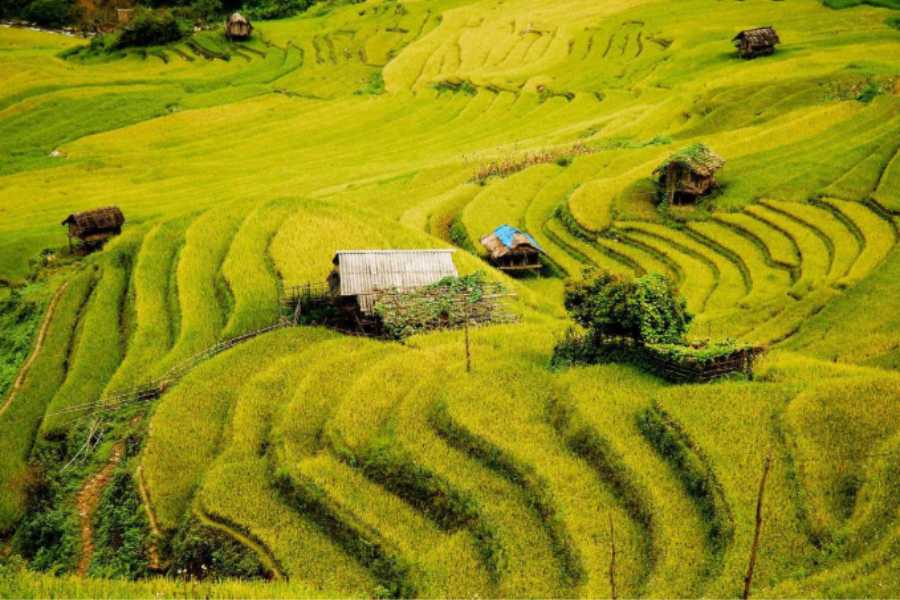
De Xu Phinh: Another gem with beautiful terraces and warm local hospitality. This area is often part of longer trekking loops and is rich in traditional architecture and culture.
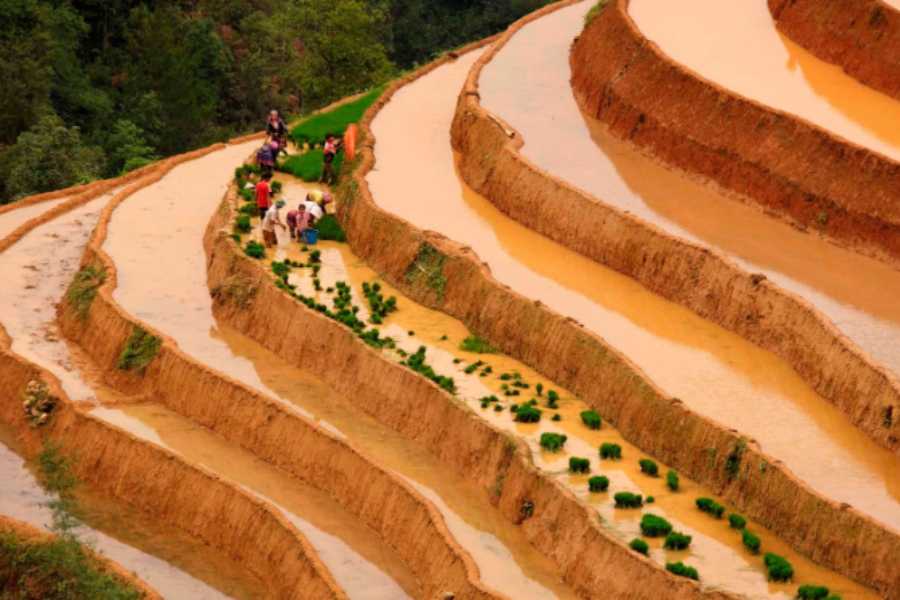
Most treks range from a few hours to multi-day routes and can be arranged with local guides who provide cultural context and help you connect with villages along the way.
Homestays with Local Ethnic Families (Thai & Hmong)
Staying in a local homestay is one of the most memorable and meaningful experiences in Mu Cang Chai. You'll have the chance to:
- Sleep in traditional wooden stilt houses.
- Share home-cooked meals made from fresh, local ingredients.
- Learn about ethnic customs, from weaving and dyeing fabrics to seasonal rituals and farming techniques.
Many homestays are run by Thai or Hmong families, who are proud to share their culture and offer warm, personal hospitality. It’s a chance to slow down, disconnect from city life, and experience rural Vietnam on its own terms.
Paragliding Over the Terraces (Khau Pha Pass Festival)
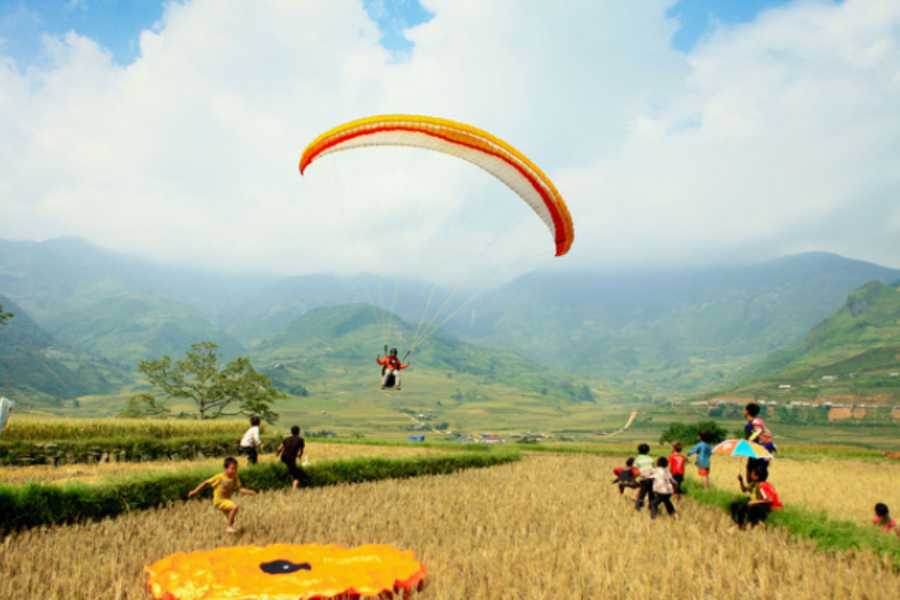
For adventure seekers, paragliding over Khau Pha Pass is a once-in-a-lifetime experience. Every year in late September or early October, during the rice harvest, Mu Cang Chai hosts the Khau Pha Paragliding Festival, attracting pilots and thrill-seekers from across Vietnam and beyond.
You’ll glide over golden rice terraces, winding rivers, and majestic mountains, with breathtaking views in every direction. Paragliding flights are well-organized and safe, often done in tandem with professional instructors. Even if you don’t take to the skies, simply watching the colorful paragliders float above the golden fields from Khau Pha Pass is a spectacular and unforgettable experience in itself.
Visit Local Markets and Cultural Villages
Markets in Mu Cang Chai are not just places to shop-they are cultural gatherings full of color, sound, and life. Markets rotate between villages and often take place weekly.
- Traditional Clothing: Local women wear beautifully embroidered Hmong or Thai garments, especially during market days.
- Handmade Crafts: You’ll find indigo-dyed textiles, silver jewelry, and bamboo products made by hand.
- Fresh Produce & Street Food: Try local treats like sticky rice (xôi ngũ sắc), grilled meats, and mountain-grown fruits.
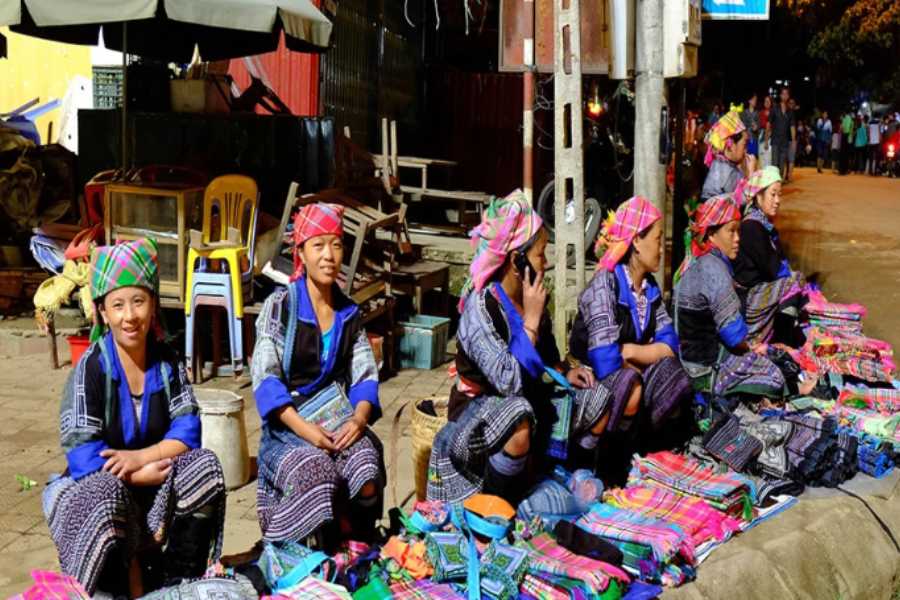
Visiting ethnic villages like Lim Mong or Nam Co also provides deeper insight into the daily lives, spiritual beliefs, and communal traditions that shape life in this mountainous region.
Where to Stay in Mu Cang Chai
Best Homestays for Authentic Experiences
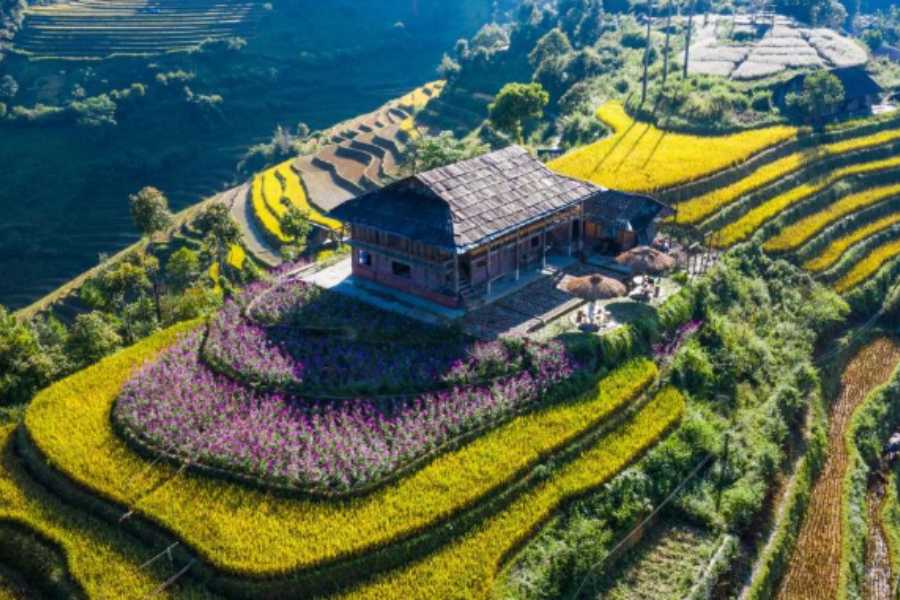
Staying in a local homestay is the most rewarding way to experience Mu Cang Chai. Many homes are run by ethnic Thai or Hmong families who warmly welcome guests into traditional stilt houses. These stays offer more than just a bed - you’ll share home-cooked meals, join in daily life, and learn about local customs. Villages like La Pan Tan, Lim Mong, and Nam Co have some of the best-known homestays. Don’t expect luxury, but you’ll be surrounded by stunning rice terrace views, fresh mountain air, and genuine hospitality that makes you feel like part of the community.
Boutique Lodges with Mountain Views
For travelers who want more comfort without losing the charm of the countryside, Mu Cang Chai also offers a growing number of boutique-style lodges. These are often eco-conscious and locally owned, blending traditional design with modern touches. You’ll find cozy private rooms, beautiful balconies, and sweeping views of the rice terraces - especially in areas like Tu Le or near Khau Pha Pass. Many lodges can help arrange treks, paragliding, or local experiences, making them ideal for couples or families seeking a scenic retreat with thoughtful service.
Budget-Friendly Options for Backpackers
Backpackers and solo travelers will find plenty of affordable options in Mu Cang Chai, including dorm-style guesthouses, basic homestays, and rustic bungalows. While amenities may be simple, the prices are low, and the atmosphere is friendly and social. Most budget stays are located in or near the town center, where you’ll have access to markets, eateries, and motorbike rentals. If you’re traveling on a shoestring, this is the perfect way to experience Mu Cang Chai without sacrificing the chance to explore its breathtaking landscapes. Many tour operators also design the Best Vietnam Holiday Packages for Every Budget, making it easier for travelers to combine comfort with affordability.
What to Eat in Mu Cang Chai
Must-Try Local Dishes: Sticky Rice, Bamboo Pork, Grilled Fish
Mu Cang Chai is not just a feast for the eyes - it’s also a place to enjoy simple, flavorful mountain cuisine made with fresh, local ingredients.
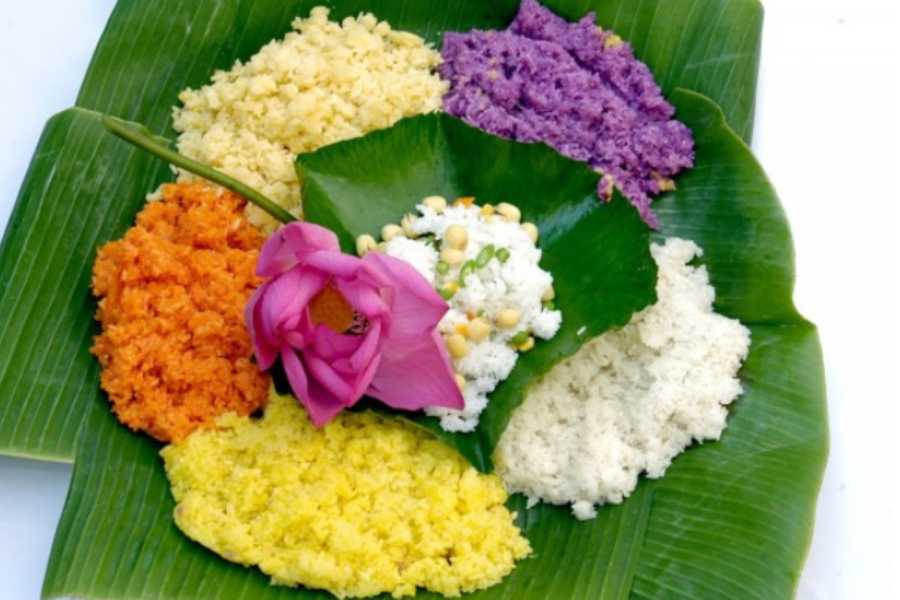
Xoi ngu sac (Five-colored sticky rice): This vibrant sticky rice is naturally dyed using leaves and flowers from local plants, creating striking hues of green, purple, yellow, pink, and white. Beyond its beautiful appearance, it carries a delicate fragrance and slightly sweet flavor. It is typically served with toasted sesame salt or alongside grilled meats, making it a staple at festivals and celebrations.
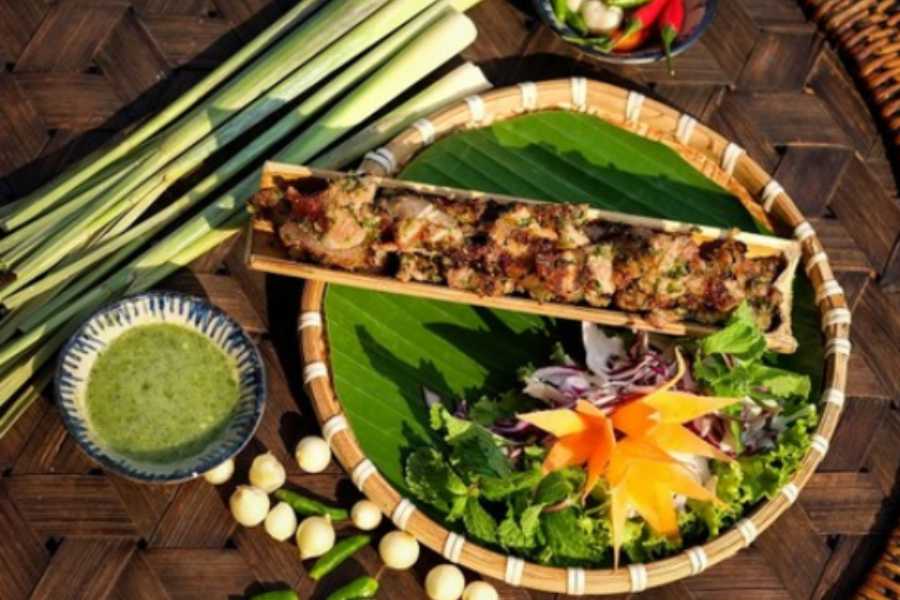
Pork cooked in bamboo tube: A unique specialty of the Thai ethnic community, this dish involves marinating fresh pork with an aromatic blend of local herbs and spices. The pork is then packed inside hollow bamboo tubes and slow-cooked over an open flame. The bamboo imparts a subtle smoky, earthy aroma to the meat, which comes out tender, juicy, and infused with herbal flavors - a true taste of mountain cuisine.
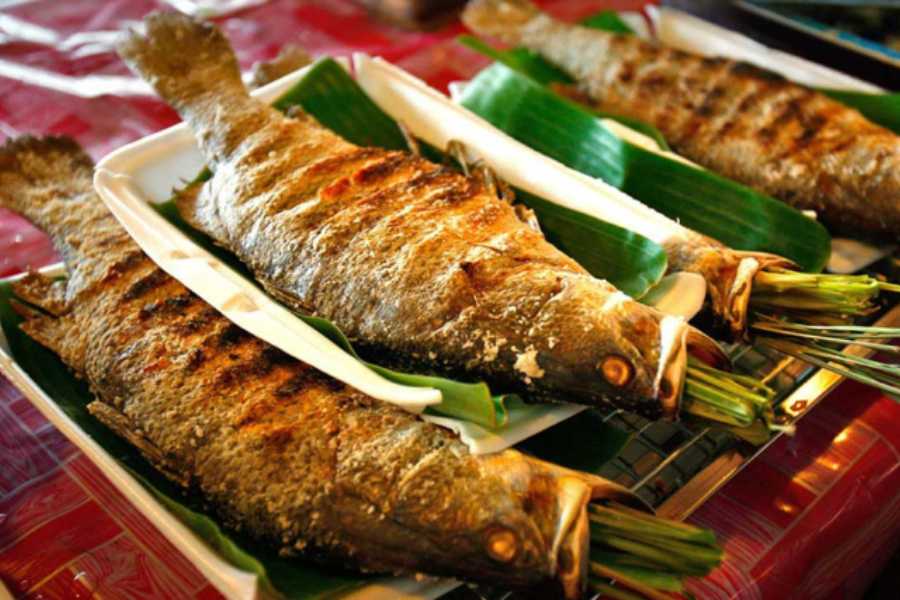
Grilled stream fish: Sourced fresh from the clear mountain brooks of Mu Cang Chai, these small fish are cleaned and seasoned with fragrant lemongrass, chili, and other indigenous spices before being grilled over charcoal. The result is a simple yet intensely flavorful dish that highlights the freshness of the fish and the boldness of local seasoning, perfect for anyone seeking authentic regional seafood.
Food Experiences in Homestays vs. Local Restaurants
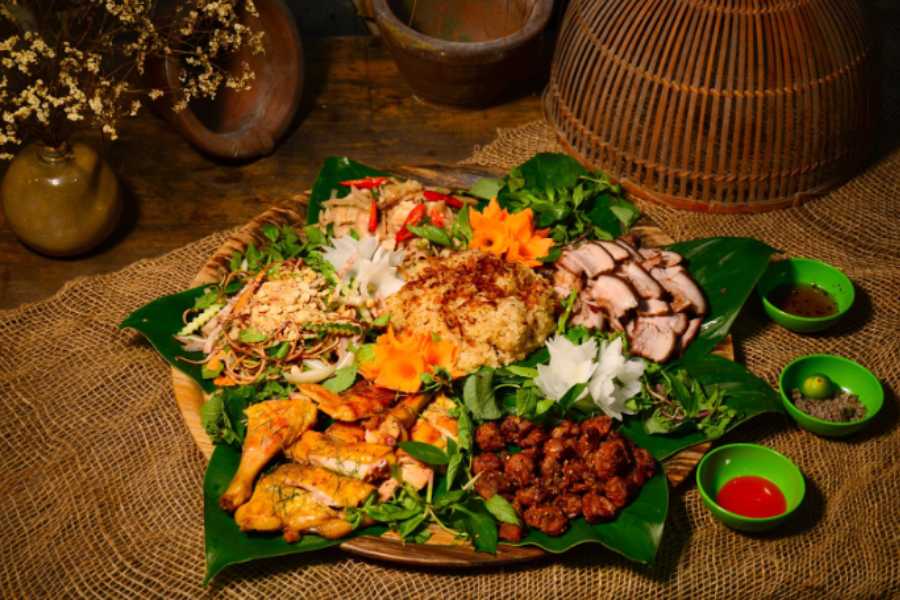
Meals at homestays are often the highlight of the experience. Hosts typically prepare meals from scratch using what’s available in the garden or market that day. Expect hearty portions of rice, seasonal vegetables, local herbs, and dishes like fried tofu, mountain chicken, or bamboo shoots. It’s not fancy, but it’s fresh, healthy, and cooked with care - and you’ll usually eat together with the family or other travelers, which adds to the warmth.
On the other hand, local restaurants in Mu Cang Chai town offer quick meals with a broader selection. You’ll find pho, noodle soups, grilled meats, and stir-fried dishes. While they may not have the same homey touch as a homestay meal, they’re a good option for convenience and variety, especially if you’re passing through town between treks.
Where to Find Safe, Tasty Street Food
Street food in Mu Cang Chai is limited compared to bigger cities, but what you find is generally safe, affordable, and delicious. Small roadside stalls and markets sell snacks like sticky rice with grilled meat, bánh cuốn (steamed rice rolls), and boiled corn or sweet potatoes, especially in the early morning or evening.
Look for vendors with clean setups, busy with locals - a good sign of both hygiene and flavor. Night markets or weekend fairs in the town center are your best bet for sampling local bites in a lively setting. While the options are humble, they offer a window into local food culture and are perfect for a quick, tasty meal after a day of exploring.
Travel Tips for Visiting Mu Cang Chai
What to Pack for Mountain Weather and Rural Conditions
Mu Cang Chai’s weather can be quite variable, especially given its mountainous terrain and high elevation. Be sure to pack layers - lightweight clothes for the warm daytime, a good jacket or fleece for chilly mornings and evenings, and waterproof gear if you’re visiting during the rainy season (May to September). Durable hiking shoes or boots are a must for trekking the terraces and uneven village paths. Don’t forget sun protection like a hat, sunglasses, and sunscreen, plus insect repellent to keep bugs at bay in rural areas.
Connectivity, ATM Access, and Language Barriers
Connectivity in Mu Cang Chai is limited compared to urban centers. Mobile phone coverage is patchy in remote areas, so don’t expect constant internet access. If you need to stay connected, consider buying a local SIM card in Hanoi or at the provincial capital. ATMs are sparse and mostly found only in the main town center, so carry enough cash when heading to villages. English is not widely spoken outside of guesthouses or tour operators, so learning some basic Vietnamese phrases or using a translation app can be very helpful for communication.
Responsible Tourism: Supporting Local Communities
Mu Cang Chai’s beauty relies heavily on its ethnic minority communities and their traditional way of life. When visiting, aim to support local families by staying in homestays, buying handmade crafts, and hiring local guides. Respect cultural customs - dress modestly, ask before photographing people, and be mindful of sacred sites. Avoid leaving trash behind, and try to minimize your environmental footprint. By traveling responsibly, you help preserve Mu Cang Chai’s natural landscapes and vibrant cultures for future generations to enjoy.
FAQs About Mu Cang Chai
Is It Worth Visiting Without a Guide?
Independent visits to Mu Cang Chai require confidence in rural navigation and familiarity with local roads, often involving motorbike travel. Guides enhance the experience by offering deep cultural knowledge, safer access to remote areas, and communication assistance. For visitors unfamiliar with the region or with limited time, guided tours provide efficient and insightful exploration.
How Many Days to Stay in Mu Cang Chai?
A recommended duration is 2 to 3 full days, sufficient to explore the iconic rice terraces in villages such as La Pan Tan, Che Cu Nha, and De Xu Phinh. This timeframe also accommodates immersive stays in homestays, participation in local cultural activities, and optional adventures like paragliding. Shorter visits of one day may limit the ability to fully appreciate the landscape and culture, especially considering travel time from major cities.
Can You Combine It with Sapa or Ha Giang?
Combining Mu Cang Chai with other northern mountain destinations such as Sapa or Ha Giang offers a diverse experience of Vietnam's highland regions. Each location presents unique scenery, ethnic cultures, and outdoor activities. Travel itineraries often include these three destinations to maximize exposure to the varied landscapes and cultural richness of Northern Vietnam.
Final Thoughts: Is Mu Cang Chai Vietnam's Most Underrated Destination?
Real Traveler Reviews & Recommendations
Travelers often praise Mu Cang Chai for its stunning terraced rice fields, authentic ethnic culture, and peaceful atmosphere. Many highlight the welcoming local communities and the immersive experiences offered by homestays. The area is considered less crowded than other northern destinations, making it ideal for travelers seeking tranquility and off-the-beaten-path adventure.
When and How to Plan Your Trip
The best time to visit is during the rice planting season in May or the harvest season in September for spectacular landscapes. For hassle-free planning, you can book through Threeland Travel - Vietnam Travel Agency, which offers well-curated travel packages for Vietnam, ensuring a smooth and immersive journey. Planning travel from Hanoi or nearby cities requires arranging transportation in advance, whether by private car, motorbike, or local bus. Booking homestays early is advised during peak seasons to ensure availability. Preparing for variable mountain weather by packing appropriate clothing enhances the experience.
Suggested Itinerary Extensions (e.g. Nghia Lo, Sapa)
Nghia Lo offers additional scenic rice terraces and cultural experiences and is a natural stop when traveling to or from Mu Cang Chai. Sapa provides a more developed tourist infrastructure and access to other ethnic minority groups and mountain treks. Combining these destinations creates a comprehensive northern Vietnam itinerary showcasing diverse landscapes and cultures.
Also Read: Vietnam in November: The Ultimate Guide for American Travelers
Turn This Into Your Real Trip
Let our local experts design the perfect itinerary for you. It’s free, personalized, and take less than 24 hours !
 No obligation100% personalizedBest Price Guarantee2M$ Liability Insurance

.jpg&w=828&q=75)