





Planning a vietnam trip? Let us help.
Get personalized travel plan based on your interest, budget and preferred travel dates
Is Vietnam safe for solo and female travelers in 2026? Discover real safety insights, common risks, and practical travel advice for exploring Vietnam alone with confidence.
TABLE OF CONTENTS
1
How Safe Is Vietnam for Solo Travelers and Female Travelers in 2026?
What It Feels Like Traveling Alone in Vietnam
Daytime Safety and Nighttime Security
Solo Travel in Cities vs. Rural Areas
2
Is Vietnam Safe for Female Travelers Traveling Alone?
Cultural Attitudes Toward Women in Vietnam
Is Street Harassment Common?
Tips for Feeling Comfortable and Confident
3
The Most Common Safety Concerns in Vietnam
Transportation Safety for Solo and Female Travelers
Health and Food Safety in Vietnam
Safest Places to Visit in Vietnam for Solo Travelers
Practical Safety Advice for First-Time Solo Visitors
4
Frequently Asked Questions (FAQ)
How Safe Is Vietnam for Solo Travelers and Female Travelers in 2026?
Yes, Vietnam is widely considered one of the safest countries in Southeast Asia for solo travelers. Violent crime is rare, tourism infrastructure is strong, and independent travelers are a common sight across the country.
In 2026, Vietnam will feel more accessible than ever. From bustling cities to peaceful countryside, solo travel here is not only possible, but it’s also enjoyable.
What It Feels Like Traveling Alone in Vietnam
One of the reasons Vietnam feels safe is its vibrant street life. Public spaces are rarely empty. Cafes spill onto sidewalks, food vendors serve late into the evening, and families gather outdoors after work.
In cities like Hanoi, walking alone does not draw attention. Solo travelers blend in naturally. Many visitors describe Vietnam as “socially safe”, meaning there is almost always activity around you, even at night.
Daytime Safety and Nighttime Security
During the day, exploring independently is straightforward. Tourist areas are well organized, and locals are generally helpful if you need directions.
At night, central districts in major cities remain lively and well-lit. Solo travelers commonly dine out, stroll through markets, or return to their accommodation after dark without feeling unsafe. As in any destination, staying in central neighborhoods and avoiding isolated alleys is simply good travel practice.
Solo Travel in Cities vs. Rural Areas
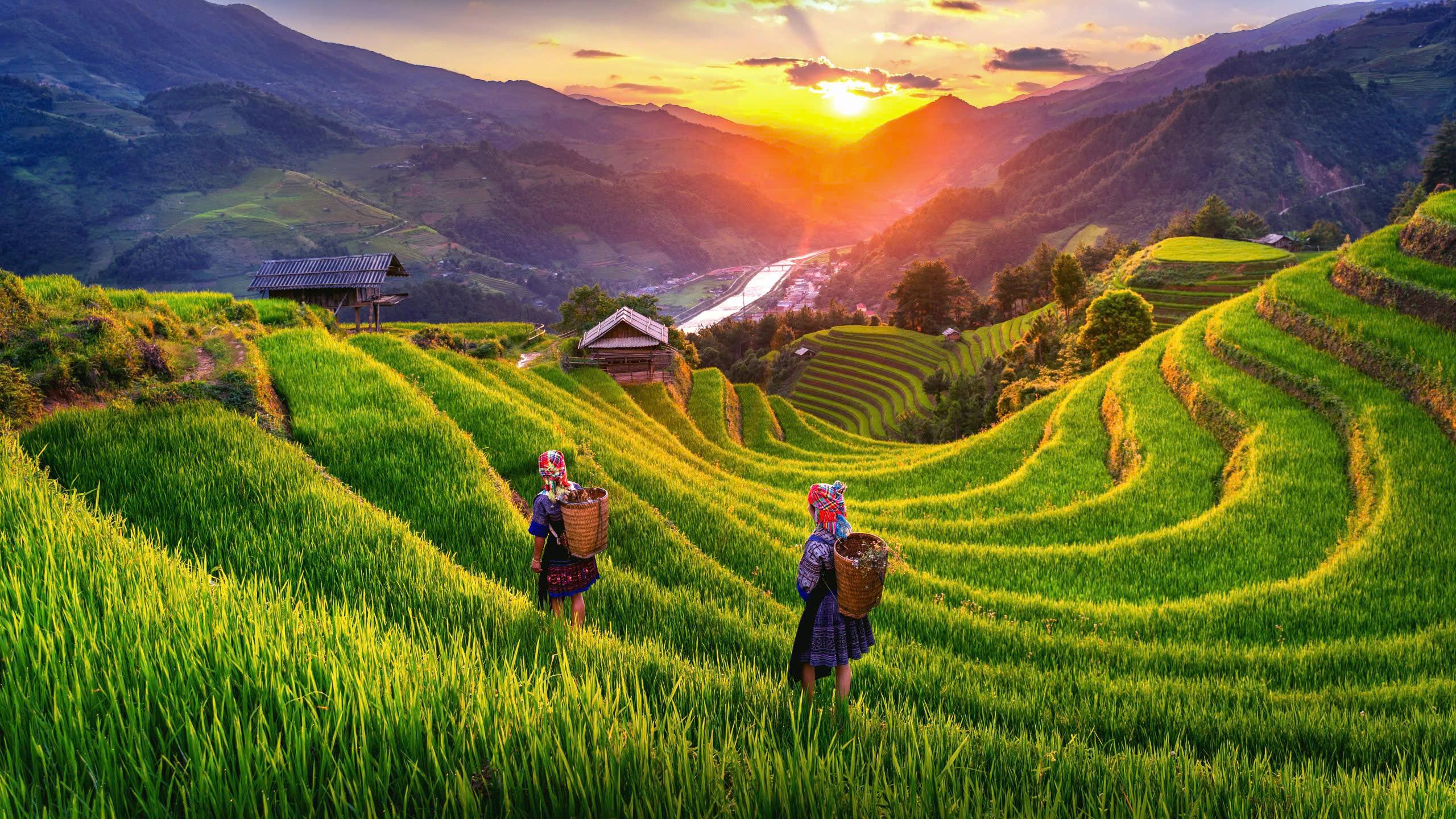
Urban centers like Ho Chi Minh City offer convenience, reliable transportation, and English-speaking services. Rural areas and mountain regions feel quieter but remain welcoming.
In remote areas, fewer people speak English, but safety risks remain low. The main adjustment is communication, not security.

Is Vietnam Safe for Female Travelers Traveling Alone?
Vietnam is also considered very safe for female travelers. Women traveling alone are a familiar presence in tourist destinations, and aggressive harassment is uncommon.
Cultural Attitudes Toward Women in Vietnam
Vietnamese culture values respect and modesty. While the society has conservative elements, interactions with visitors are typically polite and reserved.
In destinations such as Hoi An, solo female travelers are extremely common, and walking alone does not attract unwanted attention.
Read more: Do and Don’t in Vietnam: The Ultimate Traveler’s Guide
Is Street Harassment Common?
Compared to many global destinations, street harassment levels in Vietnam are low. In smaller towns, you may notice curiosity or occasional staring, but it rarely escalates beyond that.
Most female travelers report feeling observed out of interest rather than intimidation.
Tips for Feeling Comfortable and Confident
Dressing modestly in temples and rural communities shows cultural awareness and often makes travelers feel more comfortable. Choosing centrally located accommodation with strong reviews adds peace of mind.
Above all, confidence and awareness, the same qualities that support safe travel anywhere, are more than enough in Vietnam.
The Most Common Safety Concerns in Vietnam
When travelers worry about safety in Vietnam, they usually imagine serious crime. In reality, the most common issues are minor and manageable.
Petty theft can occur in busy areas, particularly in parts of Ho Chi Minh City. Bag snatching from motorbikes has been reported, though it is not widespread. Wearing a cross-body bag, keeping your phone secure, and staying aware of traffic significantly reduces risk.
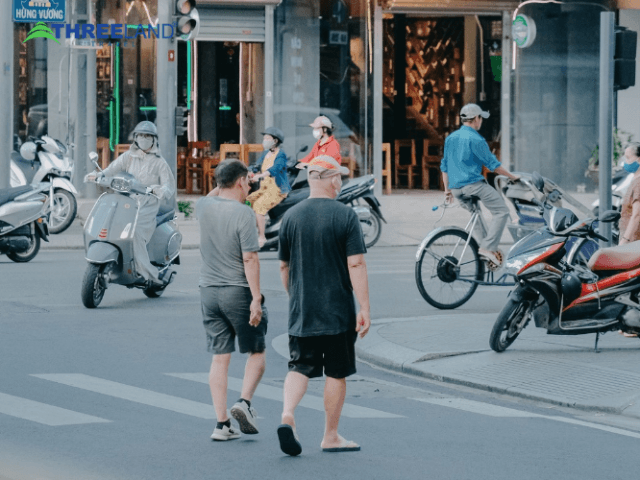
Traffic itself is often the biggest challenge for first-time visitors. Motorbikes dominate the streets, and crossing the road may feel chaotic at first. However, traffic flows predictably. Walking slowly and confidently allows drivers to move around you. Most travelers adapt within a day or two.
Tourist scams tend to be small-scale, such as inflated taxi fares or unclear pricing. Using reputable ride-hailing apps, confirming prices beforehand, and booking tours through trusted providers prevent most issues.
Overall, safety in Vietnam is about awareness, not fear.
Transportation Safety for Solo and Female Travelers
Vietnam’s transport system supports independent travel rather than complicating it.
Ride-hailing apps are widely used in major cities and offer transparent pricing. Traditional taxis are also available, though choosing reputable companies is recommended.
Domestic flights connect major destinations quickly and safely. Trains provide scenic coastal routes and are considered secure for solo travelers. Backpackers commonly use overnight buses and trains. While generally safe, some female travelers prefer private train cabins or daytime travel for added comfort.
Long-distance buses are budget-friendly, though comfort levels vary by operator. Reading reviews before booking helps ensure a smoother journey.
In short, transportation in Vietnam is reliable, affordable, and solo-travel friendly. Many solo travelers choose to book private transfers or guided day tours through reputable local agencies for added comfort, especially on their first visit to Vietnam.
Health and Food Safety in Vietnam
Food is one of Vietnam’s greatest strengths. Street food is fresh, flavorful, and central to daily life. Hygiene concerns are often exaggerated.
Busy stalls with high turnover usually indicate freshness. Vietnamese cuisine relies heavily on cooked dishes, fresh herbs, and rapid preparation, reducing many risks.
Major cities such as Ha Noi and Ho Chi Minh City have international clinics and modern healthcare facilities. Pharmacies are easy to find, and the staff is generally helpful.
Travel insurance is strongly recommended, not because Vietnam is unsafe, but because it allows you to travel confidently and handle unexpected situations without stress.
Read more:
Travel Insurance: Why It’s Essential and How to Choose the Right Plan
Vietnam Street Food Guide | What to Eat Beyond Pho & Banh Mi
Safest Places to Visit in Vietnam for Solo Travelers
While most of Vietnam is safe, some destinations feel particularly comfortable for independent visitors.
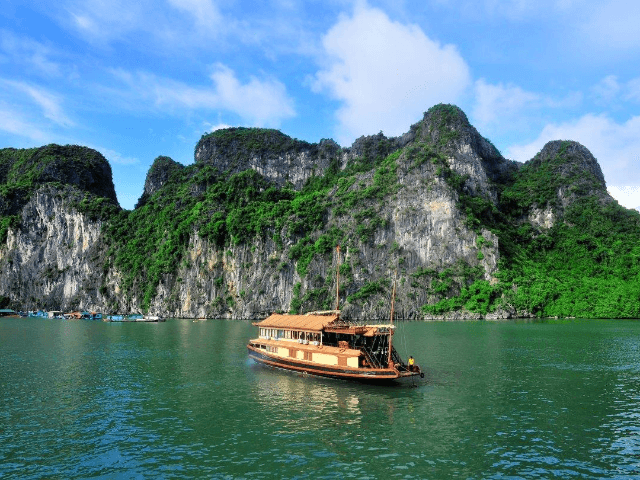
Hanoi combines cultural depth, lively neighborhoods, and easy access to natural wonders like Ha Long Bay. Organized cruises and structured tours make exploration seamless.
Hoi An is compact, walkable, and calm in the evenings, a favorite among solo female travelers.
Ho Chi Minh City offers modern infrastructure, vibrant nightlife, and a strong international community. Though traffic is heavier, the city is accustomed to foreign visitors.
Across regions, Vietnam’s tourism network makes solo travel both accessible and rewarding. A well-designed itinerary crafted by local experts can help solo travelers explore confidently while discovering authentic experiences beyond the typical tourist path.
Practical Safety Advice for First-Time Solo Visitors
Preparation builds confidence. A local SIM card ensures access to navigation, transport apps, and instant communication. Reliable internet makes moving around much easier.
Choosing centrally located accommodation with strong reviews enhances both comfort and convenience.
Respecting local customs, dressing appropriately at religious sites, and maintaining polite interactions create positive experiences.
Most solo and female travelers leave Vietnam feeling empowered, often surprised by how manageable and welcoming the country feels.
For travelers who prefer additional reassurance, working with a trusted local travel agency can make the experience even smoother, from arranging reliable transport to recommending carefully selected accommodation.
Read more: Vietnam Travel Tips for First-Time Visitors - 2026 Guided
Final Thoughts: Should You Travel Solo to Vietnam?
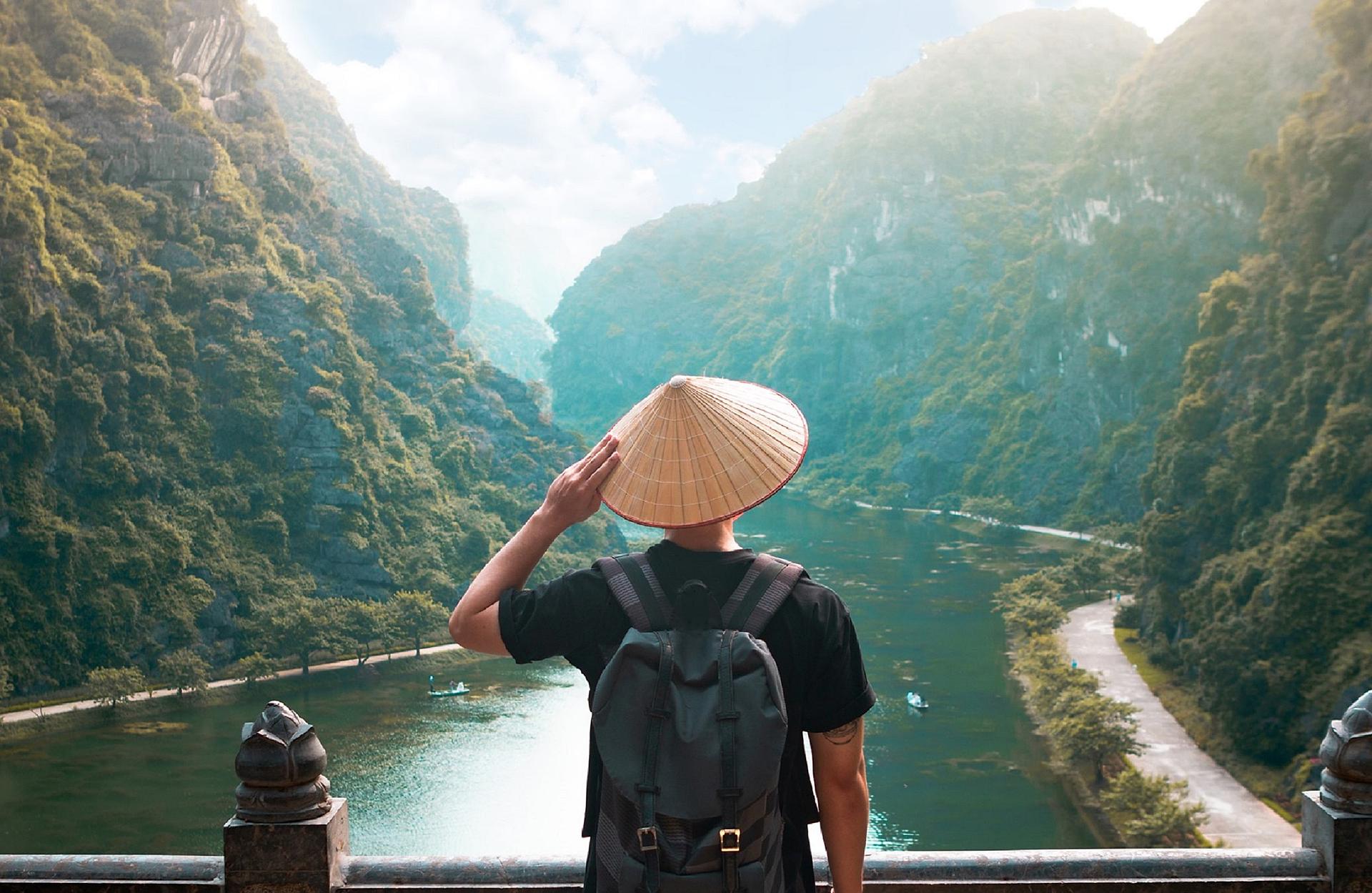
Absolutely. Vietnam is not only safe for solo and female travelers but also one of the most rewarding destinations in Asia to explore independently.
Its welcoming culture, affordable services, and vibrant public life create an environment where travelers feel supported rather than vulnerable.
With simple preparation and awareness, Vietnam in 2026 offers a confident, enriching solo travel experience. For those seeking a more seamless experience, private guides, curated accommodations, and carefully planned logistics can transform a solo trip into a stress-free and deeply enriching journey.
Read more: How to Plan a Vietnam Trip in 2026: A Complete Travel Guide
Frequently Asked Questions (FAQ)
Is Vietnam safe for solo female travelers?
Yes. Vietnam has low violent crime rates, respectful cultural norms, and strong tourism infrastructure, making it safe for most solo female travelers.
Is it safe to walk alone at night in Vietnam?
In busy tourist areas of major cities, generally yes. Staying in central, well-lit neighborhoods is recommended.
What is the biggest safety concern in Vietnam?
Petty theft and traffic-related challenges are more common than violent crime.
Is Vietnam safer than other Southeast Asian countries?
Vietnam is often regarded as one of the safer destinations in the region for independent travelers.
Do I need a tour for safety in Vietnam?
Not necessarily. Independent travel is common and safe, but guided experiences can add comfort and cultural insight, especially for first-time visitors.
Read more: Vietnam Travel FAQs - Everything First-Time Visitors Should Know
Turn This Into Your Real Trip
Let our local experts design the perfect itinerary for you. It’s free, personalized, and take less than 24 hours !
 No obligation100% personalizedBest Price Guarantee2M$ Liability Insurance