



Planning a vietnam trip? Let us help.
Get personalized travel plan based on your interest, budget and preferred travel dates
Explore Vietnam tours for second-time travelers with luxury escapes and offbeat destinations like Ha Giang, Phong Nha, Con Dao, and hidden coastal gems.
TABLE OF CONTENTS
1
Why is Vietnam Ideal for a Second Visit?
2
Best Places to Visit in Vietnam for Second-Time Travelers
Ha Giang – Scenic Mountain Escape
Phong Nha – Cave Adventure Destination
Con Dao – Luxury & Seclusion
Quy Nhon – Hidden Coastal Gem
Cao Bang & Ban Gioc Waterfall
3
Unique Experiences for Second-Time Travelers
4
Sample Vietnam Luxury Travel Itinerary (10 Days)
5
Combine Vietnam with Southeast Asia
6
Travel Tips for Second-Time Travelers
7
Plan Your Second Vietnam Trip with Experts
8
FAQs
Where should I go in Vietnam for a second trip?
Is Vietnam worth visiting twice?
What are hidden gems in Vietnam?
How long should a second Vietnam trip be?
So you’ve already fallen in love with Vietnam.
You’ve wandered the bustling streets of Hanoi’s Old Quarter, cruised through the emerald waters of Ha Long Bay, walked across the golden bridge in Da Nang, and explored the ancient lantern-lit town of Hoi An.
Perhaps you’ve even ventured into the Cu Chi Tunnels near Ho Chi Minh City or tasted pho on a street corner in Saigon.
Now what?
If you’re like many travelers who discover Vietnam’s magic, one visit is simply not enough.
The country stretches over 1,600 kilometers from north to south, and beyond the well-trodden tourist trail lies a Vietnam that most first-time visitors never see.
This is your invitation to return not as a novice, but as a seasoned explorer ready to uncover the country’s most extraordinary secrets.
In this guide, we’ll take you beyond the usual spots to discover remote mountains, untouched caves, secluded islands, and cultural experiences that redefine what luxury Vietnam Tours can offer.
Whether you’re seeking adrenaline-fueled adventures or tranquil luxury escapes, working with a trusted Vietnam tours service provider can unlock doors to destinations most travelers only dream about.
What makes a second trip to Vietnam different? Simply put: depth. First-time visitors typically cover the highlights.
Second-time travelers can slow down, venture off the beaten path, and immerse themselves in authentic experiences that reveal Vietnam’s true soul from motorbiking through misty mountain passes to sleeping in eco-luxury resorts on uninhabited islands.
Why is Vietnam Ideal for a Second Visit?
 Vietnam is not a one-hit wonder. It’s a symphony of landscapes, cultures, and experiences that reward those who return for an encore.
The country’s S-shaped geography creates dramatic contrasts: snow-capped mountains in the north, pristine coastlines in the center, and lush Mekong Delta waterways in the south.
This diversity means you could visit Vietnam five times and still discover something new.
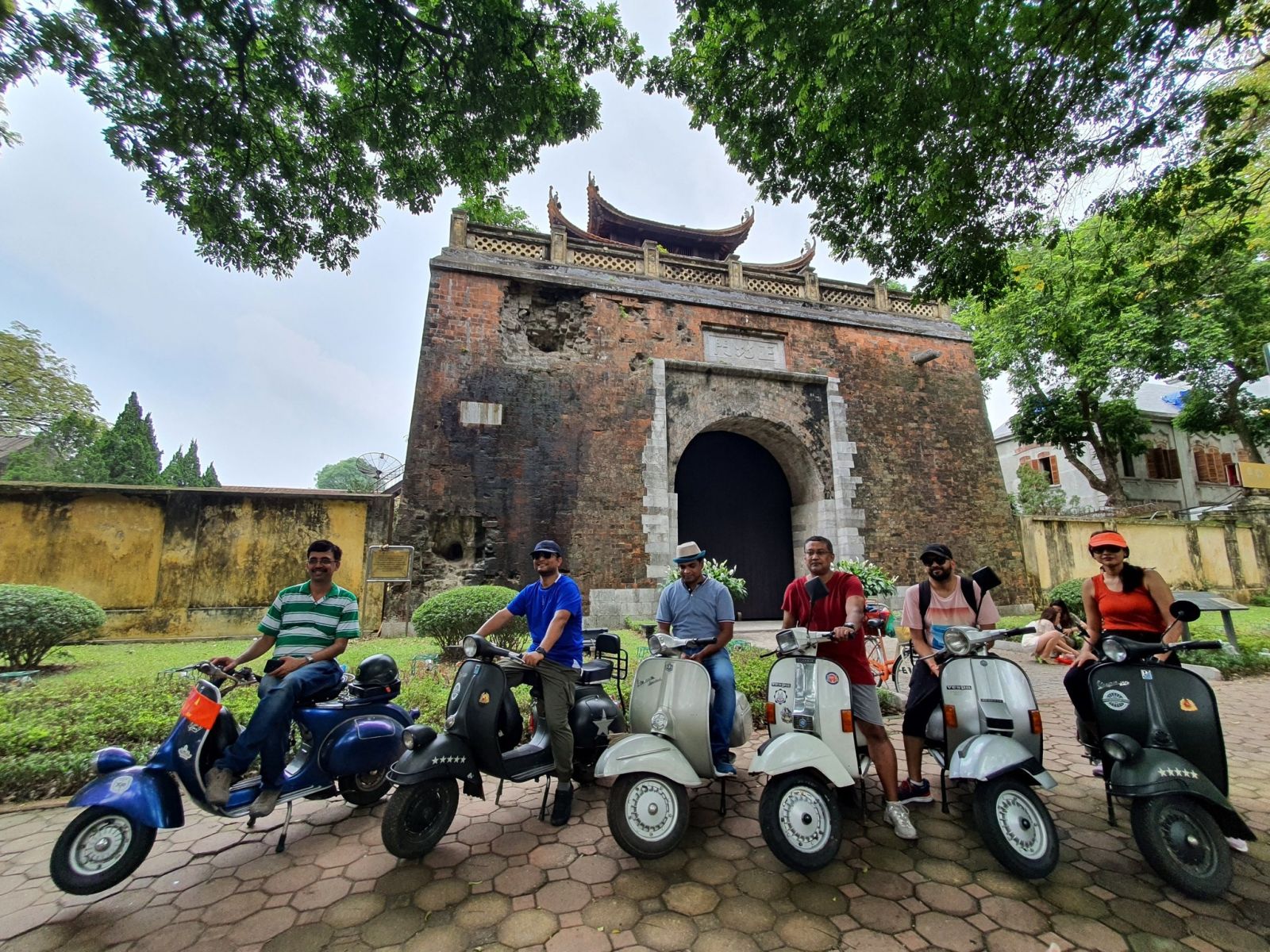
For returning travelers, the opportunity lies in slow travel. Rather than rushing between cities, you can spend four or five days in a single region, truly understanding its rhythm.
You can wake up in a remote homestay overlooking rice terraces, learn the name of your host’s children, and watch the sunrise paint the mountains gold not from a tour bus window, but from your private balcony.
Partnering with an experienced Vietnam Tours Company transforms this vision into reality. Local experts know which roads are safe, which seasons reveal each destination at its best, and which hidden homestays or boutique resorts offer authentic luxury without crowds.
For travelers seeking luxury travel experiences in Vietnam, the difference between a good trip and an extraordinary one often comes down to local knowledge and seamless logistics.
The best luxury Vietnam tours don’t just upgrade your hotels they upgrade your entire perspective. Imagine a private guide who knows the best time to visit Ban Gioc Waterfall when the light hits just right, or a chef who prepares a regional feast using ingredients foraged that morning. These are the moments that define a second visit.
Best Places to Visit in Vietnam for Second-Time Travelers
Ha Giang – Scenic Mountain Escape
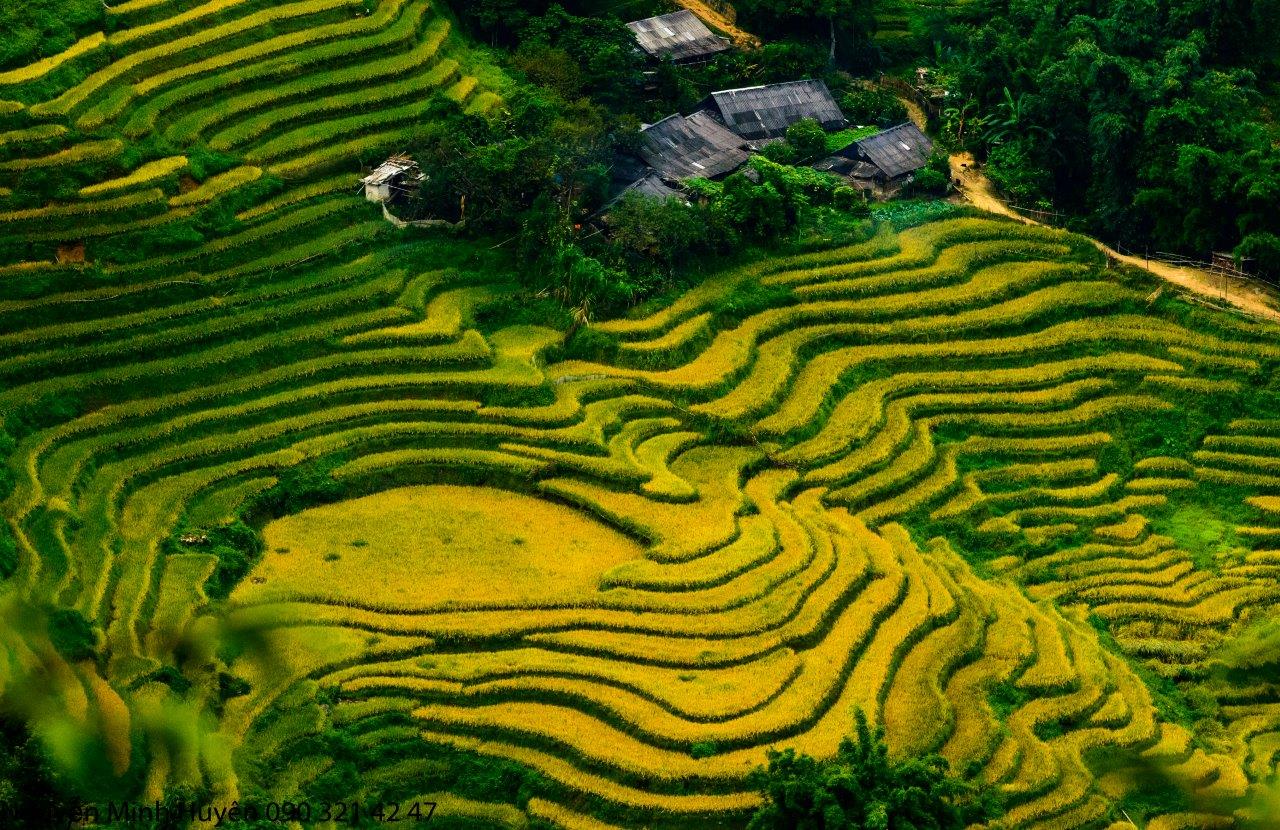 Perched on Vietnam’s northernmost frontier, Ha Giang is the crown jewel of offbeat travel. This limestone karst plateau, recognized as a UNESCO Global Geopark, offers some of Southeast Asia’s most dramatic driving routes.
The famous Ha Giang Loop stretches over 300 kilometers of winding mountain roads, passing through deep canyons, bamboo forests, and villages perched impossibly on cliff edges.
What makes Ha Giang special for returning travelers is its authenticity. Unlike Sapa, which has become heavily commercialized, Ha Giang retains a raw, untouched quality.
The region is home to 19 distinct ethnic minority groups, including the Hmong, Tay, and Dao people, many of whom still wear traditional clothing and practice centuries-old customs.
A trek through terraced rice fields might lead you to a Red Dao herbal bath prepared by village elders, or a shared meal of thang co (a traditional Hmong stew) around a smoky fire.
For those seeking private Vietnam travel experiences, Ha Giang delivers exclusivity without pretension. Helicopter transfers from Hanoi can whisk you to this remote region in under two hours, followed by stays in eco-lodges with floor-to-ceiling windows overlooking the valleys.
How many days should you spend in Ha Giang? A minimum of three to four days allows you to complete the loop at a comfortable pace, with stops for photography, village visits, and overnight stays in authentic accommodations.
Phong Nha – Cave Adventure Destination
If Ha Long Bay is Vietnam’s famous maritime wonder, Phong Nha-Ke Bang National Park is its underground counterpart and it’s arguably even more spectacular.
This UNESCO World Heritage site contains the world’s largest cave system, including Son Doong Cave, so massive it has its own river, jungle, and weather system.
For second-time travelers seeking exclusive Vietnam travel experiences, Phong Nha offers adventures that few places on Earth can match.
While Son Doong requires multi-day expeditions with permits limited to just 1,000 visitors annually, other caves like Hang En (the world’s third-largest) and Paradise Cave (featuring 31 kilometers of glittering formations) are more accessible yet still awe-inspiring.
Luxury travelers need not rough it entirely. Several eco-resorts near the park entrance offer premium accommodations with private plunge pools, farm-to-table dining, and spa treatments after long trekking days.
The dry season from February to August provides the best conditions for cave exploration.
Con Dao – Luxury & Seclusion
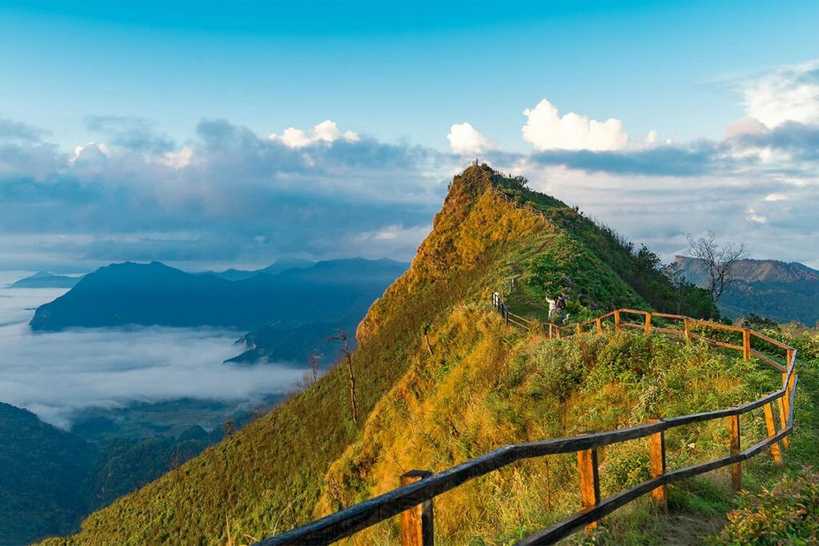 Sixteen islands form the Con Dao archipelago, located 180 kilometers off Vietnam’s southern coast. For decades, this was known primarily as the site of French colonial prisons a dark chapter in Vietnam’s history.
Today, Con Dao has transformed into one of Southeast Asia’s most exclusive island retreats, far removed from the crowded beaches of Nha Trang or Phu Quoc.
What makes Con Dao exceptional is its untouched marine environment. The surrounding waters are protected as a national park, meaning coral reefs remain vibrant, sea turtles nest on deserted beaches, and the diving rivals Thailand’s best spots without the crowds.
Only one main island (Con Son) is developed, and even then, development remains low-rise and eco-conscious.
For travelers investing in high-end Vietnam travel packages, Con Dao delivers privacy and natural beauty in equal measure.
The Six Senses Con Dao resort sets the standard, with 50 villas cascading down a hillside to a private beach.
Each villa features recycled hardwoods, floor-to-ceiling windows, and outdoor showers luxury designed to blend with nature rather than dominate it.
Quy Nhon – Hidden Coastal Gem
Most travelers race between Hoi An and Nha Trang, completely missing Quy Nhon a coastal city that locals have quietly enjoyed for years.
This is Vietnam’s “undiscovered coast,” where long crescent beaches remain empty even during peak season, and fishing boats still launch traditional coracles into turquoise waters.
What sets Quy Nhon apart is its relaxed authenticity. There are no mega-resorts or nightclubs here. Instead, you’ll find family-run seafood restaurants serving grilled scallops and mantis shrimp, Cham temple ruins dating back to the 11th century, and a promenade perfect for sunset cycling.
The nearby Ky Co Beach, accessible only by boat, rivals any Caribbean paradise with its crystal-clear water and powdery white sand.
Cao Bang & Ban Gioc Waterfall
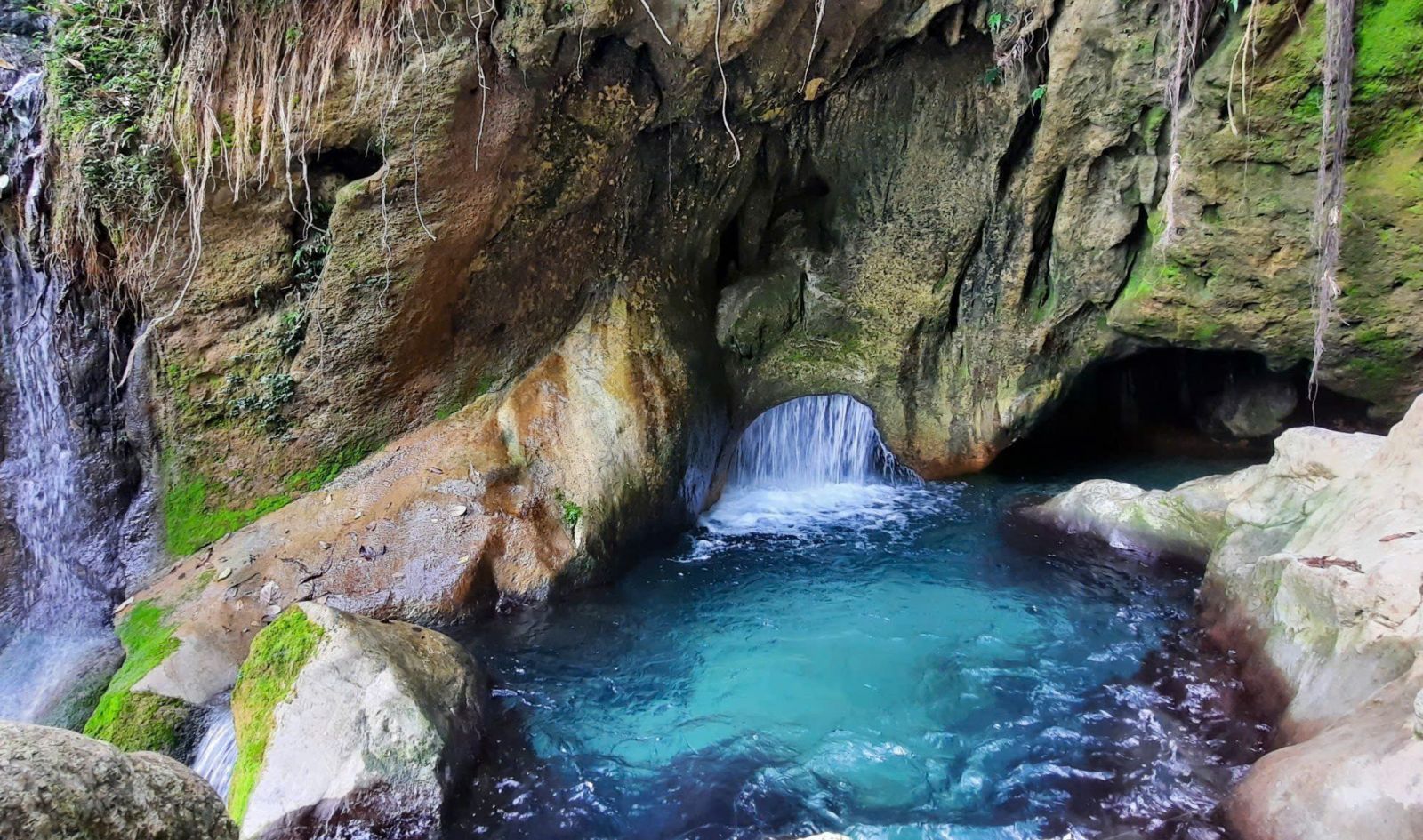 While Ha Giang gets the attention, neighboring Cao Bang province holds one of Vietnam’s most spectacular natural wonders: Ban Gioc Waterfall.
Straddling the Chinese border, these cascading falls stretch over 300 meters wide and drop 30 meters into a jade-green pool.
Unlike Niagara or Victoria Falls, Ban Gioc remains refreshingly undeveloped you can swim in the plunge pool or rent a bamboo raft to approach the cascading mist.
The journey to Ban Gioc is itself an adventure. From Cao Bang city, the 90-kilometer drive passes through limestone mountains, rice paddies, and remote villages where you’re more likely to encounter water buffalo than other tourists.
The nearby Nguom Ngao Cave features 2,000 meters of illuminated passages, and the Pac Bo historical site marks where Ho Chi Minh returned to Vietnam after 30 years in exile.
Unique Experiences for Second-Time Travelers
.jpg) Returning to Vietnam isn’t just about new places it’s about deeper experiences. Here’s what sets a second trip apart:
Returning to Vietnam isn’t just about new places it’s about deeper experiences. Here’s what sets a second trip apart:
- The Ha Giang Loop by Premium Motorbike: Skip the cramped tour buses. Private luxury motorbike tours provide high-quality bikes, professional guides, and support vehicles carrying your luggage. You focus on the curves while experts handle navigation, meals, and stays in boutique mountain lodges.
- Private Cave Expeditions: While Son Doong requires joining group expeditions, other caves can be explored privately. Exclusive Vietnam travel experiences include chartered boat access to remote cave entrances, personal speleologist guides, and gourmet picnics set up inside underground chambers.
- Luxury Island Stays Beyond Con Dao: Consider the Nam Du or Ba Lua archipelagos, where a handful of eco-resorts offer complete seclusion. These islands have no ATMs, no nightlife, and often no Wi-Fi just turquoise water, swaying coconut palms, and the sound of waves.
- Cultural Immersion with Local Artisans: Private Vietnam travel experiences extend beyond scenery. Spend two days learning traditional batik from Cham weavers, forge knives with a Hmong blacksmith, or prepare seven-course feasts with a Hue royal chef. These are the memories that last long after tans fade.
- Regional Food Exploration: Vietnam’s cuisine varies dramatically by region. In Ha Giang, sample thang co (horse meat stew with organ meats) and buckwheat cakes. In Phong Nha, try loc bac (grilled stream fish wrapped in wild betel leaves). In Quy Nhon, feast on banh hoi (fine rice noodle webs) topped with grilled pork. A second trip allows you to eat like a local, not a tourist.
What’s the single best experience for second-time travelers? For most, it’s the Ha Giang Loop combining adventure, culture, and landscapes found nowhere else on Earth. Allow at least four days, travel during buckwheat flower season (October-November), and consider a private guide who can introduce you to Hmong and Dao village elders.
Sample Vietnam Luxury Travel Itinerary (10 Days)
This Vietnam luxury travel itinerary is designed specifically for returning travelers seeking a balance of adventure, culture, and relaxation. This best Vietnam itinerary 10 days focuses on northern and central Vietnam’s offbeat destinations while maintaining premium accommodations and private transfers throughout.
Day 1–2: Hanoi
- Private airport transfer to luxury hotel (Sofitel Legend Metropole or Capella Hanoi).
- Day two: private food tour with bun cha (Obama’s spot) and egg coffee; tour company reviews your itinerary.
Day 3–5: Ha Giang
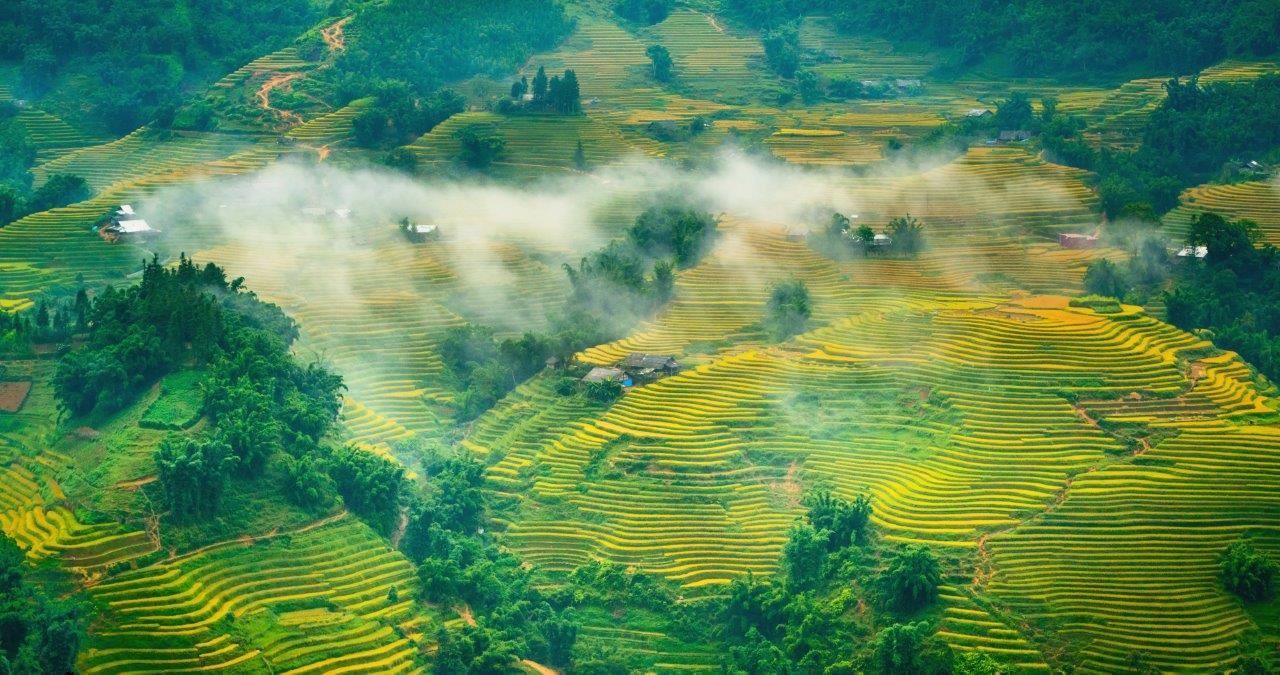
- Morning private flight or luxury van (3–4 hours) to Ha Giang.
- Three days on the Ha Giang Loop by premium motorbike or 4x4; stays at eco-lodges. Highlights: Ma Pi Leng Pass, Sunday markets, homestay dinner with Hmong family.
Day 6–7: Phong Nha
- Fly back to Hanoi, then connect to Dong Hoi (1-hour flight).
- Two days of caving: Paradise Cave (dry passages) and a half-day trek to Hang En Cave (swimming, picnic lunch). Stay at Chay Lap Farmstay or Phong Nha Lake House Resort.
Day 8–9: Quy Nhon
- Fly from Dong Hoi to Quy Nhon (via Hanoi or direct charter).
- Two days of relaxation: kayak, snorkel at Ky Co Beach, visit Banh It Cham towers, spa treatments. Stay at Avani Quy Nhon Resort.
Day 10: Departure or Extension
- Morning at leisure; fly to Ho Chi Minh City or Da Nang for international departure.
- Option to extend with three days in Con Dao (additional flight from Ho Chi Minh City).
Combine Vietnam with Southeast Asia
.jpg) Vietnam’s location makes it the perfect anchor for a broader Southeast Asian journey. For travelers seeking luxury southeast Asia tours, consider these pairings:
Vietnam’s location makes it the perfect anchor for a broader Southeast Asian journey. For travelers seeking luxury southeast Asia tours, consider these pairings:
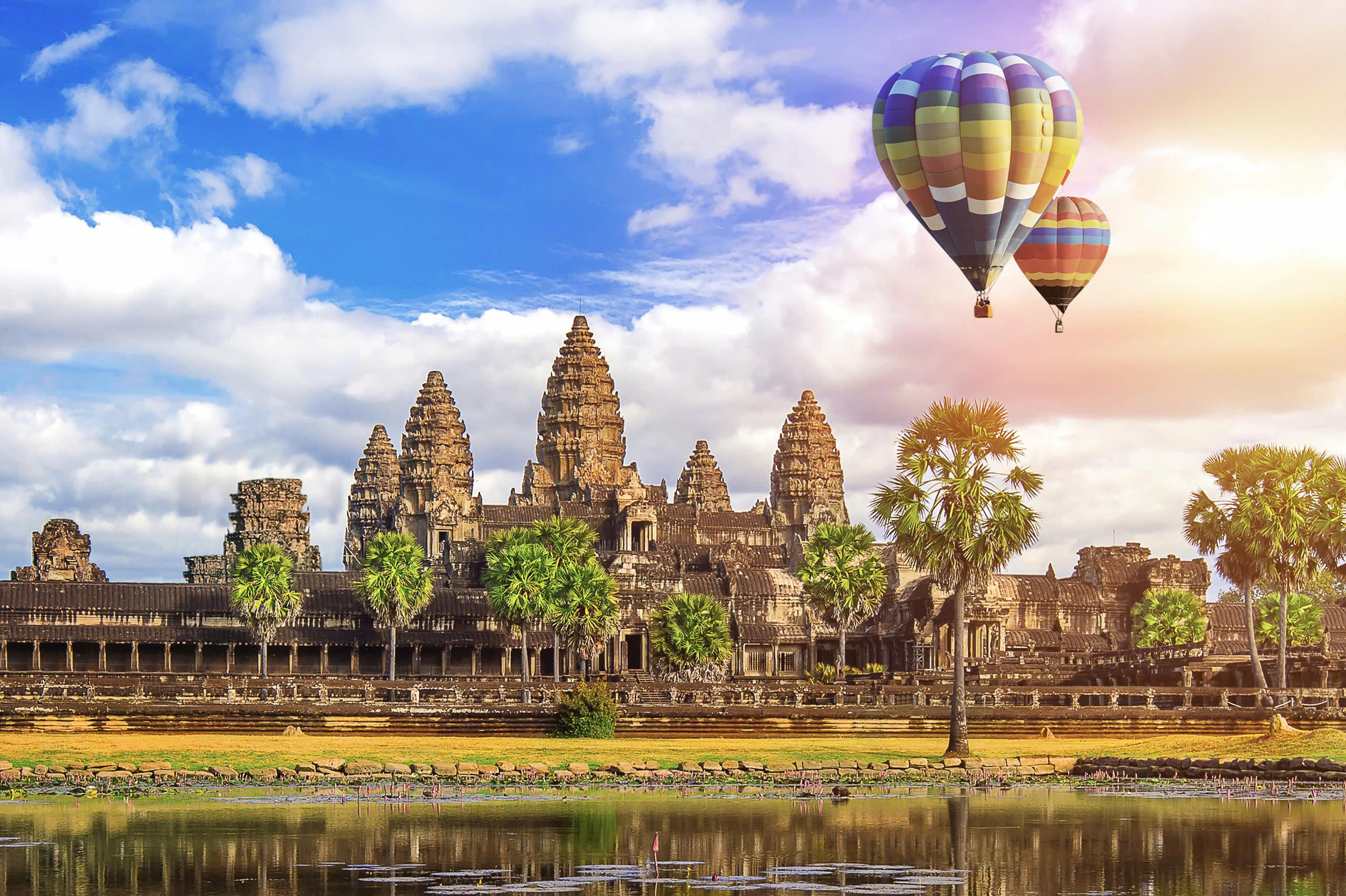
- Vietnam + Cambodia: Fly from Ho Chi Minh City to Siem Reap for Angkor Wat (1-hour flight), then continue to Phnom Penh or the southern beaches of Koh Rong. The contrast between Vietnam’s vibrant energy and Cambodia’s ancient temples creates a rich cultural tapestry.
- Vietnam + Laos: Combine northern Vietnam’s mountains with Luang Prabang’s UNESCO-listed temples and waterfalls. Direct flights from Hanoi to Luang Prabang (1.5 hours) make this an easy addition. Consider extending to Vientiane or the Plain of Jars.
- Vietnam + Thailand: For beach lovers, pair Con Dao or Phu Quoc with Thailand’s Andaman coast (Phuket, Krabi, Koh Lanta). Fly from Ho Chi Minh City to Phuket (1.5 hours) or Bangkok (1.5 hours) with multiple daily connections.
Vietnam Vacation Packages that include multiple countries often provide better value than booking separately. A 14-day Vietnam-Cambodia luxury tour might cost $5,500-$8,000 including all flights, guides, and five-star accommodations. The key advantage is seamless border logistics your Vietnam Travel Agency handles visas, transfers, and luggage, allowing you to focus entirely on the experience.
Travel Tips for Second-Time Travelers
- Travel Slower: You’ve already seen the highlights. Now spend 3-5 nights in each destination rather than 1-2. This reduces transit fatigue and allows genuine immersion.
- Choose Fewer Destinations: A common mistake is trying to “cover” even more ground on a second trip. Resist this urge. Three destinations over 12 days is better than six. Quality over quantity.
- Prefer Customized Itineraries: Cookie-cutter tours rarely serve second-time travelers well. The Best luxury Vietnam Tours for returning visitors are those designed around your specific interests whether that’s photography, trekking, cuisine, or history.
- Travel in Shoulder Season: Avoid December-January (peak tourist and cold in the north) and July-August (rainy in central regions). April-May and September-October offer ideal weather with thinner crowds.
- Learn Basic Vietnamese Phrases: A simple “cam on” (thank you) or “xin chao” (hello) goes much further in remote villages than in tourist centers. Locals in Ha Giang or Cao Bang rarely speak English a little effort earns tremendous goodwill.
- Pack Strategically: Remote areas require layers (mornings can be cold at 1,000+ meters elevation), sturdy footwear for caving and trekking, and modest clothing for village visits. Leave formal wear at home Vietnam remains refreshingly casual.
Plan Your Second Vietnam Trip with Experts
 Booking a second trip to Vietnam independently is possible but not advisable for offbeat destinations. Remote provinces have limited infrastructure, language barriers, and safety considerations (especially regarding road conditions and cave guides). A reputable Vietnam Tour Company provides:
- Personalized Itineraries built around your travel style, fitness level, and interests. Whether you want four days of hardcore trekking or a relaxed culinary tour, experts match experiences to your preferences.
- Access to Hidden Destinations through local partnerships. The best homestays, cave guides, and cultural experiences aren’t listed on major travel websites. Local operators secure these reservations and ensure quality standards.
- Seamless Travel Experience with 24/7 support. When you’re in Ha Giang and a landslide blocks the road, your Vietnam Travel Agency reroutes you, rebooks accommodations, and handles compensation all while you enjoy an unexpected village visit.
- Premium Vietnam Vacation Packages from companies like Threeland Travel (a leader in customized luxury travel) include private guides, first-class transportation, and exclusive experiences such as helicopter transfers, private cave dining, and after-hours temple access.
When evaluating Vietnam Travel packages for second-time travelers, ask specific questions: “What’s your cancellation policy for weather-related changes?” “Do your cave guides have professional certification?” “What’s the vehicle type for mountain transfers?” Reputable operators answer transparently.
FAQs
Where should I go in Vietnam for a second trip?
Ha Giang for mountain scenery, Phong Nha for cave adventures, Con Dao for secluded luxury, Quy Nhon for quiet beaches, and Cao Bang for Ban Gioc Waterfall. These five destinations offer the best balance of offbeat exploration and premium comfort for returning travelers.
Is Vietnam worth visiting twice?
Absolutely. Vietnam’s length and diversity mean one trip barely scratches the surface. Second visits allow deeper cultural immersion, access to remote regions, and slower, more meaningful travel experiences that first-time itineraries can’t accommodate.
What are hidden gems in Vietnam?
Ha Giang’s Ma Pi Leng Pass, Ban Gioc Waterfall in Cao Bang, the caves of Phong Nha (especially Hang En), Quy Nhon’s Ky Co Beach, and Con Dao’s uninhabited islands. Each remains significantly less visited than Ha Long Bay, Sapa, or Hoi An.
How long should a second Vietnam trip be?
7–12 days is ideal. Seven days allows focus on one region (e.g., northern mountains plus Hanoi). Ten days comfortably covers two regions (e.g., Ha Giang and Phong Nha). Twelve days permits three regions or the addition of beach time in Con Dao.
Turn This Into Your Real Trip
Let our local experts design the perfect itinerary for you. It’s free, personalized, and take less than 24 hours !
 No obligation100% personalizedBest Price Guarantee2M$ Liability Insurance
Alex Hoang

Follow Us