




Planning a vietnam trip? Let us help.
Get personalized travel plan based on your interest, budget and preferred travel dates
Experiential travel in Vietnam focuses on immersive, real-life experiences like local culture, food, and daily life instead of just sightseeing, creating deeper and more memorable journeys.
TABLE OF CONTENTS
1
What is Experiential Travel?
Definition and Concept
Difference from Traditional Sightseeing
Focus on Immersive and Meaningful Experiences
2
Why is Vietnam Perfect for Experiential Travel?
Strong Cultural Identity
Diverse Regions and Lifestyles
Easy Access to Local Experiences
3
How Traveler Preferences Are Changing?
Shift from Sightseeing to Experiences
Demand for Personalization
Focus on Authenticity
4
Popular Experiential Travel Experiences in Vietnam
Cultural Immersion
Food and Culinary Experiences
Nature and Adventure
Local Lifestyle Experiences
5
Role of Customized Travel in Experiential Tourism
6
Private vs Group Travel in Experiential Journeys
7
Why Experiential Travel Leads to Better Memories
8
How to Plan an Experiential Vietnam Trip
9
The Future of Travel in Vietnam
10
Why Expert Planning Enhances Experiential Travel
11
Plan a Meaningful Vietnam Journey
12
FAQs
For many years, travel to Vietnam meant something quite simple. Tourists would visit a few famous spots, take photos, check off landmarks from a list, and move on.
You might have seen the classic itinerary: Hanoi for two days, Ha Long Bay for a cruise, Hoi An for a walk, and Ho Chi Minh City for a quick look. That was the old way of traveling.
But something is changing. Travelers today want more than just pictures. They want to feel a place.
They want to taste real food cooked by local families, sleep in village homes, learn how to farm rice, and understand what daily life truly looks like in Vietnam. This new style is called experiential travel.
What is experiential travel, and why is it becoming so popular in Vietnam?
Experiential travel means stepping away from crowded tourist spots and diving into real, hands-on activities that connect you with local culture, people, and traditions.
Instead of just observing, you participate. Vietnam has become a top destination for this trend because of its rich culture, friendly people, and diverse landscapes.
In this blog, I will explain why experiential travel is transforming how visitors explore Vietnam. I will also show you how to plan your own meaningful journey using vietnam travel packages that focus on real experiences rather than just sightseeing.
What is Experiential Travel?
Before we go further, let us make sure we understand what experiential travel really means. The name sounds fancy, but the idea is simple.
Definition and Concept
Experiential travel is about doing, not just seeing. When you visit a new country, you can either stay on the surface or go deeper.
Surface travel means taking a bus to a monument, standing in line, snapping a photo, and leaving. Deep travel means sitting with a local family, learning to cook their traditional dish, or helping a farmer in the rice fields.
Experiential travel focuses on creating memories that stay with you because you were part of something real. It turns you from a passive visitor into an active participant.
Difference from Traditional Sightseeing
Traditional sightseeing often follows a fixed checklist. You visit the Eiffel Tower, the Colosseum, or the Great Wall. You see these places, but you do not truly experience the life around them.
Experiential travel asks different questions. Instead of "What can I see?" it asks "What can I do?" and "Who can I meet?"
Instead of spending hours on a tour bus, you spend time learning a craft, sharing a meal, or walking through a local market with someone who grew up there.
Focus on Immersive and Meaningful Experiences
The heart of experiential travel is immersion. You stay longer in one place. You choose activities that teach you something. You talk to people. You try things that feel unfamiliar at first. These moments become the ones you remember years later.
For Vietnam, this shift is powerful. The country offers countless chances to step into local life, from the mountains in the north to the delta in the south.
Why is Vietnam Perfect for Experiential Travel?
Vietnam is not a one-size-fits-all destination. Its long shape, varied geography, and rich history create many different worlds within a single country. This makes it ideal for travelers who want real experiences.
Strong Cultural Identity
Vietnam has kept its traditions alive despite rapid changes. In many places, you will see ancient customs still practiced daily. Villages still produce handicrafts the same way their ancestors did centuries ago. Festivals follow lunar calendars. Family remains the center of life.
When you visit Vietnam, you are not looking at a culture preserved in a museum. You are watching it breathe and move. That is rare and valuable.
Diverse Regions and Lifestyles
Northern Vietnam offers mountain villages where ethnic minority groups live in traditional houses on stilts. Central Vietnam gives you ancient towns, royal history, and fishing communities. Southern Vietnam opens into the Mekong Delta, where life flows along rivers and canals.
Each region feels different. The food changes. The accents change. The pace of life changes. You could spend weeks traveling and still find new ways of living. This diversity means experiential travelers never run out of authentic activities.
Easy Access to Local Experiences
Vietnam is also very welcoming. Many families open their homes to visitors. Homestays are common and affordable. Local guides are eager to share their knowledge.
Unlike some destinations where local interactions feel forced or commercial, Vietnam still offers genuine warmth.
When you book a Vietnam country tour designed for experiential travel, you will find that the hardest part is choosing which experiences to include. There are simply too many good options.
How Traveler Preferences Are Changing?
The rise of experiential travel did not happen by accident. Travelers themselves have changed. Let me explain what drives this shift.
Shift from Sightseeing to Experiences
Think about your own past trips. What do you remember most clearly? For most people, it is not the famous monument they saw from a distance. It is the unexpected conversation with a shopkeeper, the meal cooked by a grandmother, or the sunrise viewed from a homestay balcony.
Travelers today realize that checking off landmarks feels empty. They want stories to tell, not just photos to post. This has led to a massive shift in how people choose their trips.
Demand for Personalization
Nobody wants the exact same trip as everyone else anymore. Standard itineraries still exist, but more travelers ask for flexibility. They want to spend an extra day in a village they love. They want to skip a museum and take a bike ride through rice paddies instead.
Personalization is a key part of experiential travel. A good Vietnam trip package should allow you to adjust your plans based on your interests, not force you into a rigid schedule.
Focus on Authenticity
Authenticity is a word used often, but it matters. Travelers can tell when an experience is fake or staged. They want real interactions, not performances. They want to visit a market where locals actually shop, not one built only for tourists. They want to learn a craft from someone who practices it for a living, not an actor.
Vietnam delivers authenticity naturally because daily life is still visible. You do not have to search hard to find it.
Popular Experiential Travel Experiences in Vietnam
Now let me share specific examples of what experiential travel looks like on the ground in Vietnam. These are the kinds of activities you can include in your journey.
Cultural Immersion
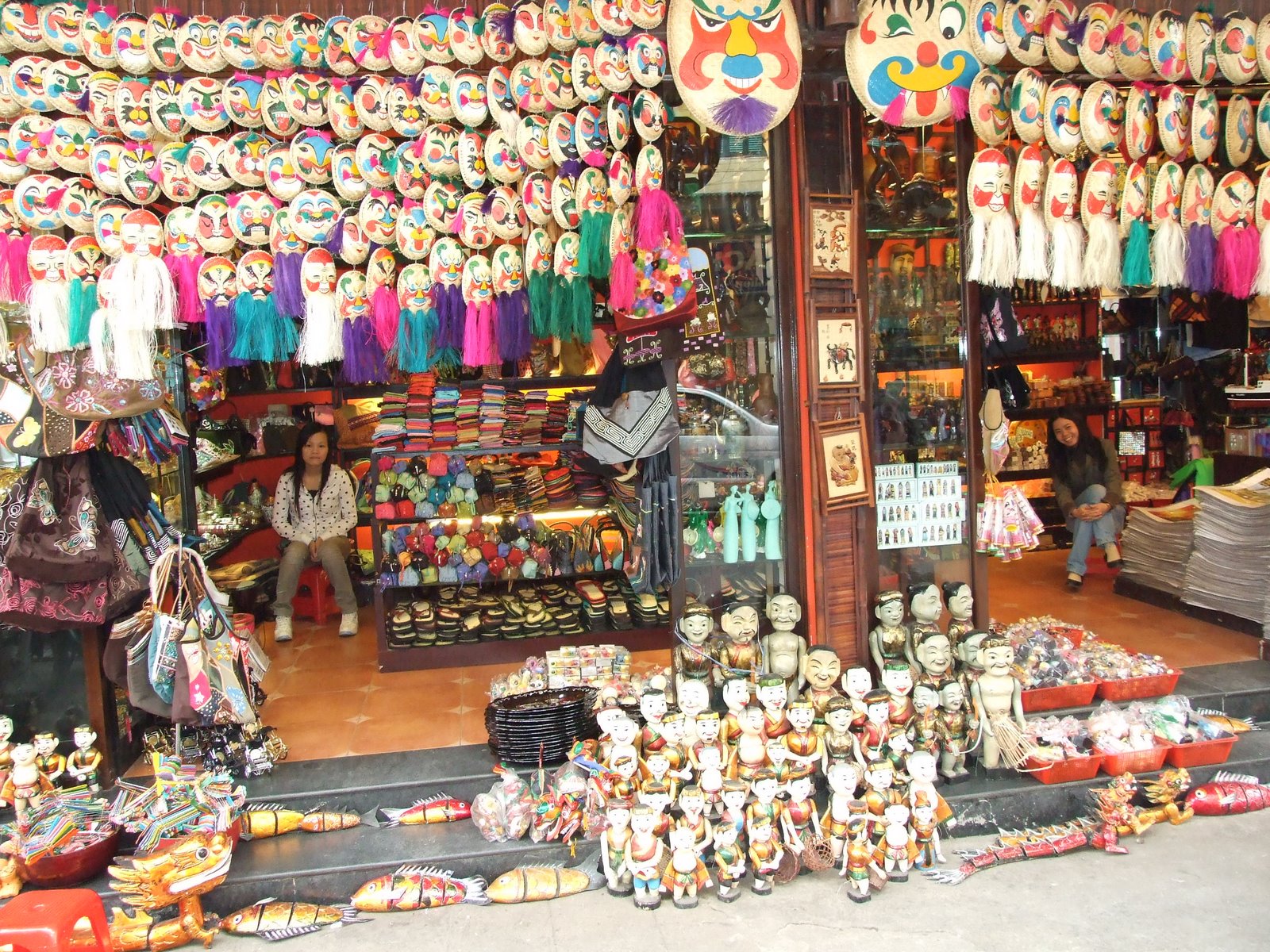
- Village visits: Vietnam has thousands of traditional villages, each known for a specific craft. You can visit a pottery village, a silk weaving village, a conical hat making village, or a blacksmith village. In these places, you watch artisans work and often try the craft yourself.
- Local Traditions: Joining a local festival or a family ceremony provides a profound insight into Vietnamese spirituality and community bonds.
- Festivals: If you time your visit during Tet (Lunar New Year), you can witness the country at its most vibrant, filled with ancestor worship, special foods, and fireworks.
Food and Culinary Experiences
Vietnamese food is world-famous, but it tastes best where it was born.
- Street Food Tours: Forget the fancy restaurants. Ho Chi Minh City and Hanoi offer street food tours where you sit on tiny plastic stools, eat pho and banh mi, and learn the history of the dish from a local guide who knows the best hidden stalls.
- Cooking Classes: The best cooking classes start at the market. You’ll learn to bargain for ingredients, smell exotic herbs, and then cook a multi-course meal in a local home or garden.
- Regional Cuisine: Each region offers unique tastes. In Hue, the food is imperial and spicy. In Hoi An, cao lau noodles are a specialty that can only be made with the town’s specific water source.
Nature and Adventure
Vietnam’s natural landscape is an open invitation for adventure.
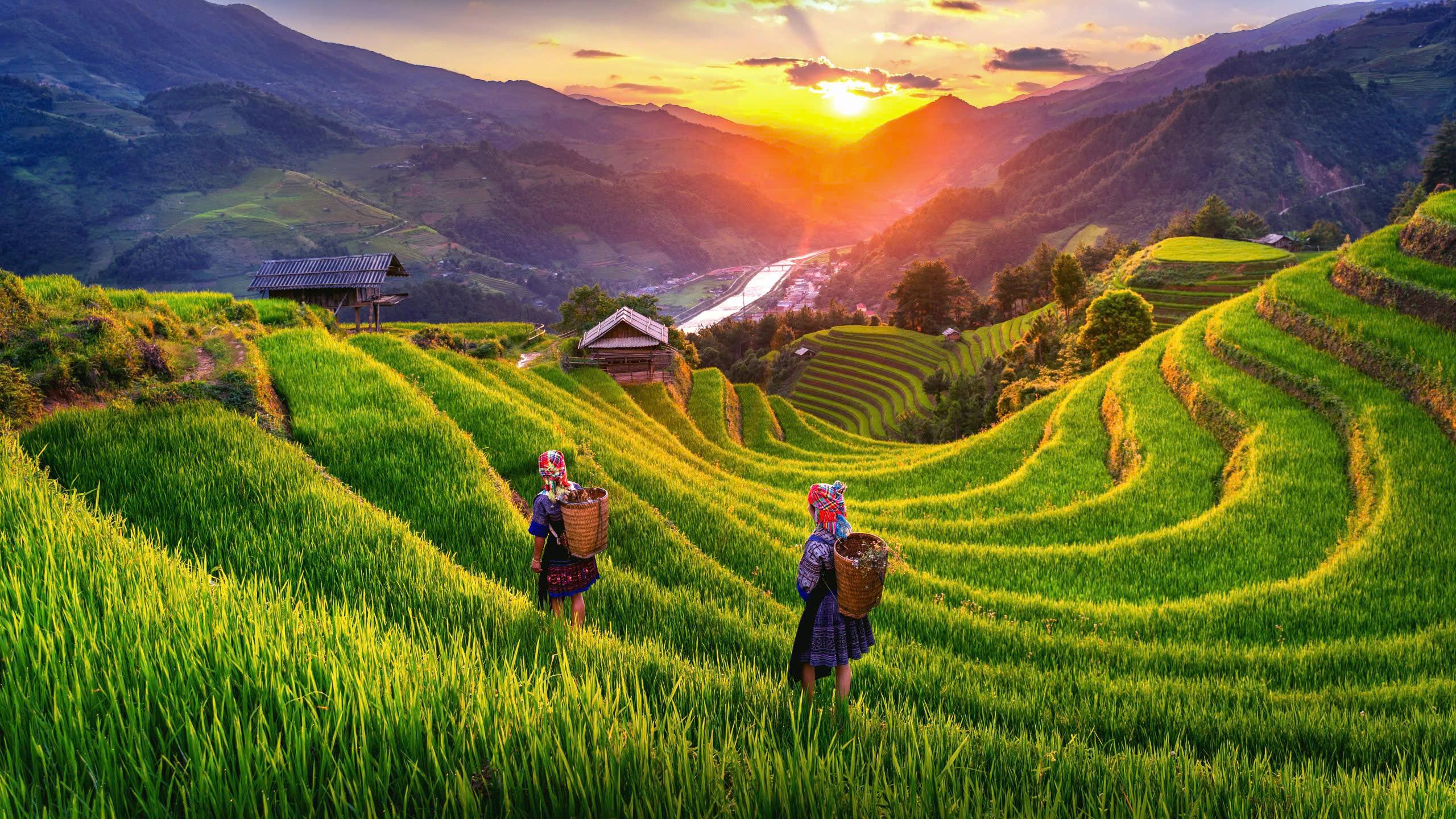
- Trekking: Sapa and Ha Giang offer some of the world’s most spectacular trekking. Walking through terraced rice fields and staying in village homesteps allows you to see a side of Vietnam few get to experience.
- Caves: Phong Nha-Ke Bang National Park is home to the world’s largest caves. Adventurous travelers can go on multi-day expeditions to explore these underground rivers and cathedrals of rock.
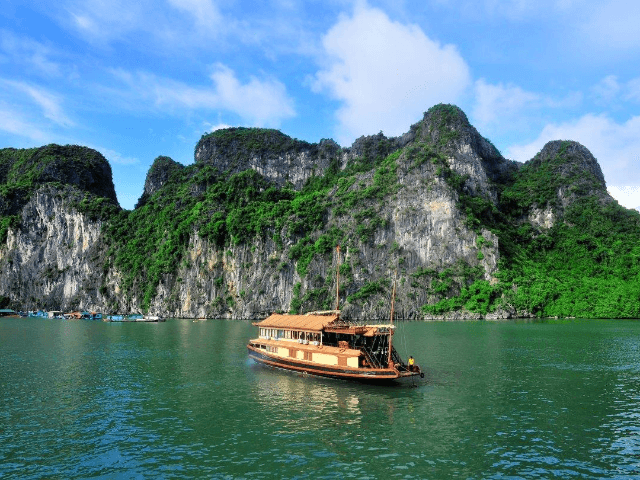
- Cruises: While a cruise in Ha Long Bay is popular, experiential travelers are opting for overnight cruises that include kayaking through hidden lagoons and visiting floating fishing villages to see how locals live on the water.
Local Lifestyle Experiences
This is where the magic of Vietnam travel packages truly shines.
- Homestays: This is the ultimate experience. Staying in a stilt house in Mai Chau or a farmhouse in the Mekong Delta allows you to eat dinner with a Vietnamese family, share stories (even with language barriers), and see the sunrise over their fields.
- Market Visits: Local markets are the social hubs of Vietnam. Waking up at 4:00 AM to visit a wholesale market or a mountain market where ethnic groups gather to trade livestock and textiles is an unforgettable experience.
Role of Customized Travel in Experiential Tourism
You cannot force an authentic experience. The beauty of experiential travel lies in its spontaneity. However, accessing these genuine moments requires local knowledge.
This is where customized travel plays a crucial role. A standard bus tour cannot easily deviate to stop at a family’s home for tea or adjust the itinerary because a local festival is happening that day. A personalized itinerary, however, can.
Working with a local Vietnam tour company allows you to unlock doors that remain closed to the independent traveler. They know the guides who grew up in Sapa villages.
They know the chef in Hoi An who is willing to let you help her source ingredients. Customized travel ensures that while you have a safety net, you still have the flexibility to chase the unexpected moments that define a great trip.
Private vs Group Travel in Experiential Journeys
When planning an experiential trip, you often have to choose between private and group travel. Both have their merits, depending on your personality.
Private Travel tends to offer deeper experiences. When you have a private guide and driver, the itinerary revolves entirely around you. If you want to spend an extra hour at a craft workshop or skip a sight to sit at a coffee shop and people-watch, you can. This flexibility allows for deeper immersion and personal interaction.
On the other hand, group Vietnam trip packages offer shared experiences. For solo travelers or those on a budget, group travel can be fantastic.
You share the experience with like-minded people, which often enhances the fun—whether it’s bonding over a challenging trek or enjoying a group cooking competition.
Many group tours today are also shifting towards small-group models (max 8-12 people) to ensure the experience remains intimate and non-intrusive to the local communities.
Why Experiential Travel Leads to Better Memories
Why do we remember some trips for a lifetime and forget others within weeks? The answer lies in emotional connection.
When you simply view a pagoda from a distance, you record it as a visual memory. But when you meet a monk at that pagoda, have a conversation about Buddhism, and participate in a meditation session, you create an emotional memory.
Experiential travel engages all your senses. You don’t just see the rice fields; you smell the earth, feel the mud between your toes, and taste the fresh rice cakes made by the farmer. These multi-sensory experiences are stored deeper in our brains.
Moreover, these experiences often challenge us—trying a new food, navigating a market in a different language—and overcoming those small challenges creates a sense of accomplishment and a stronger bond with the destination.
How to Plan an Experiential Vietnam Trip
Planning an experiential trip requires a different mindset than planning a traditional vacation. Here are a few tips to get started.
- Choose Fewer Destinations: It is tempting to try to see Hanoi, Sapa, Ha Long Bay, Hue, Hoi An, and Ho Chi Minh City in 10 days. But experiential travel is slow travel. Pick 3 or 4 locations and spend more time in each to allow for spontaneous discoveries.
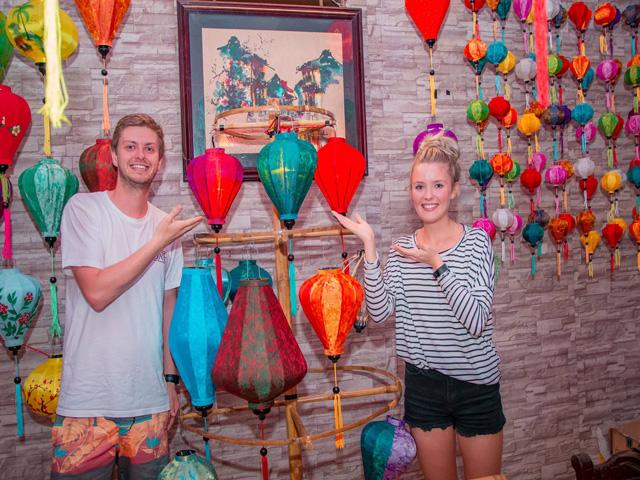
- Focus on Quality Over Quantity: Instead of booking a standard hotel, look for a homestay or an eco-lodge. Instead of a generic city tour, book a specific workshop like lantern making in Hoi An or wood carving in a village.
- Include Local Activities: Look for Vietnam travel packages that list activities like "cyclo ride," "water puppet show," "morning tai chi," or "market visit." These are often the gateways to the local culture.
- Leave Room for Spontaneity: Do not schedule every hour. Leave half-days empty to explore a back alley, sit in a cafe, or follow the sound of live music.
The Future of Travel in Vietnam
The future of tourism in Vietnam is undoubtedly experiential. The Vietnamese government and local businesses are increasingly recognizing that sustainable tourism relies on quality over quantity.
We are seeing a growth in community-based tourism initiatives. Villages are organizing tours that allow travelers to stay in homes, eat local food, and learn crafts, with the revenue directly benefiting the community. This empowers local people to preserve their traditions rather than abandoning them for urban jobs.
Furthermore, the demand for customization is driving innovation. Travelers are no longer satisfied with the "best Vietnam vacation packages" of the past that were rigid and mass-market.
They want itineraries that reflect their values—whether that is sustainable trekking, vegan culinary tours, or photography excursions.
As global interest in Vietnam continues to surge, the market will continue to cater to this desire for authentic, personalized travel.
Why Expert Planning Enhances Experiential Travel
While it is possible to plan an experiential trip on your own, doing so can be overwhelming. Vietnam is a complex country with a different language and infrastructure. To truly access remote villages and authentic experiences, you often need someone on the ground.
This is where a local Vietnam travel agency becomes invaluable. A reputable agency acts as a bridge between you and the culture. They don’t just book hotels; they curate experiences.
- Access to Local Insights: A local agency knows which village elder is the best to teach weaving, or which family in the Mekong offers the most authentic dinner.
- Better Itinerary Design: They understand the logistics of the country—how long it actually takes to drive between places—and can design a flow that minimizes transit time and maximizes experience time.
- Time-Saving: Instead of spending hours scrolling through reviews to find a "non-touristy" tour, you leave the vetting to experts who ensure the experiences are authentic, safe, and ethically run.
Plan a Meaningful Vietnam Journey
Travel is changing. It is no longer about the number of countries you have visited, but the depth of the experiences you have had. Vietnam, with its generous people, stunning landscapes, and rich heritage, is the perfect place to embrace this shift.
The best Vietnam travel package is not necessarily the cheapest or the longest; it is the one that aligns with your curiosity. It is the trip that leaves you with not just photographs, but with friends, skills, and a deeper understanding of the world.
By choosing experiential travel, you are not just visiting Vietnam; you are engaging with it. And in doing so, you create lasting value—not only for yourself but for the local communities who welcome you as a guest, not just a tourist.
FAQs
What is experiential travel in Vietnam?
Experiential travel in Vietnam is a style of tourism that focuses on cultural immersion, local interactions, and real-life experiences. Instead of just visiting famous landmarks, it involves activities like staying in a homestep, taking a cooking class with a local chef, or trekking through remote villages to understand the daily life of ethnic minority groups.
Why is experiential travel popular in Vietnam?
Vietnam is popular for experiential travel because of its strong cultural identity, diverse landscapes, and the natural hospitality of its people. The country offers a wide range of authentic experiences, from bustling city street food tours to serene rural farm stays, all within a safe and accessible environment.
What are examples of experiential travel in Vietnam?
Examples include:
Homestays: Sleeping in a traditional stilt house in Mai Chau.
Food Tours: Exploring street food alleys in Hanoi with a local guide.
Trekking: Walking through rice terraces in Sapa and visiting local villages.
Cultural Activities: Participating in lantern-making workshops in Hoi An or fishing with locals in the Mekong Delta.
Is experiential travel better than traditional travel?
It depends on what you are looking for. Experiential travel is generally considered "better" for travelers seeking deeper meaning, personal growth, and authentic cultural exchange. It offers richer memories and a more profound understanding of the destination compared to traditional travel, which often focuses primarily on sightseeing and standard accommodations.
How can I plan an experiential Vietnam trip?
To plan an experiential Vietnam trip package, focus on fewer destinations to avoid rushing. Prioritize local experiences such as homestays, cooking classes, and village visits over standard hotel stays. It is highly recommended to work with a local Vietnam tour agency that specializes in customized itineraries to help you access authentic experiences and handle the logistics efficiently.
Turn This Into Your Real Trip
Let our local experts design the perfect itinerary for you. It’s free, personalized, and take less than 24 hours !
 No obligation100% personalizedBest Price Guarantee2M$ Liability Insurance



.png&w=828&q=75)