



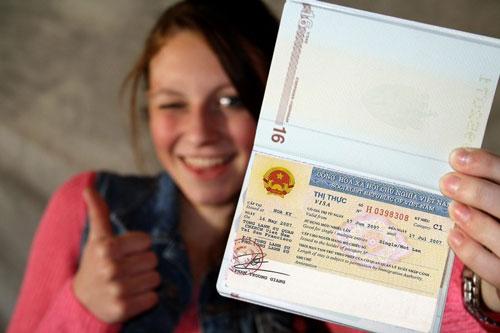

Planning a vietnam trip? Let us help.
Get personalized travel plan based on your interest, budget and preferred travel dates
Southeast Asia's transportation is often chaotic. Tuk tuks, buses, motorbikes, vehicles, and bikers, as well as animals, pedestrians, and the occasional street food vendor, all share the road.
TABLE OF CONTENTS
1
What is a tuk-tuk?
2
History of Tuk Tuk
3
Tip for traveling in a Tuk Tuk in Southeast Asia
Negotiate
Bring your own map
Try to avoid scams
Be conscious
Hire one away from a tourist spot
Don't show that you are in a big group
4
Tuk Tuk design and features
5
Final word!
Southeast Asia's roads are wonderfully chaotic. Tuk tuks, buses, motorbikes, cars, and cyclists — along with animals, pedestrians, and the occasional street food vendor — all jostle for the same stretch of tarmac.
Out of all that movement, the auto-rickshaw, better known as the tuk tuk, stands out as one of the region's most recognizable icons. The name comes from the steady chugging sound the engine makes as it putters down the road. Travelers love hopping into these vehicles, whether for the sheer novelty or for the easy way they weave through the busy streets of Southeast Asian countries. In Vietnam especially, a tuk tuk ride has become a small adventure in its own right, and many visitors add one to their itinerary the moment they arrive.
.jpg)
What is a tuk-tuk?
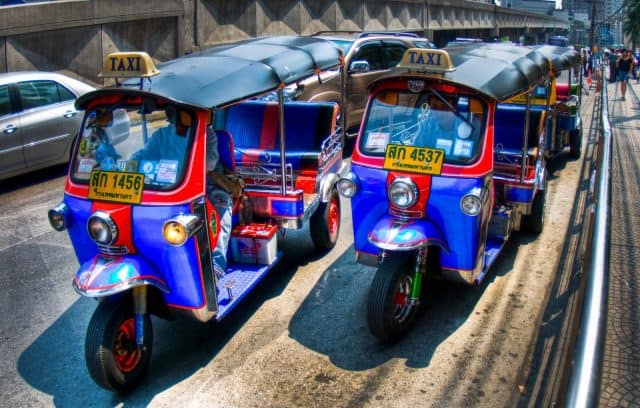
A tuk tuk typically has three wheels and an open-air body that seats two to three passengers. The classic design features a single seat up front for the driver and a bench at the back for riders. Modern versions usually come with open sides and a fabric roof to keep the sun off sightseers.
This humble little vehicle has grown from a practical necessity into a genuine cultural symbol, drawing curious travelers while remaining an everyday mode of transport for locals across the region. If you've ever searched for a "tuk tuk car" or wondered what a tuk tuk vehicle actually looks like, picture a nimble three-wheeler built for short, lively city hops.
History of Tuk Tuk
The story of the tuk tuk stretches back to the early twentieth century. The earliest versions were pedal-powered and known as "sam lor," which means "three wheels" in Thai.
As the legend goes, the first samlor appeared in Ratchasima (Korat) Province in 1933, when a Chinese trader bolted two large stabilizers onto his ordinary bicycle. The idea quickly caught on, and the sam lor was soon ferrying passengers all over town.
They grew so popular that Bangkok officials eventually banned them from parts of the city. But when motorized rickshaws arrived from Japan in the 1960s, the sam lor came roaring back. Those machines slowly evolved into the spirited contemporary tuk tuks that buzz through the streets today — including the tuk tuk in Vietnam, which has become a favorite way for tourists to explore old quarters and night markets.
Tip for traveling in a Tuk Tuk in Southeast Asia
Negotiate
Be ready to haggle, since prices climb the moment a driver spots a tourist on holiday in Laos. Tuk tuk fares are often inflated because of their appeal to visitors, and you won't see many locals using them. These vehicles are privately owned, so any driver will happily take you wherever you'd like to go for the right price.
In busy areas, tuk tuks tend to line up bumper to bumper. Start at the front of the queue and work your way down, finding out who can take you to your destination for the least money.
Tell the driver where you're headed and keep some cash handy. The first price they quote is almost never what you'll actually end up paying.
Bring your own map
Some drivers carry their own maps, but it's smart to bring your own just in case. Showing a map is far easier than reciting English addresses. Before setting off on your trips to vietnam and cambodia, try to work out where you are and where you want to go. Drivers love to orient themselves using gates and landmarks, so find the one nearest your destination and mark it clearly.
Try to avoid scams
Steer clear of common tuk tuk frauds. For instance, some drivers will suggest a "quick stop" at a souvenir shop along the way. Politely decline, because these detours often lead to overpriced stores — and if your driver drops you there, he'll pocket a commission for it.
Be conscious
These adapted rickshaws are perfect for short hops on Vietnam tours. They usually cost about the same as a taxi for the same route, sometimes less, and they move much faster through tight traffic. Try to avoid riding a tuk tuk during peak hours — roughly 07:00–09:00 and 16:00–19:00 — when congestion can leave these little vehicles stuck for ages.
Use GPS to keep track of your exact position relative to your destination so you don't get dropped in the wrong spot. Drivers will occasionally fib about how far away your destination really is.
Hire one away from a tourist spot
Pick up a tuk tuk away from the main tourist zones and you'll pay far less. That said, if you ask a driver to take you on a long trip well outside their usual patch, expect the fare to climb above what a metered taxi would charge.
Generally, the cheapest tuk tuk rides come from knowing someone tucked away from the tourist trail. If you find yourself in an off-the-beaten-path neighborhood and spot a tuk tuk, there's a good chance you'll snag one for a surprisingly low price.
Don't show that you are in a big group
Fares jump the instant a driver notices three or four of you piling in.
It might feel like a cheeky way to dodge a higher fare on your Cambodia tours, but the trick really does work — and you'll know it landed when the driver tries to renegotiate before you reach your stop, claiming he hadn't realized there was more than one passenger.
Another favorite tactic is the guilt trip: grumbling about the traffic and lost time until the agreed fare suddenly feels "not quite enough."
Tuk Tuk design and features
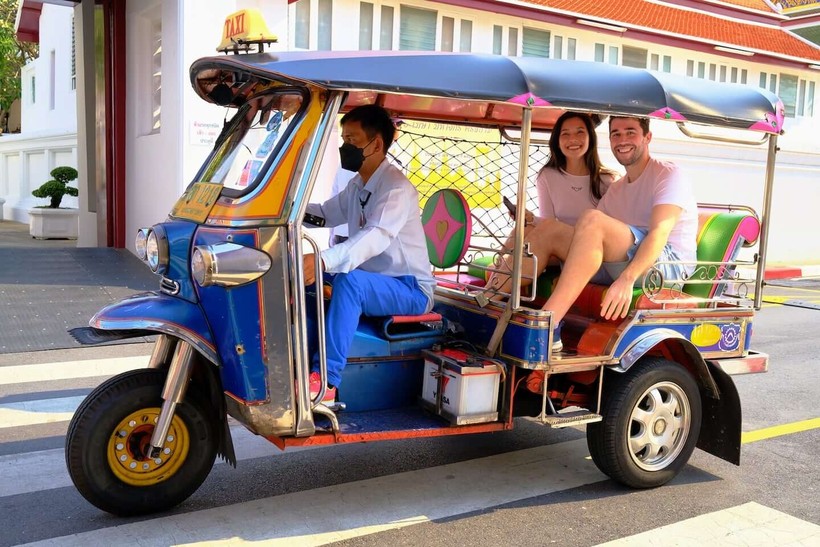
The three-wheeled build is one of the tuk tuk's defining traits. Most consist of a small cabin attached to the rear of a motorbike or scooter chassis, with two wheels at the back and one at the front. From the open-air cabin, passengers can soak up the city's sounds, sights, and that famously lively atmosphere as they roll along.
Tuk tuks run on a range of engines — diesel, gasoline, and electric — and some are now fitted with solar-powered batteries to improve sustainability and cut emissions. Their look and features shift slightly from country to country, which is part of what gives each one its own charm. A vietnam tuk tuk in Bangkok, for example, often looks quite different from a Vietnam tuk tuk, yet both share that unmistakable spirit.
Final word!
With Threeland Travel, you can journey through some of Southeast Asia's most remarkable cities, with tuk tuk rides naturally part of the experience. More importantly, you'll get to discover the region in all its glory — the temples, sprawling cities, ancient ruins, and vibrant culture and heritage. Whether you prefer a private tour, a relaxed small-group adventure, or a fully tailored Vietnam holiday package, there's a way to weave authentic tuk tuk moments into your trip.
Book your tour now with us!
Customize This Itinerary
Let our local experts design the perfect itinerary for you. It’s free, personalized, and take less than 24 hours !
 No obligation100% personalizedBest Price Guarantee2M$ Liability Insurance
Follow Us

Subscribe to our newsletter
Most viewed articles
Plan Your Trip
Get a free personalized itinerary
from our local experts.
Your Name
Email Address
Further Comments
No obligation100% personalized