


Planning a vietnam trip? Let us help.
Get personalized travel plan based on your interest, budget and preferred travel dates
The monsoon in Vietnam has a major impact on climate and weather. It affects every aspect of life, from agriculture to various economic sectors, including tourism. Should we visit Vietnam during the monsoon season? Threeland will answer this question
TABLE OF CONTENTS
1
Overview: Understanding the monsoon in vietnam
Northern Vietnam
Central Vietnam
Southern Vietnam
Practical route tip
2
Best Time to Visit: when is monsoon season in vietnam?
Northern Vietnam
Central Vietnam
Central Highlands
Southern Vietnam
3
What to Expect During the rainy season in vietnam
In the north: humidity, showers, and winter mist
In the center: heat first, then heavy rain later
In the south: short, hard rain and quick resets
Benefits of traveling during monsoon
4
Travel Tips for Visiting During monsoon season in vietnam
What to bring
Plan by region, not by assumption
Build flexibility into your days
Photography tips
Seasonal comfort matters
Entry and onward planning
5
How to Include It in Your Travel Itinerary
Sample ideas based on weather windows
Great package planning approach
6
FAQ
1. What is the monsoon season vietnam travelers should know about?
2. How long is the vietnam monsoon season?
3. When is monsoon season in vietnam for the north?
4. Is the monsoon season in vietnam a bad time to travel?
5. What is the rainy season in vietnam like in the south?
6. How is monsoon in vietnam different in the central region?
7. What should I expect during the vietnam rainy season in the north?
8. Can I book vietnam tourism packages or vietnam small group tours during monsoon vietnam months?
7
Conclusion
I’ve traveled across Vietnam in sticky summer downpours, cool misty mornings, and those sudden southern cloudbursts that vanish almost as quickly as they arrive. So if you’re wondering whether to book a vietnam country tour during the monsoon season vietnam brings each year, my honest answer is: yes, but only if you understand how differently the weather behaves from north to south.
That’s the trick with Vietnam. It’s long, narrow, and stretched over roughly 1,650 km from north to south, with a coastline of about 3,444 km. Because of that shape, plus the country’s tropical setting, the vietnam monsoon season never feels the same everywhere. While one region is soaked, another may be dry, sunny, or simply humid with brief showers. If you’re choosing a vietnam trip package, timing matters a lot more than people think.
So, should you go during the monsoon season in vietnam? I would, and I have. You just need to pick the right region at the right time.
Overview: Understanding the monsoon in vietnam
The monsoon in vietnam is driven by seasonal winds that change direction over the year. In practical travel terms, this creates two main monsoon patterns:
- Summer monsoon from May to October
- Winter monsoon from November to April
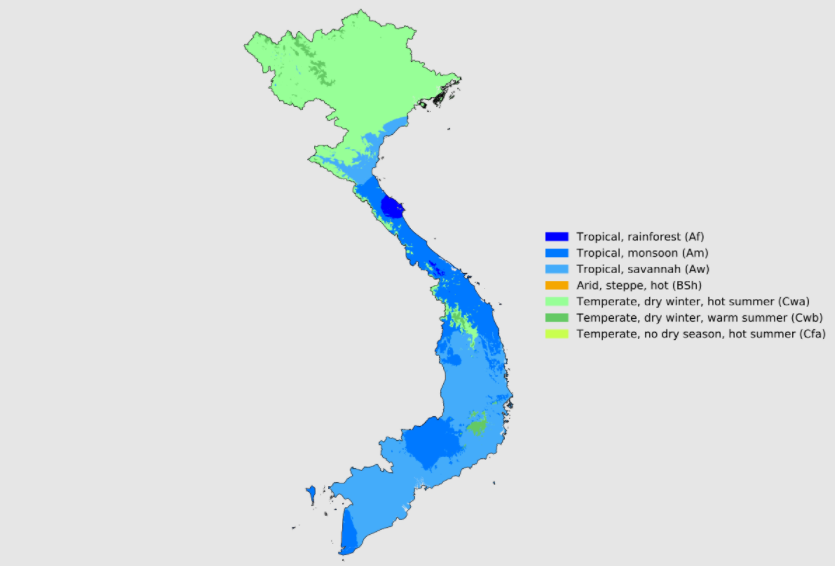
The summer monsoon is linked with the southwest winds. In the first part of summer, from May to July, air from the Bay of Bengal moves in and brings strong rain to the Southern Delta and the Central Highlands. After crossing the Truong Son Range, that same pattern creates dry, hot conditions in parts of the central coastal plain and the southern northwest area.
From July to October, another southwest airflow remains active, carrying hot, humid air over the tropical sea and bringing heavy rain to parts of southern Vietnam and the Central Highlands. At the same time, low pressure in the north helps create a southeast monsoon pattern in North Vietnam during summer.
Then comes the winter monsoon, flowing from the northeast between November and April. It reaches North Vietnam and extends down to the Bach Ma Range. Along the central coast, these winds can bring rain from the sea. Farther south, the effect weakens, which is why South Vietnam and much of the Central Highlands can have a dry season while the north feels cold and damp.
(1).png)
This is exactly why planning a vietnam travel package by season makes such a difference.
Location and How to Reach Vietnam’s Monsoon Regions
Since this topic covers the whole country rather than one single town, it helps to think of Vietnam in three travel zones: Northern Vietnam, Central Vietnam, and Southern Vietnam.
Northern Vietnam
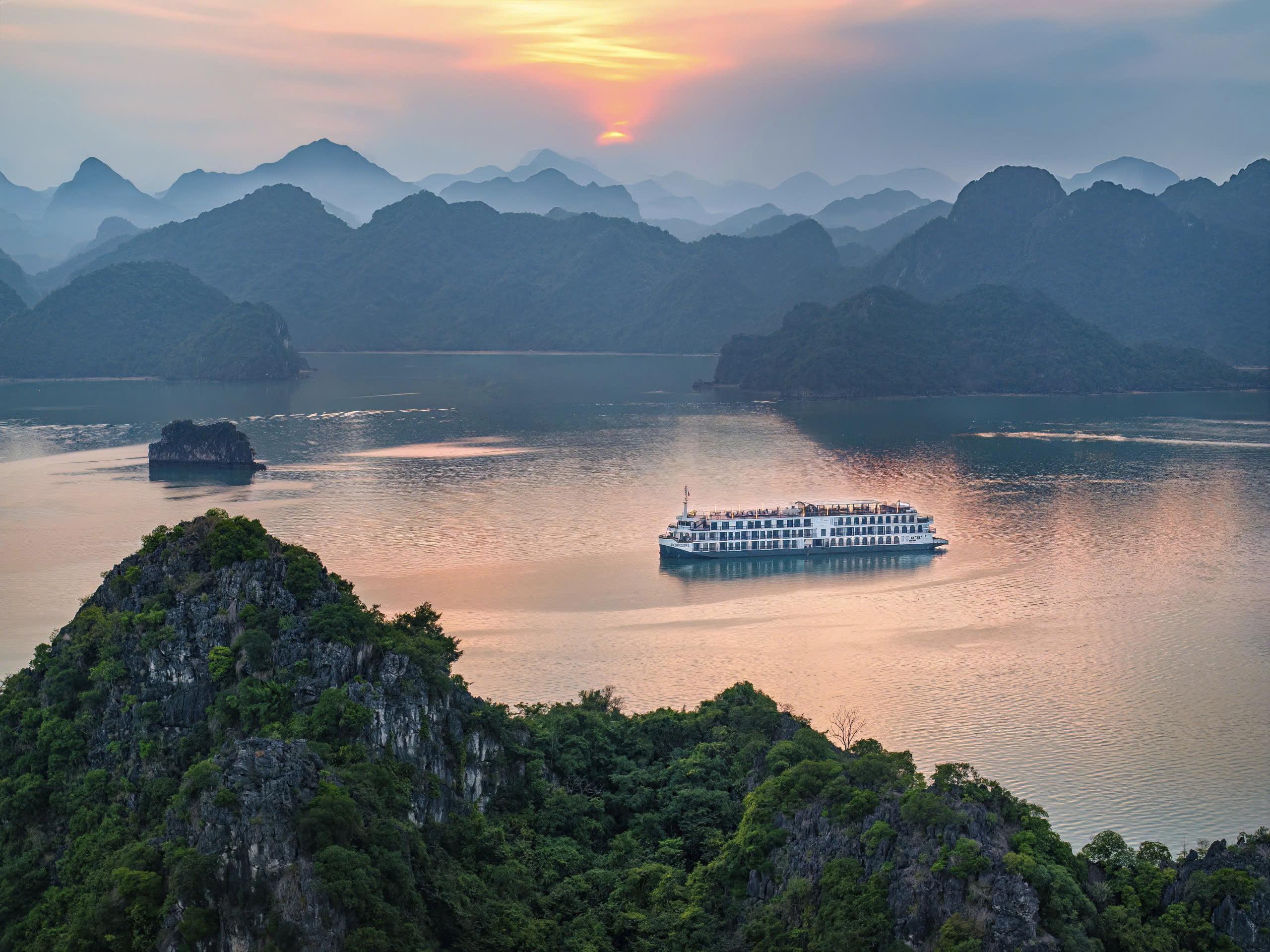
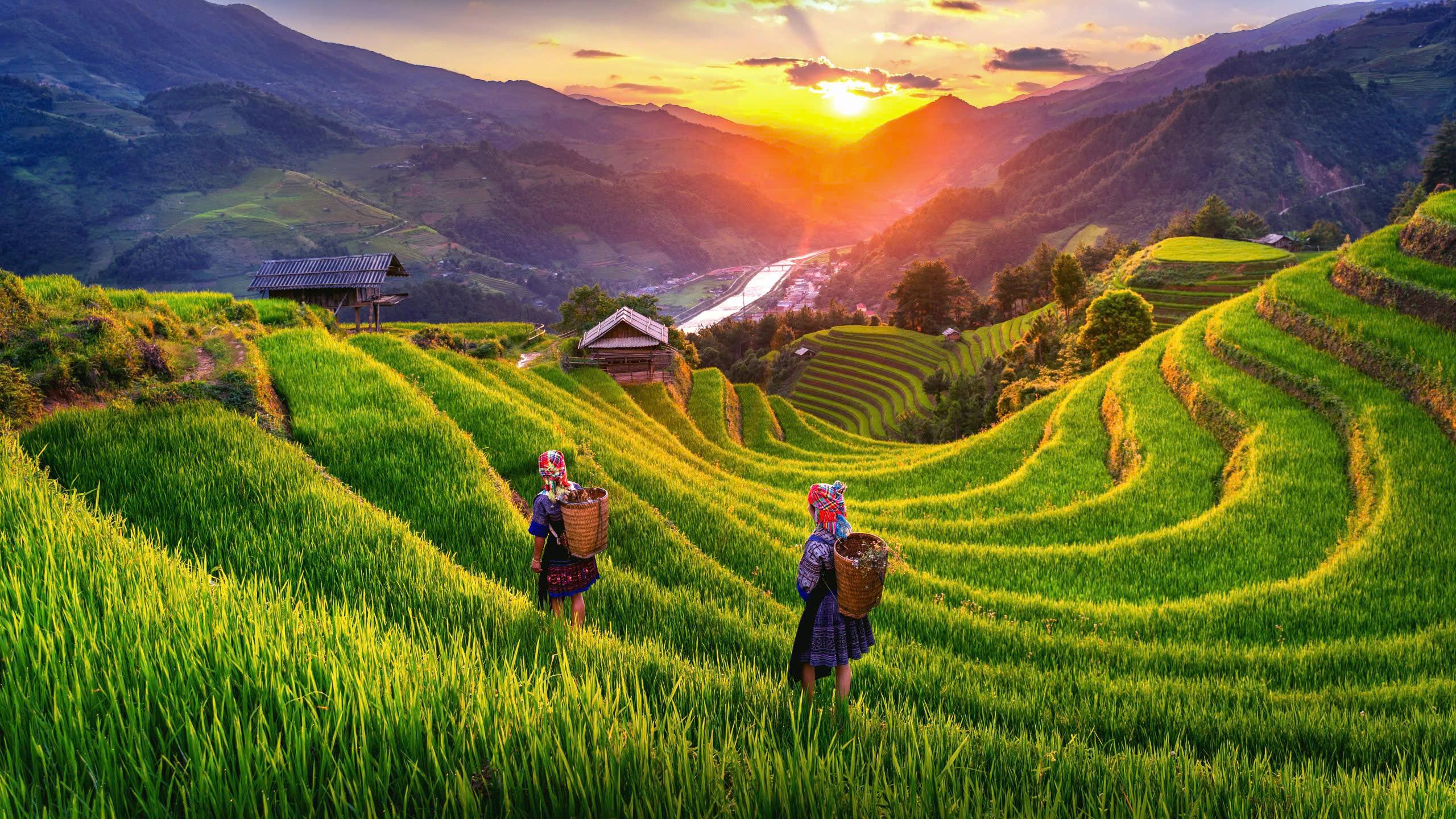
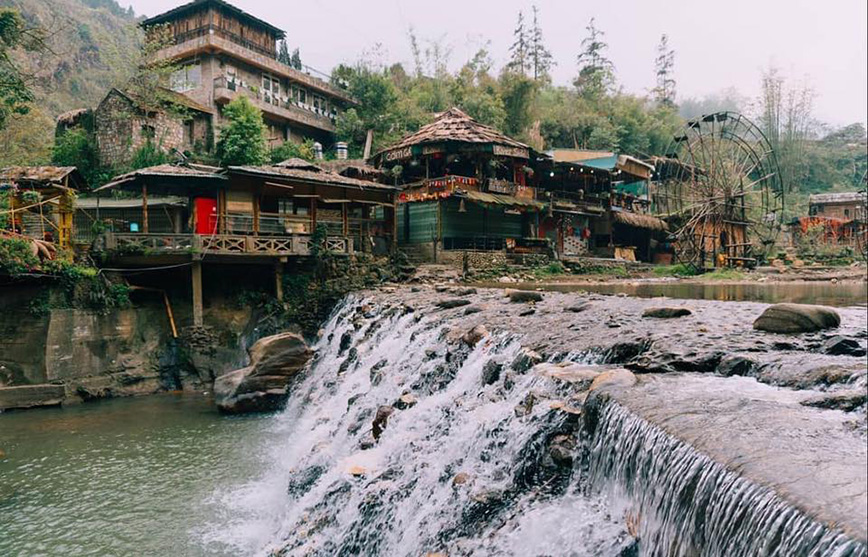
This region includes popular stops such as Hanoi, Ha Long Bay, Ninh Binh, Moc Chau, Sapa, Mu Cang Chai, Tam Dao, and Mau Son.
Most travelers start in Hanoi, then continue by road or rail to mountain areas like Sapa or scenic lowland spots like Ninh Binh. Ha Long Bay is also commonly reached from Hanoi.
Central Vietnam
This zone includes places such as Quang Binh, Hue, Quang Tri, Hoi An, Nha Trang, and Ninh Thuan, plus the Central Highlands with Dalat, Kontum, and Dak Lak.
(1).png)
Travelers often move here by domestic flight, train, or long-distance road connections from the north or south. A well-planned vietnam tour package often links Hue, Hoi An, and the highlands because the weather windows can work nicely together in certain months.
Southern Vietnam
The south is known for Ho Chi Minh City, the Mekong Delta, and nearby tropical routes.
This part of the country is usually easy to combine by flights and road travel. If you’re booking vietnam vacations packages, the south is often the easiest region for travelers who don’t mind some rain, because showers here are often intense but short.
Practical route tip
Because the weather changes so much by region, I always suggest planning around climate rather than just distance. A shorter route with better weather will usually feel far more enjoyable than a rushed cross-country trip in the wrong month.
Best Time to Visit: when is monsoon season in vietnam?
If you’re asking when is monsoon season in vietnam, the short answer is that it depends on which part of the country you mean.
Northern Vietnam
From April to October, the north is generally hot and rainy, with average humidity above 80%. July and August are the wettest months.
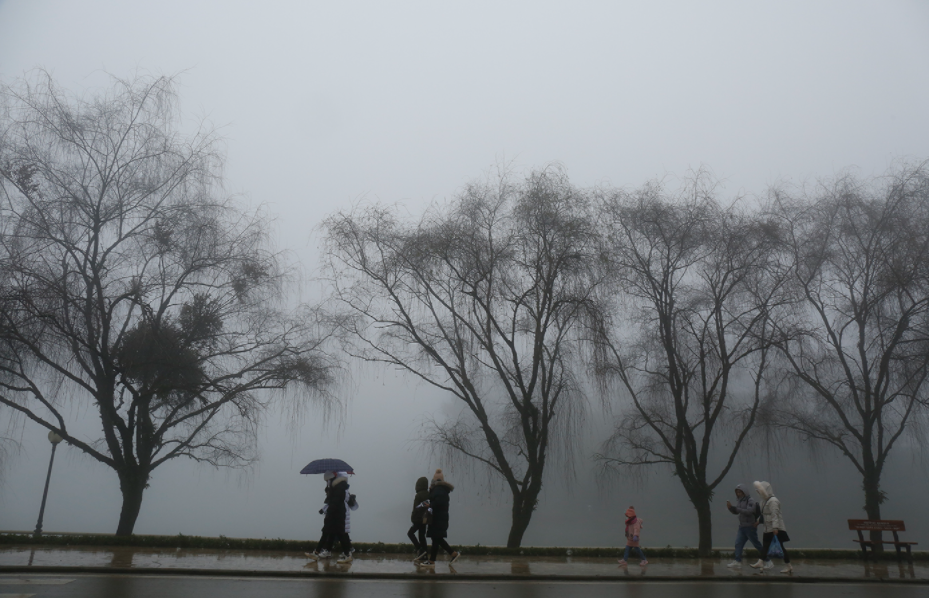
Winter, especially December through January, is colder and drier because of the northeast monsoon. In the northern mountains, temperatures can average around 15°C, and in some places may drop to 5°C. Mist is common in areas like Sapa, Lai Chau, and Moc Chau, which can reduce visibility.
The best overall time to visit the north is:
- March to April
- September to November
Those are the months I personally like most for Hanoi, Ninh Binh, and Ha Long Bay. The air feels easier, the skies are often clearer, and sightseeing is just more comfortable.
%20(1)(1).png)
Central Vietnam
This region behaves differently. Because high western mountains block the southwest monsoon, Central Vietnam gets less rain than other parts of the country from April to early September. It also gets extremely hot during summer, with peak temperatures rising above 40°C in some places.
Rainfall peaks from September to November, and flooding can occur during this period.
The better times to visit are:
- February to March for northern parts of central Vietnam such as Quang Binh, Hue, and Quang Tri
- February to April for southern central destinations like Nha Trang, Ninh Thuan, and Hoi An
Central Highlands
Places like Dalat, Kontum, and Dak Lak are most suitable from September to April, after the southwest monsoon stops strongly affecting the region.
Southern Vietnam
The south has two clear seasons:
- Dry season: November to April
- Rainy season: May to October
Temperatures remain fairly steady through the year, usually around 25°C to 35°C. During the approach of the southwest monsoon, temperatures can climb to 36°C.
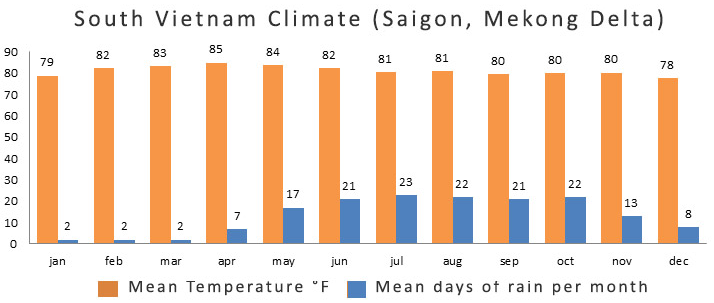
The rainy season in vietnam feels very different in the south compared with the north. In Southern Vietnam, especially during June and July, rain may fall almost daily, but it is often heavy and brief rather than drizzly and drawn-out.
So yes, the answer to vietnam rainy season timing changes by region. That’s why no single month defines the whole country.
What to Expect During the rainy season in vietnam
Traveling in the vietnam monsoon can be surprisingly enjoyable if you know what kind of rain you’re signing up for.
In the north: humidity, showers, and winter mist
During the warmer wet months, expect heat, moisture, and regular rain. In winter, the north can turn cool, dry, or even damp with drizzling rain later in the season, especially from January to March.
I still remember standing in Sapa on a gray morning, the hills half-hidden by mist. Visibility wasn’t great, sure, but the whole landscape felt soft and dreamlike. If you don’t mind weather that changes the mood of a place, the north can be lovely even outside peak sunshine
In the center: heat first, then heavy rain later
Central Vietnam often stays drier than other parts of the country from April to early September, though it can also be the hottest region. Later, from September to November, rainfall increases sharply and flooding is more likely.
This matters a lot for beach towns and heritage stops like Hoi An and Hue. A sunny visit can feel easy and relaxed. The wrong week in peak wet months can alter your plans quickly.
In the south: short, hard rain and quick resets
The south’s wet season is usually easier than many first-time visitors expect. Showers can be loud, sudden, and dramatic, then gone before you’ve finished a coffee. Streets steam, leaves look freshly washed, and life keeps moving.
That’s why I often tell friends not to dismiss monsoon vietnam outright. A wet afternoon in the south doesn’t necessarily ruin a trip.
Benefits of traveling during monsoon
There are real upsides to booking vietnam package travel in this period:
- Fewer visitors in many destinations
- Better service due to lower crowd levels
- Occasional discounts from hotels, restaurants, and tour companies
- Lower costs for some transport, stays, and activities
- A chance to choose regions based on your preferred temperature, whether cooler or warmer
For travelers building vietnam travel tour packages, that flexibility can be a big advantage.
Travel Tips for Visiting During monsoon season in vietnam
A little preparation goes a long way.
What to bring
- A light rain jacket or poncho
- Quick-dry clothing
- Sandals or shoes with grip
- A waterproof cover for your phone or camera
- A small day bag that can handle sudden showers
I’ve learned this the hard way: umbrellas are useful, but in a windy downpour they’re not always enough.
Plan by region, not by assumption
Don’t treat Vietnam as one weather zone. The monsoon season vietnam travelers talk about in one city may not match conditions elsewhere at all.
Build flexibility into your days
If you’re visiting during the vietnam monsoon season, keep some wiggle room in your schedule. Mornings may be better for sightseeing, while afternoons can be ideal for a café stop, a museum, or just slowing down.
Photography tips
Rain can actually improve your photos.
- In the north, mist adds mood in mountain areas like Sapa
- In the south, colors often look brighter right after a storm
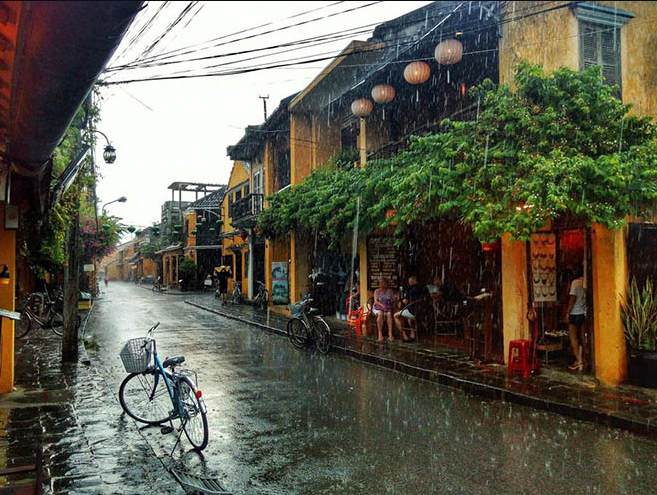
- In central towns like Hoi An, wet streets can create beautiful reflections on calm evenings
Just protect your gear. Humidity is no joke.
Seasonal comfort matters
If you dislike heat, avoid the hottest central months. If you hate lingering drizzle, northern late winter may not be your favorite. If you can handle short tropical bursts, southern wet-season travel may suit you perfectly.
Entry and onward planning
Keep an eye on local transport schedules during heavier wet periods, especially in flood-prone central months. If you’re choosing vietnam tourism packages, it helps to work with an itinerary that can adapt to regional weather patterns rather than force every stop into one fixed route.
How to Include It in Your Travel Itinerary
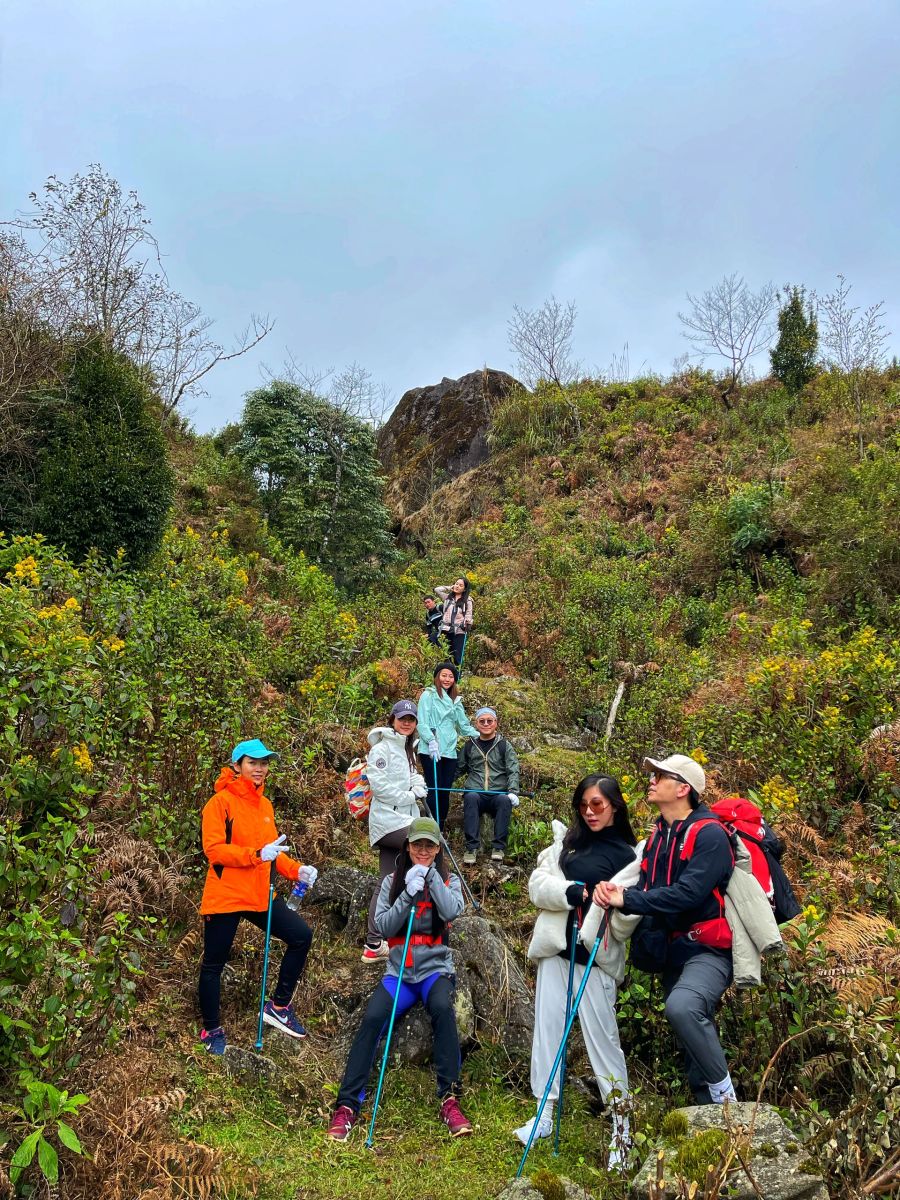
One of the smartest ways to travel in Vietnam is to let the seasons shape the route.
Sample ideas based on weather windows
For northern highlights
Combine Hanoi, Ninh Binh, Ha Long Bay, and Sapa in:
- March to April
- September to November
This is a strong option for a vietnam country tour focused on landscapes and classic first-time stops.
For central heritage and coast
Pair Hue, Hoi An, Nha Trang, or Ninh Thuan in:
- February to April
This works well in many vietnam travel package plans that balance culture with beach time.
For the Central Highlands
Add Dalat or nearby highland areas from:
- September to April
A highland stop can cool down a broader vietnam tour package nicely.
For southern city-and-delta travel
Link Ho Chi Minh City with the Mekong Delta in:
- November to April for drier conditions
- Or May to October if you don’t mind regular short rain and want lower-season value
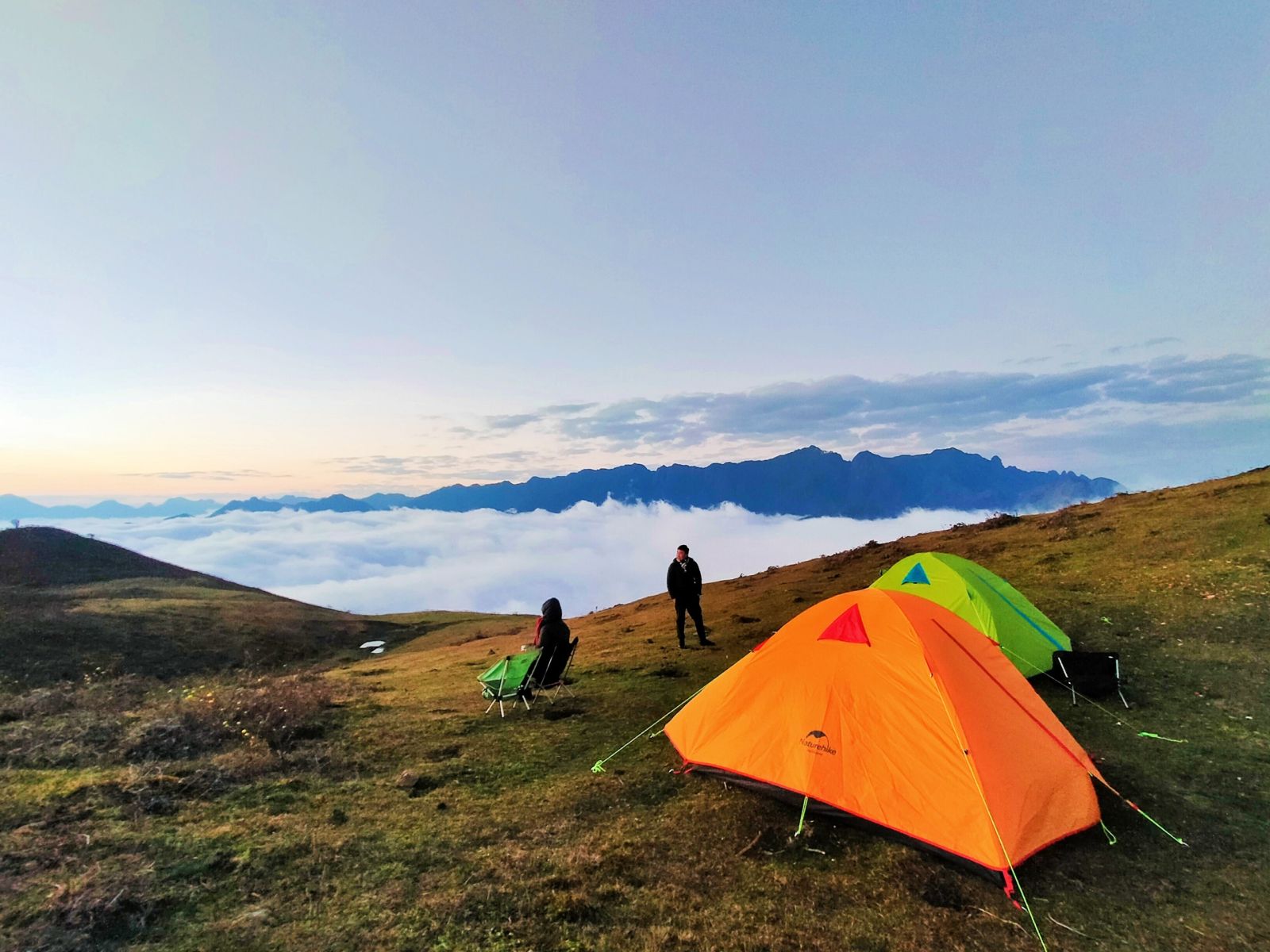
Great package planning approach
If you’re comparing vietnam vacations packages, vietnam package travel, or vietnam travel tour packages, ask whether the itinerary has been adjusted to the month you’re traveling. That matters more than fancy hotel categories.
For many travelers, vietnam small group tours also work well in monsoon periods because logistics are handled for you, and guides can help tweak timing around local weather. I’ve found that especially useful in places where roads, boats, or walking routes are affected by seasonal rain.
FAQ
1. What is the monsoon season vietnam travelers should know about?
The country has two main monsoon patterns: a summer monsoon from May to October and a winter monsoon from November to April. Their effect changes by region, so conditions in the north, center, and south are very different.
2. How long is the vietnam monsoon season?
There isn’t one single nationwide monsoon period that feels the same everywhere. Broadly, summer monsoon conditions run from May to October, while winter monsoon conditions run from November to April.
3. When is monsoon season in vietnam for the north?
In Northern Vietnam, the hotter rainy period is usually April to October, with July and August being the wettest months. Winter from December to January is colder and drier, while January to March can be cold and humid with drizzle.
4. Is the monsoon season in vietnam a bad time to travel?
Not necessarily. It can actually be a good time if you choose the right region. You may get fewer crowds, lower prices, and better service. The key is matching your itinerary to the seasonal pattern.
5. What is the rainy season in vietnam like in the south?
In Southern Vietnam, the wet season runs from May to October. June and July are especially wet, with rain falling almost every day. Still, showers are often heavy but short-lived rather than all-day drizzle.
6. How is monsoon in vietnam different in the central region?
Central Vietnam is often drier from April to early September because western mountains block some monsoon effects. But it can be extremely hot then. Rain peaks from September to November, when flooding is more common.
7. What should I expect during the vietnam rainy season in the north?
Expect high humidity and rain from April to October. In winter, mountain areas such as Sapa can be misty, cold, and occasionally very low in visibility, with average temperatures around 15°C and lows around 5°C in the coldest northern mountain areas.
8. Can I book vietnam tourism packages or vietnam small group tours during monsoon vietnam months?
Absolutely. In fact, many travelers do well with organized trips during wet-season months because routes, hotel choices, and daily timing can be planned around regional weather. Just make sure the itinerary is seasonal, not generic.
Conclusion
If you’re debating a vietnam country tour during the monsoon season in vietnam, I wouldn’t rule it out for a second. I’d just plan it carefully. Vietnam is one of those countries where climate changes dramatically by region, and that works in your favor more often than not.
The north can be best in spring and autumn. The center shines in late winter to early spring. The south remains very doable even during wet months, especially if you don’t mind a burst of afternoon rain. Add in quieter attractions and possible savings, and a smartly timed vietnam trip package or vietnam travel package can be every bit as rewarding as peak-season travel.
So should you go during the vietnam monsoon? Yes, if you travel with the weather instead of fighting it. That’s the real secret to choosing the right vietnam tour package.
Customize This Itinerary
Let our local experts design the perfect itinerary for you. It’s free, personalized, and take less than 24 hours !
 No obligation100% personalizedBest Price Guarantee2M$ Liability Insurance
Follow Us

Subscribe to our newsletter
Most viewed articles
Plan Your Trip
Get a free personalized itinerary
from our local experts.
Your Name
Email Address
Further Comments
No obligation100% personalized