



Planning a vietnam trip? Let us help.
Get personalized travel plan based on your interest, budget and preferred travel dates
The best time to visit Vietnam if you want to travel the whole land is in spring and autumn (February to April and August to November)
TABLE OF CONTENTS
1
Overview of Vietnam’s Climate
Northern Vietnam
Central Vietnam
Southern Vietnam
2
Best Time to Visit Northern Vietnam
Hanoi
Ideal Months to Visit
Seasonal Activities and Attractions
Spring (March to April)
Autumn (September to November)
Winter (December to February)
Summer (May to August)
3
Ha Long Bay
4
Best Weather for Cruising
Highlights of Each Season
Spring (March to April)
Summer (May to August)
Autumn (September to November)
Winter (December to February)
5
Sapa
6
When to Experience Rice Terraces and Trekking
Winter in Sapa: Snow and Scenic Views
7
Best Time to Visit Central Vietnam
8
Hue
Weather and Best Months to Visit
Seasonal Festivals and Events
9
Hoi An
When to Experience the Lantern Festival
Best Times for Beaches and Sightseeing
10
Da Nang
Best Weather for Beach Activities
Seasonal Events and Festivals
11
Best Time to Visit Southern Vietnam
12
Ho Chi Minh City
Ideal Time for Exploring the City
Festivals and Cultural Events by Season
13
Mekong Delta
14
Best Months for River Cruises
Seasonal Fruit Harvests and Markets
15
Phu Quoc
When to Enjoy the Beaches
Monsoon Season and Travel Tips
16
Vietnam’s Seasonal Highlights
17
Spring (March to May)
Cherry Blossoms and Festivals
Best Destinations to Visit
18
Summer (June to August)
Beach Destinations and Outdoor Activities
Avoiding the Rainy Season
19
Autumn (September to November)
Scenic Views and Harvest Festivals
Popular Destinations for Autumn Travel
20
Winter (December to February)
Winter Festivals and Events
Best Places for a Winter Getaway
21
Travel Tips for Visiting Vietnam Year-Round
22
Packing Essentials for Each Season
23
Tips for Booking Flights and Accommodations
24
Dealing with Weather Variations Across Regions
25
Conclusion
26
FAQs About Visiting Vietnam
What is the best time to visit Vietnam for beaches?
Is it advisable to visit Vietnam during the rainy season?
How does the climate affect travel plans in Vietnam?
Overview of Vietnam’s Climate
Vietnam is a picturesque country marked by a variety of terrains and dense history. To optimize the experience during your visit, it is wise to consider the weather and general climatic conditions in this geographically diverse country, especially when planning meaningful trips to Vietnam across multiple regions.
Vietnam is a tropical country and therefore experiences high humidity rates and warm temperatures throughout the year. The country has three main seasons: hot, rainy, and cool. However, there are noticeable differences in climate from the north to the south due to its geographical length and regional variations.
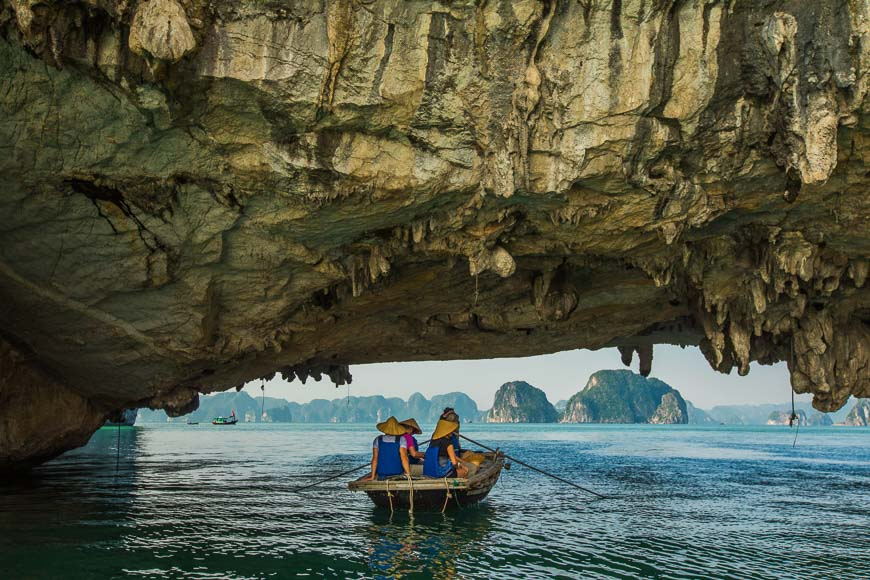
Understanding Regional Weather Patterns
Northern Vietnam
In the north, there is a four-season climate. The weather is relatively cool during the dry winter season from November through February, though it can be cold in high-altitude regions such as Sapa. Summer, which lasts from May to August, is considerably hot and humid.
Central Vietnam
The region has warm and dry conditions between January and August, while tropical monsoons with frequent typhoons and storms are observed between September and December.
Southern Vietnam
The south has a comparatively dry season between November and April and a relatively rainy season between May and October.
You should always prepare according to the climate of each region, as this will help significantly when planning your trips to Vietnam.
(2).jpg)
Best Time to Visit Northern Vietnam
Hanoi
Ideal Months to Visit
To sum up, traveling to Hanoi is best in spring when the weather is warmer and in autumn when the heat is gentle. It remains comfortably warm and ideal for outdoor activities during these months, whether for walking or sightseeing tours.
Seasonal Activities and Attractions
Spring (March to April)
Cherry Blossoms: Enjoy the beautiful cherry blossoms in parks like Hoan Kiem Lake and around the Old Quarter.
Festivals: Experience traditional festivals such as the Perfume Pagoda Festival.
Autumn (September to November)
Weather: Clear skies and cool temperatures make it perfect for exploring.
Mid-Autumn Festival: Celebrate with mooncakes and lanterns in the Old Quarter.
Winter (December to February)
Tet Holiday: Experience Vietnam’s Lunar New Year with vibrant markets and cultural displays.
Cool Climate: Enjoy walking tours and the cozy atmosphere of the city.
Summer (May to August)
Lush Greenery: Visit nearby destinations like Ninh Binh for stunning landscapes.
Cooling Treats: Try local specialties like iced coffee and fresh fruit smoothies.
These activities and ideal travel months ensure a memorable visit to Hanoi in Northern Vietnam. For more detailed itinerary options, consider exploring a well-designed hanoi vietnam tour package with Threeland Travel.
.jpg)
Ha Long Bay
Best Weather for Cruising
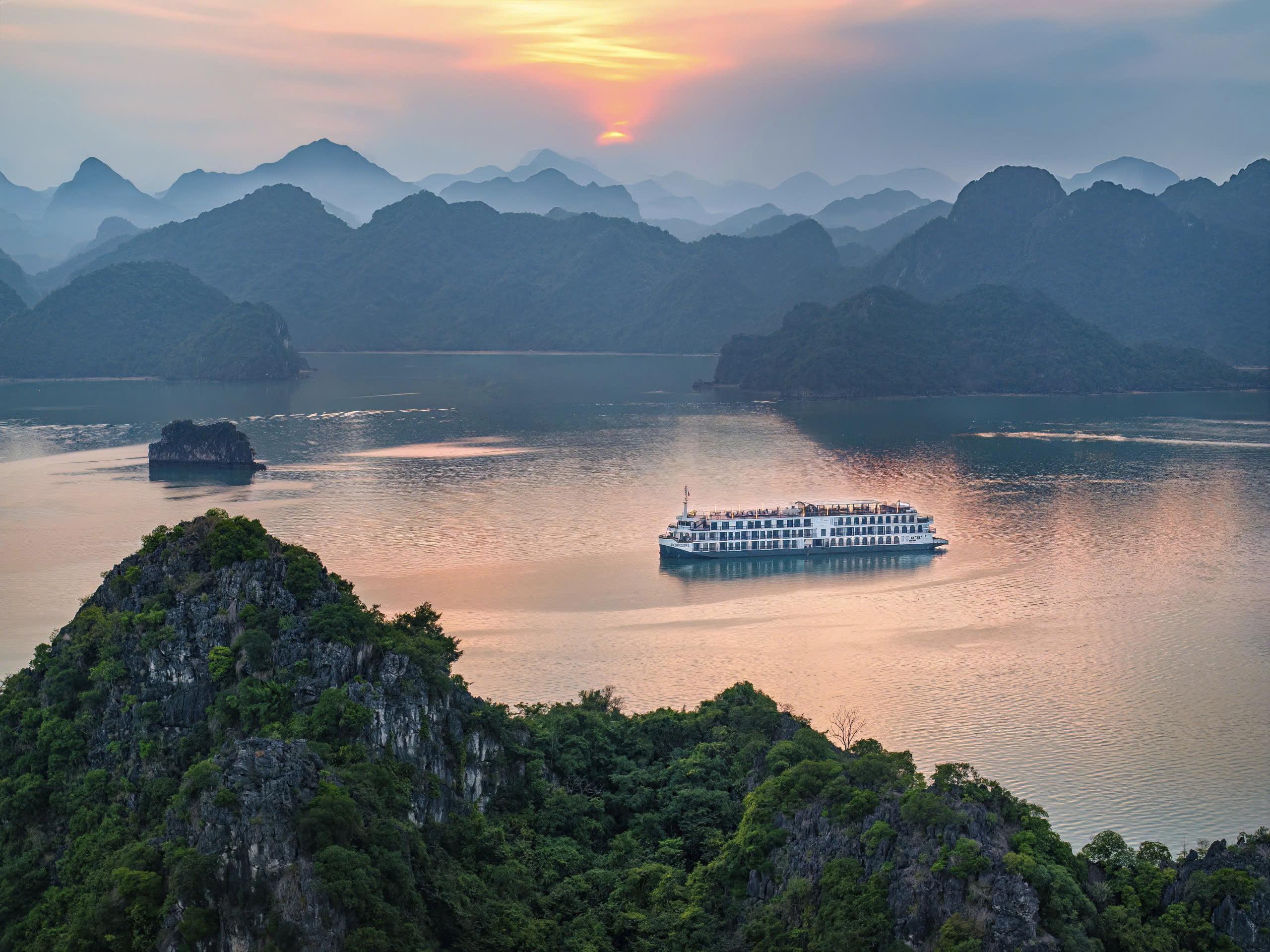
The best period for cruising in Ha Long Bay is during the dry season from October to April. These months offer moderate weather and little precipitation, providing clear skies ideal for cruising.
Highlights of Each Season
Spring (March to April)
Mild Temperatures: Perfect for kayaking and exploring limestone caves.
Blooming Scenery: The bay is surrounded by lush green landscapes.
Summer (May to August)
Warm Weather: Great for swimming and beach activities.
Occasional Rain: Be prepared for sudden showers but enjoy fewer crowds.
Autumn (September to November)
Pleasant Climate: Ideal for sailing and sightseeing.
Clear Skies: Perfect for photography and stunning sunsets.
Winter (December to February)
Crisp Air: Experience the mystical fog that sometimes envelops the bay.
Quieter Season: Enjoy a more tranquil experience with fewer tourists.
.jpg)
Sapa
When to Experience Rice Terraces and Trekking
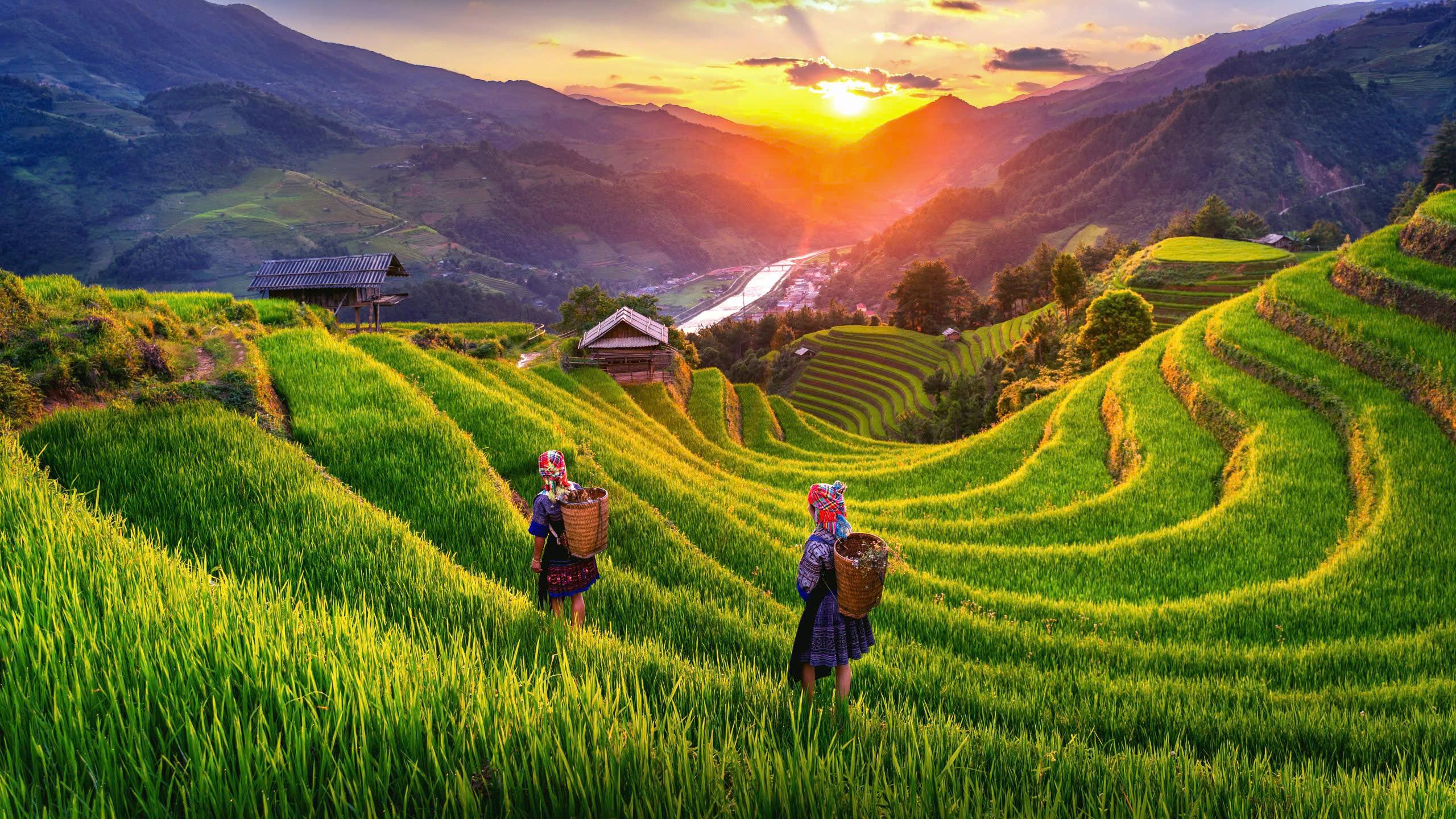
If you are planning to visit the rice terraces and go trekking in Sapa, October to November is the best time. During this period, the terraces transform into a beautiful golden color, making it perfect for viewing and photography.
Rice Harvest: The terraces turn golden, offering stunning panoramas. This is the ideal time to marvel at the layered fields across the hills.
Trekking: The weather is cool and dry, making it perfect for trekking. Explore picturesque landscapes and visit ethnic minority villages such as the Hmong and Dao communities. Guided treks provide insights into local culture and breathtaking views.
Winter in Sapa: Snow and Scenic Views
Winter, from December to February, occasionally brings snowfall, creating a magical, serene atmosphere.
.jpg)
Best Time to Visit Central Vietnam
Hue
Weather and Best Months to Visit
The best season to visit Hue is from February to April, as the weather is relatively cool and dry. These months are ideal for cultural sightseeing, as temperatures are comfortable for exploring the city’s heritage sites.
Seasonal Festivals and Events
Hue Festival (April): A biennial event showcasing traditional music, dance, and art performances celebrating the city’s cultural heritage.
Perfume Pagoda Festival (February to March): A spiritual festival attracting pilgrims and tourists with rituals and cultural activities.
.jpg)
Hoi An
When to Experience the Lantern Festival
The Lantern Festival is celebrated on the evening of the 14th day of each lunar month in Hoi An. During this time, the Old Town is beautifully illuminated with colorful lanterns, accompanied by local music and performances.
Best Times for Beaches and Sightseeing
The best time for beaches and sightseeing in Hoi An is from February to April. The weather is warm and dry, perfect for enjoying the beaches and exploring the charming streets and historical landmarks.
.jpg)
Da Nang
Best Weather for Beach Activities
The best season for beach activities in Da Nang is between March and September due to favorable weather conditions. These months offer warm, sunny climates ideal for swimming, sunbathing, and water sports.
Seasonal Events and Festivals
Da Nang International Fireworks Festival (April to June): A spectacular event featuring fireworks displays from teams around the world.
Quan The Am Festival (March): A cultural and religious festival held at the Marble Mountains, celebrating the Buddhist deity Quan The Am with traditional activities.
These months provide the perfect combination of enjoyable weather and exciting cultural experiences in Da Nang.
.jpg)
Best Time to Visit Southern Vietnam
Ho Chi Minh City
Ideal Time for Exploring the City
Tourists wishing to explore Ho Chi Minh City should visit between December and April. The climate is dry and reasonably cool during these months, making it excellent for sightseeing and travel.
Festivals and Cultural Events by Season
Tet Festival (January or February): Celebrate the Vietnamese Lunar New Year with vibrant markets and traditional performances.
Reunification Day (April 30th): Experience parades and commemorative events.
Mid-Autumn Festival (September): Enjoy lantern displays and cultural performances.
.jpg)
Mekong Delta
Best Months for River Cruises
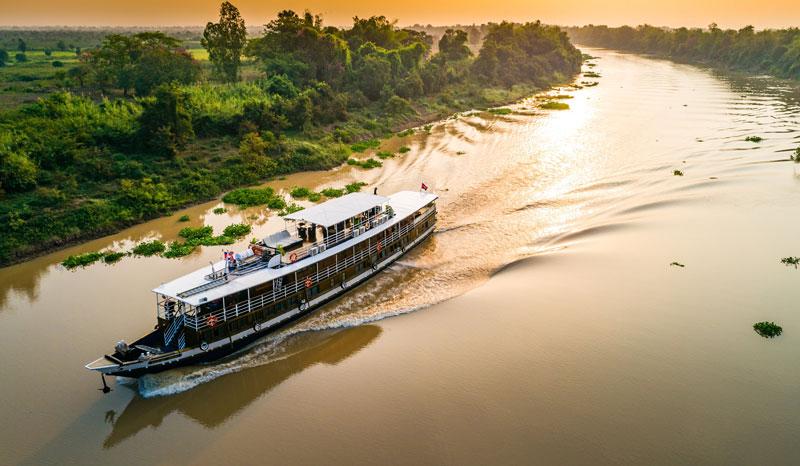
River cruising in the Mekong Delta is ideal between November and April, the dry season in Vietnam. This warm and dry period offers excellent conditions for water tours, nature sightseeing, and immersive experiences often included in a thoughtfully designed vietnam eco tour package.
Seasonal Fruit Harvests and Markets
From May to August, enjoy tropical fruits such as mangoes, longans, and rambutans. Visit floating markets like Cai Rang and Phong Dien, where produce is sold directly from boats.
.jpg)
Phu Quoc
When to Enjoy the Beaches
The best period for sun and sea in Phu Quoc is from November through March, although the island remains warm year-round. These months offer sunny and dry weather ideal for swimming and water sports.
Monsoon Season and Travel Tips
The monsoon season runs from May to October, bringing heavy rains and strong winds. If visiting during this time, plan indoor activities and prepare for possible travel disruptions. It is advisable to check weather forecasts and book accommodations with flexible cancellation policies.
.jpg)
Vietnam’s Seasonal Highlights
Spring (March to May)
Cherry Blossoms and Festivals
Northern Vietnam is especially beautiful during spring when cherry blossoms bloom. This season is also filled with festivals such as the Perfume Pagoda Festival.
Best Destinations to Visit
Hanoi
Hue
Sapa
Spring offers pleasant weather and vibrant cultural experiences throughout Vietnam.
.jpg)
Summer (June to August)
Beach Destinations and Outdoor Activities
Vietnam features excellent beach destinations during summer, including Da Nang, Nha Trang, and Phu Quoc. These are ideal for swimming, sunbathing, snorkeling, surfing, and water sports. Many luxury vietnam tours also highlight these coastal regions for their upscale resorts and private beach experiences. You can also enjoy hiking in the northern mountains or exploring caves in Phong Nha-Ke Bang National Park.
Avoiding the Rainy Season
To avoid the rainy season, focus on coastal regions in Central Vietnam where the climate remains relatively dry. Dress appropriately and keep travel plans flexible in case of rain.
.jpg)
Autumn (September to November)
Scenic Views and Harvest Festivals
Northern Vietnam is at its most beautiful during autumn. The rice terraces in Sapa turn golden, creating breathtaking landscapes. Harvest festivals also take place during this period.
Popular Destinations for Autumn Travel
Sapa
Hanoi
Ha Long Bay
Autumn provides a perfect blend of natural beauty and cultural richness across Vietnam.
.jpg)
Winter (December to February)
Winter Festivals and Events
Winter includes Tet, the Lunar New Year, marked by traditional decorations, cultural practices, and celebrations. This period is also popular for vietnam off season travel in certain regions, offering unique cultural immersion experiences. You can expect colorful markets and evening performances throughout the country.
Best Places for a Winter Getaway
Hanoi
Sapa
Ho Chi Minh City
Winter offers a unique opportunity to experience Vietnam’s cultural heritage and diverse climates.
.jpg)
Travel Tips for Visiting Vietnam Year-Round
Packing Essentials for Each Season
Spring (March to May): Light layers for cool mornings and warm afternoons; comfortable shoes for festivals and outdoor activities.
Summer (June to August): Lightweight clothing; swimwear; rain gear for unexpected showers.
Autumn (September to November): Waterproof jacket; hiking boots for northern trekking.
Winter (December to February): Warm clothing for the north; lighter attire for the south.
Tips for Booking Flights and Accommodations
Book Early: Secure flights and accommodations during peak seasons and major festivals. Threeland Travel offers excellent packages to suit your needs.
Flexible Dates: Consider flexible travel dates for better deals.
Local Options: Explore local guesthouses and homestays for authentic experiences.
Dealing with Weather Variations Across Regions
Research: Check regional weather forecasts before planning activities.
Adaptability: Be prepared to adjust plans due to sudden weather changes, especially during the rainy season.
Transportation: Use trains and buses when necessary to accommodate route changes.
.png)
Conclusion
With exceptional provinces and cities, Vietnam offers diverse experiences throughout the year. Spring and autumn are ideal for scenic views and cultural festivals, summer is perfect for sunny beach escapes, and winter allows visitors to experience Tet and other traditional celebrations.
Plan your visit according to your preferred travel style—historical, adventurous, or cultural—and consider embracing sustainable travel vietnam to support local communities and preserve the country’s natural and cultural heritage. Let Threeland Travel help you design your dream Vietnam vacation with options tailored to your interests.
FAQs About Visiting Vietnam
What is the best time to visit Vietnam for beaches?
The best time is from June to August when the sun shines brightly, especially in Phu Quoc, Da Nang, and Nha Trang.
Is it advisable to visit Vietnam during the rainy season?
Yes, travel is possible between May and October. Although rain may occur, you will experience fewer crowds and lush greenery. Flexible planning is recommended.
How does the climate affect travel plans in Vietnam?
Vietnam’s climate varies by region. It is important to research your destination carefully and pack accordingly to ensure a smooth and enjoyable trip
Turn This Into Your Real Trip
Let our local experts design the perfect itinerary for you. It’s free, personalized, and take less than 24 hours !
 No obligation100% personalizedBest Price Guarantee2M$ Liability Insurance