


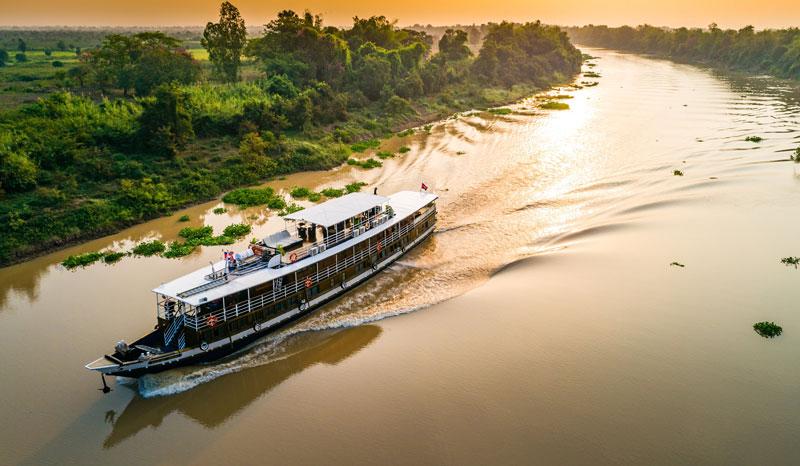
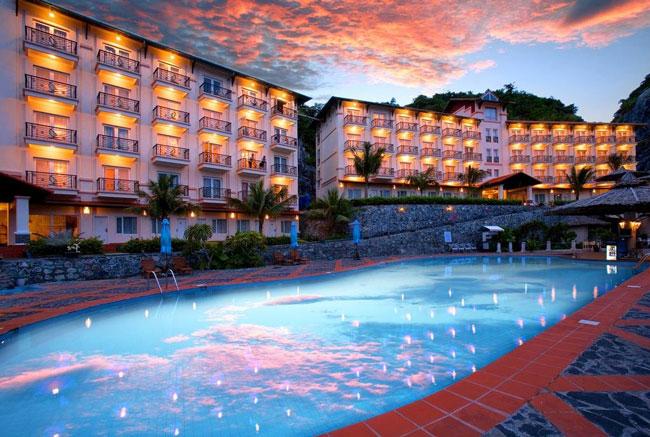



Planning a vietnam trip? Let us help.
Get personalized travel plan based on your interest, budget and preferred travel dates
Planning a trip to Vietnam and wondering if Halong Bay is worth visiting? This complete Halong Bay travel guide covers everything you need to know, from top attractions and cruise experiences to travel tips, best time to visit, and costs. Discover why Halong Bay is one of the most breathtaking destinations in Southeast Asia.
TABLE OF CONTENTS
1
Why Is Halong Bay So Famous?
2
Is Halong Bay Worth Visiting for First-Time Travelers to Vietnam?
3
What Are the Best Things to Do in Halong Bay?
1. Take an Overnight Cruise
2. Kayak Through Hidden Lagoons
3. Explore Thien Cung and Sung Sot Caves
4. Visit a Floating Fishing Village
5. Swim and Sunbathe on Secluded Beaches
6. Watch the Sunrise from the Deck
4
What Is the Best Time to Visit Halong Bay?
Peak Season: October to April
Summer Season: May to September
What About Fog?
5
How Do You Get from Hanoi to Halong Bay?
By Road (Most Common)
By Seaplane (Premium Option)
By Train + Bus
6
Is the Halong Bay Cruise Experience Worth the Cost?
7
What Should You Know Before You Go? (Practical Travel Tips)
Pack for the Water
Choose the Right Pier
Don't Skip the Early Morning
Book in Advance for Peak Season
Consider a 3-Day, 2-Night Itinerary
Respect the Environment
8
How Does Halong Bay Compare to Other Vietnam Natural Wonders?
9
Is Halong Bay Overrated?
10
Final Verdict: Is Halong Bay Worth Visiting?
The short answer to the question is: Yes absolutely. Halong Bay Vietnam is one of Southeast Asia's most breathtaking destinations, and for most travelers, it ranks as the single most memorable moment of their entire Vietnam trip. A UNESCO World Heritage Site since 1994, this emerald-green seascape of over 1,600 limestone karsts rising from the Gulf of Tonkin is the kind of place that looks like a painting because it basically is one.
But "worth visiting" is a layered question. Is it worth the cost? The journey from Hanoi? The crowds? This Halong Bay travel guide breaks it all down honestly, practically, and with real traveler insights so you can decide for yourself.
Why Is Halong Bay So Famous?
 Halong Bay has earned its reputation as one of Vietnam's natural wonders for a reason. The bay stretches across roughly 1,553 square kilometers and is dotted with thousands of limestone islands formed over 500 million years of geological activity. The name "Hạ Long" translates to "Descending Dragon" rooted in a Vietnamese legend that tells of dragons sent by the gods to defend the land, their bodies forming the islands and islets as they plunged into the sea.
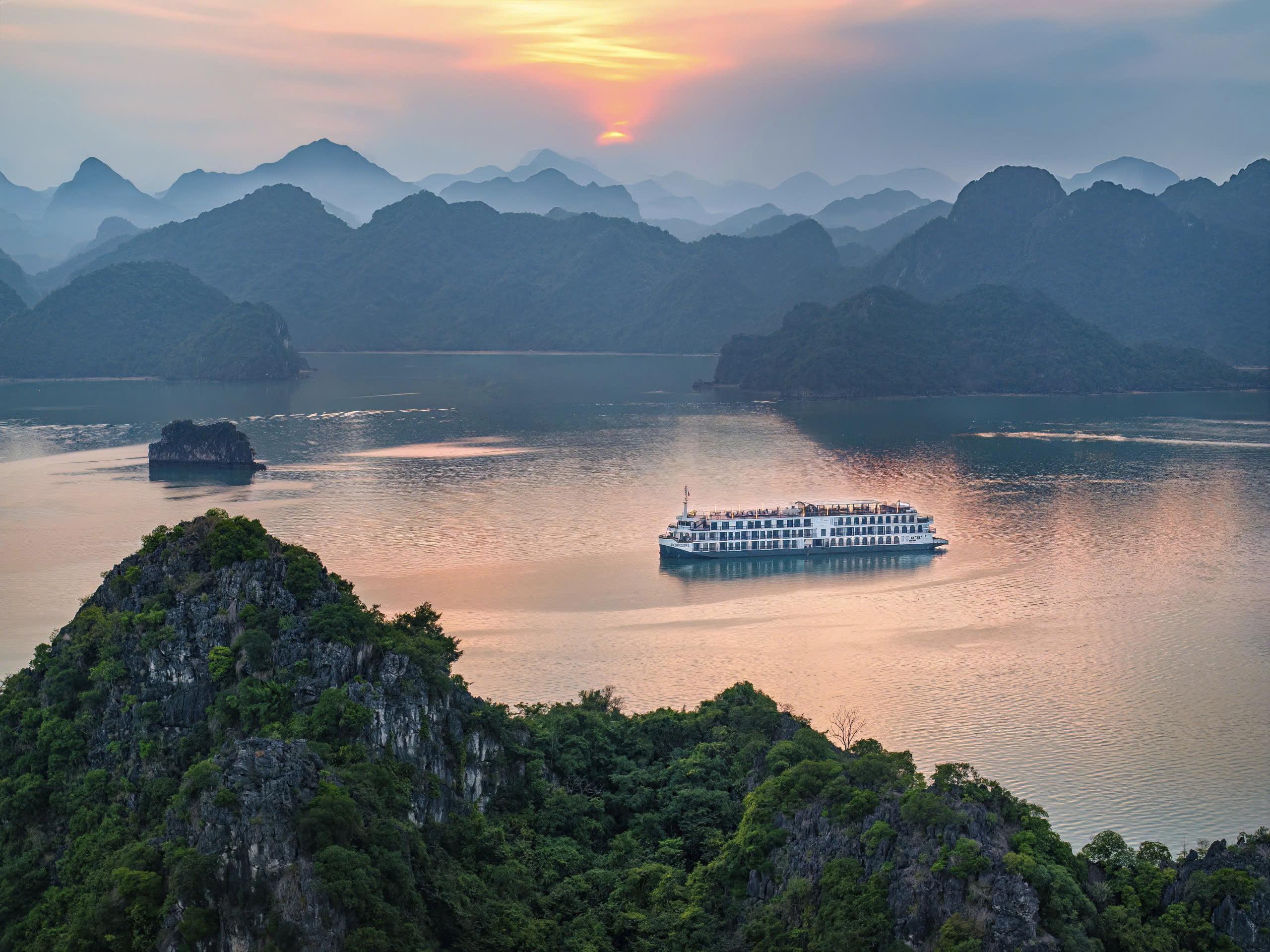
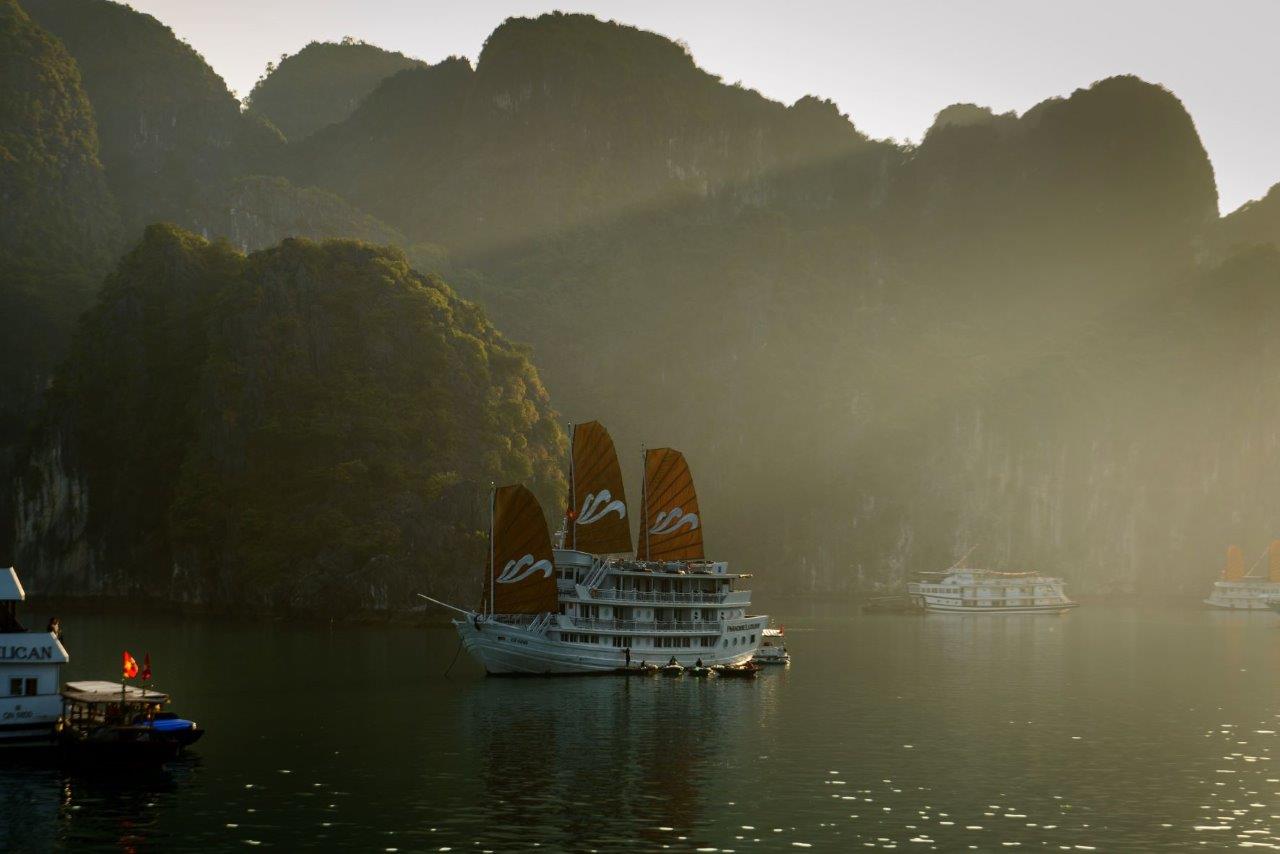
What makes Halong Bay Vietnam truly special is not just its scale, but the way it shifts with the light. At dawn, mist hovers over the water between the karsts, creating an almost otherworldly stillness. By midday, the water turns a vivid jade green. At sunset, the limestone towers glow amber and rose. Every hour looks different.
Beyond scenery, the bay is home to floating fishing villages, sea caves, hidden lagoons, and rich marine biodiversity — making it as culturally rich as it is visually stunning.
Is Halong Bay Worth Visiting for First-Time Travelers to Vietnam?
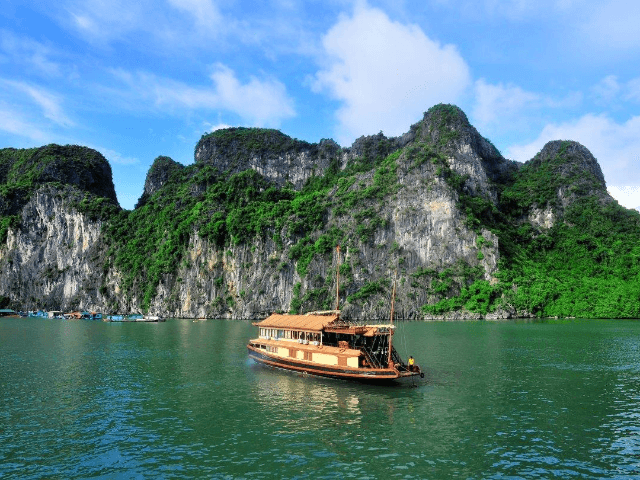
.jpg) For first-time visitors on a Vietnam tour package, Halong Bay is essentially non-negotiable. Most itineraries build around it — and with good reason. The bay offers an experience completely unlike anything else in Vietnam. While Hanoi gives you history and street food, and Ho Chi Minh City gives you energy and modernity, Halong Bay gives you silence, nature, and scale.
For first-time visitors on a Vietnam tour package, Halong Bay is essentially non-negotiable. Most itineraries build around it — and with good reason. The bay offers an experience completely unlike anything else in Vietnam. While Hanoi gives you history and street food, and Ho Chi Minh City gives you energy and modernity, Halong Bay gives you silence, nature, and scale.
Travelers who book through operators like Threeland Travel often describe the Halong Bay cruise experience as the emotional peak of their trip. Watching the karsts emerge from the early morning fog from the bow of a wooden junk boat that's the kind of moment people come back from and can't stop talking about.
If you're visiting Vietnam for the first time and have limited time, a two-day, one-night overnight cruise Halong Bay itinerary is the minimum. Three days gives you time to breathe, kayak the hidden coves, visit caves, and watch the stars from the deck without feeling rushed.
What Are the Best Things to Do in Halong Bay?
The bay is not a one-activity destination. Here's what most travelers prioritize:
1. Take an Overnight Cruise
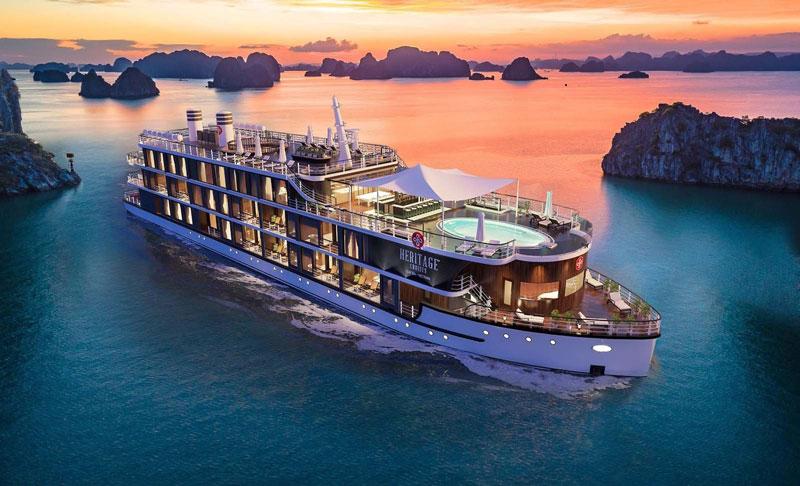
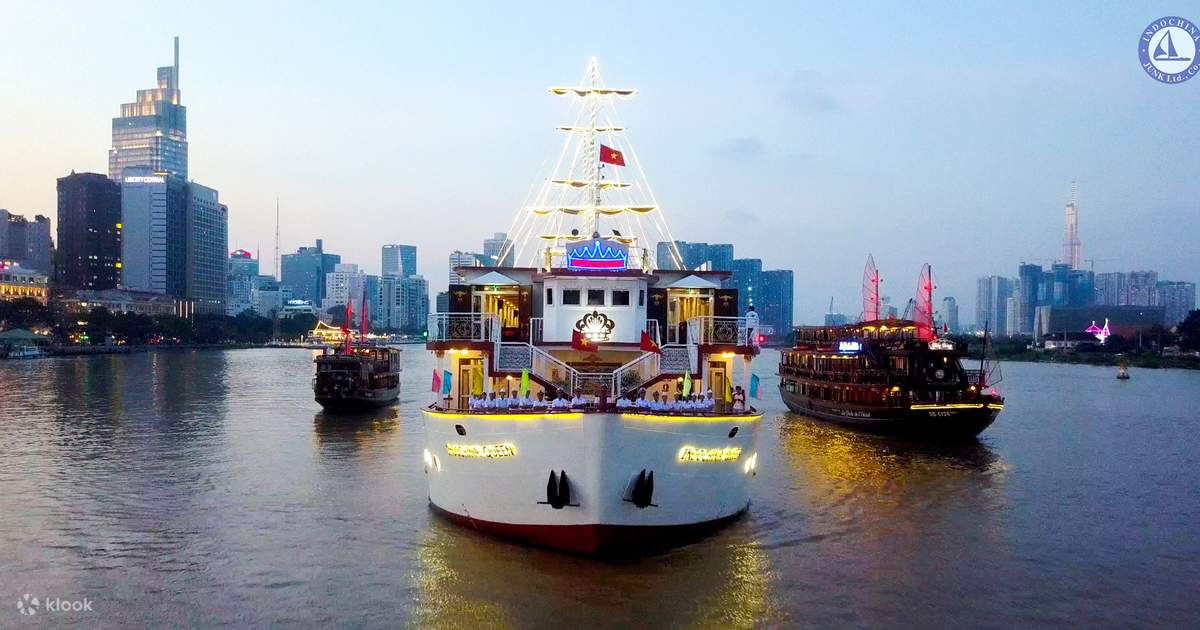 The overnight cruise Halong Bay experience is the gold standard. Spending a night on the water lets you see the bay at different hours sunset, late night under the stars, and early morning mist none of which are possible on a day trip. Most cruise ships are elegantly fitted wooden junks with private cabins, onboard dining, and sun decks.
2. Kayak Through Hidden Lagoons
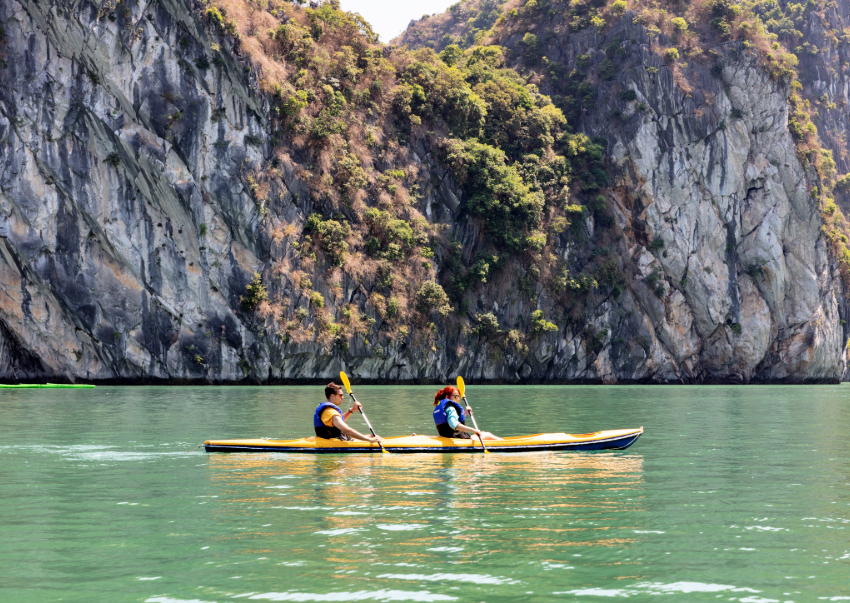
Kayaking is one of the best things to do in Halong Bay. Many caves and lagoons are only accessible by kayak, offering an up-close encounter with the limestone formations. Paddle through low-arched cave openings to emerge in completely enclosed lagoons surrounded by towering karsts one of the most surreal experiences in Southeast Asia.
3. Explore Thien Cung and Sung Sot Caves
 The caves of Halong Bay are dramatic and elaborate. Sung Sot (Surprise Cave) is the largest and most visited a two-chamber cavern full of stalactites and stalagmites illuminated by colored lights. Thien Cung (Heavenly Palace Cave) is known for its intricate formations and folklore. Both are worth visiting and typically included in cruise itineraries.
4. Visit a Floating Fishing Village
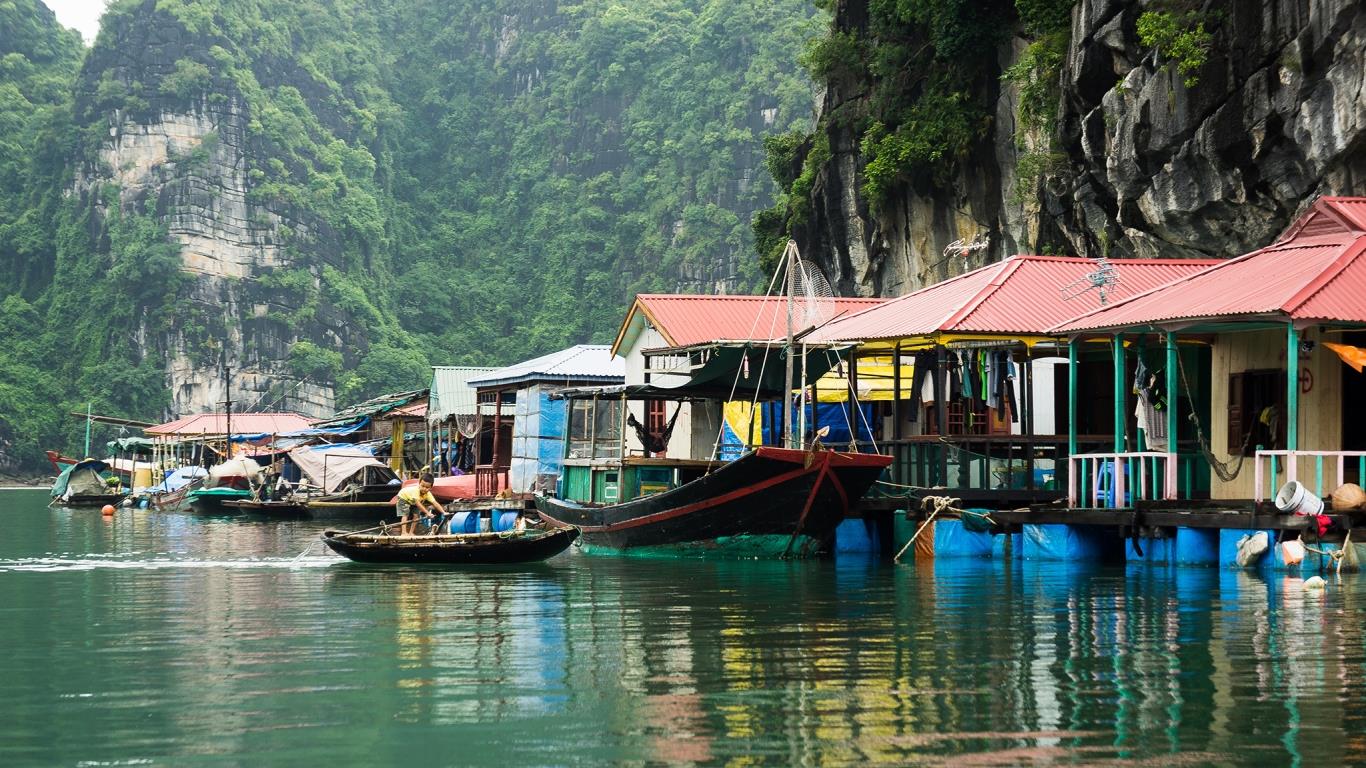 Cua Van Floating Village is the oldest and most well-preserved fishing community in the bay, home to generations of families who have lived on the water. A visit by bamboo rowboat gives a rare glimpse into a vanishing way of life one that is increasingly rare in modern Vietnam.
5. Swim and Sunbathe on Secluded Beaches
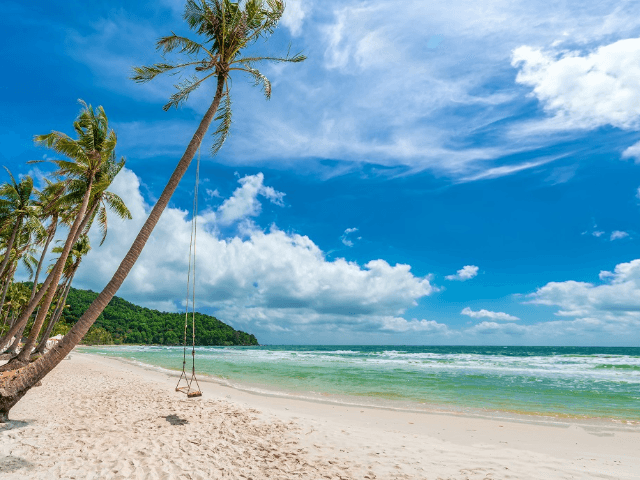
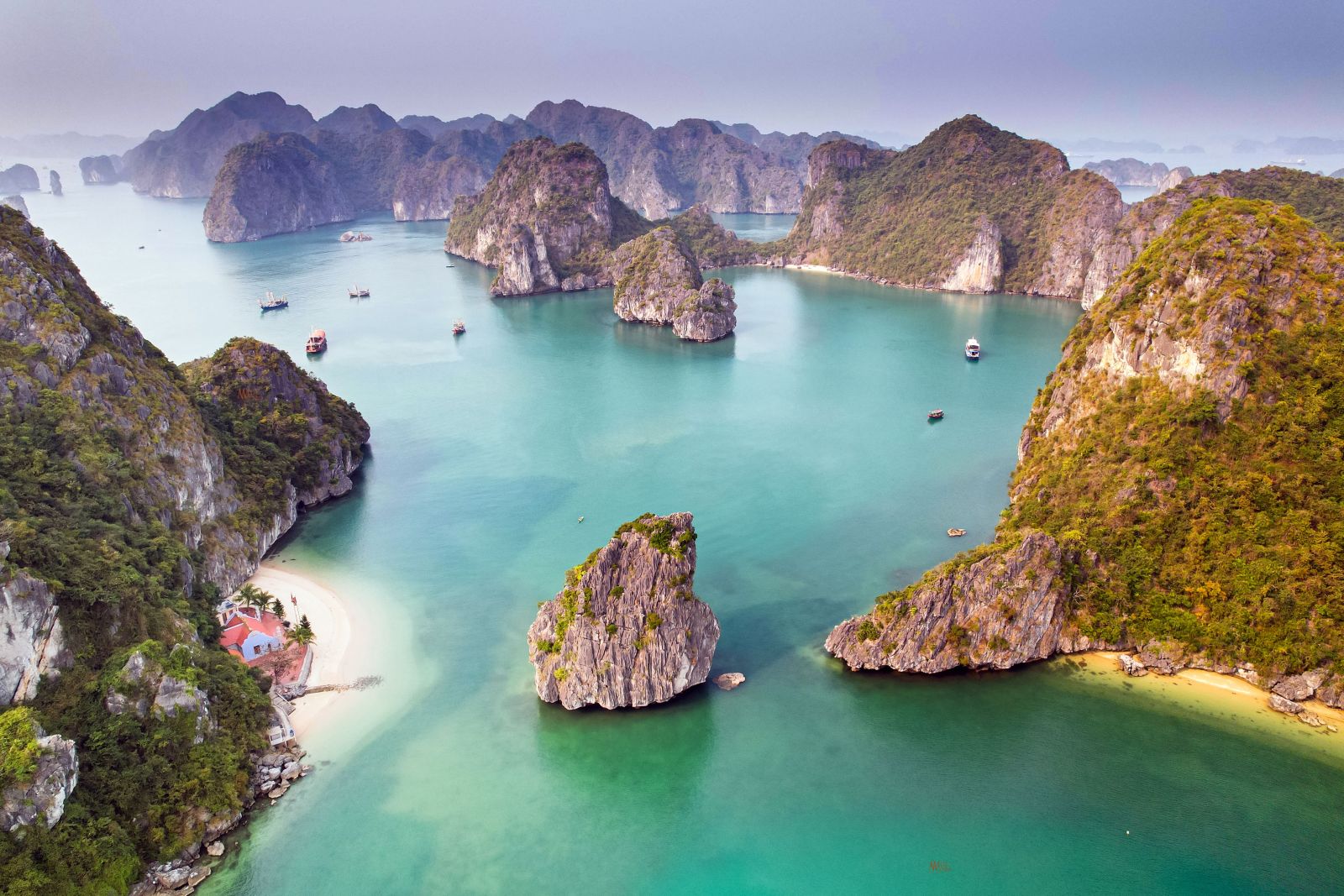
.jpg) Several spots in the bay offer beautiful small beaches. Ti Top Island has a curved white-sand beach and a hilltop viewpoint that offers a panoramic view of the surrounding karsts. The climb is steep but the reward is one of the most photographed views in all of Halong Bay, Vietnam.
Several spots in the bay offer beautiful small beaches. Ti Top Island has a curved white-sand beach and a hilltop viewpoint that offers a panoramic view of the surrounding karsts. The climb is steep but the reward is one of the most photographed views in all of Halong Bay, Vietnam.
6. Watch the Sunrise from the Deck
Set your alarm for 5:30 AM. No regrets. Watching the sun rise over Halong Bay from the deck of your cruise ship coffee in hand, mist lifting over the limestone formations is one of those rare travel moments that genuinely lives up to the expectation.
What Is the Best Time to Visit Halong Bay?
This is one of the most searched questions about the destination and the answer matters.
Peak Season: October to April
The best time to visit Halong Bay for most travelers is between October and April, when the weather is dry and clear. Temperatures are cooler (around 17–25°C), visibility is excellent, and calm seas make cruising comfortable. December through February is particularly beautiful, though it can get chilly on the water at night.
Summer Season: May to September
The summer months bring warmth but also humidity, rain, and the occasional tropical storm. From June to August, typhoon activity can occasionally disrupt cruise schedules. However, this is also considered Vietnam off-season travel for Halong Bay, which means fewer crowds and significantly lower prices on Vietnam vacation packages and cruise bookings. If budget is a priority and you're flexible on weather, May and September are sweet spots warm but not yet at peak storm risk.
What About Fog?
Winter fog (December–February) is common in the bay and is not necessarily a bad thing. While it limits panoramic views, it creates that iconic misty, otherworldly atmosphere that many photographers and travelers actually seek out. It's a different kind of beauty more ethereal than dramatic.
Quick Reference:
|
Month |
Weather |
Crowd Level |
Best For |
|
Oct-Nov |
Dry, mild |
Moderate |
All-round Best |
|
Dec-Feb |
Cool, misty |
High |
Atmosphere & photography |
|
Mar-April |
Warm, clear |
High |
Swimming & kayaking |
|
May-Sep |
Warm, light rain |
Low |
Budget travel |
|
Jun-Aug |
Hot, stormy |
Low-Moderate |
Avoid if possible |
How Do You Get from Hanoi to Halong Bay?
The Hanoi to Halong Bay tour route is well-established. The bay is approximately 170 kilometers east of Hanoi, and most travelers make the journey as part of a guided tour or cruise package.
By Road (Most Common)
Most Vietnam tour packages include a dedicated air-conditioned shuttle or limousine bus from Hanoi to Halong Bay pier. The drive takes roughly 3.5 to 4 hours, depending on traffic. Travelers are typically picked up from their Hanoi hotel and dropped directly at the cruise embarkation point. Threeland Travel's Hanoi Tour Package, for instance, often includes this transfer as part of a seamlessly packaged itinerary.
By Seaplane (Premium Option)
For a premium experience, Hai Au Aviation operates a seaplane service that cuts travel time to about 45 minutes and offers breathtaking aerial views of the bay as you arrive. It's a splurge, but one that many travelers say is worth every dollar.
By Train + Bus
A slower but budget-friendly option is the overnight train from Hanoi to Halong City, though this is less common now that road transfer options have improved significantly.
Is the Halong Bay Cruise Experience Worth the Cost?
Cruises in Halong Bay range dramatically in price, from budget to ultra-luxury. Here's a rough breakdown:
Budget cruises (under $100/night): Basic cabins, standard meals, limited itinerary
Mid-range cruises ($100–$200/night): More comfortable cabins, better food, additional activities like kayaking and cooking classes
Luxury cruises ($200–$500+/night): Private balcony cabins, gourmet dining, spa services, smaller passenger count
Most travelers who prioritize the halong bay cruise experience recommend going mid-range at minimum. The difference in cabin quality, food, and service between budget and mid-range is significant. Budget cruises can feel rushed and crowded; mid-range and above give you the space to actually absorb where you are.
For those booking Vietnam travel packages that include Halong Bay as a stop on a broader itinerary, operators like Threeland Travel typically include a two- or three-night cruise as part of the package at negotiated rates making the per-night cost considerably more affordable than booking independently.
What Should You Know Before You Go? (Practical Travel Tips)
Pack for the Water
Even in the dry season, bring a light waterproof jacket. The bay can get breezy at night, and spray from kayaking is inevitable. Quick-dry clothing is ideal.
Choose the Right Pier
Most cruises depart from Hon Gai Port (newer and less congested) or Tuan Chau Marina. Some still use the old Bai Chay pier. Confirm your departure point when booking it affects your transfer logistics.
Don't Skip the Early Morning
The bay is at its most magical between 5:30 and 8:00 AM. Set your alarm. Sleep can wait. You cannot recreate a Halong Bay sunrise.
Book in Advance for Peak Season
From November through March, popular mid-range and luxury cruises can book out weeks in advance. If your Vietnam trip falls in this window, book your cruise the moment your flights are confirmed.
Consider a 3-Day, 2-Night Itinerary
Two days is the minimum; three days is the sweet spot. With three days, you can explore further into the bay, visit less-crowded areas, and have time for both caves, kayaking, beach stops, and a proper sunrise without feeling like everything is rushed.
Respect the Environment
Halong Bay faces real environmental pressures from tourism. Use cruise operators that follow responsible practices no single-use plastics onboard, no littering in the water, and compliance with anchoring regulations. Your travel choices have a direct impact on the bay's long-term preservation.
How Does Halong Bay Compare to Other Vietnam Natural Wonders?
 Vietnam is stacked with natural wonders, and Halong Bay is often compared to a few others:
Phong Nha Caves (Quang Binh): More dramatic cave systems, fewer crowds, but less of the "on the water" experience
Ha Giang Loop (North Vietnam): Spectacular mountain scenery, better for adventurous road trip travelers
Mekong Delta (South Vietnam): Rich cultural experience with floating markets, but very different in character
Halong Bay stands apart because it offers a unique combination of natural drama, cultural depth, and sheer visual spectacle all from the comfort of a floating boat. No other destination in Vietnam, or arguably in Southeast Asia, replicates that specific experience.
Is Halong Bay Overrated?
This is a fair question, and it deserves an honest answer. Yes, Halong Bay is crowded particularly in peak season, when hundreds of cruise ships dot the water simultaneously. If you're expecting a completely wild, untouched wilderness, you may be surprised by the density of tourism infrastructure.
But the bay is large enough that a well-planned cruise can take you into quieter areas away from the main traffic. Operators who navigate toward Bai Tu Long Bay (the less-visited neighbor to the northeast) or deep into the interior of the bay offer a much more serene experience.
Travelers who find Halong Bay disappointing are almost always those who booked the cheapest cruise, visited in peak summer heat, or did only a day trip. Those who invest even modestly in a mid-range overnight cruise, an extra day, and an operator with a thoughtful itinerary almost universally say it exceeded expectations.
Final Verdict: Is Halong Bay Worth Visiting?
 Yes undoubtedly. Halong Bay is one of those rare destinations that actually lives up to the hype, provided you approach it with the right expectations and a bit of planning.
For travelers exploring Vietnam on a dedicated Vietnam tour package or a broader Vietnam vacation package, Halong Bay should be treated as a centerpiece not an afterthought. Two to three nights on the water, a mid-range or above cruise, and an early alarm clock are all you need to have an experience that will stay with you for years.
Whether you're a first-time traveler to Southeast Asia, a seasoned adventurer, or someone booking a carefully curated Vietnam Tours itinerary, Halong Bay delivers. The limestone karsts, the floating villages, the jade-green water, the mist at dawn it's the kind of beauty that reminds you why travel exists in the first place.
Turn This Into Your Real Trip
Let our local experts design the perfect itinerary for you. It’s free, personalized, and take less than 24 hours !
 No obligation100% personalizedBest Price Guarantee2M$ Liability Insurance