






Planning a vietnam trip? Let us help.
Get personalized travel plan based on your interest, budget and preferred travel dates
Vietnam is an ideal destination to experience cities, nature, and beaches in one trip. With a well-planned 7–12 day itinerary, you can explore vibrant cities, enjoy scenic landscapes, and relax on beautiful beaches all in a smooth north-to-south journey.
TABLE OF CONTENTS
1
Why is Vietnam Perfect for a Multi-Experience Trip?
2
Best Destinations to Combine in One Vietnam Trip
Beach Destinations for Relaxation
Nature Destinations for Scenic Beauty
3
How to Plan the Perfect Vietnam Itinerary
4
Sample 10-Day Vietnam Trip Itinerary
5
Tips to Balance Beaches, Cities, and Nature
6
Customize Your Vietnam Travel Experience
7
Explore Multi-Destination Options
Combine Vietnam with Cambodia
Add Laos for a deeper adventure
Why add more countries?
8
FAQs
9
Final Thoughts
Have you ever wished for a vacation that gives you a little bit of everything?
One day you want to explore busy streets and taste amazing street food. The next day you dream of lying on a white sand beach with a cold drink.
And by the end of the week, you feel like hiking through green mountains or cruising past limestone cliffs.
Is it possible to do all this in one trip?
Yes, absolutely. And Vietnam is the perfect place to make it happen.
Vietnam is a long, narrow country that stretches from the mountains of the north to the tropical islands of the south.
This shape makes it easy to move between different worlds. You can start in a buzzing city, then take a short flight or train ride to a quiet beach or a lush nature spot.
Many Vietnam tours are designed exactly for this kind of variety. Working with a good Vietnam travel agency can help you connect all the dots without stress.
Yes, you can easily combine beaches, cities, and nature in one Vietnam trip. The best way is to travel from north to south (or south to north) over 7 to 12 days.
Start with a city like Hanoi or Ho Chi Minh City, add a nature stop like Ha Long Bay or Sapa, then finish at a beach like Phu Quoc or Da Nang. Many Vietnam travel packages offer this perfect mix.
Let us walk you through exactly how to plan this balanced adventure. You will learn the best destinations, a sample itinerary, and smart tips to make everything flow smoothly.
Why is Vietnam Perfect for a Multi-Experience Trip?
Vietnam is not a one-note destination. It has towering mountains, dense jungles, deep caves, peaceful rice terraces, bustling metropolises, and some of the most beautiful coastlines in Asia.
The country runs for more than 1,600 kilometers (1,000 miles) from north to south. This long shape means different regions have completely different feels.
In the north, you find historic Hanoi, the dramatic limestone peaks of Ha Long Bay, and the cool hill country of Sapa. The central region gives you the ancient town of Hoi An, the imperial city of Hue, and the beach hub of Da Nang.
The south offers the nonstop energy of Ho Chi Minh City, the winding rivers of the Mekong Delta, and the palm-fringed beaches of Phu Quoc Island.
The best part? Vietnam has excellent and affordable transport. Domestic flights are cheap and quick. Trains and buses connect most tourist spots.
You can wake up in a city, have lunch in the mountains, and watch the sunset on a beach – all in one day if you really want to. But we recommend a slower, more enjoyable pace.
Working with a trusted Vietnam tour company makes this even easier. They know the best routes, the right travel times, and how to mix different experiences without wasting a single day.
Best Destinations to Combine in One Vietnam Trip
Before you build your itinerary, you need to know your options. Here are the top picks for cities, beaches, and nature in Vietnam.
Cities for Culture and Urban Experiences
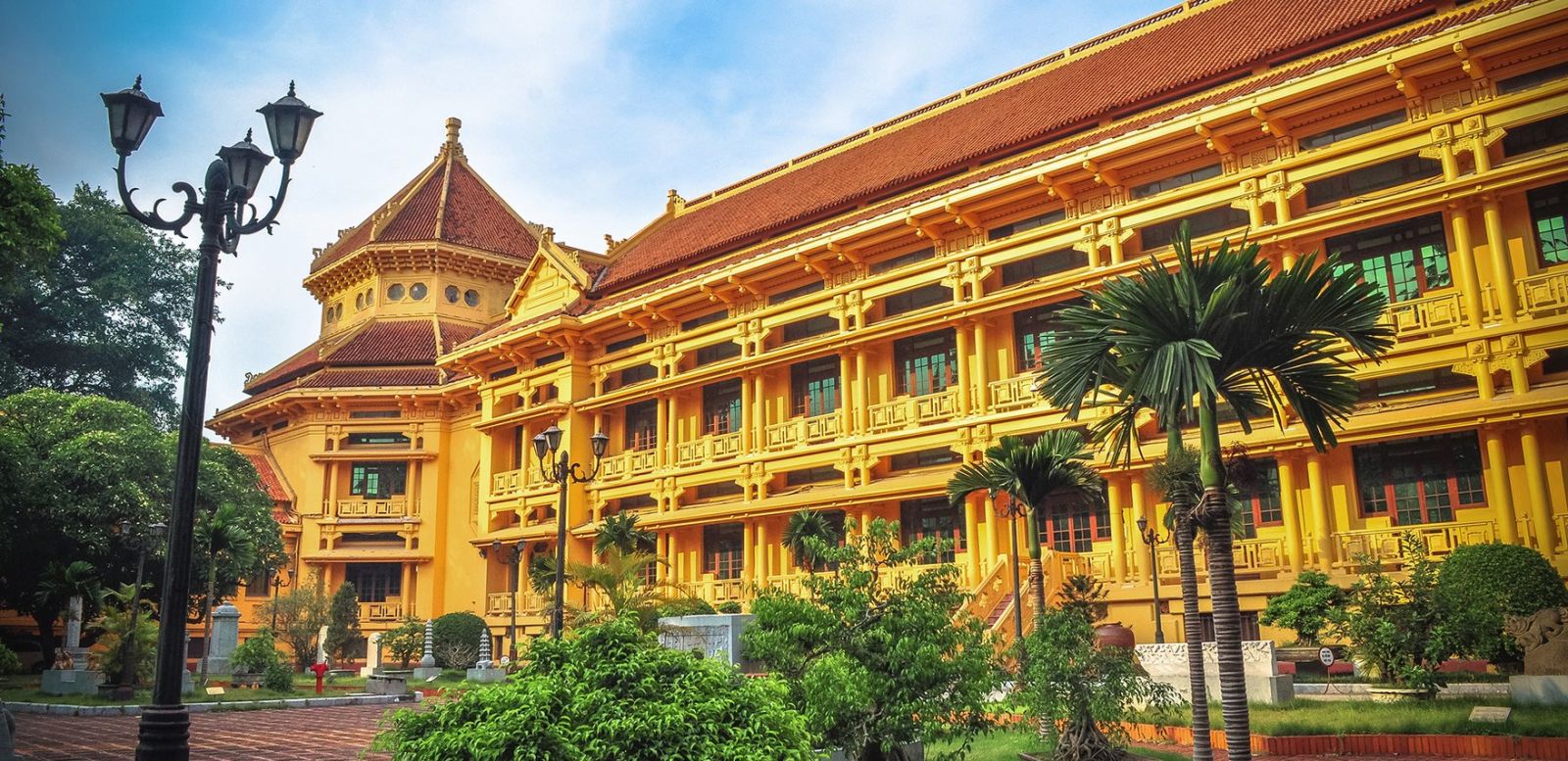
- Hanoi (North): The capital city is a beautiful mix of old and new. Walk through the narrow streets of the Old Quarter. Visit the historic Hoan Kiem Lake. Try egg coffee and bun cha (grilled pork with noodles). Hanoi gives you real Vietnamese culture without overwhelming crowds.
- Ho Chi Minh City (South): Formerly called Saigon, this city never sleeps. See the French colonial architecture, visit the War Remnants Museum, and explore the famous Cu Chi Tunnels just outside the city. The energy here is electric.
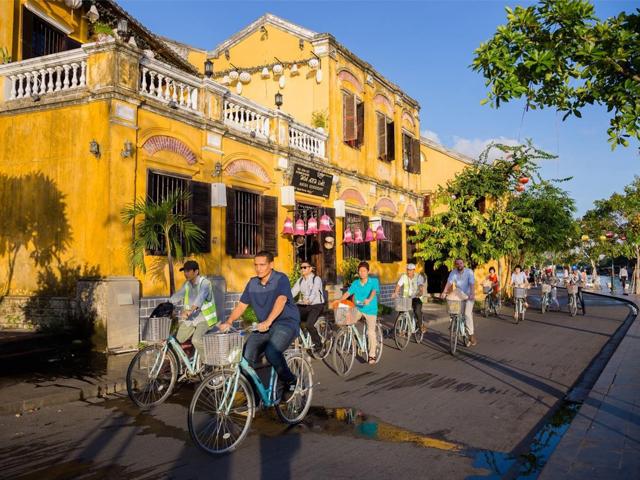
- Hoi An (Central): This is a small, charming city that feels like a living museum. The lantern-lit streets, yellow buildings, and tailor shops make it a favorite. It is also very close to beaches, so you get to the city and coast in one stop.
Beach Destinations for Relaxation
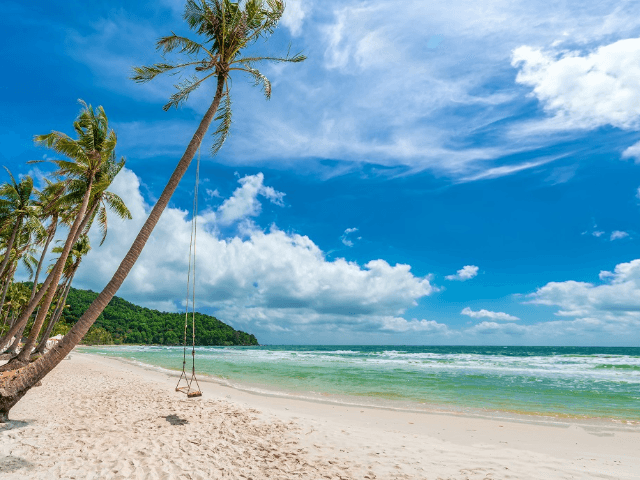
- Phu Quoc (South): An island in the Gulf of Thailand with crystal-clear water and long white sand beaches. Perfect for swimming, snorkeling, and doing nothing at all. It is Vietnam’s top beach getaway.
- Da Nang (Central): A modern coastal city with a stunning 30-kilometer beach called My Khe. It is clean, safe, and lined with great seafood restaurants. Da Nang is also close to Hoi An and the Marble Mountains.
- Nha Trang (South Central): Known for its lively beach scene, Nha Trang offers calm water, island hopping, and a long promenade. It is great for travelers who want beach activities plus nightlife.
- Quy Nhon (Central): A quieter, less crowded beach option. If you want peace and local life without big resorts, Quy Nhon is a hidden gem.
Nature Destinations for Scenic Beauty
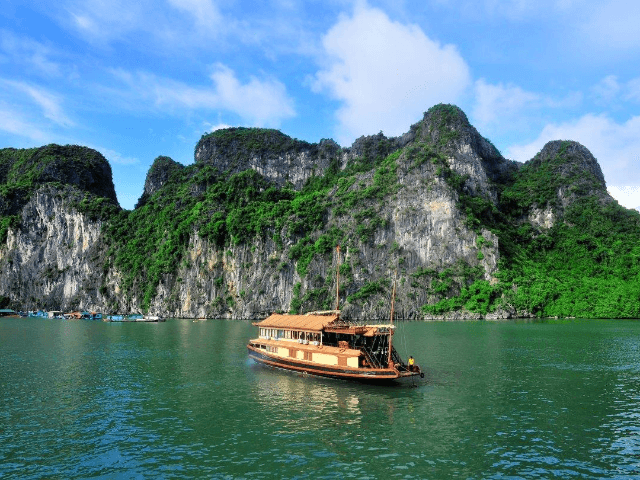
- Ha Long Bay (North): A UNESCO World Heritage site with thousands of limestone islands rising from emerald water. A cruise on Ha Long Bay is a must-do nature experience. You can kayak, swim, and explore caves.
- Sapa (North): Terraced rice fields, misty mountains, and ethnic minority villages. Sapa is for hikers and nature lovers. The views are breathtaking, especially from September to October when the rice turns golden.
- Phong Nha National Park (Central): Home to the world’s largest cave, Son Doong. Even if you do not go inside, you can explore Paradise Cave and dark caves. The jungle and river scenery is wild and beautiful.
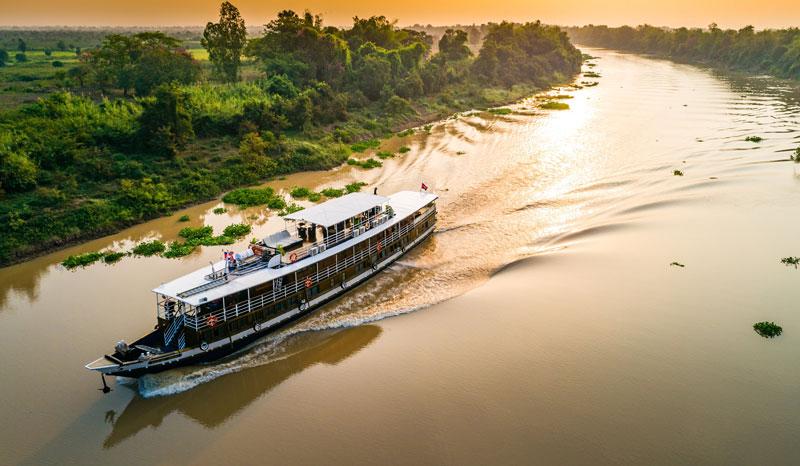
- Mekong Delta (South): A network of rivers, canals, and floating markets. Take a boat trip through coconut groves and see how locals live on the water. It is a different kind of nature – peaceful and green.
How to Plan the Perfect Vietnam Itinerary
Now that you know the top spots, how do you put them together? The key is to choose one or two cities, one or two nature spots, and one beach. Do not try to see everything. Vietnam has so much to offer that you could spend a month and still miss things. Focus on quality, not quantity.
The classic route is north to south (or south to north). This flows naturally and saves travel time. Most Vietnam travel packages follow this direction because it works so well.
How many days do you need to combine beaches, cities, and nature in Vietnam?
You need at least 7 days for a rushed but possible trip. For a comfortable pace with real relaxation, aim for 10 to 12 days. This gives you time to enjoy each stop without constant rushing.
Here is how to balance your days:
- Spend 2 to 3 days in a city (Hanoi or Ho Chi Minh City)
- Spend 2 to 3 days in a nature spot (Ha Long Bay, Sapa, or Phong Nha)
- Spend 2 to 4 days at a beach (Phu Quoc, Da Nang, or Nha Trang)
Add travel days between. Vietnam’s domestic flights take 1 to 2 hours. Trains and buses take longer but show you more countryside. Choose based on your time and comfort.
When you book Vietnam travel packages, look for ones that include internal transport. This saves you from figuring out tickets and schedules on your own.
Sample 10-Day Vietnam Trip Itinerary
- Day 1–2: Hanoi (city experience): Arrive in Hanoi. Spend your first day resting and exploring the Old Quarter. On day two, visit the Ho Chi Minh Mausoleum, the Temple of Literature, and enjoy a traditional water puppet show. Eat pho for breakfast and bun cha for dinner. This is the perfect city start.
- Day 3–4: Ha Long Bay (nature): Take a shuttle bus from Hanoi to Ha Long Bay (about 2.5 hours). Board an overnight cruise. You will see stunning limestone islands, visit a floating fishing village, kayak into hidden lagoons, and sleep on the water. Wake up for tai chi on the deck at sunrise. This is pure natural magic.
- Day 5–6: Hoi An and Da Nang (city + beach): Fly from Hanoi to Da Nang (about 1.5 hours). From Da Nang, it is a 45-minute drive to Hoi An. Spend day five exploring Hoi An’s ancient town, getting clothes tailor-made, and walking along the lantern-lit river. On day six, go to An Bang Beach near Hoi An or visit Da Nang’s My Khe Beach. You get both culture and coast in two days.
- Day 7–8: Phong Nha National Park (nature again – optional): If you love adventure and caves, fly from Da Nang to Dong Hoi (near Phong Nha). Spend two days exploring Paradise Cave and Dark Cave. Zip-line, swim in underground rivers, and hike through jungle. If you prefer more beach time, skip Phong Nha and go directly to Phu Quoc. For this sample, we assume you want both types of nature.
- Day 9–10: Phu Quoc (beach relaxation): Fly from Dong Hoi to Ho Chi Minh City, then connect to Phu Quoc Island. Spend your last two days doing nothing but swimming, sunbathing, and eating fresh seafood. Rent a scooter to explore the island’s quieter beaches. End your trip completely relaxed.
This Vietnam trip package style itinerary gives you two cities (Hanoi and Hoi An), two nature experiences (Ha Long Bay and Phong Nha), and one beach (Phu Quoc). It is a full, balanced adventure.
Tips to Balance Beaches, Cities, and Nature
A balanced trip is not just about picking destinations. It is about how you travel between them. Here are practical tips to keep your vacation enjoyable, not exhausting.
- Avoid overpacking your itinerary: Many travelers try to see five or six places in 10 days. That means a new hotel every night and constant packing and unpacking. You will feel tired, not refreshed. Pick three to four bases maximum. Stay two or more nights in each.
- Choose nearby destinations to save travel time: Instead of jumping from Sapa (far north) to Phu Quoc (far south), group destinations by region. Combine Hanoi with Ha Long Bay and Sapa because they are in the north. Combine Hoi An with Da Nang and Hue because they are in the center. Combine Ho Chi Minh City with the Mekong Delta and Phu Quoc because they are in the south. This cuts travel time dramatically.
- Balance relaxation and exploration: After two busy days of city walking and museum visits, schedule a slow beach day. After a nature hike, plan a lazy morning by the pool. Your body will thank you. A good best vietnam tours package includes both active and restful days.
- Travel in the right season: Vietnam has three different climates. The north has four seasons (cool winters, hot summers). The center has rainy and dry seasons. The south is warm year-round with a wet and dry monsoon. If you travel from September to November, the center (Hoi An, Da Nang) can have heavy rain. From May to October, the south (Phu Quoc) has rain. Check the weather for each region before you book. The best overall months for a full-country trip are March, April, and May.
- Use domestic flights for long distances: Flying from Hanoi to Da Nang or Ho Chi Minh City to Phu Quoc saves hours. Trains and buses are cheaper but much slower. For a 10-day trip, fly between regions. Save the scenic train rides for longer trips.
Customize Your Vietnam Travel Experience
No two travelers are the same. A family with young kids needs a different pace than a group of young friends. A honeymoon couple wants romance while a solo backpacker wants adventure. That is why cookie-cutter Vietnam tours do not always work.
The best solution is to customize your trip. Many Vietnam vacation packages allow you to pick and choose destinations, hotels, and activities. You can start with a ready-made itinerary, then change what you do not like. Want to replace Sapa with a Mekong Delta boat trip? Easy. Want to add two more beach days? No problem.
When you book a Vietnam tour package, look for flexibility. A good tour package for Vietnam should let you:
- Choose your own hotels (budget, mid-range, or luxury)
- Decide how long to stay in each place
- Add or remove activities
- Pick private or group transport
- Include special requests like cooking classes or photography tours
If you want a fully planned trip without the stress of doing everything yourself, consider a vietnam travel tour packages option from a trusted company. They handle flights, hotels, guides, and tickets. You just show up and enjoy yourself.
For travelers who like company, Vietnam group tour packages are a great choice. You share the experience with 8 to 12 other travelers. The cost is lower, and you make new friends. The itinerary is fixed, but it is usually well balanced between cities, nature, and beaches.
No matter which style you choose, the key is to plan ahead. Vietnam is a popular destination. Good hotels and cruises book up months in advance, especially from October to April. Work with a Vietnam country tour specialist to secure the best options.
Explore Multi-Destination Options
Vietnam is amazing on its own, but it is also a gateway to the rest of Southeast Asia. If you have more than two weeks, you can easily add neighboring countries to your trip.
Combine Vietnam with Cambodia
Cambodia is right next door. The most famous attraction is Angkor Wat in Siem Reap, one of the largest religious monuments in the world.
Many travelers do a two-week trip: start in Hanoi, go down to Ho Chi Minh City, then cross the border to Phnom Penh (Cambodia’s capital) or fly to Siem Reap.
You can find excellent Cambodia and Vietnam tours that handle both countries smoothly. Cambodia tours often include the killing fields, Tonle Sap lake, and the beautiful beaches of Sihanoukville.
Add Laos for a deeper adventure
Laos is less visited but equally beautiful. Luang Prabang is a UNESCO town with golden temples and a famous alms-giving ceremony.
Vang Vieng has stunning karst mountains and river tubing. A Laos tour package combined with Vietnam and Cambodia gives you the ultimate Southeast Asia journey. However, this requires at least 18 to 21 days.
Why add more countries?
If you have already traveled far to get to Asia, adding a second or third country makes sense. Flights between Vietnam, Cambodia, and Laos are short and cheap. Visas are easy to get online. And each country offers something different – Vietnam for variety, Cambodia for ancient temples, Laos for slow river life.
FAQs
Can I combine beaches, cities, and nature in one Vietnam trip?
Yes, Vietnam’s geography allows you to experience all three in one trip. The country stretches from mountains in the north to tropical islands in the south. With good planning, you can start in a city like Hanoi, visit a nature spot like Ha Long Bay, and end at a beach like Phu Quoc – all in 10 to 12 days.
How many days are enough for Vietnam?
7–12 days is ideal for a balanced itinerary. With 7 days, you will move quickly and see only the highlights. With 10 to 12 days, you can relax and really enjoy each stop. If you have 14 days or more, you can add off-the-beaten-path destinations or a second country.
What is the best route for a Vietnam trip?
A north-to-south route is the most efficient. Start in Hanoi, travel down to Ha Long Bay, then fly or take the train to Da Nang/Hoi An, and finish in Ho Chi Minh City or Phu Quoc. This follows the country’s shape and minimizes backtracking.
Which are the best beach destinations in Vietnam?
Phu Quoc, Da Nang, and Nha Trang are top choices. Phu Quoc is best for quiet luxury and clear water. Da Nang is great for a city-beach combo with easy access to Hoi An. Nha Trang offers lively nightlife and many water sports. For a hidden gem, try Quy Nhon.
Should I book a Vietnam tour package?
Yes, it helps simplify planning and ensures a smooth experience. A good package includes flights, hotels, transport, and sometimes guides and meals. You save hours of research and avoid mistakes like booking the wrong season or missing visa requirements. Plus, if something goes wrong, your tour company helps fix it.
Final Thoughts
Vietnam is one of the few countries where you can truly have it all. Bustling cities, peaceful nature, and stunning beaches all exist within a few hours of each other. You do not need to choose between culture and relaxation. You can wake up to the sounds of a motorbike-filled street and fall asleep to the gentle waves of the ocean.
The secret is smart planning for Vietnam tours: Pick one or two cities, one nature highlight, and one beach. Give yourself enough days to enjoy each place without rushing. Use flights to cover long distances. Check the weather for each region. And if you feel overwhelmed, book a tour package from a trusted company.
Whether you travel solo, as a couple, with family, or in a group, Vietnam welcomes you with open arms and incredible diversity. Start dreaming about your perfect mix of beaches, cities, and nature. Then go make it happen.
Turn This Into Your Real Trip
Let our local experts design the perfect itinerary for you. It’s free, personalized, and take less than 24 hours !
 No obligation100% personalizedBest Price Guarantee2M$ Liability Insurance