




Planning a trip? Let us help.
Get personalized travel plan based on your interest, budget and preferred travel dates
Plan your first Vietnam trip with practical advice on routes, transport, seasons, food, culture and choosing a trusted travel agency or tour operator.
TABLE OF CONTENTS
1
How to plan a first Vietnam itinerary
Choose depth over a crowded schedule
2
When to travel and what to pack
Plan around local celebrations
3
Getting around Vietnam comfortably
Transport questions to ask before booking
4
Food, culture and responsible travel
Choosing experiences with local value
5
How to choose a Vietnam travel agency
Questions for a tour provider
6
Practical advice for a smoother first visit
7
Frequently Asked Questions
How many destinations should first-time visitors include?
Is it better to travel independently or use an agency?
What should I check before booking a Vietnam tour?
What is Vietnamese food like for travelers with dietary restrictions?
Planning a first trip to Vietnam can feel complex because the country brings together busy cities, historic towns, dramatic landscapes and several distinct regional climates. A good vietnam travel agency in vietnam can simplify the practical decisions, but independent planning is also easier when you understand the main routes, transport choices and cultural details first.
This guide explains how to shape a comfortable Vietnam itinerary, what to expect from local travel and how to compare a private agency, a group operator or a self-guided journey.
How to plan a first Vietnam itinerary
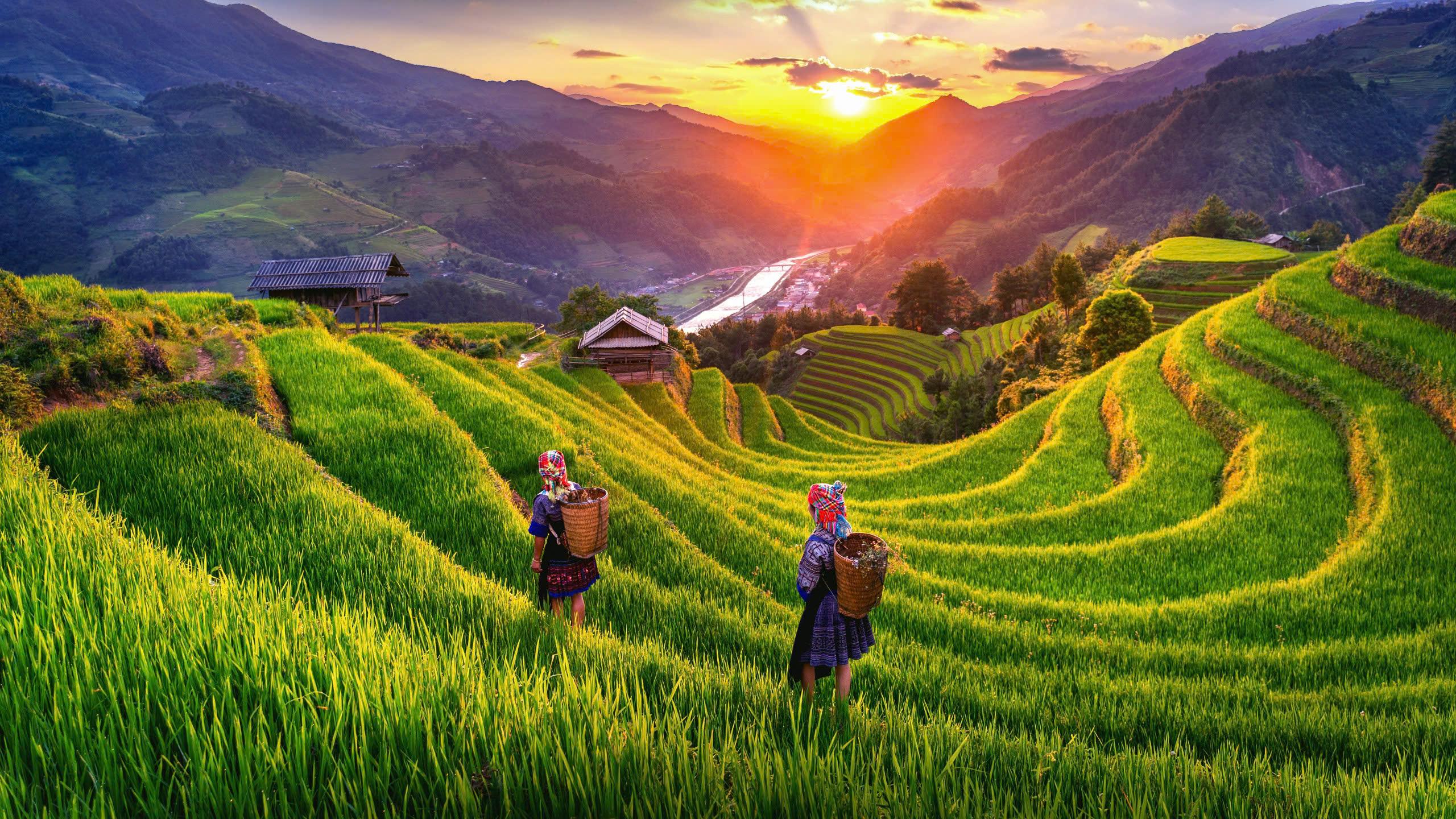
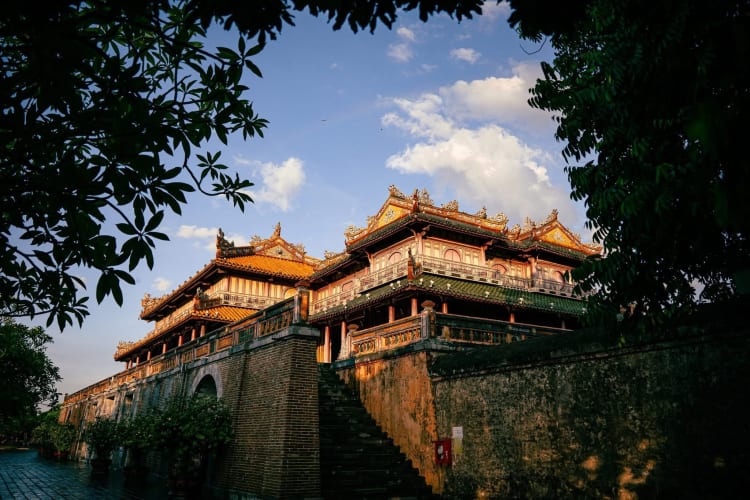
A first Vietnam itinerary usually works best when it connects two or three regions rather than trying to cover every major destination. Hanoi and northern Vietnam offer history, food and mountain scenery; central Vietnam combines imperial heritage with coastal towns; southern Vietnam is known for Ho Chi Minh City and the waterways of the Mekong Delta.
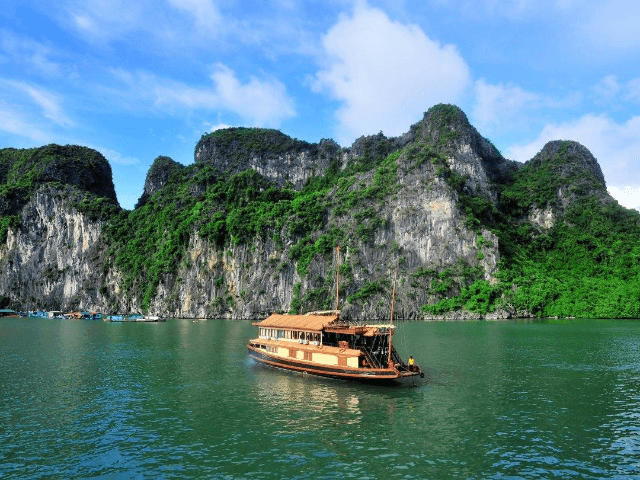
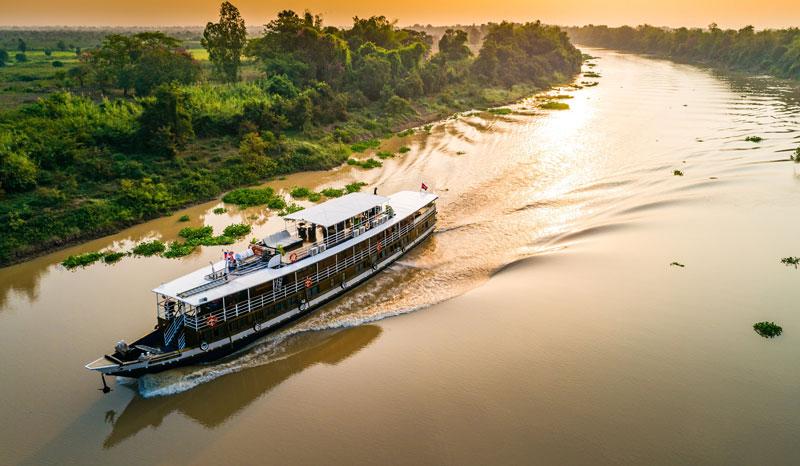
Many first-time visitors choose a north-to-south route or the reverse. Hanoi, Ha Long Bay, Hue, Hoi An, Ho Chi Minh City and the Mekong Delta can form a varied journey, although the right selection depends on available time and preferred travel pace.
Choose depth over a crowded schedule
Allow time for slower travel between regions and avoid changing hotels every night. A balanced plan might combine a city stay, a cultural destination, a nature-focused excursion and a few unplanned hours for markets, cafés or neighborhood walks. Your chosen vietnam tour operator should explain how much time is spent traveling instead of presenting only a list of places.
When to travel and what to pack
Vietnam has different weather patterns from north to south, so the best travel period depends on your route. Northern areas can have cooler conditions in some months, central Vietnam has its own rainy period, and southern destinations are generally warmer throughout the year.
Check conditions for each region before booking internal travel. Pack lightweight clothing, comfortable walking shoes, sun protection and a light layer for air-conditioned transport. Modest clothing is useful when visiting temples, pagodas and historic religious sites. A compact rain layer can be practical even when the overall forecast looks favorable.
Plan around local celebrations
Vietnamese holidays can affect transport availability, accommodation demand and business hours. Lunar New Year, known as Tet, is especially important. Dates change annually, so travelers should check the calendar and ask their provider about regional arrangements before confirming a detailed itinerary.
Getting around Vietnam comfortably
Travelers can move around Vietnam by domestic flight, train, coach, private car, taxi and boat, depending on the route. Domestic flights are useful for long north-south journeys, while trains offer a slower way to see the changing landscape and connect several major cities.
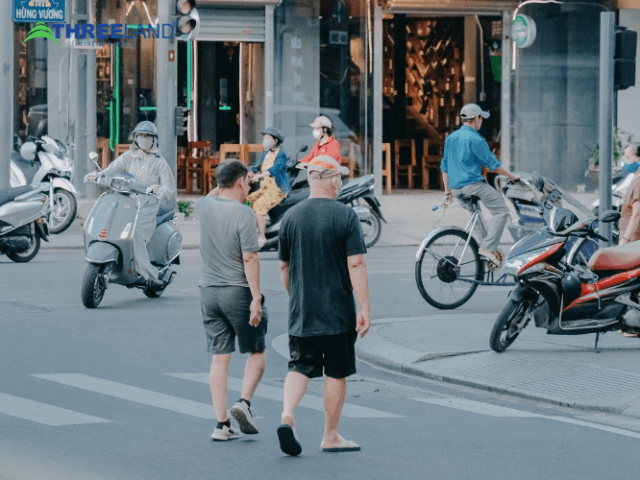
Private transfers are helpful for airport arrivals, countryside excursions and routes with several stops. In cities, taxis and app-based ride services may be convenient, but travelers should confirm the vehicle and fare details before departure. A local guide can also help visitors cross busy streets, understand meeting points and avoid unnecessary confusion.
Transport questions to ask before booking
- Are airport transfers included, and will someone meet you after arrival?
- Which journeys use flights, trains, coaches or private vehicles?
- How much luggage is practical for the proposed route?
- Are guides available in your preferred language?
- What happens if weather or transport disruption changes the plan?
These questions help distinguish experienced vietnam travel agents from providers that simply combine standard bookings. Clear communication is particularly valuable when an itinerary includes several regions.
Food, culture and responsible travel
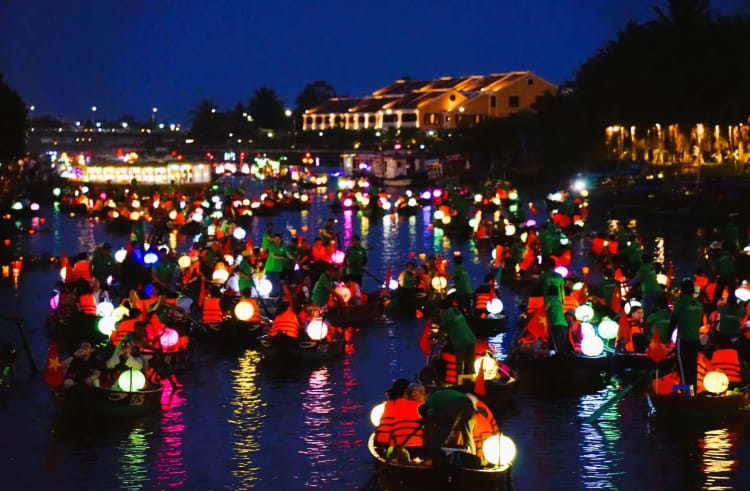
Vietnamese food varies by region, and trying local dishes is one of the most rewarding parts of a first visit. Hanoi is associated with dishes such as pho and bun cha, central Vietnam is known for strongly seasoned specialities, and southern cuisine often includes fresh herbs and sweeter flavors. Ask about ingredients if you have allergies or dietary restrictions.
Respectful travel begins with small habits. Dress appropriately at religious sites, ask before photographing people, keep your voice low in places of worship and avoid touching sacred objects. At markets, friendly bargaining may be accepted, but it should remain polite rather than aggressive.
Choosing experiences with local value
Look for tours that use local guides, support family-run restaurants and avoid treating communities as photo backdrops. Smaller groups can make village visits more considerate, especially in rural and ethnic-minority areas. A responsible itinerary also allows time for ordinary daily life rather than moving constantly between attractions.
When comparing the best travel agency in vietnam for your needs, review the proposed experiences as carefully as the hotel list. Ask who operates each activity, how communities benefit and whether the schedule leaves room for genuine interaction.
How to choose a Vietnam travel agency
The right Vietnam travel agency in Vietnam should provide transparent planning, realistic travel times and support before and during the trip. Look for a provider that asks about your interests, mobility, budget, travel dates and preferred pace before recommending a route.
Compare several proposals by checking what is included, such as accommodation, guides, transfers, meals, entrance arrangements and internal transport. A lower headline price may leave important services separate, while a higher quote may include more personal support. Request a clear day-by-day plan and ask how changes are handled.
Questions for a tour provider
- Is the itinerary private, shared or group-based?
- Will the same contact support the trip throughout Vietnam?
- Are guides locally based in each destination?
- How flexible are arrival, rest and free days?
- What assistance is available for delays, illness or lost documents?
A trusted provider should answer directly without promising impossible schedules. Local planning support can be especially useful for travelers who want cultural depth but prefer not to manage every booking themselves.

Practical advice for a smoother first visit
A smooth first visit depends on preparation, flexibility and realistic expectations. Keep digital and printed copies of important documents, carry some local currency for small purchases, use reliable internet access for confirmations and leave buffer time around major transport connections.
Vietnamese cities can be energetic and noisy, while rural areas may have fewer services. Keep valuables secure, drink sealed or treated water when appropriate, and tell your guide or hotel about medical or dietary needs. Travel insurance is worth arranging before departure, with coverage suited to your planned activities.
For travelers who want help combining destinations, transport and locally guided experiences, Threeland Travel's local travel team can help shape a practical itinerary around your interests and available time.
Vietnam rewards a thoughtful pace. Choose a route you can enjoy, learn a few local courtesies, and select a provider that communicates clearly from the first enquiry. With those foundations in place, your first journey can feel organized without losing the spontaneity that makes travel meaningful.
Frequently Asked Questions
How many destinations should first-time visitors include?
Most first-time visitors benefit from focusing on two or three regions rather than trying to see the whole country. A route linking Hanoi, central Vietnam and Ho Chi Minh City offers variety, while adding destinations should depend on travel time, transport connections and your preferred pace.
Is it better to travel independently or use an agency?
Independent travel suits visitors who enjoy arranging transport and accommodation themselves. An agency can be more useful when your itinerary includes several regions, private guides, rural excursions or complicated transfers. Compare inclusions, flexibility and support rather than choosing only by the quoted price.
What should I check before booking a Vietnam tour?
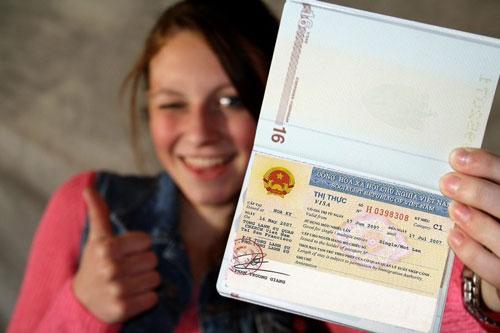
Check the daily route, transport types, accommodation standards, guide arrangements, included meals and entrance arrangements. Ask how the provider handles delays, weather changes and medical needs. You should also confirm any current entry requirements through official Vietnamese government or embassy information before departure.
What is Vietnamese food like for travelers with dietary restrictions?
Vietnam offers rice, noodles, vegetables, seafood, meat and many fresh herbs, but sauces and broths can contain ingredients that are not immediately obvious. Explain allergies clearly to your guide or restaurant, and ask for help identifying suitable dishes before ordering.
Turn This Into Your Real Trip
Let our local experts design the perfect itinerary for you. It’s free, personalized, and take less than 24 hours !
 No obligation100% personalizedBest Price Guarantee2M$ Liability Insurance