




Planning a vietnam trip? Let us help.
Get personalized travel plan based on your interest, budget and preferred travel dates
Explore Vietnam beyond its famous tourist destinations by discovering quieter towns, local communities, regional food, natural landscapes, and cultural experiences. Learn how to combine popular attractions with lesser-known destinations to create a more personalized Vietnam travel itinerary with a balanced pace and meaningful experiences.
TABLE OF CONTENTS
1
What Are Secondary Destinations in Vietnam?
2
Why Are Travelers Looking Beyond Vietnam's Most Famous Destinations?
3
What Can Travelers Experience in Vietnam's Lesser-Known Destinations?
Should Travelers Skip Vietnam's Most Famous Destinations?
4
How Do Secondary Destinations Change the Pace of a Vietnam Holiday?
5
Why Are More Travelers Choosing Secondary Destinations in Vietnam?
6
How Can a Customized Vietnam Tour Include Secondary Destinations?
7
What Should Travelers Consider Before Choosing a Lesser-Known Destination?
8
How Do You Plan a Vietnam Itinerary Beyond the Main Tourist Destinations?
9
Why Does Local Expertise Matter When Visiting Secondary Destinations?
10
To Summarize It
11
FAQs
What are secondary destinations in Vietnam?
Are secondary destinations better than popular Vietnam destinations?
Can I combine famous and lesser-known destinations in one trip?
How do I plan an off-the-beaten-path Vietnam travel itinerary?
Are lesser-known places in Vietnam for international travelers difficult to reach?
Travelers still want Hanoi. They still want Ho Chi Minh City. Those places matter and they should.
But more of them are asking about the spaces in between.
Not instead of. In addition to. They want to see the famous stuff and then go somewhere quieter. Somewhere smaller. Somewhere that doesn't have a Wikipedia page full of visitor statistics.
That shift is real. And it’s reshaping how a Vietnam Tour Agency plans trips for a lot of people.
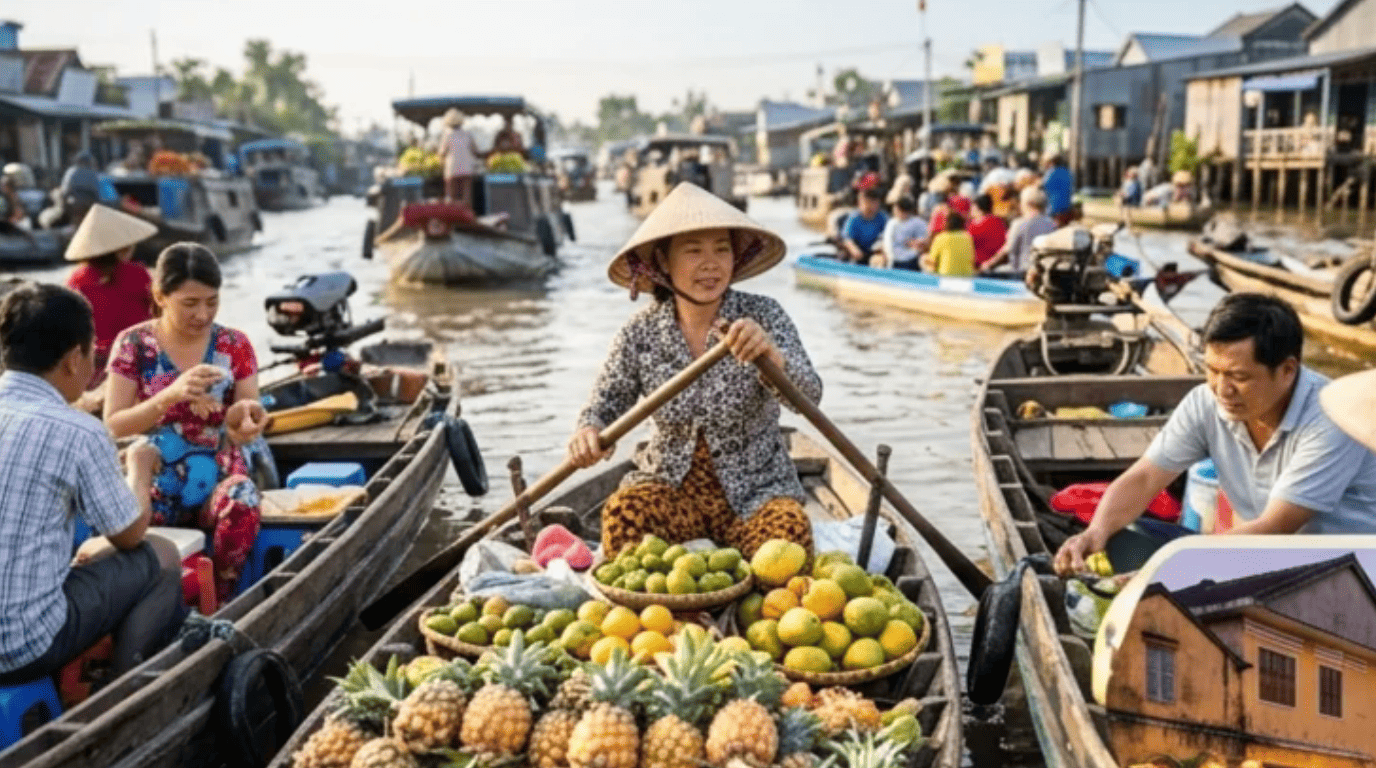
What Are Secondary Destinations in Vietnam?
Places that don't make the front of the guidebook.
That's the simple answer. Secondary destinations are spots that receive less international attention than the major hubs. Less crowded. Less photographed. Less talked about on travel forums.
But here's what secondary doesn't mean. It doesn't mean lower quality. It doesn't mean boring. It doesn't mean undeveloped or difficult or completely undiscovered. Some of these places have been welcoming travelers for years. They just haven't been on the radar for most international visitors.
Think of them as the second layer. The places you find after you've seen the first layer and want to know what else is there.
Why Are Travelers Looking Beyond Vietnam's Most Famous Destinations?
Because the famous places are crowded. And because travelers are curious.
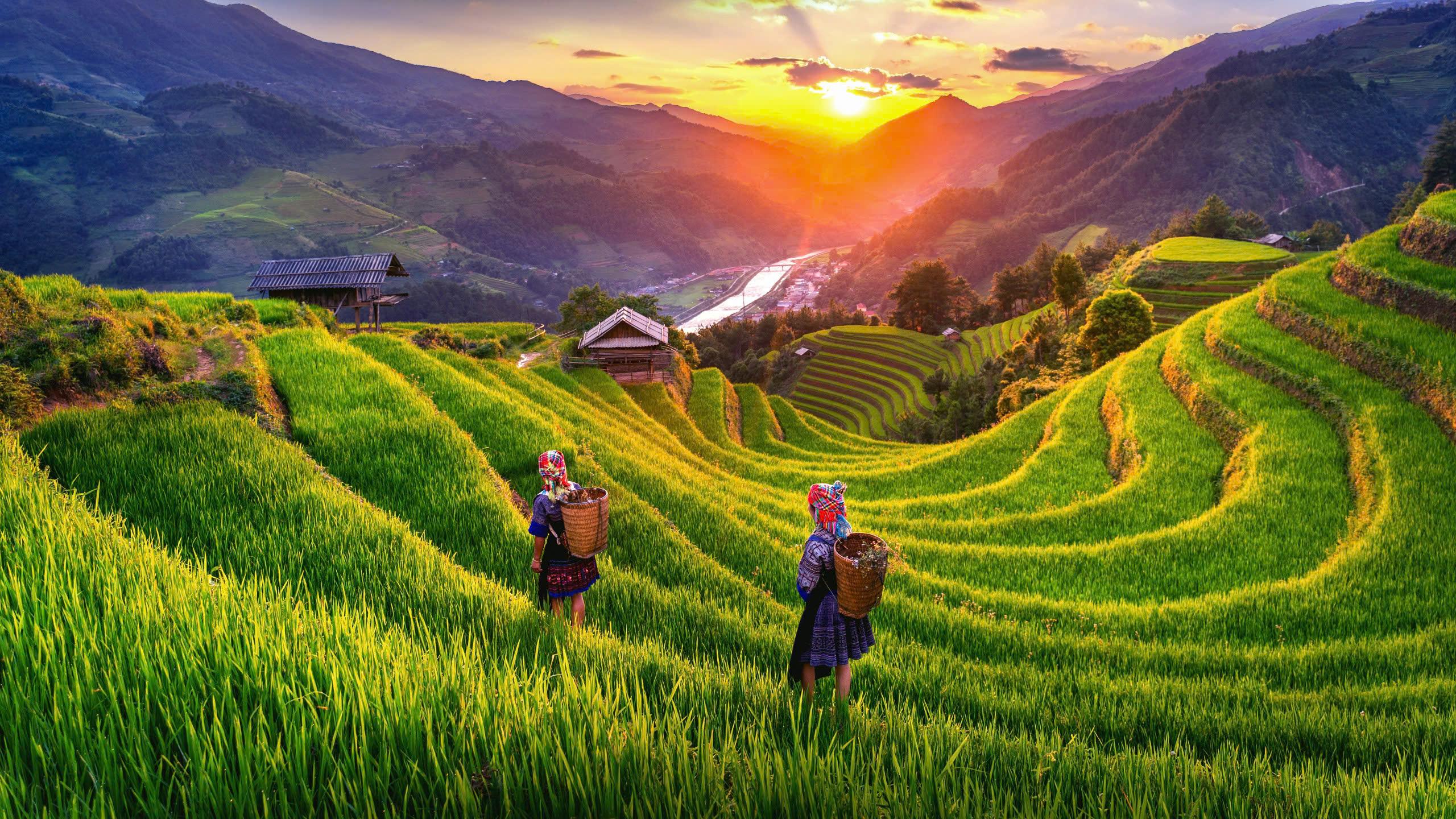
We've had guests tell us they loved Hoi An but wished they'd had more time somewhere quieter. They loved the energy of Hanoi but wanted to balance it with something slower. They wanted to see rice terraces without a hundred other people taking the same photo.
There's also a practical reason. Vietnam is long. Most travelers can't see everything in one trip. So they have to choose. And more of them are choosing to split their time between the iconic and the less obvious.
Variety matters. If every day looks the same, the trip blurs together. A few days in a smaller town can make the whole journey feel more varied. More memorable. More like a story you're actually living.
The best Vietnam tours package goes beyond famous attractions without skipping the highlights. It’s about adding texture around them.

What Can Travelers Experience in Vietnam's Lesser-Known Destinations?
Different things depending on where you go. That's the point.
Some secondary destinations are about nature. Mountains in the north. Coastline that isn't packed with resorts. National parks where you can walk for hours without seeing another tourist.
Others are about food. Regional dishes you won't find in the big cities. Markets where nobody's selling souvenirs. Meals that were made for locals, not for visitors.
Some are about community. Villages where you can stay with a family. Craft towns where people still make things by hand. Places where the economy isn't built around tourism.
And some are just about space. Room to breathe. Time to sit with a coffee and watch the morning happen. No schedule. No checklist. Just being somewhere.
We've sent travelers to small coastal towns where the biggest activity was walking to the fishing harbor at sunrise. They came back saying it was the best part of their trip. Not because something spectacular happened. Because nothing did.
Should Travelers Skip Vietnam's Most Famous Destinations?
No. That's not what this is about.
The strongest itineraries combine both. Famous destinations give you the iconic experiences. The ones you've seen in photos. The ones you'll want to tell people about.
Secondary destinations give you variety. A different pace. A different type of day. A chance to reset before the next big stop.
Think of it as a rhythm. Major destination. Secondary destination. Major destination again. The quiet moments make the busy ones feel more meaningful. And the busy ones make the quiet ones feel earned.
The right combination depends on how much time you have and what you actually want. Someone with two weeks can do more of both. Someone with ten days has to be more selective.
But the either/or framing is wrong. It's not famous or hidden. It's famous and hidden. Both. In the right proportions.
How Do Secondary Destinations Change the Pace of a Vietnam Holiday?
They slow it down. Sometimes more than travelers expect.
A smaller destination often means fewer activities. Fewer restaurants. Fewer things to check off. That's the appeal. But it also means you need to be comfortable with less structure.
It can also mean more travel time. Secondary destinations aren't always easy to reach. Roads might be slower. Transport options might be limited. You might need to build in a travel day that doesn't have much else in it.
That's the trade-off. You get quiet and space. You pay for it with time and logistics.
We've seen travelers try to squeeze a secondary destination into an already packed itinerary. It doesn't work. You end up rushing through the thing that was supposed to be restful.
The math has to make sense. A lesser-known destination is only worth it if it fits the overall route. Vietnam itinerary beyond major tourist destinations sounds good in theory. In practice, it requires planning.
Why Are More Travelers Choosing Secondary Destinations in Vietnam?
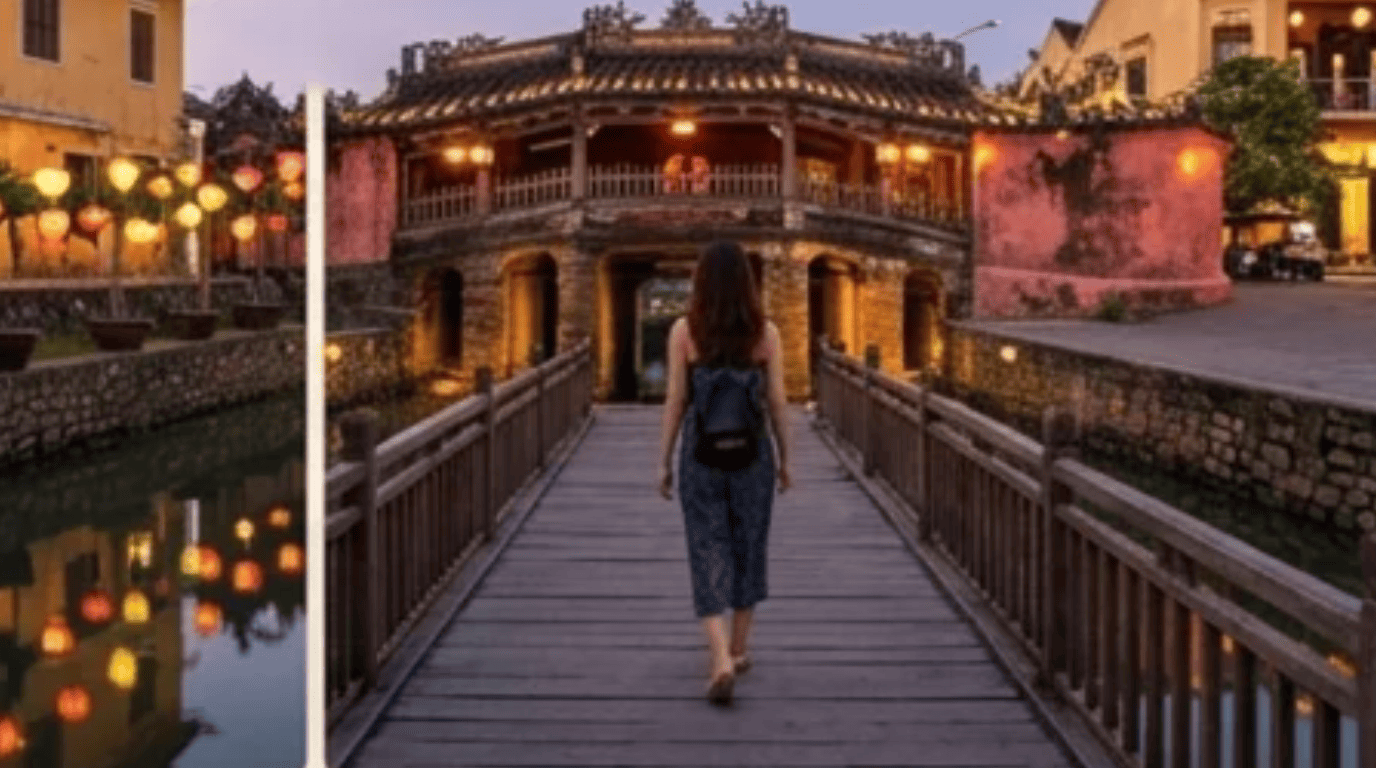
Travelers may choose secondary destinations in Vietnam because they offer different landscapes, cultural experiences, local communities, and a slower travel pace than the country's most established tourist routes. These destinations can complement major attractions rather than replace them, allowing travelers to create a more varied and personalized itinerary.
How Can a Customized Vietnam Tour Include Secondary Destinations?
By building them in from the start.
Customized Vietnam tours let you decide how much time to spend where. You can add a secondary destination without committing to a full week there. You can use it as a two-night stop between bigger cities. You can build the whole trip around smaller places if that's what you want.
We've built itineraries for photographers who wanted remote landscapes. For couples who wanted quiet beaches. For families who wanted their kids to see a different side of the country.
The customization isn't just about where you go. It's about how you move between places. Private transport. Flexible departure times. The ability to change plans if something isn't working.
That flexibility matters more when you're going somewhere less familiar. A customized Vietnam itinerary with secondary destinations gives you room to adjust without losing the structure of the trip.
What Should Travelers Consider Before Choosing a Lesser-Known Destination?
Accessibility first. How do you actually get there? Is there a road? A train? A flight? How long does it take?
Transportation matters. Some secondary destinations are easy to reach. Others require a full day of travel. Know which one you're choosing.
Accommodation is another factor. Smaller places have fewer options. That can be charming. It can also mean you need to book earlier or adjust your expectations.
Seasonality matters too. Some destinations are great in one season and difficult in another. A beach town in monsoon season isn't the same experience.
And think about what you'll actually do there. If the answer is "relax," that's fine. If you need activities planned, make sure they exist.
Less visited sometimes means more planning, not less. The infrastructure isn't always there. That's part of the appeal. But it's also something you need to account for.
How Do You Plan a Vietnam Itinerary Beyond the Main Tourist Destinations?
A Vietnam itinerary beyond the main tourist destinations can go beyond the main tourist destinations by combining guided tours, cultural activities, outdoor adventures, food experiences, and visits to less-visited destinations with popular attractions. Travelers can explore local markets, villages, craft communities, countryside landscapes, national parks, coastal areas, and regional food scenes while choosing activities that match their interests and available travel time.
Why Does Local Expertise Matter When Visiting Secondary Destinations?
Because the information isn't always online.
We've seen travelers try to plan secondary destinations using forums and blog posts that were years out of date. Roads change. Hotels close. Transport options shift. What worked three years ago might not work now.
A local Vietnam tour specialist knows the current situation. Which routes are practical. Which accommodations are actually good. Which experiences are worth the detour and which ones are a waste of time.
Threeland Travel is one example of a local Vietnam travel specialist that works with secondary destinations regularly. The value isn't just in knowing where to go. It's in knowing how to connect the dots in a way that actually works.
Seasonal considerations matter too. Some places are best in certain months. A local expert knows when to go and when to avoid. That kind of knowledge doesn't come from a guidebook.
Can Secondary Destinations Work for Private and Customized Travel?
Yes. In fact, they often work better that way.
Vietnam private tours give you flexibility that group travel doesn't. You can leave earlier. Stay later. Change your mind about how long you want to stay somewhere. That matters more when you're going somewhere less predictable.
Customized Vietnam tours let you build the itinerary around your interests. If you want nature, you can focus on nature. If you want food, you can focus on food. If you want a mix, you can have a mix.
We've had families who wanted their kids to experience a smaller town. Couples who wanted a quiet anniversary trip. Solo travelers who just wanted to see something different.
Private travel makes those trips possible. You're not following someone else's schedule. You're following yours.
To Summarize It
Secondary destinations aren't replacements for Vietnam's famous spots. They're additions.
They add variety. Nature. Cultural depth. A slower rhythm. A chance to see the country outside the frame of a postcard.
The key is choosing destinations that actually fit your route and your interests. Not just going somewhere because it's "off the beaten path." That phrase gets used a lot. It doesn't mean much if the place doesn't work for you.
Threeland Travel works with travelers who want to combine the iconic and the lesser-known in ways that make sense. Not a checklist. A journey with a rhythm.
We've watched people come back from trips where the quiet days ended up mattering as much as the big ones. Sometimes more. That's what happens when you give yourself room to actually be somewhere.
The famous places will still be there. But so are the other ones. The ones that don't make the list. The ones you have to look for.
Those might be the ones you remember.
FAQs
What are secondary destinations in Vietnam?
Places that receive less international attention than the major hubs but still offer cultural, natural, or community-based experiences. They're not lesser. They're just less known.
Why should I visit lesser-known destinations in Vietnam?
For variety. For a slower pace. For experiences you won't find in the crowded spots. They can balance out the busier parts of your trip.
Are secondary destinations better than popular Vietnam destinations?
No. They're different. Both have value. The best itineraries usually combine them.
Can I combine famous and lesser-known destinations in one trip?
Yes. That's what we recommend. Use the famous spots as anchors and add secondary destinations between them for contrast.
How do I plan an off-the-beaten-path Vietnam travel itinerary?
Work with someone who knows the current situation. Check accessibility, transport, and accommodation. Build in extra travel time. Be flexible.
Are lesser-known places in Vietnam for international travelers difficult to reach?
Some are. Others are easier than you'd expect. It depends on the destination and the season. That's why local knowledge helps.
Customize This Itinerary
Let our local experts design the perfect itinerary for you. It’s free, personalized, and take less than 24 hours !
 No obligation100% personalizedBest Price Guarantee2M$ Liability Insurance