










Discover the rich, authentic flavors of Sapa through a local food tour that takes you beyond tourist spots into the kitchens and markets of Vietnam’s ethnic communities. From herbal hotpots and smoky grilled meats to sticky rice cooked in bamboo, every dish tells a story of culture, tradition, and mountain life.
TABLE OF CONTENTS
1
Why Sapa Is a Unique Food Destination
2
The Cultural Melting Pot of Ethnic Cuisine (Hmong, Dao, Tay)
Why Food in Sapa Is Different from Hanoi or Saigon
3
Morning Bites: Start Your Day Like a Sapa Local
Hearty Bowls of “Thang Co” at the Local Market
Sticky Rice with Sesame or Grilled Corn
Where to Go: Sapa Central Market & Bac Ha Market
4
Street Snacks and Midday Eats
“Cap Nach” Pork Grilled on Bamboo
Bamboo-Tube Rice (Com Lam)
Smoked Buffalo Meat and Fermented Pickles
5
Best Local Dishes to Try on a Food Tour
Thang Co – Traditional Highland Stew
Salmon Hotpot – A Cold Weather Favorite
Seven-Color Sticky Rice (Xoi Bay Mau)
6
Where to Eat Like a Local in Sapa
Family-Owned Kitchens and Homestays
Food Streets and Local Markets
Join Local Food Tours with Tribal Guides
7
Sapa’s Traditional Drinks
Corn Wine (Ruou Ngo)
Herbal Teas from the Mountains
Coffee with a View
8
Responsible Eating in Sapa
Support Local Communities
Avoid Tourist Traps
Respect Local Dining Culture
9
FAQs About Sapa Food Tours
Is street food safe in Sapa?
Are vegetarian options available?
Do I need a guide for food tours?
10
Final Thoughts: Taste the Real Sapa
Why Sapa Is a Unique Food Destination
The Cultural Melting Pot of Ethnic Cuisine (Hmong, Dao, Tay)
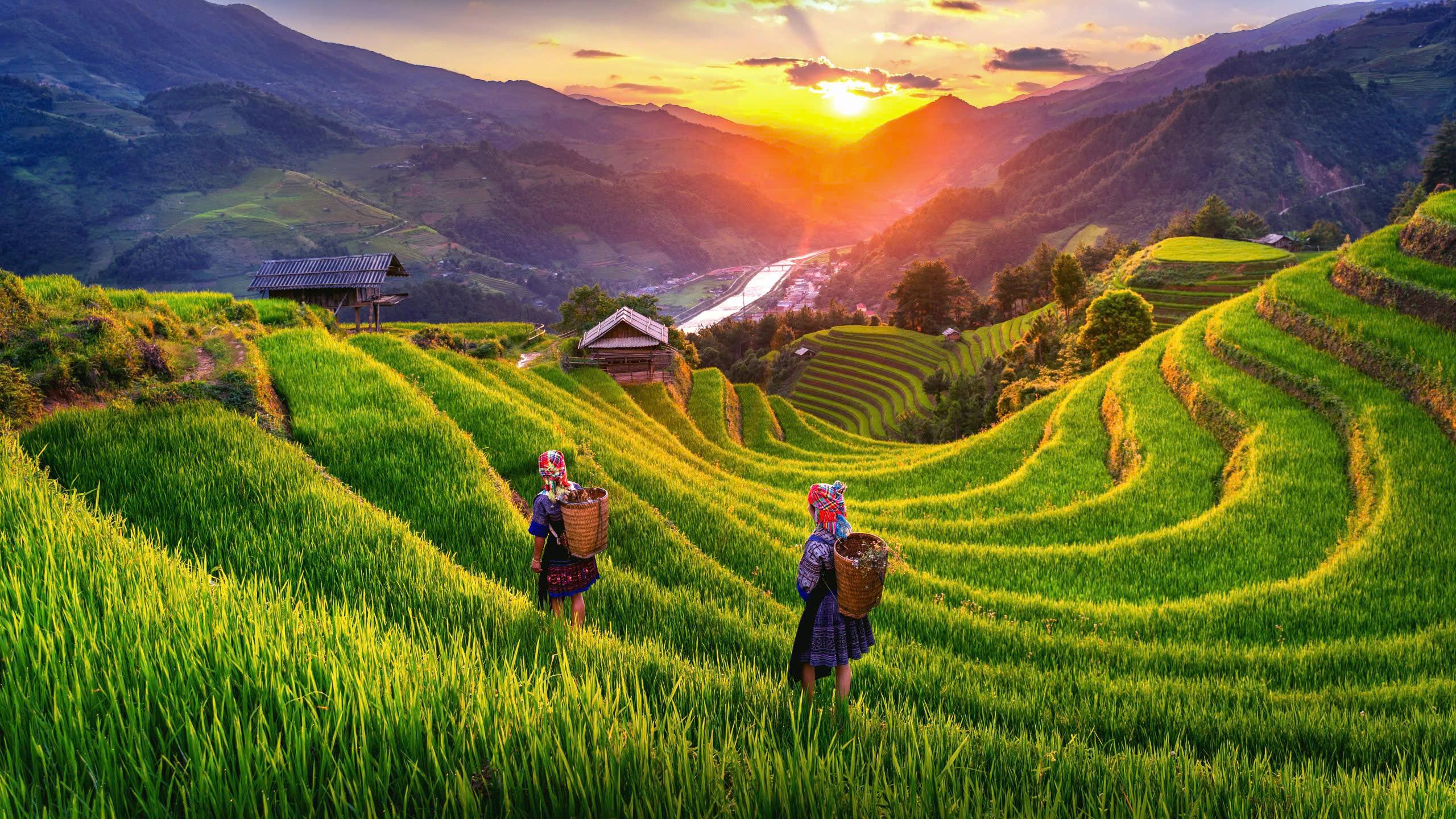
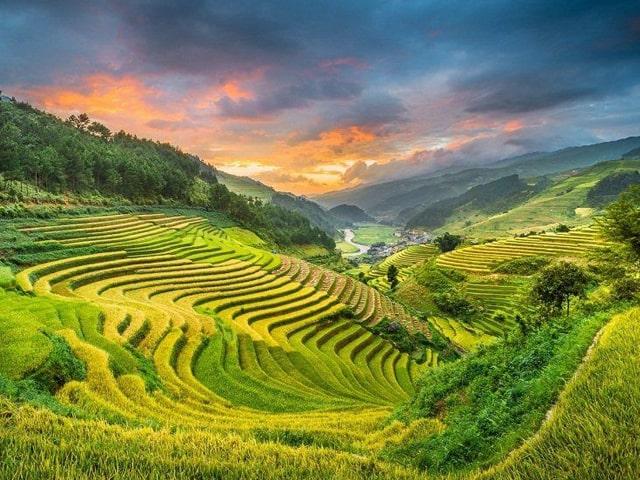
Sapa is more than just stunning rice terraces and cool mountain air — it’s a place where food tells stories. The region is home to ethnic communities like the Hmong, Dao, and Tay, each bringing their own traditions, flavors, and cooking techniques.
From herbal black chicken soup to sticky rice cooked in bamboo, meals here are deeply tied to identity and heritage. If you’re exploring northern Vietnam through curated vietnam travel tour packages, Sapa stands out as one destination where food feels truly local and untouched.
.jpg)
Farm-to-Table Traditions in the Misty Mountains
.jpg) Food in Sapa begins with the land. Ingredients are not transported from far away — they are grown, raised, or foraged nearby.
Food in Sapa begins with the land. Ingredients are not transported from far away — they are grown, raised, or foraged nearby.
You’ll notice:
- Fresh herbs picked from forest edges
- Free-range livestock raised by families
- Rice cultivated on steep terraces
Most dishes are cooked over wood fires, giving them a subtle smoky flavor. Meals feel simple, but they carry a richness that comes from freshness and care.
Why Food in Sapa Is Different from Hanoi or Saigon
Unlike the fast-paced street food culture of big cities, Sapa offers something slower and more grounded.
Here:
- Cooking is seasonal
- Ingredients are natural and minimally processed
- Recipes are passed down through generations
It’s not just about eating — it’s about understanding where your food comes from. This kind of experience aligns closely with sustainable travel vietnam, where culture and community remain at the center.
Morning Bites: Start Your Day Like a Sapa Local
Hearty Bowls of “Thang Co” at the Local Market
Start your morning with a bowl of thang co — a traditional Hmong dish made with horse meat and a mix of local herbs.
It’s bold, earthy, and deeply cultural. While it may not be for everyone, it gives you a real taste of highland life.
.jpg)
Sticky Rice with Sesame or Grilled Corn
For something lighter, try:
- Colorful sticky rice (xoi ngu sac)
- Grilled corn from roadside stalls
These simple dishes are comforting and easy to enjoy, especially if you’re easing into local flavors.
.jpg)
Where to Go: Sapa Central Market & Bac Ha Market
Sapa Central Market is busiest in the early morning, filled with locals preparing and selling fresh food.
For a deeper experience, visit Bac Ha Market on Sundays. It’s not just about food — it’s a cultural gathering where people eat, trade, and connect.
.jpg)
Street Snacks and Midday Eats
“Cap Nach” Pork Grilled on Bamboo
This local pork dish is grilled over open flames, giving it a crispy exterior and juicy inside. It’s flavorful, slightly smoky, and widely loved.
.jpg)
Bamboo-Tube Rice (Com Lam)
Sticky rice cooked inside bamboo tubes creates a soft, fragrant dish with a subtle earthy taste. It pairs perfectly with grilled meats.
.jpg)
Smoked Buffalo Meat and Fermented Pickles
For something unique, try smoked buffalo meat. It’s marinated, dried, and smoked over days, resulting in a deep, rich flavor.
Paired with fermented vegetables, it offers a true mountain-style meal.
.jpg)
Best Local Dishes to Try on a Food Tour
Thang Co – Traditional Highland Stew
A dish rooted in Hmong culture, thang co is cooked slowly with spices like cardamom and lemongrass. It’s intense, authentic, and unforgettable.
.jpg)
Salmon Hotpot – A Cold Weather Favorite
Thanks to Sapa’s cool climate, salmon farming is possible here.
The hotpot includes:
- Fresh salmon slices
- Herbs and vegetables
- Warm, flavorful broth
It’s perfect for sharing on chilly evenings.
.jpg)
Seven-Color Sticky Rice (Xoi Bay Mau)
This dish is not just food — it’s symbolic. Each color represents blessings like health and happiness.
Made using natural dyes, it’s often served during festivals and special occasions.
Where to Eat Like a Local in Sapa
Family-Owned Kitchens and Homestays
Skip tourist-heavy restaurants and look for family-run kitchens.
Here you’ll experience:
- Home-cooked meals
- Traditional cooking methods
- Real conversations with locals
This kind of dining adds depth to your journey, especially if included in a well-planned vietnam trip package.
.jpg)
Food Streets and Local Markets
Visit:
- Sapa Central Market (morning)
- Cau May Street (evening BBQ spots)
- Fansipan Street (street vendors)
These places offer the most authentic everyday food.
Join Local Food Tours with Tribal Guides
Guided food tours led by local ethnic communities help you:
- Discover hidden food spots
- Learn cultural meanings behind dishes
- Visit home kitchens
Some travelers combine this with niche experiences like a vietnam coffee tour, especially when traveling across regions.
Sapa’s Traditional Drinks
Corn Wine (Ruou Ngo)
A strong homemade drink made from fermented corn. It’s often shared during meals or celebrations.
Drink slowly — it’s stronger than it seems.
.jpg)
Herbal Teas from the Mountains
Popular herbal teas include:
- Artichoke
- Ginger
- Cinnamon leaves
They’re soothing and often believed to have health benefits.
.jpg)
Coffee with a View
Sapa’s cafés offer something special — coffee with breathtaking views.
Popular spots:
- The Haven
- Gem Valley
- Viettrekking
Enjoying coffee while overlooking misty valleys is an experience in itself.
.jpg)
Responsible Eating in Sapa
Support Local Communities
Choose:
- Family-run eateries
- Market vendors
- Homestays
This ensures your money supports local livelihoods.
Avoid Tourist Traps
Be cautious of:
- Overpriced restaurants
- Generic menus
- Aggressive promotions
Look for places where locals eat — that’s usually the best sign.
Respect Local Dining Culture
When dining in homes:
- Remove shoes before entering
- Accept food politely
- Show appreciation
Small gestures make a big difference.
FAQs About Sapa Food Tours
Is street food safe in Sapa?
Yes, especially if you choose busy stalls with fresh turnover. Guided tours can help you find safe options.
Are vegetarian options available?
Yes, though limited. You can find tofu, vegetables, and rice-based dishes. Many tours can customize meals.
Do I need a guide for food tours?
Not necessary, but highly recommended. A guide helps you discover hidden places and understand the culture better.
Final Thoughts: Taste the Real Sapa
Sapa’s food is not just about flavor — it’s about connection.
Every meal reflects:
- The land
- The people
- The traditions
When you sit down for a meal here, you’re experiencing more than food — you’re stepping into a way of life.
To truly enjoy Sapa, combine your food journey with trekking, homestays, and cultural exploration. The right itinerary will bring everything together into one meaningful experience.

Marc Nguyen

Follow Us




.jpg&w=828&q=75)