





Planning a vietnam trip? Let us help.
Get personalized travel plan based on your interest, budget and preferred travel dates
Northern Vietnam vs Southern Vietnam: discover the key differences in culture, scenery, food, and travel style to choose the perfect region for your trip.
TABLE OF CONTENTS
1
Northern Vietnam: Culture, Heritage, and Scenic Calm
2
Southern Vietnam: Energy, Warmth, and Everyday Life
3
Culture and Lifestyle: Reserved vs Expressive
What Are the Main Differences Between South and North Vietnam Historically?
Food: Subtle vs Bold Flavors
Travel Pace and Experience
How Does Traveling in Northern Vietnam Differ From the South?
So, Which Should You Choose?
4
Travel Vietnam the Way That Fits You
✨ Ready to plan your Vietnam journey?
5
FAQ
What Are the Historical and Cultural Differences Between North and South Vietnam?
Northern Vietnam vs Southern Vietnam: Which Should You Choose?
Vietnam’s long and diverse geography means that traveling from north to south feels like exploring two different countries in one journey. This is why so many travelers planning their first or even second trip ask the same question: Northern Vietnam vs Southern Vietnam, which should you choose?
The answer depends entirely on your travel style, interests, and the type of experiences you value most. Both regions are fascinating, but they offer very different atmospheres, landscapes, and rhythms of life.
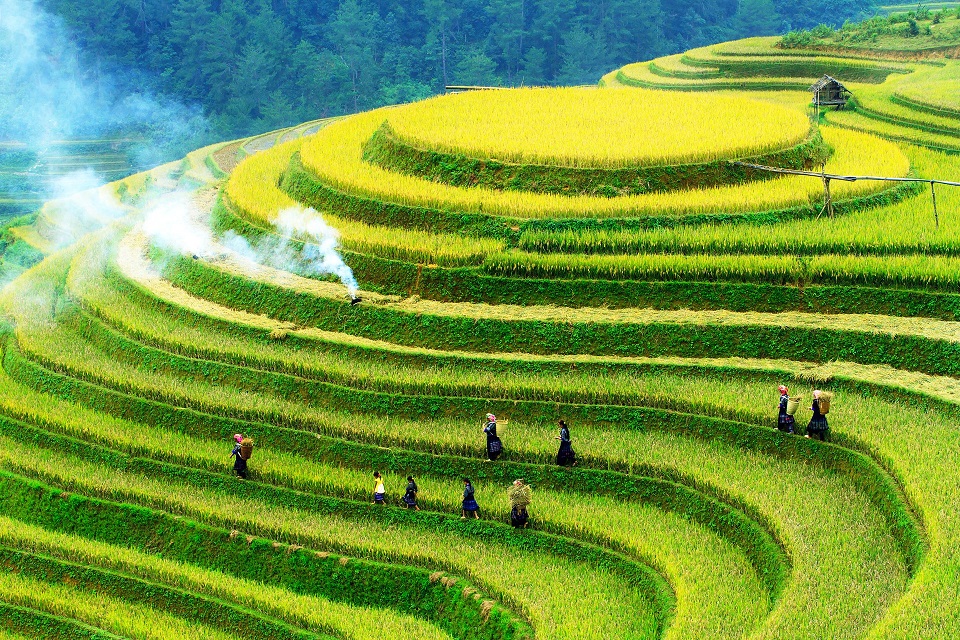
Northern Vietnam: Culture, Heritage, and Scenic Calm
When people think of tradition and timeless beauty, Northern Vietnam often comes to mind. This region is deeply connected to Vietnam’s history, with centuries-old architecture, cultural customs, and dramatic natural scenery.
Hanoi, the capital city, sets the tone. Life in the Old Quarter unfolds slowly, with narrow streets, local cafés, and daily routines that feel unchanged by time. Sitting on a low stool with a cup of coffee and watching the city wake up is a simple yet unforgettable experience.
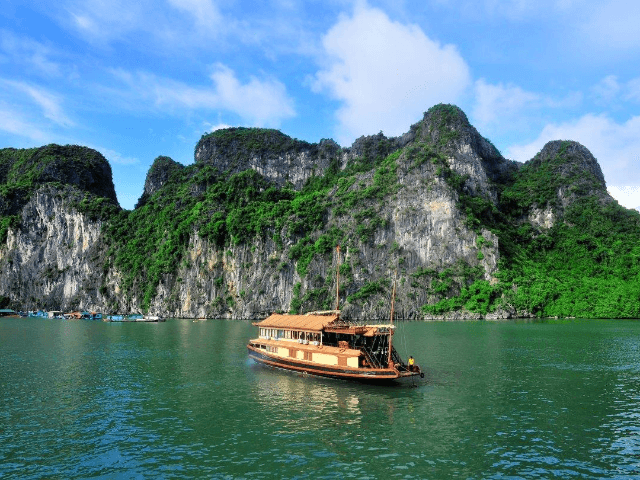
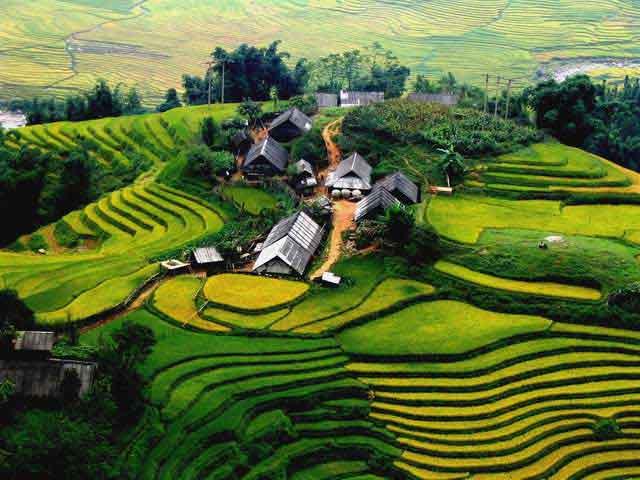
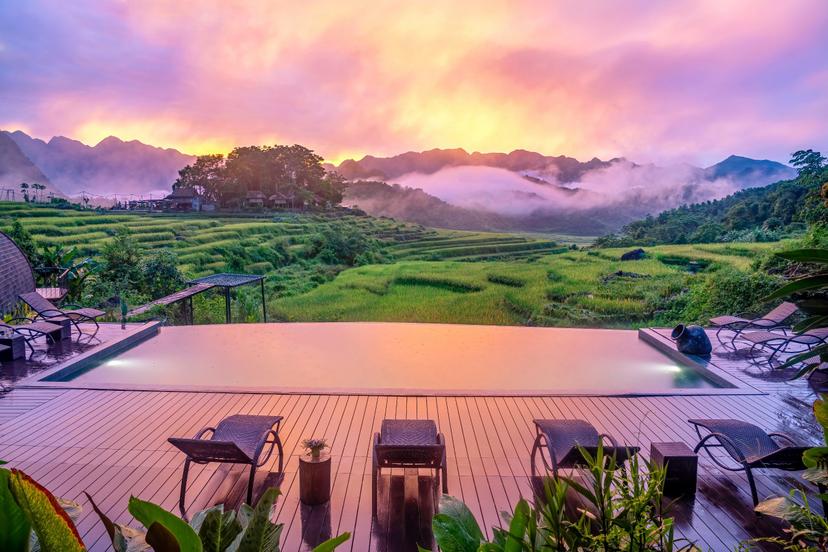
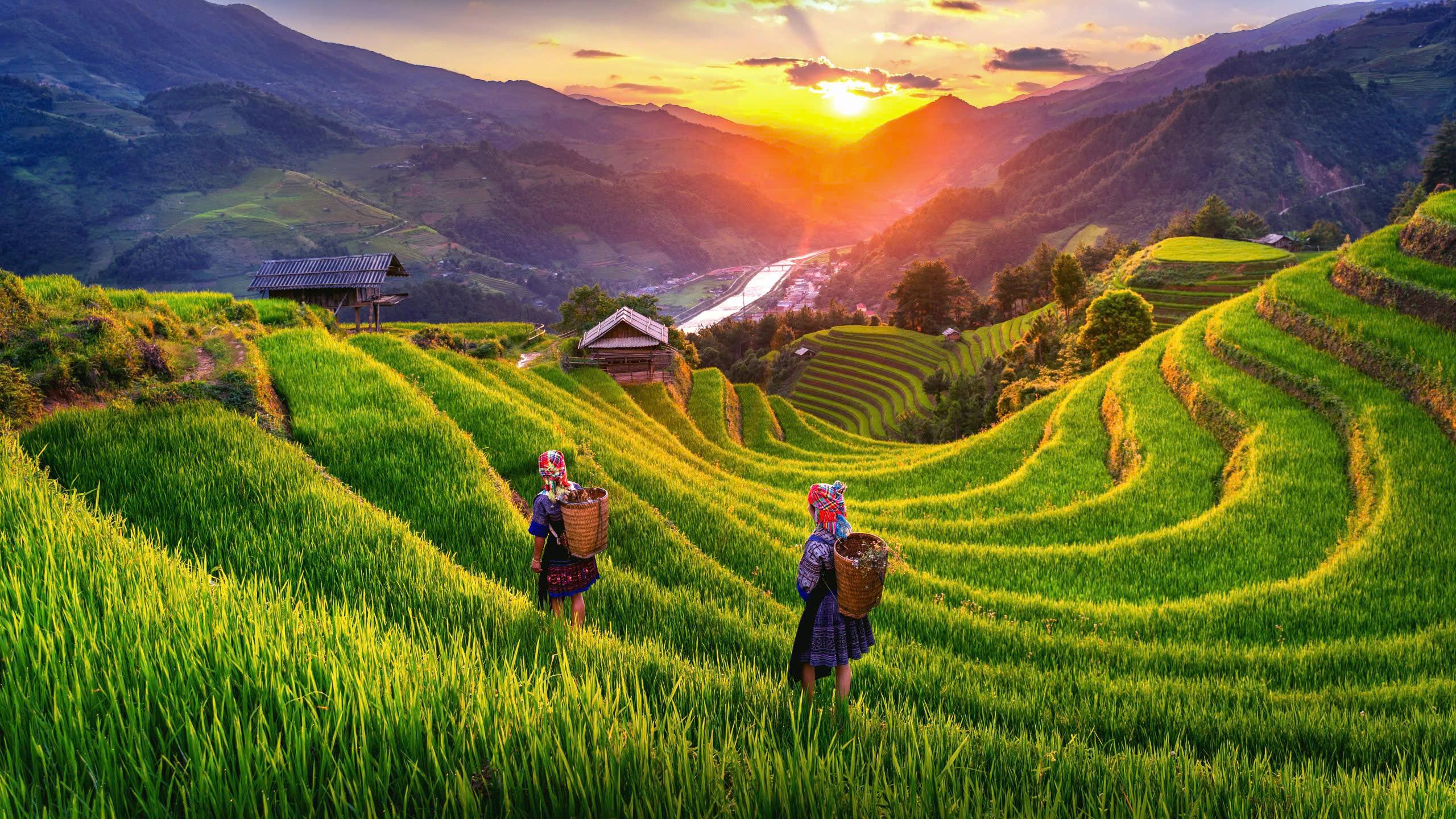
Beyond the capital, Northern Vietnam reveals its iconic landscapes. Ha Long Bay is famous for its limestone karsts rising from emerald waters, best experienced on a peaceful overnight cruise. Ninh Binh offers a quieter alternative, with rivers winding through rice fields and towering cliffs. Further north, Sapa and the highlands showcase terraced mountains, cooler temperatures, and ethnic minority cultures.
For travelers comparing Northern Vietnam vs Southern Vietnam, the north is ideal if you enjoy:
- Cultural depth and history
- Scenic landscapes and photography
- A slower, more reflective pace
- Cooler weather during certain seasons
The overall atmosphere feels calm, poetic, and deeply rooted in tradition.
Southern Vietnam: Energy, Warmth, and Everyday Life
Southern Vietnam offers a striking contrast. The pace is faster, the climate is warmer, and daily life feels more open and expressive. This is the region where modern Vietnam’s energy is most visible.
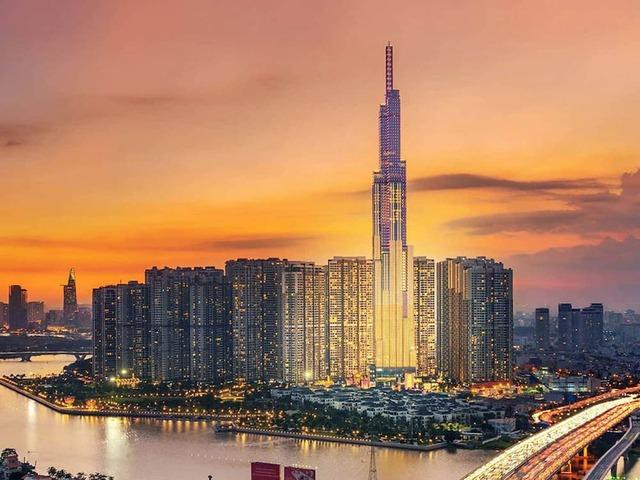
Ho Chi Minh City is the heart of the south. Busy streets filled with motorbikes, modern cafés alongside historic buildings, and a lively food scene create a constant sense of movement. Travelers often feel immediately energized by the city’s vibrant atmosphere.
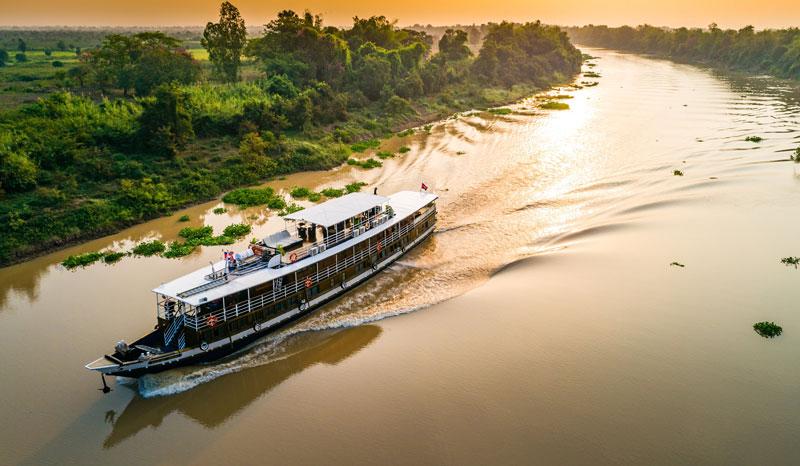
Beyond the urban buzz lies the Mekong Delta, where life revolves around rivers and waterways. Floating markets, fruit orchards, and small villages reveal a softer side of the south, where people live closely connected to nature.
In the Northern Vietnam vs Southern Vietnam comparison, the south appeals to travelers who:
- Love vibrant cities and local daily life
- Enjoy food, markets, and casual interactions
- Prefer warm weather year-round
- Want a relaxed and friendly atmosphere
Southern Vietnam feels welcoming, dynamic, and full of character.

Culture and Lifestyle: Reserved vs Expressive
One of the most noticeable differences in Northern Vietnam vs Southern Vietnam is the cultural atmosphere. In the north, social interactions can feel more reserved and traditional. People are polite, thoughtful, and customs are slightly more formal.
In contrast, the south feels more relaxed and expressive. Conversations start easily, smiles come quickly, and the lifestyle feels open and spontaneous. Neither is better; they simply reflect different cultural influences shaped by geography and history.
What Are the Main Differences Between South and North Vietnam Historically?
The main differences between South and North Vietnam historically are shaped by different cultural influences, political developments, and regional traditions. Northern Vietnam has a strong connection to Vietnam’s ancient history and traditional heritage, while Southern Vietnam reflects a more diverse mix of cultural influences and a more modern, energetic character.
Food: Subtle vs Bold Flavors
Vietnamese cuisine also varies clearly between regions. Northern dishes tend to be lighter and more balanced, focusing on natural flavors and freshness. Southern cuisine is often bolder and slightly sweeter, influenced by tropical ingredients and river life.
Food lovers comparing Northern Vietnam vs Southern Vietnam will quickly notice how cuisine reflects local climate and culture in each region.
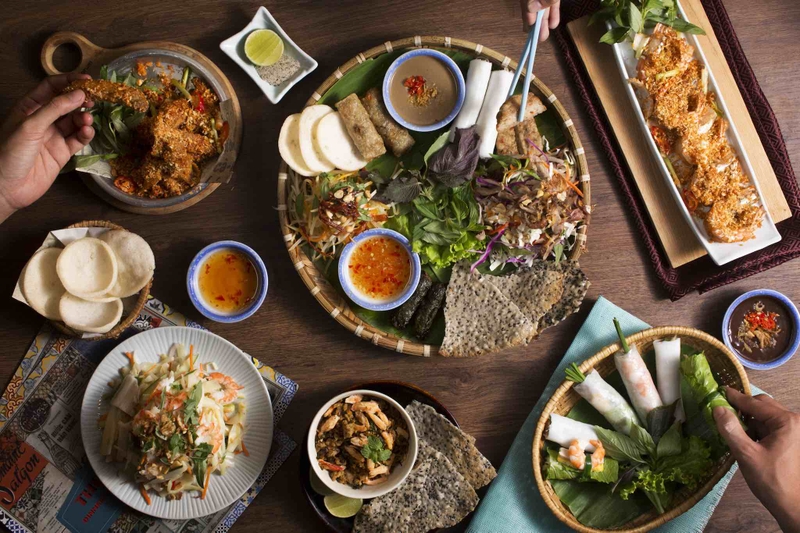
Travel Pace and Experience
Traveling in the north often feels more structured and scenic, with longer journeys between destinations that reward patience. In the south, distances are shorter and experiences feel more spontaneous, making it easier to combine city life with countryside visits.
Understanding this difference helps travelers choose the experience that best matches their expectations.
How Does Traveling in Northern Vietnam Differ From the South?
Traveling in Northern Vietnam often focuses on historical sites, scenic landscapes, cultural experiences, and a slower pace. In Southern Vietnam, travelers can enjoy vibrant cities, local markets, food experiences, and the relaxed atmosphere of the Mekong Delta. The choice depends on whether you prefer cultural exploration and scenery or energy and everyday local life.
So, Which Should You Choose?
When deciding between Northern Vietnam vs Southern Vietnam, the best answer is often: choose both if time allows. The contrast between regions is what makes Vietnam such a rich destination.
If you must choose one:
- Choose Northern Vietnam if you value culture, landscapes, and slower travel.
- Choose Southern Vietnam if you enjoy energy, warmth, food, and everyday local life.
Each region offers unforgettable experiences, just in different ways.
Travel Vietnam the Way That Fits You
At Threeland Travel, we help travelers navigate the choice between Northern Vietnam and Southern Vietnam by designing itineraries based on personal interests, pace, and travel time. Whether you focus on one region or combine both, our journeys are crafted to feel balanced, authentic, and meaningful.
Vietnam is not about choosing the “right” destination; it’s about choosing the experience that feels right for you.
✨ Ready to plan your Vietnam journey?
Let Threeland Travel help you decide between Northern Vietnam vs Southern Vietnam and create a journey that truly reflects your travel style.
Read more:
Vietnam Travel Guide for First-Time Visitors
Tips for Vietnam Private Tours
FAQ
What Are the Historical and Cultural Differences Between North and South Vietnam?
Northern and Southern Vietnam have distinct historical and cultural identities shaped by their unique geography and past. Northern Vietnam is known for its ancient heritage, traditional customs, and historic landmarks, while Southern Vietnam is recognized for its diverse cultural influences, relaxed lifestyle, and vibrant modern cities.
Customize This Itinerary
Let our local experts design the perfect itinerary for you. It’s free, personalized, and take less than 24 hours !
 No obligation100% personalizedBest Price Guarantee2M$ Liability Insurance