







Planning a vietnam trip? Let us help.
Get personalized travel plan based on your interest, budget and preferred travel dates
Vietnam is more than beaches—it’s a country rich in culture, history, food, and traditions. Culture-first Vietnam tour packages focus on authentic experiences like exploring ancient cities, visiting UNESCO sites, enjoying local cuisine, joining workshops, and connecting with local communities. These tours are perfect for travelers seeking meaningful experiences, cultural immersion, and a deeper understanding of Vietnam beyond typical tourist attractions.
TABLE OF CONTENTS
1
Introduction – Discover the Real Vietnam Beyond Beaches
2
Why Choose Culture-First Vietnam Travel?
3
Tour Packages to Vietnam – What to Expect
Popular Vietnam Tour Options
Key Destinations and Activities
4
Top Cultural Experiences to Include in Your Trip
Explore Ancient Cities
Experience Local Cuisine
Visit Historical Landmarks
5
Best Cultural Destinations in Vietnam
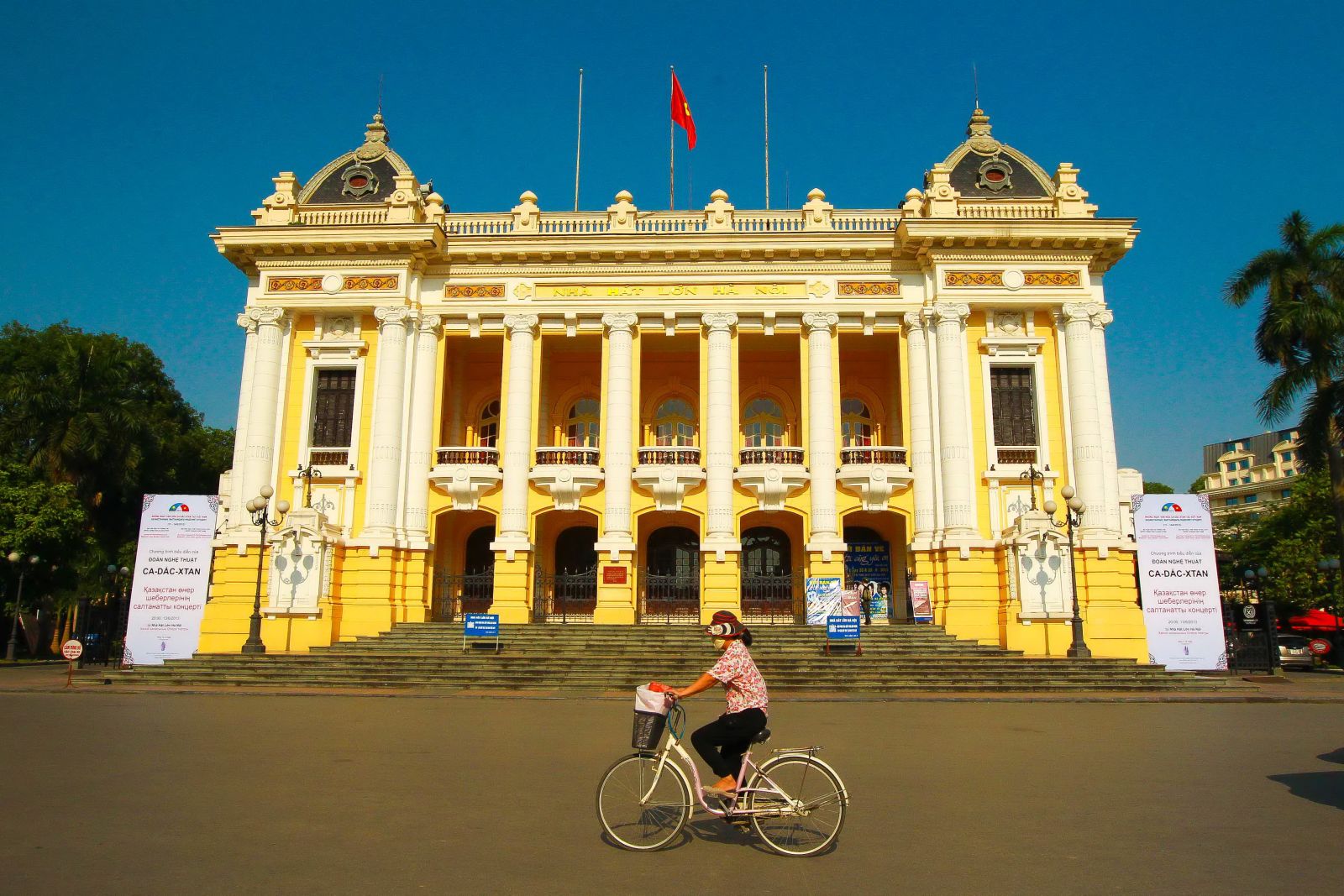
Hanoi – The Cultural Capital
Hue – Imperial Heritage
Hoi An – Timeless Charm
6
Who Should Choose Culture-First Vietnam Packages?
7
Culture vs Beach Travel – What’s the Difference?
8
How to Plan a Culture-Focused Vietnam Trip
Choose the Right Route
Prioritize Experiences Over Destinations
Work with Local Experts
9
Sample Culture-First Vietnam Itinerary (10–12 Days)
10
Best Time for Cultural Travel in Vietnam
Festival Seasons:
Weather Considerations:
Regional Differences:
11
Why Customized Cultural Tours Offer More Value
12
Common Mistakes to Avoid in Cultural Travel
13
Plan a Meaningful Vietnam Journey
14
FAQs
What are culture-first Vietnam tour packages?
How many days are ideal for cultural travel in Vietnam?
Are cultural tours more expensive than beach holidays?
Can I combine cultural and beach travel in one trip?
Should I book through a travel agency or plan on my own?
Introduction – Discover the Real Vietnam Beyond Beaches
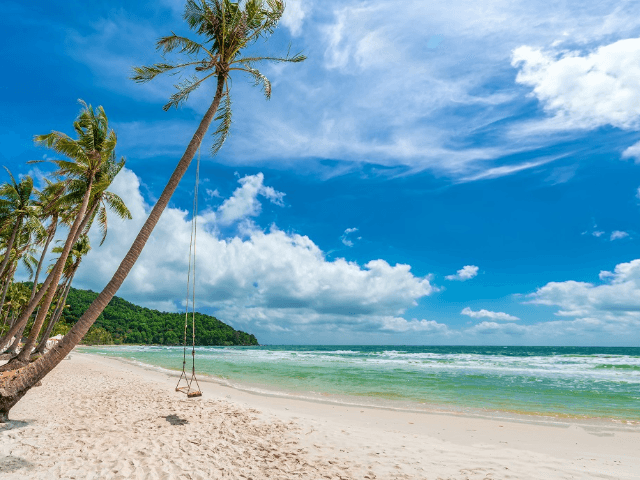
When most people picture a vacation in Vietnam, their minds drift to postcard-perfect beaches: the golden sands of Phu Quoc, the turquoise waters of Nha Trang, or the surf-ready swells of Da Nang.
While these coastal gems are undeniably beautiful, they represent only a fraction of what this captivating country has to offer. For the discerning traveler seeking meaning over mere relaxation, culture vietnam tour packages provide a gateway to a deeper, more authentic experience.
Vietnam is a living museum of resilience, tradition, and artistry. From the mist-shrouded mountains of the north to the muddy waterways of the Mekong Delta, every province tells a story.
The growing global interest in cultural travel—where tourists trade sun loungers for temple steps and buffets for street-food stalls—has placed Vietnam firmly on the map as a heritage-rich destination.
What are culture Vietnam tour packages? They focus on heritage, local traditions, food, and history, offering a deeper and more meaningful travel experience beyond beaches.
This article will guide you through why you should choose this path, what to expect, and how to design the journey of a lifetime.
Why Choose Culture-First Vietnam Travel?
Opting for a culture-first approach to Vietnam is not just about seeing more sights; it’s about feeling the pulse of a nation that has survived of Chinese domination, fought for independence from France and the United States, and emerged as a vibrant, forward-looking society. Choosing vietnam tour packages that prioritize cultural immersion over passive tourism offers three distinct advantages.
First, you gain access to rich history and heritage. Vietnam is home to eight UNESCO World Heritage Sites, including the Complex of Hué Monuments, Hoi An Ancient Town, and My Son Sanctuary.
Second, you enjoy authentic local experiences that go beyond the velvet rope. You might find yourself learning to make rice noodles in a village elder’s kitchen or participating in a calligraphy lesson with a Confucian scholar.
Finally, you forge more meaningful connections with the Vietnamese people. When you show interest in their customs, festivals, and daily lives, you are rewarded with warmth, generosity, and stories that no guidebook can replicate. This is travel that nourishes the soul, not just the Instagram feed.
Tour Packages to Vietnam – What to Expect
Whether you are a solo backpacker or a luxury traveler, vietnam travel packages are incredibly diverse in scope, duration, and budget. Understanding the landscape of available tours will help you select the perfect match for your cultural cravings.
- Typical duration: Your journey can range from a quick 5-day immersion to an expansive 19-day odyssey. For a truly rounded cultural experience, aim for 10 to 14 days.
- Price range: Expect to spend between $500 and $3000 per person. Budget options focus on homestays and local transport, while premium packages include private guides, boutique hotels, and internal flights.
- Types of tours: The market offers cultural tours, adventure tours (trekking with ethnic minorities), family tours with educational activities, and culinary expeditions.
Popular Vietnam Tour Options
- Essential Vietnam (10–12 days): Covers the quintessential cultural triangle: Hanoi, Hué, Hoi An, and Ho Chi Minh City. Perfect for first-timers.
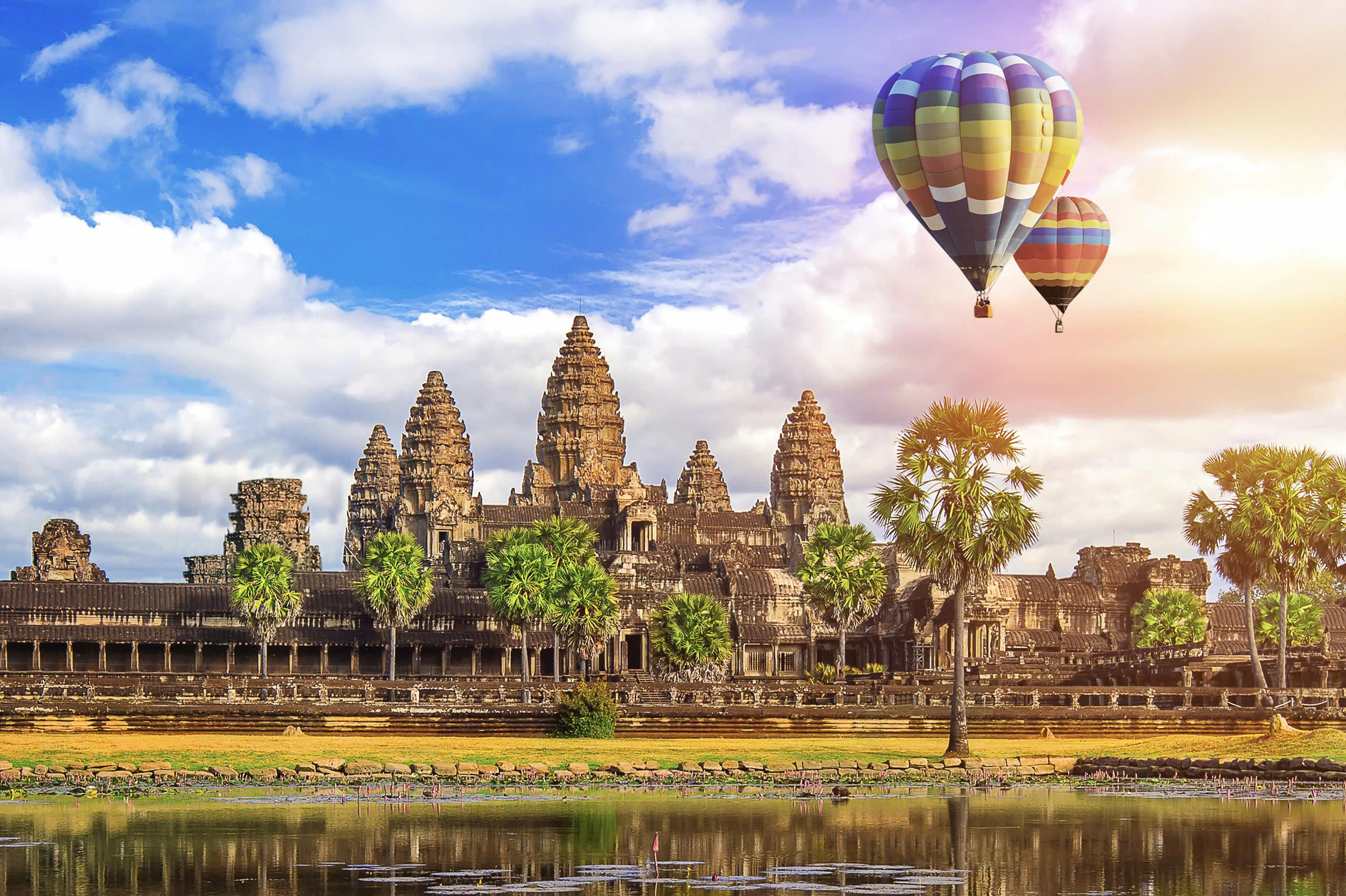
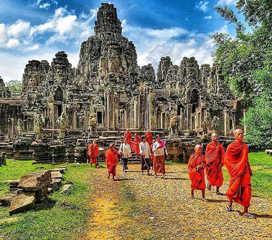
- Vietnam & Cambodia Highlights (15–17 days): Combines Vietnam’s cultural spine with the temples of Angkor Wat. Ideal for history enthusiasts.
- Short & Family Tours (5–8 days): Focused deep-dives, e.g., “Hanoi and Ninh Binh Ancient Capital” or “Hoi An Lantern-Making and Cooking.”
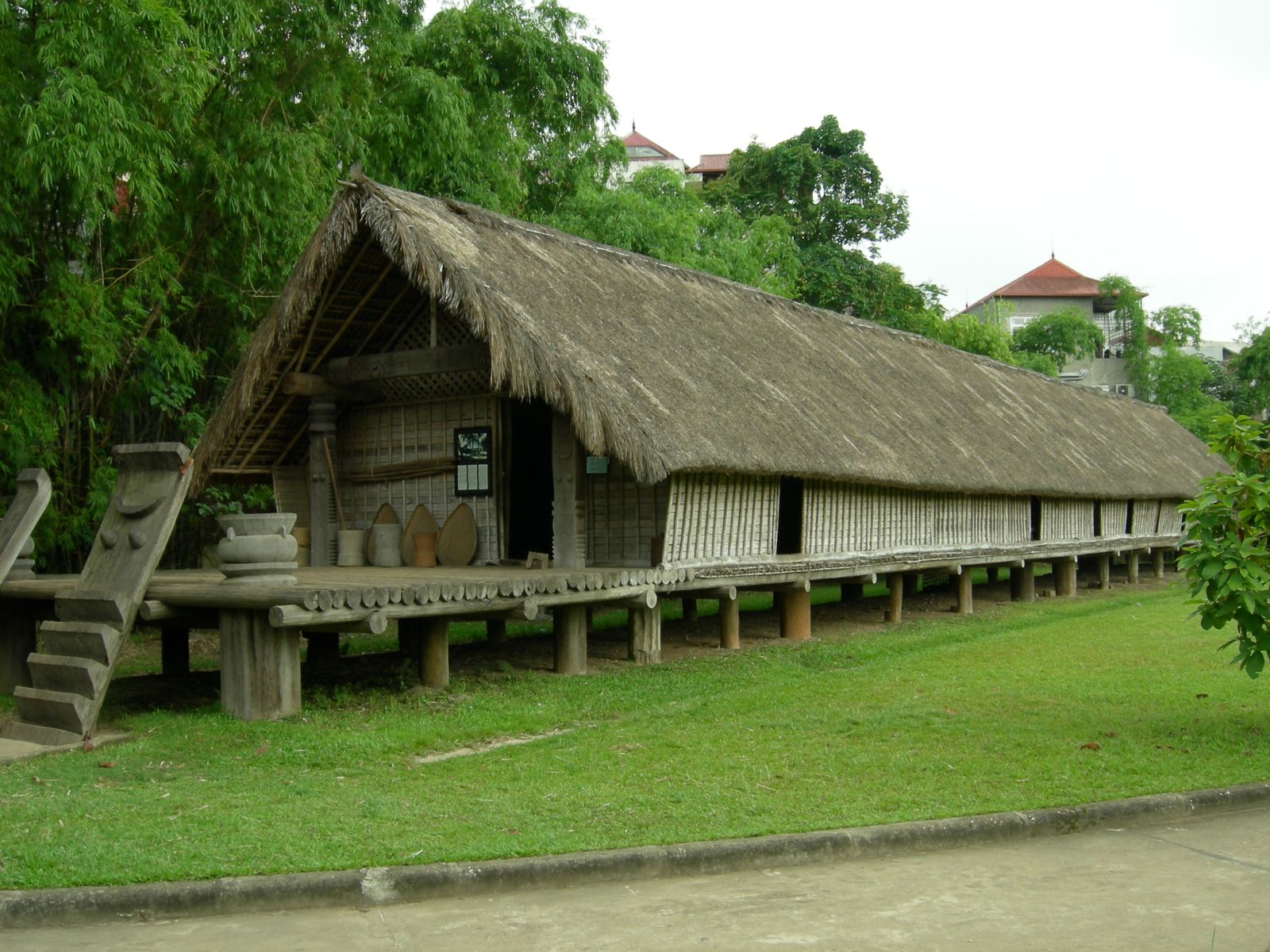
- Adventure & Culture Tours (10–19 days): Includes off-the-beaten-path destinations like the Cao Bang Geopark or the Central Highlands’ gong culture.
Key Destinations and Activities
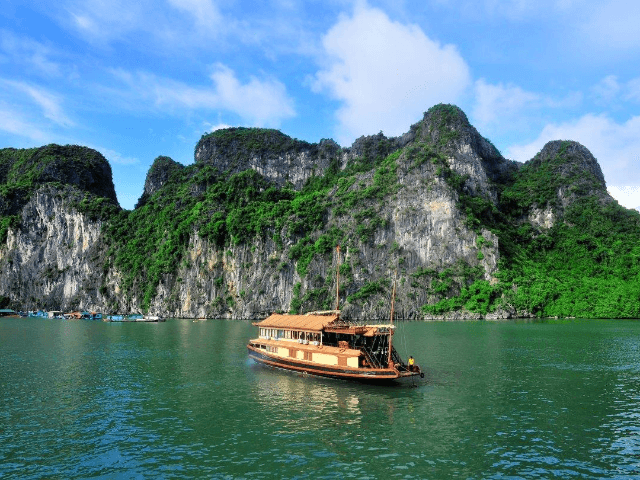
- Hanoi & Ha Long Bay: Explore thousand-year-old temples like the Temple of Literature, then take an overnight cruise among limestone karsts while learning about floating fishing villages.
- Central Vietnam (Hoi An, Hue, Ba Na Hills): Walk the ancient trading port of Hoi An, tour the imperial citadels of Hué, and see the bizarre Golden Bridge.
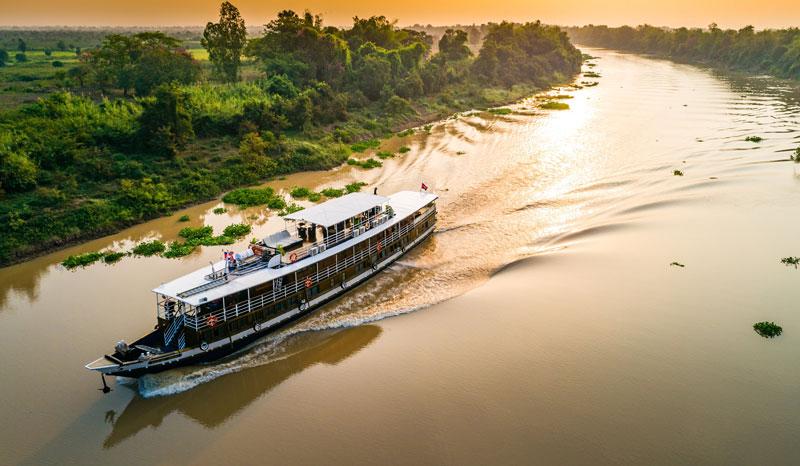
- Ho Chi Minh City & Mekong Delta: Visit the War Remnants Museum, explore the Cu Chi Tunnels, and take a boat through the delta’s floating markets like Cai Rang.
Top Cultural Experiences to Include in Your Trip
A culture-first trip is defined by activities that leave you changed. Rather than simply observing, you participate. Here are the non-negotiable experiences to build into your cultural vietnam tours.
Explore Ancient Cities
Vietnam’s ancient cities are not ruins; they are living, breathing neighborhoods. In Hoi An, the Japanese Covered Bridge and Chinese assembly halls are still in use.
At night, the town transforms as thousands of silk lanterns glow, and locals play traditional games in the street.
In Hue, the Imperial City’s Forbidden Purple Palace—while partially damaged—still exudes the gravity of the Nguyen Dynasty. Rent an áo dài (traditional dress) and bike through the citadel’s back alleys for a truly immersive feel.
Experience Local Cuisine
Vietnamese food is a cultural artifact in its own right. A street food tour in Hanoi’s Old Quarter is a masterclass in balance: the tangy broth of phở, the pungent fish sauce of bún chả, and the bitter notes of cà phê trứng (egg coffee).
Sign up for a cooking class in Hoi An, where you’ll market-shop for rare herbs and learn to roll, stuff, and steam bánh cuốn (steamed rice rolls). These classes often include a visit to a local farm, connecting you to the land itself.
Visit Historical Landmarks
Beyond the colonial post offices and pagodas, Vietnam’s historical landmarks tell a complex story. The Hoa Lo Prison (Hanoi Hilton) in Hanoi and the Cu Chi Tunnels near Ho Chi Minh City provide sobering but essential insights into the country’s 20th-century wars.
However, also seek out less somber sites like the Thien Mu Pagoda in Hue, a 400-year-old symbol of Buddhist resilience. Each landmark adds a layer to your understanding of modern Vietnam.
Best Cultural Destinations in Vietnam
Not all places in Vietnam are created equal when it comes to cultural depth. To build an authentic heritage tours vietnam experience, focus on these three pillars.
Hanoi – The Cultural Capital
Hanoi is a thousand-year-old poem written in architecture and alleyways. The Old Quarter, with its “36 streets” each named for a specific trade (e.g., Silk Street, Silver Street), retains its guild-like organization. Here, you can watch silversmiths at work and hear the clack of bánh cuốn steamers.
Don’t miss the Water Puppet Theatre—an art form unique to the Red River Delta that dates back to the 11th century. The city’s fusion of French colonial villas, communist-era blockitecture, and ancient pagodas makes every walk a history lesson.
Hue – Imperial Heritage
As the seat of the Nguyen emperors (1802–1945), Hue is Vietnam’s soul. The Imperial Citadel is a walled fortress within a fortress, containing the emperor’s palace, royal theaters, and gardens.
For a truly unique experience, take a dragon boat down the Perfume River to the royal tombs of Tu Duc and Khai Dinh, each a monument to a different aesthetic—from traditional Vietnamese to European-gothic hybrid.
Hue is also the birthplace of cơm hến (baby clam rice) and bún bò Huế (spicy beef noodle soup), so a food tour here is mandatory.
Hoi An – Timeless Charm
Hoi An is the best-preserved ancient town in Southeast Asia. Unlike Hué’s imperial grandeur, Hoi An is a merchant’s story. From the 15th to 19th centuries, it was a major trading port for Chinese, Japanese, Dutch, and Indian merchants.
This melding is visible in the Japanese Bridge, Chinese Assembly Halls, and Vietnamese tube houses. By night, the town bans motor vehicles, and lantern-lit streets host traditional bài chòi (card game) performances.
A morning class in lantern-making or silk farming connects you directly to Hoi An’s living heritage.
Who Should Choose Culture-First Vietnam Packages?
A beach vacation is passive; a culture-first journey is active and participatory. These vietnam private tours are specifically designed for certain traveler personas. Ask yourself if you belong to any of these groups.
- History lovers will find endless fascination in Vietnam’s timeline, from the ancient Kingdom of Champa to the Ly and Tran dynasties.
- Food enthusiasts will treat the country as a culinary classroom, learning the regional differences between northern, central, and southern cuisines.
- Slow travelers – those who prefer to spend three days in one village rather than three cities in one week – will thrive.
- Experience-focused travelers who value hands-on activities (pottery, weaving, farming) over material souvenirs will find culture-first packages uniquely satisfying.
If you have ever felt that lounging on a beach is “nice but not memorable,” then you are the perfect candidate for this style of travel.
Culture vs Beach Travel – What’s the Difference?
Choosing a vietnam tour company that specializes in culture versus one that focuses on resorts is a choice between two very different rewards. Let’s compare.
|
Aspect |
Beach Travel |
Culture-First Travel |
|
Pace |
Slow, static (one resort) |
Varied, mobile (multiple destinations) |
|
Interaction |
Minimal (staff, other tourists) |
High (locals, guides, artisans) |
|
Learning |
Low (relaxation only) |
High (history, language, crafts) |
|
Physical activity |
Swimming, walking on sand |
Trekking, biking, temple stair-climbing |
|
Typical cost |
Moderate to high (resort fees) |
Low to premium (guides & admissions) |
|
Souvenirs |
Mass-produced beachwear |
Handmade crafts, local textiles |
The benefit of cultural immersion is cognitive and emotional richness. You return from a cultural tour with memories of tastes, sounds, and conversations. The downside? It requires more energy, planning, and openness to the unfamiliar.
When should you choose each? Choose beach travel if you need genuine rest and recovery. Choose cultural travel if you are hungry for learning and connection – or, ideally, combine both: a cultural tour followed by a 3-day beach stay in Da Nang or Phu Quoc.
How to Plan a Culture-Focused Vietnam Trip
Planning a trip that prioritizes heritage over hedonism requires deliberate choices. You don’t have to do it alone; a good vietnam travel agency can transform a good trip into a great one. Here is a simple three-step framework.
Choose the Right Route
The classic cultural corridor runs north to south (or vice versa). This allows you to follow Vietnam’s historical development.
Start in Hanoi (ancient northern culture), go east to Ha Long Bay (maritime legend), then fly to Hué (imperial central culture), train to Hoi An (trading port), and finally fly south to Ho Chi Minh City (modern, war history, and Mekong Delta).
A less common but equally rewarding route is the northern mountain loop (Hanoi → Mai Chau → Ninh Binh → Ha Giang) for ethnic minority cultures.
Prioritize Experiences Over Destinations
It is tempting to check off every city, but cultural depth comes from staying put. Instead of “10 cities in 10 days,” plan for “5 cities with 2 full-day in-depth experiences each.” For example, in Hoi An, do not just walk the old town.
Book a half-day trip to a nearby Cham island fishing village or a full-day vegetarian cooking class with a Buddhist nun. Quality over quantity is the mantra.
Work with Local Experts
You can plan a cultural trip on your own, but a specialized vietnam travel agency brings insider access: private home-hosted dinners, after-hours temple visits, and English-speaking historians as guides.
They also handle logistics like train tickets, flight bookings, and permits for remote areas, allowing you to focus on immersion. Look for agencies certified by the Vietnam National Administration of Tourism (VNAT) that offer tailor made vietnam tours.
Sample Culture-First Vietnam Itinerary (10–12 Days)
Here is a realistic vietnam itinerary cultural that balances depth with pace. It avoids the “tick-box” trap and emphasizes local interaction.
Day 1–3: Hanoi cultural exploration
- Morning: Ho Chi Minh Mausoleum and One Pillar Pagoda.
- Afternoon: Temple of Literature and a calligraphy class with a Confucian scholar.
- Evening: Street food tour of the Old Quarter (try chả cá lã vọng).
- Day 3: Full-day trip to Duong Lam Ancient Village – cycle through mud-brick alleys and cook with a local family.
Day 4–5: Ha Long Bay
- Overnight on a boutique junk boat. Include a morning Tai Chi session on deck and a visit to a floating pearl farm. Choose a route that visits less-crowded areas like Bai Tu Long Bay.
Day 6–8: Hue & Hoi An
- Fly to Hue. Day 6: Imperial Citadel and a dragon boat trip on the Perfume River to Thien Mu Pagoda.
- Day 7: Private car over the Hai Van Pass to Hoi An. Evening: Lantern-making workshop.
- Day 8: Morning farmers’ market tour and cooking class in Tra Que Vegetable Village.
Day 9–12: Ho Chi Minh + Mekong Delta
- Fly to Saigon. Day 9: War Remnants Museum and Cu Chi Tunnels (half-day).
- Day 10–11: Two-day Mekong Delta homestay in Ben Tre or Can Tho. Row through palm-shaded canals, sample tropical fruits, and stay overnight in a stilt house.
- Day 12: Departure from Ho Chi Minh City.
Best Time for Cultural Travel in Vietnam
Timing your vietnam vacation packages can dramatically enrich the cultural dimension, especially if you align with festivals. Vietnam’s climate is regional, so check conditions for your specific destinations.
Festival Seasons:
The biggest cultural event is Tet (Lunar New Year), usually late January or early February. Cities explode with flowers, dragon dances, and ancestor worship. However, travel can be chaotic as locals return home. The Mid-Autumn Festival (September/October) is magical for families, with lantern parades and mooncake feasting, especially in Hoi An.
Weather Considerations:
- North (Hanoi, Ha Long): Best from October to April (dry and cool). Summer (May–August) is hot and rainy.
- Central (Hue, Hoi An): Best from February to May. Avoid September–November (typhoon season).
- South (Saigon, Mekong): Best from December to April (dry season). May–November is wet but less crowded, and floating markets are more active.
Regional Differences:
For a seamless cultural tour, plan for the North in spring (March–April) or autumn (October–November), and the South in the dry winter months (December–February).
Why Customized Cultural Tours Offer More Value
Off-the-shelf group tours can feel like a conveyor belt. In contrast, custom vietnam tours and tailor made vietnam tours offer superior value for the culturally curious. Why? Because value is not about price; it is about relevance.
A custom tour allows you to focus on your specific interests. Obsessed with Cham history? Your guide will take you to My Son Sanctuary and the Cham Museum in Da Nang.
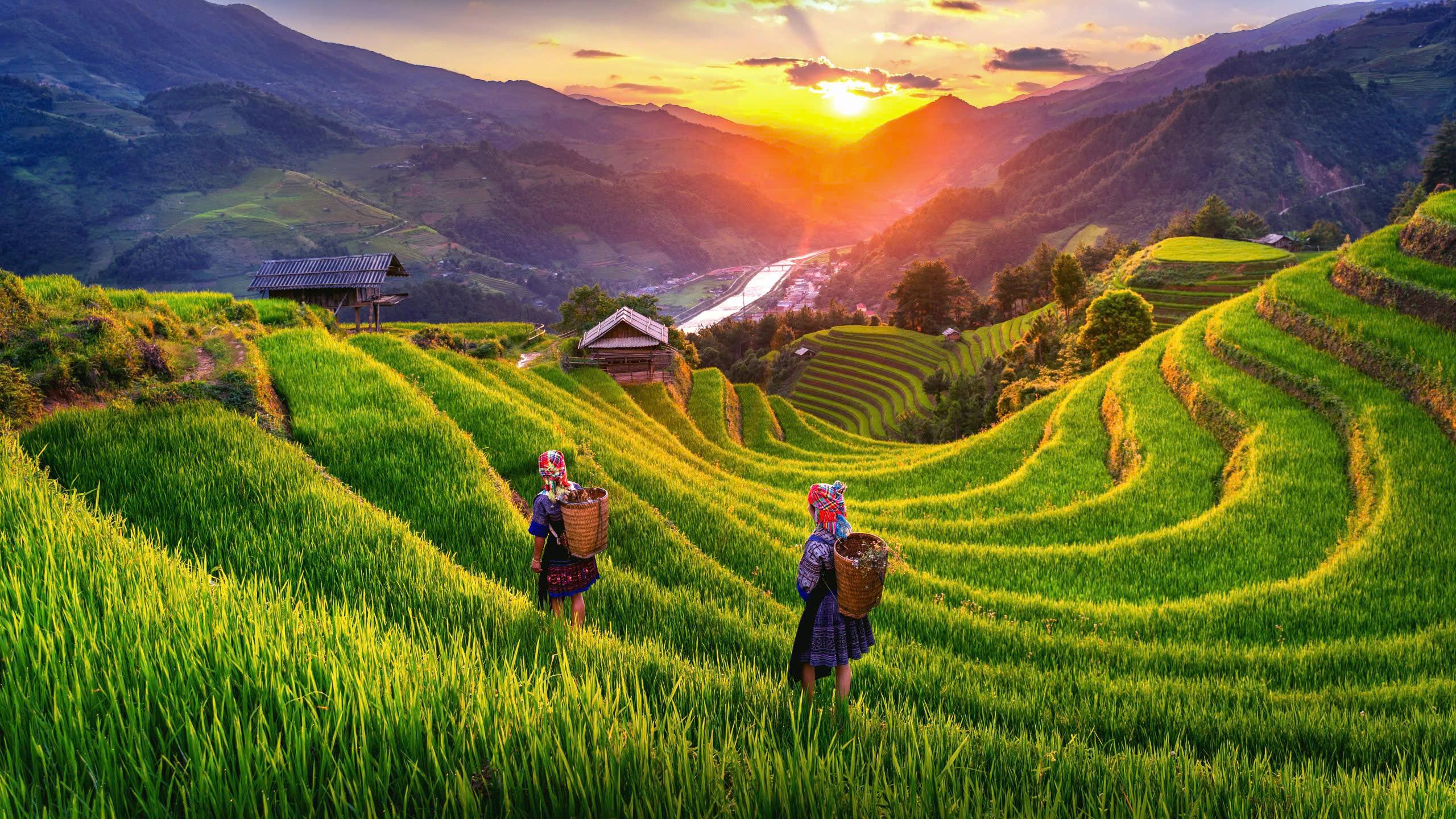
Passionate about textile weaving? You will visit Hmong villages in Sapa or Cham brocade workshops near Nha Trang.
Local experiences become the backbone, not an add-on. You can choose to spend an extra day in a Mekong homestay rather than a sterile hotel in Can Tho.
Moreover, flexible itineraries mean you travel at your pace. If you fall in love with Hué’s royal cuisine, you can extend your stay and add a second cooking class. If a museum feels rushed, you have the time to linger.
And because you are working directly with a vietnam travel agency that listens, you avoid the “one-size-fits-all” frustration. The result is deeper cultural immersion – which is, after all, the entire point.
Common Mistakes to Avoid in Cultural Travel
Even well-intentioned travelers can undermine their own cultural immersion. Avoid these pitfalls to ensure your trip is as meaningful as possible.
- Rushing your itinerary: Trying to visit Hanoi, Ha Long, Hue, Hoi An, Nha Trang, Saigon, and the Mekong in 10 days is a recipe for exhaustion, not enlightenment. You will spend more time in airports and buses than in pagodas. Cut the list.
- Skipping local experiences: Walking through Hoi An’s old town for an hour does not count as “experiencing” it. Book a hands-on workshop, a homestay, or a guided food tour. Passive sightseeing yields passive memories.
- Ignoring regional differences: Eating phở in Saigon is very different from eating it in Hanoi (northern broth is clearer, southern is sweeter). Assuming “Vietnamese food” is monolithic disrespects regional culinary heritage. Similarly, dress codes vary: Temples in the north require covered shoulders and knees; in the more liberal south, rules are laxer. Do your research.
- Over-relying on English: While you can get by, learning just “xin chào” (hello), “cảm ơn” (thank you), and “xin lỗi” (sorry) will open doors and smiles.
Plan a Meaningful Vietnam Journey
Vietnam is not a checklist; it is a conversation. The most rewarding vietnam travel plans are those built around curiosity, patience, and a willingness to step off the beaten path. As you have seen, culture Vietnam tour packages offer more than beaches – they offer transformation.
Focus on experiences, not kilometers. Travel deeper, not faster. And do not hesitate to use expert guidance. A reputable best travel agency in Vietnam or best tour company for vietnam will not only arrange your logistics but also introduce you to homestay hosts, master craftspeople, and local historians. They turn a trip into a narrative.
So, as you close this article and open a new browser tab to search for flights, remember: the golden beaches will still be there tomorrow. But the old woman hand-rolling incense sticks in a back alley of Hanoi’s Old Quarter, the sound of a brass gong in a Central Highland village, and the taste of bún bò eaten from a plastic stool on a rainy Hué street – those moments are fleeting. Seize them now.
FAQs
What are culture-first Vietnam tour packages?
They are carefully designed itineraries that prioritize heritage, local traditions, cuisine, and historical understanding over generic sightseeing or beach relaxation. They focus on authentic interactions with Vietnamese communities and deep dives into the country’s multi-millennial history.
How many days are ideal for cultural travel in Vietnam?
10 to 14 days is the sweet spot. This allows you to cover the three main cultural hubs (Hanoi, Huế/Hội An, and Ho Chi Minh City/Mekong Delta) without rushing. A 14-day trip can also include a remote area like Ninh Binh or the Central Highlands.
Are cultural tours more expensive than beach holidays?
Not necessarily. While private custom vietnam tours with expert guides and boutique accommodations can be premium ( 2500+), you can find excellent group cultural tours starting at $500-$800 per person for 7 days. The main cost difference is the inclusion of entrance fees, guide services, and hands-on workshops, which often represent better value than resort markups.
Can I combine cultural and beach travel in one trip?
Absolutely. Many vietnam tour packages offer “culture and coast” combos. For example, do a 10-day cultural tour from Hanoi to Ho Chi Minh City, then add a 3-day extension to the beach at Phu Quoc Island or An Bang Beach (near Hoi An). This gives you the best of both worlds.
Should I book through a travel agency or plan on my own?
For a culture-first trip, booking through a specialized vietnam travel agency or vietnam tour company is highly recommended. They provide logistical ease, local expertise, and access to authentic experiences (like homestays and artisan workshops) that are very difficult to arrange independently. Look for agencies that offer tailor made vietnam tours and have excellent reviews for cultural immersion.
Customize This Itinerary
Let our local experts design the perfect itinerary for you. It’s free, personalized, and take less than 24 hours !
 No obligation100% personalizedBest Price Guarantee2M$ Liability Insurance
Marc Nguyen

Follow Us



.png&w=828&q=75)