





Planning a vietnam trip? Let us help.
Get personalized travel plan based on your interest, budget and preferred travel dates
The improvement in material life also means that many people are more interested in their spiritual life. Unique art performances across Vietnam gradually attract a large audience to enjoy and love.
TABLE OF CONTENTS
1
Must-See Art Performances in Vietnam: A Cultural Spectacle Not to Be Missed
Water Puppet Show - A Unique Vietnamese Tradition
Origins of Water Puppetry - A Thousand-Year-Old Art
Where to Watch the Best Water Puppet Shows in Vietnam
2
Tuong (Classical Vietnamese Opera) - A Glimpse into Royal Court Culture
The Historical Significance of Tuong
How Tuong Differentiates from Other Asian Theatrical Arts
Where to Watch an Authentic Tuong Performance in Vietnam
3
Cheo - The Soulful Vietnamese Folk Theatre
The Storytelling Elements of Cheo
Why Cheo Is Considered the Voice of the Vietnamese Countryside
The Best Venues to Experience a Live Cheo Show
4
Ca Tru - The Hauntingly Beautiful Chamber Music of Vietnam
What Makes Ca Tru a UNESCO-Recognized Art Form?
The Role of Poetry & Traditional Instruments in Ca Tru
Where to Experience the Finest Ca Tru Performances
5
Xam Singing - Vietnam’s Traditional Street Music
The History of Xam - Songs of the Blind Musicians
The Revival of Xam Singing in Modern Vietnam
Where to Find Live Xam Performances in Hanoi & Other Cities
How Bai Choi Combines Music, Poetry & Performance
Why Bai Choi is a UNESCO-Recognized Intangible Heritage
Where to Experience Bai Choi in Hoi An & Central Vietnam
6
Quan Ho - The Romantic Folk Duets of Northern Vietnam
How Quan Ho Singing Reflects Love & Community Bonding
Traditional Costumes & Rituals in Quan Ho Performances
7
Contemporary Art Performances in Vietnam
AO Show - Vietnam’s Acrobatic Bamboo Circus
My Village (Làng Tôi) - A Stunning Visual Story of Rural Vietnam
My Village (Làng Tôi) is a visually poetic performance that brings to life the beauty of Vietnamese rural culture through breathtaking aerial choreography and live folk music. This show blends contemporary circus arts with traditional village scenes, capturing the essence of Vietnamese countryside life.
The Mist - A Modern Dance Performance on Vietnamese Rice Culture
8
Where to Watch the Best Art Performances in Vietnam
Top Theaters & Cultural Centers in Hanoi
Must-Visit Art Venues in Ho Chi Minh City
Best Places for Traditional Performances in Hue & Hoi An
How to Book Tickets for the Most Popular Shows
Cultural Etiquette & Audience Participation
Conclusion - Why You Should Experience Vietnam’s Art Scene
The Role of Art in Preserving Vietnam’s Cultural Heritage
How These Performances Connect Travelers with Local Traditions
Final Tips to Make the Most of Your Cultural Experience in Vietnam
Must-See Art Performances in Vietnam: A Cultural Spectacle Not to Be Missed
Vietnam boasts a rich and diverse artistic heritage, with performances that blend history, folklore, and traditional craftsmanship. From ancient storytelling techniques to mesmerizing musical productions, these art forms provide a unique window into the soul of Vietnamese culture. Among them, water puppetry stands out as one of the most fascinating and distinctive performances that travelers should not miss.
Water Puppet Show - A Unique Vietnamese Tradition
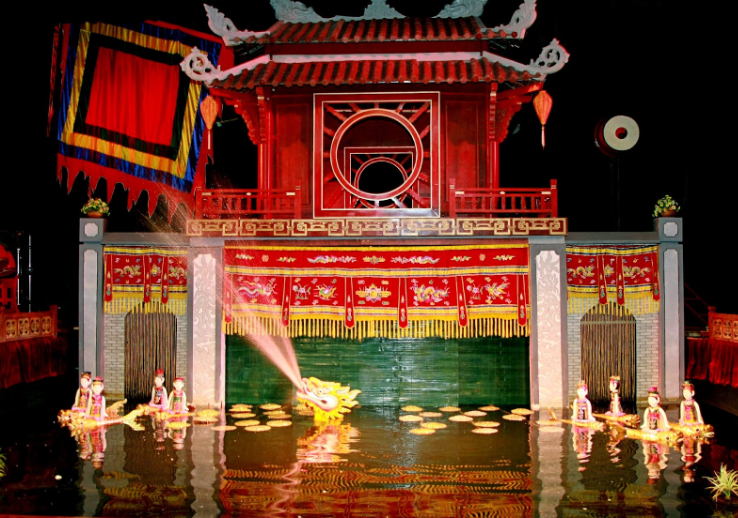
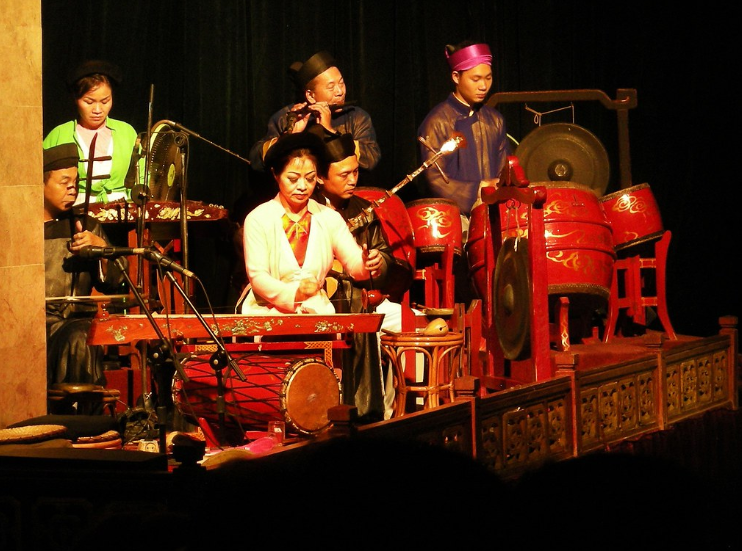
Water puppetry, or “Múa rối nước”, is a centuries-old Vietnamese art form that brings history and folklore to life through captivating performances on water. This traditional spectacle combines skillful puppetry, live music, and dramatic storytelling, making it an unforgettable experience for audiences of all ages.
Origins of Water Puppetry - A Thousand-Year-Old Art
Water puppetry traces its roots back to the 11th century, originating in the Red River Delta region of northern Vietnam. It was first performed by rice farmers who used flooded rice paddies as natural stages, entertaining their communities during harvest celebrations and festivals. Over time, the art form evolved, incorporating intricate puppetry techniques and live orchestration.
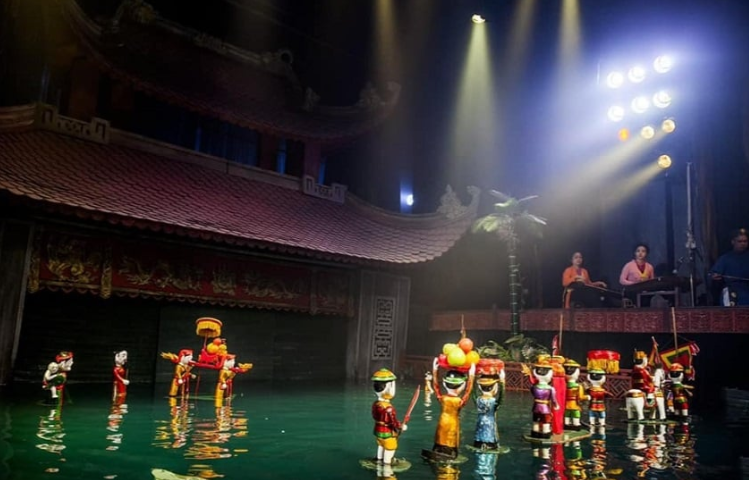
The performances often depict rural life, historical legends, and mythical tales passed down through generations. Traditional water puppets are crafted from wood, lacquered for durability, and maneuvered by hidden puppeteers standing waist-deep in water. These skilled artists use bamboo rods and underwater mechanisms to create the illusion of floating and dancing puppets.
Where to Watch the Best Water Puppet Shows in Vietnam
For those eager to witness this enchanting tradition firsthand, several renowned venues across Vietnam offer spectacular water puppet performances:
- Thang Long Water Puppet Theatre (Hanoi): One of the most famous venues, located near Hoan Kiem Lake, where visitors can enjoy authentic performances accompanied by live traditional music.
- Vietnam National Puppetry Theatre (Hanoi): A well-regarded institution that showcases both traditional and contemporary adaptations of water puppetry.
- Golden Dragon Water Puppet Theatre (Ho Chi Minh City): A top destination in southern Vietnam for experiencing this unique art form in an intimate setting.
- Hoi An Lune Center (Hoi An): While primarily known for other traditional performances, this venue occasionally features water puppet shows alongside cultural displays.
- Local Festivals and Villages: In some rural areas, particularly in the Red River Delta, visitors may have the rare opportunity to witness water puppetry performed in its original village setting.
What Makes Water Puppetry a Must-See Experience?
Water puppetry is more than just a performance; it is a journey into Vietnam’s cultural heritage. Here’s why you shouldn’t miss it:
- A Unique Art Form: Unlike any other puppetry in the world, water puppetry utilizes water as both a stage and a dramatic element, enhancing the storytelling experience.
- Rich Storytelling: Each show presents a mix of folk tales, humorous skits, and historical narratives that provide insights into Vietnamese traditions and values.
- Live Traditional Music: Accompanied by traditional Vietnamese instruments such as the “đàn bầu” (monochord) and “đàn nguyệt” (moon lute), the performances are as much an auditory delight as a visual spectacle.
- A Family-Friendly Experience: The whimsical puppets, engaging movements, and lighthearted humor make water puppet shows enjoyable for both children and adults.
Attending a water puppet show offers travelers a deeper appreciation for Vietnam’s artistic legacy while providing a mesmerizing and entertaining experience. Whether you are exploring the bustling streets of Hanoi or the vibrant culture of Ho Chi Minh City, adding a water puppet performance to your itinerary is a must for a truly immersive cultural adventure.
Tuong (Classical Vietnamese Opera) - A Glimpse into Royal Court Culture
The Historical Significance of Tuong
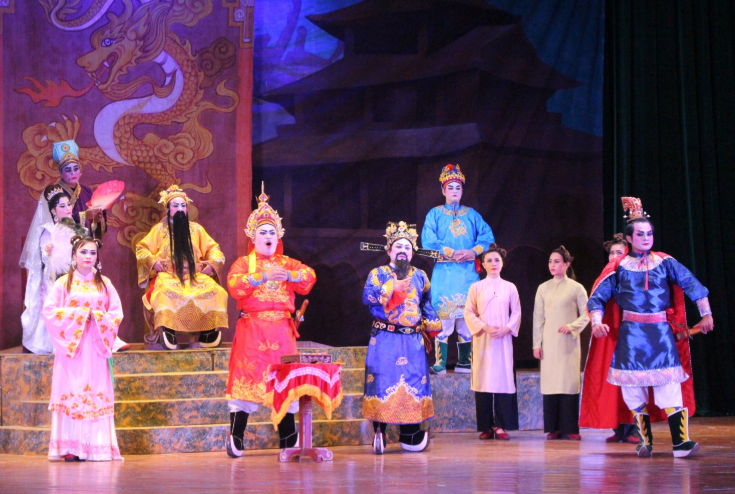
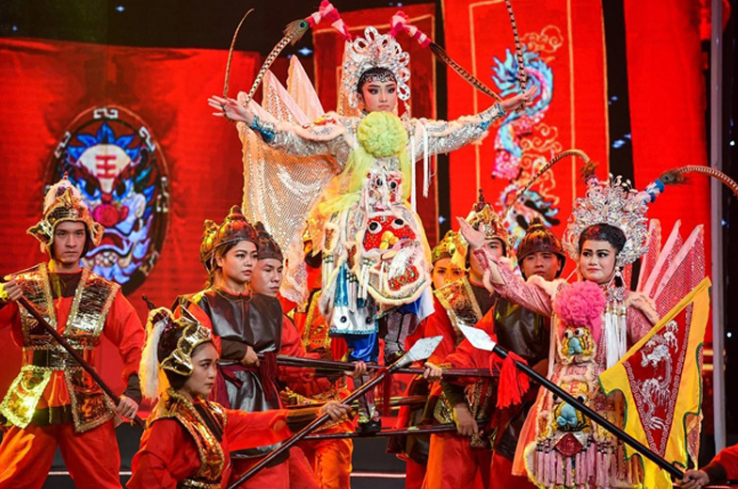
Tuong, also known as classical Vietnamese opera, dates back to the 12th century and was heavily influenced by Chinese opera while developing its own distinct Vietnamese identity. Initially performed at the royal court for emperors and mandarins, Tuong gradually became popular among the general public. The art form was historically used as both entertainment and a means of conveying moral and historical lessons, often dramatizing tales of heroism, loyalty, and patriotism.
How Tuong Differentiates from Other Asian Theatrical Arts
- While Tuong shares similarities with Chinese Peking opera and other Asian theatrical traditions, it has unique characteristics that set it apart:
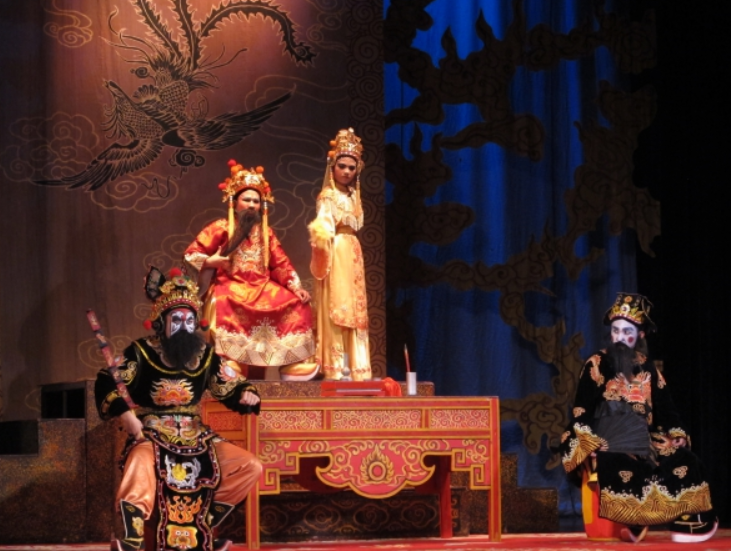
- Elaborate Costumes & Makeup - Performers wear striking, embroidered costumes and dramatic face paint that symbolizes different character traits.
- Highly Stylized Movements - Every gesture and posture in Tuong follows a precise, symbolic meaning.
- Distinctive Vocal Style - Unlike the melodic singing in cải lương (southern Vietnamese folk opera), Tuong features bold, powerful vocalizations that emphasize emotion and drama.
- Live Music Accompaniment - Traditional instruments like the đàn nhị (two-stringed fiddle) and trống chiến (war drum) enhance the dramatic atmosphere.
Where to Watch an Authentic Tuong Performance in Vietnam
To witness an authentic Tuong performance, consider visiting:
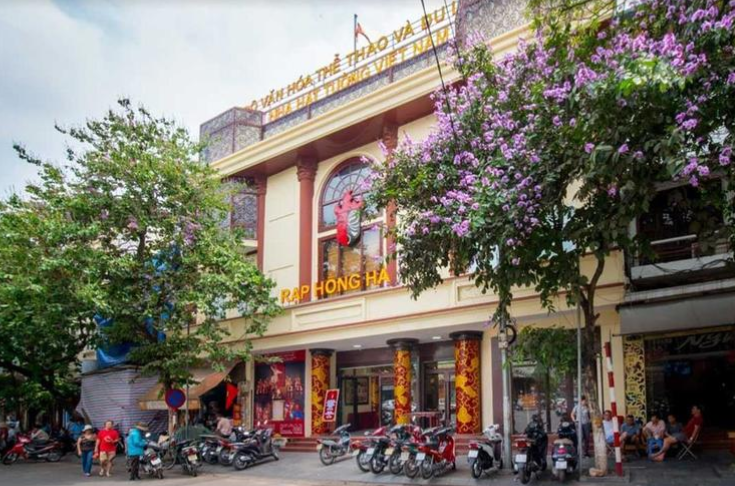
- Vietnam National Tuong Theatre (Hanoi) - The leading institution for preserving and performing Tuong.
- Hoi An Lune Center for the Performing Arts - Offers immersive traditional performances, including Tuong.
- Hue Traditional Arts Theatre - Located in the former imperial capital, showcasing royal-style Tuong performances.
Experiencing Tuong is like stepping back in time to Vietnam’s imperial past, making it a must-see for anyone interested in the country’s theatrical traditions.
Cheo - The Soulful Vietnamese Folk Theatre
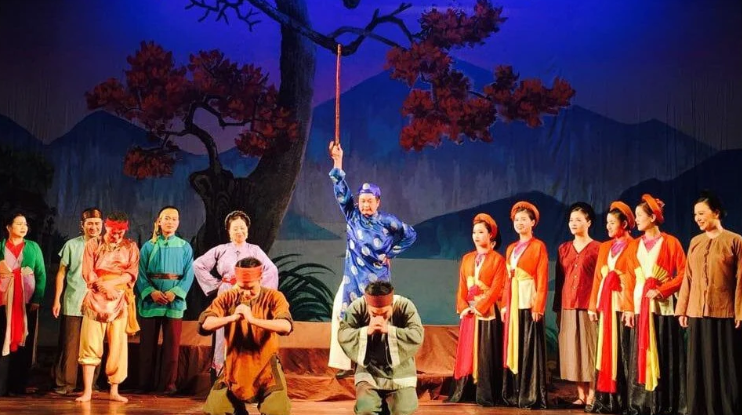
Cheo is one of Vietnam’s oldest and most cherished forms of folk theatre, deeply rooted in rural traditions and everyday life. Unlike the grandeur of Tuồng, which was historically performed in royal courts, Cheo originated in the northern villages, bringing stories of love, humor, and morality to the common people. With its lively melodies, witty dialogue, and relatable themes, Cheo has remained a beloved cultural treasure, offering audiences a glimpse into Vietnam’s rustic past.
The Storytelling Elements of Cheo
At the heart of Cheo lies the art of storytelling, blending music, poetry, and drama to depict folk tales, historical events, and moral lessons. Performances often revolve around themes of love, loyalty, and social justice, delivered through exaggerated gestures, symbolic props, and expressive facial movements. The script is written in verse, allowing for spontaneous improvisation by actors, which adds a unique dynamic to each performance.
A typical Cheo play features a mix of archetypal characters: the virtuous heroine, the cunning antagonist, and the comical village fool. These roles, combined with traditional Vietnamese instruments like the đàn bầu (monochord) and đàn nguyệt (moon lute), create a captivating blend of humor, music, and storytelling that keeps audiences engaged.
Why Cheo Is Considered the Voice of the Vietnamese Countryside
Cheo is often referred to as the soul of Vietnam’s rural life because it reflects the hopes, struggles, and resilience of the common people. Unlike other theatrical forms that catered to the elite, Cheo was performed at village festivals, communal gatherings, and open-air markets, making it accessible to everyone.
Its themes often challenge societal norms, advocating for justice and the triumph of good over evil. Many classic Cheo plays, such as Quan Âm Thị Kính and Kim Nham, carry deep moral lessons about fate, forgiveness, and personal virtue, resonating with audiences for generations. Even today, the folk melodies of Cheo remain an integral part of Vietnamese cultural identity, bringing nostalgic comfort to older generations and sparking curiosity among younger audiences.
The Best Venues to Experience a Live Cheo Show
For those eager to witness the magic of Cheo, several venues across Vietnam offer authentic performances:
- Vietnam National Cheo Theatre (Hanoi) - The premier venue for Cheo, showcasing both classical and modern adaptations of traditional plays.
- Thang Long Water Puppet Theatre (Hanoi) - While best known for water puppetry, this theatre occasionally hosts Cheo performances, especially during cultural festivals.
- Villages and Local Festivals in the Red River Delta - The most authentic way to experience Cheo is at traditional village festivals, where locals perform for the community in an intimate and lively setting.
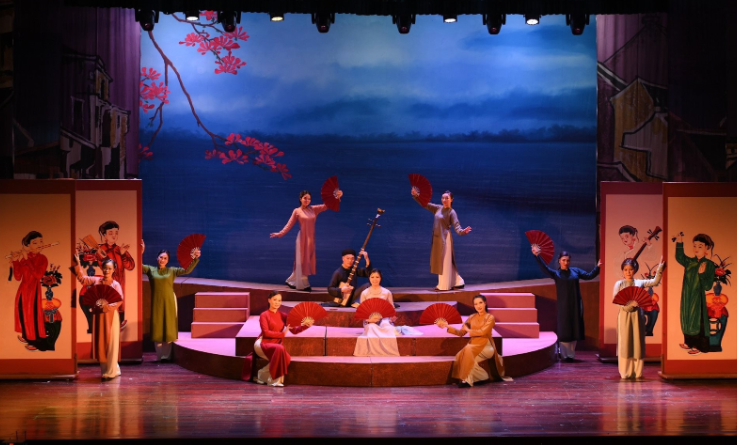
Experiencing a live Cheo show is like stepping back in time to an era where storytelling was the heart of entertainment. Whether in a grand theatre or a humble village courtyard, Cheo remains a testament to Vietnam’s rich folk heritage, offering an unforgettable theatrical experience.
Ca Tru - The Hauntingly Beautiful Chamber Music of Vietnam
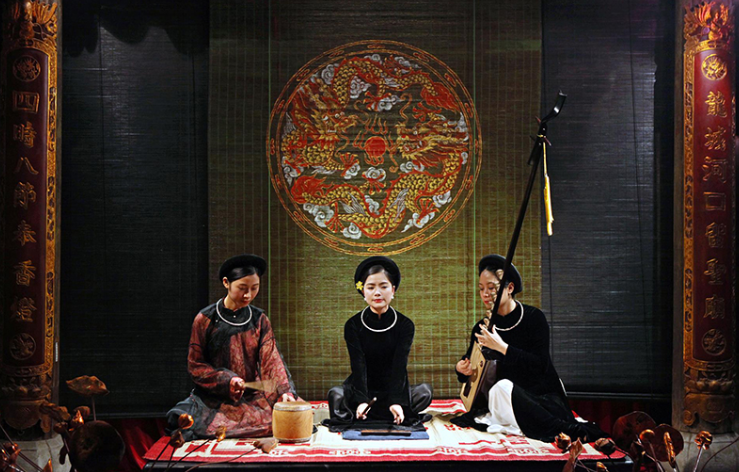
Ca Tru is one of Vietnam’s most unique traditional art forms, dating back over 1,000 years. Known for its ethereal melodies, poetic lyrics, and highly technical vocal techniques, Ca Tru is a mesmerizing blend of music, poetry, and refined performance skills. Recognized by UNESCO as an Intangible Cultural Heritage in Need of Urgent Safeguarding, this ancient art form continues to be preserved and passed down through generations despite modern influences.
What Makes Ca Tru a UNESCO-Recognized Art Form?
Ca Tru is highly regarded for its complexity, combining multiple artistic elements:
- Unique Vocal Techniques: Ca Tru singers use a distinctive, high-pitched voice with precise control, incorporating chest voice and vibrato techniques. The singer must also synchronize their vocals with the rhythmic beats of the trong chau (praise drum), which adds a percussive dimension to the performance.
- Harmonic Fusion of Music and Poetry: The lyrics in Ca Tru are often based on classical Vietnamese poetry, filled with deep meaning, metaphors, and historical references. The melodies are carefully crafted to enhance the emotions of the poetry.
- Minimalistic Yet Profound Accompaniment: Unlike other musical genres, Ca Tru performances rely on only a few instruments, including the dan day (three-stringed lute), trong chau (praise drum), and sometimes a bamboo phach (wooden percussion instrument), creating an intimate and deeply expressive musical experience.
The Role of Poetry & Traditional Instruments in Ca Tru
Ca Tru is as much about poetry as it is about music. The lyrics are drawn from Vietnamese classical literature, often exploring themes of love, nature, philosophy, and historical narratives. Traditionally performed in private gatherings, royal courts, and scholar circles, Ca Tru was a form of artistic and intellectual expression.
The instrumental accompaniment plays a crucial role in setting the tone:
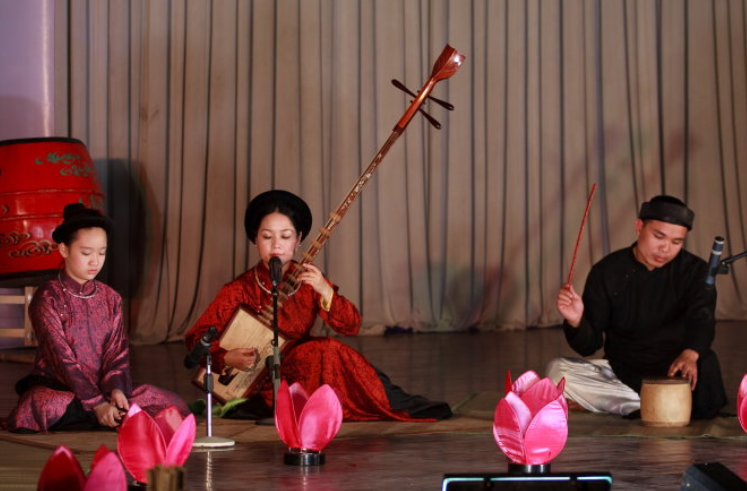
- Dan day (three-stringed lute): Produces deep, resonant sounds that provide a slow and melancholic backdrop to the singer’s voice.
- Trong chau (praise drum): Played by a drummer who signals rhythm changes and accentuates important lyrical moments by striking the drum in specific ways.
- Phach (bamboo percussion): Used by the singer to mark the tempo and enhance the storytelling aspect of the performance.
Each element is carefully orchestrated to create an atmosphere of sophistication, evoking a sense of nostalgia and deep emotion in the audience.
Where to Experience the Finest Ca Tru Performances
Though once at risk of fading into obscurity, Ca Tru has experienced a revival, with dedicated artists and cultural organizations striving to keep the tradition alive. Today, visitors can enjoy authentic Ca Tru performances at:
- Thang Long Ca Tru Club (Hanoi): One of the best venues to experience live Ca Tru in a traditional setting, featuring masterful performances by seasoned artists.
- Vietnam National Academy of Music (Hanoi): Often hosts Ca Tru performances as part of cultural events and music preservation programs.
- Temple of Literature (Hanoi): Occasionally organizes Ca Tru performances in a historically significant atmosphere, allowing audiences to immerse themselves in Vietnam’s rich artistic heritage.
- Hue and Hoi An: Some cultural centers and heritage sites in these cities offer Ca Tru performances as part of their efforts to preserve Vietnam’s traditional arts.
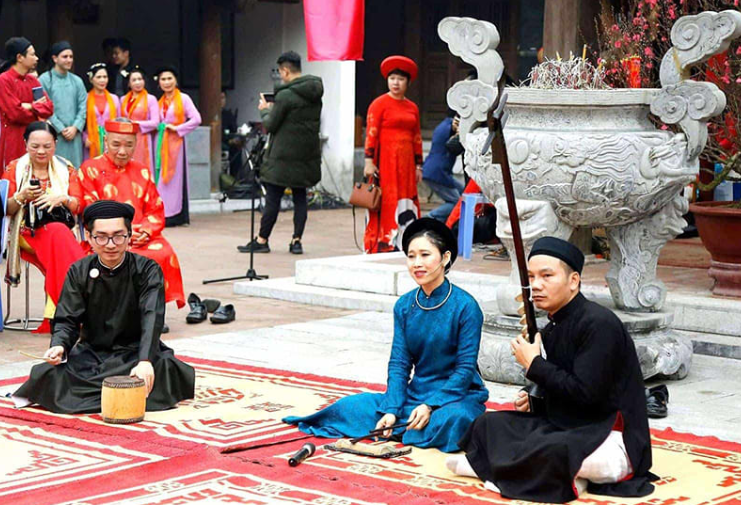
Watching a Ca Tru performance is a journey through Vietnam’s past, offering insight into the country’s refined aesthetic sensibilities and deep literary traditions. Whether you are a music enthusiast, a poetry lover, or simply curious about Vietnamese culture, experiencing Ca Tru is an unforgettable encounter with one of Vietnam’s most profound artistic legacies.
Xam Singing - Vietnam’s Traditional Street Music
Xam singing is a distinctive form of Vietnamese folk music that originated centuries ago as a form of storytelling and entertainment for the common people. Known for its lively rhythms, poetic lyrics, and deeply emotional melodies, Xam was traditionally performed by blind musicians in markets, streets, and public squares. Today, this art form is experiencing a revival, attracting both local and international audiences who appreciate its raw, heartfelt beauty.
The History of Xam - Songs of the Blind Musicians
Xam singing dates back to the Tran Dynasty (13th-14th century) and is believed to have been created as a means for visually impaired musicians to make a living through storytelling and music. These artists would travel from village to village, singing about social issues, love, and historical events while playing traditional Vietnamese instruments.
Key features of Xam singing include:
- Simple yet expressive melodies: The tunes are catchy yet deeply emotional, allowing performers to connect with their audience on a personal level.
- Powerful storytelling: Xam songs often depict real-life struggles, morality tales, and humorous anecdotes, making them an important medium for social commentary.
- Use of traditional instruments: The most common instruments used in Xam performances are the dan nhi (two-stringed fiddle), dan bau (monochord), and phach (bamboo clappers), which add a rhythmic and melodic depth to the singing.
Despite its deep cultural roots, Xam nearly disappeared in the late 20th century due to urbanization and changes in entertainment preferences.
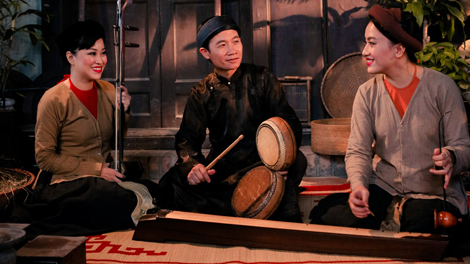
The Revival of Xam Singing in Modern Vietnam
In recent years, dedicated Vietnamese artists and cultural organizations have worked hard to revive and preserve Xam singing. The resurgence of interest can be attributed to:
- Younger generations embracing traditional music: Many young musicians have incorporated Xam into contemporary styles, blending it with modern instruments and fresh interpretations while maintaining its essence.
- Government and NGO initiatives: Cultural programs and heritage conservation efforts have encouraged the documentation and performance of Xam in festivals and public events.
- Street performances and online platforms: Xam singing is making a comeback on the streets of Hanoi and through social media, allowing a wider audience to rediscover this art form.
With its rich history and captivating melodies, Xam is now recognized as a valuable cultural heritage that reflects Vietnam’s resilience and artistic depth.
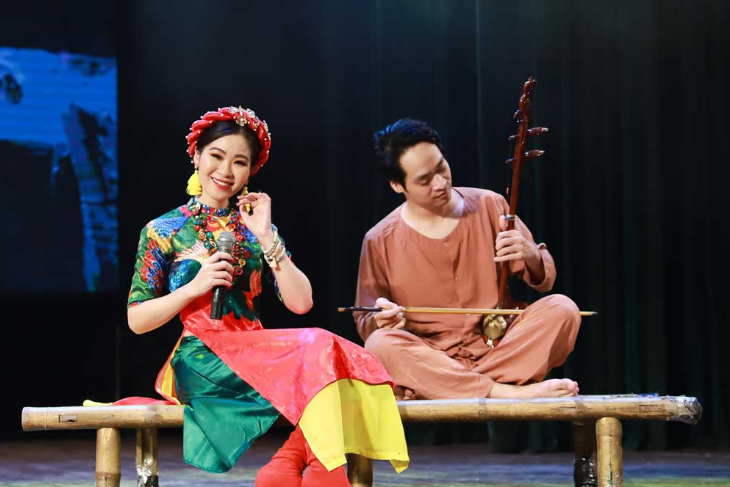
Where to Find Live Xam Performances in Hanoi & Other Cities
If you want to experience Xam singing firsthand, there are several places in Vietnam where you can find live performances:
- Hoan Kiem Lake & Old Quarter (Hanoi): Street performances of Xam can often be found around these areas, especially during weekends and cultural events.
- Vietnam National Institute of Music (Hanoi): Occasionally hosts concerts featuring traditional Xam singing as part of efforts to preserve Vietnam’s folk music.
- Cultural Heritage Spaces in Hanoi: Places like the Ancient House at 87 Ma May Street frequently organize Xam performances alongside other folk music genres.
- Traditional Music Festivals: Events such as the Vietnamese Folk Music Festival and Tet celebrations sometimes feature Xam artists performing in historical and public spaces.
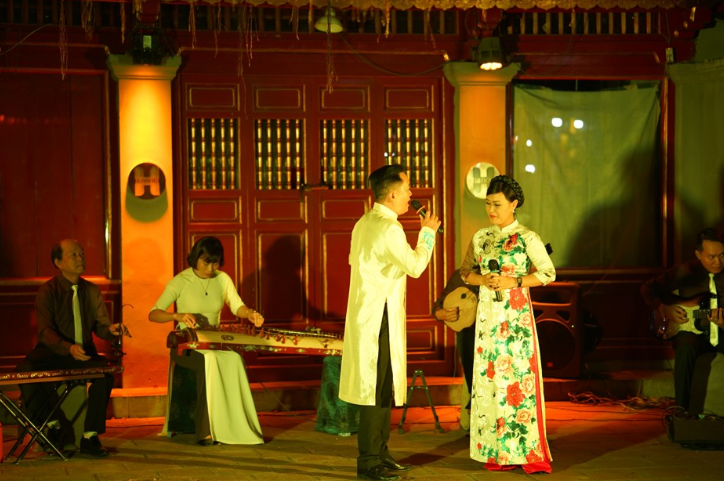
Watching a live Xam performance is more than just listening to music—it is an immersion into Vietnam’s cultural history, where music was a lifeline for the blind and a form of expression for the working class. Whether on the streets of Hanoi or in a cultural venue, Xam singing continues to captivate audiences with its heartfelt storytelling and vibrant melodies.
Bai Choi - Central Vietnam’s Folk Music Game
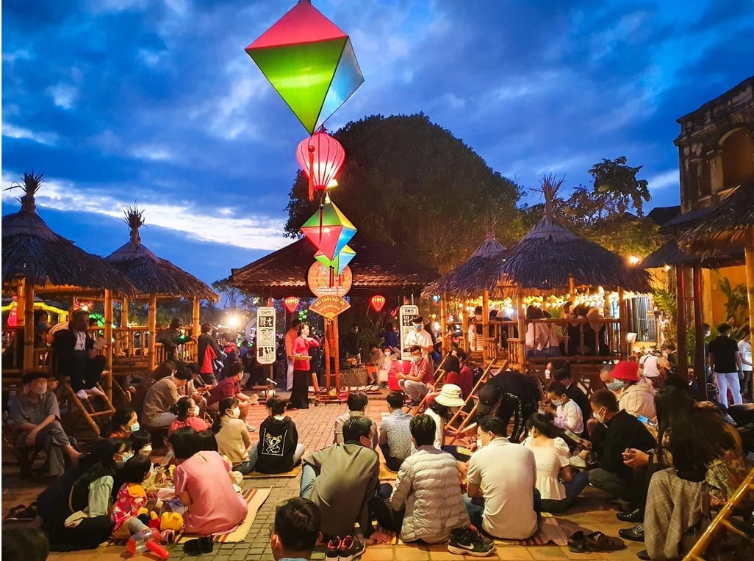
Bai Choi is a unique blend of folk music, poetry, and interactive performance, originating from Central Vietnam. More than just a traditional game, Bai Choi is a musical-theatrical experience that has been enjoyed by generations of Vietnamese people, especially during festivals and Tet (Lunar New Year). This vibrant art form has been recognized by UNESCO as an Intangible Cultural Heritage, making it a must-see for anyone interested in Vietnamese culture.
How Bai Choi Combines Music, Poetry & Performance
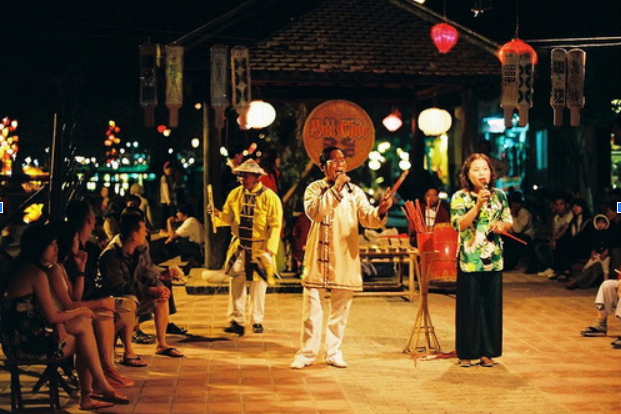
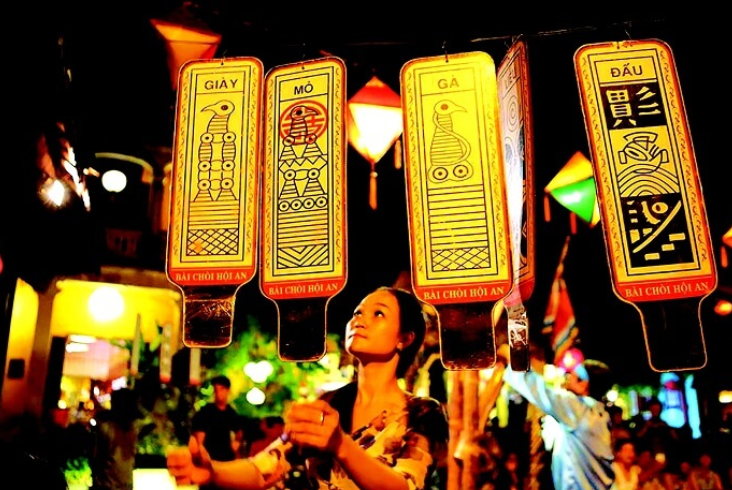
Bai Choi is a traditional folk game that blends elements of singing, poetry recitation, and theatrical performance. It is often played in open-air settings, where participants sit in bamboo huts ("choi"), arranged in a semicircle around a central stage. The game is led by a "Hieu" (game leader), who sings folk verses and calls out cards for the players, much like a bingo-style game.
The key elements of Bai Choi include:
- Folk songs and improvisational poetry: The verses, known as ho Bai Choi, are often humorous or satirical, reflecting daily life, social values, and historical themes.
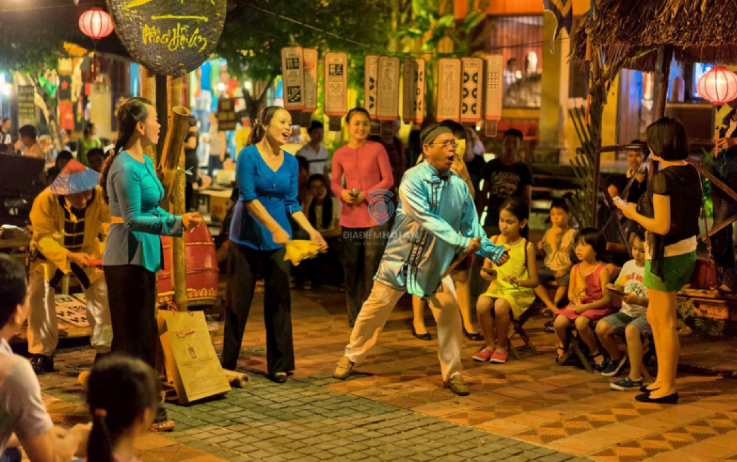
- Interactive performance: The "Hieu" engages with the audience, often improvising lyrics based on the players’ reactions, making each game unique.
- Traditional musical accompaniment: Bai Choi performances are enhanced by traditional instruments such as the dan nhi (two-stringed fiddle), trong com (cylindrical drum), and phach (bamboo percussion).
Bai Choi is both a form of entertainment and an artful storytelling medium, preserving the oral traditions of Central Vietnam.
Why Bai Choi is a UNESCO-Recognized Intangible Heritage
In 2017, UNESCO inscribed Bai Choi onto its list of Intangible Cultural Heritage of Humanity, recognizing its cultural and historical significance.
The reasons for its recognition include:
- A unique cultural practice of Central Vietnam: Bai Choi is deeply rooted in the traditions of the region, reflecting the identity and spirit of its people.
- A combination of multiple art forms: It is a rare example of a cultural practice that merges music, poetry, theater, and gaming into one experience.
- A strong social and community aspect: Bai Choi fosters interaction and connection between players and the audience, making it a powerful cultural bonding activity.
- A living tradition: Unlike many other folk arts that have faded over time, Bai Choi continues to thrive in festivals and tourism programs, keeping its heritage alive.
This recognition has helped revive and promote Bai Choi, ensuring that it remains an essential part of Vietnam’s cultural landscape.
Where to Experience Bai Choi in Hoi An & Central Vietnam
For those eager to witness Bai Choi in action, here are some of the best places to experience a live performance:
- Hoi An Ancient Town: Every evening near the Japanese Covered Bridge and along the Hoai River, Bai Choi performances take place, creating a lively cultural atmosphere for visitors.
- Da Nang & Hue Festivals: Bai Choi is a highlight of major cultural festivals in Central Vietnam, including the Hue Festival and Da Nang International Fireworks Festival.
- Traditional villages in Quang Nam & Binh Dinh: These provinces, known as the birthplace of Bai Choi, often host performances in local communities during Tet and other special occasions.
Experiencing Bai Choi is not just about watching a show—it’s about immersing yourself in Vietnam’s folk traditions, where music, poetry, and community spirit come together in a joyful celebration.
Quan Ho - The Romantic Folk Duets of Northern Vietnam
Quan Ho is one of Vietnam’s most beloved traditional folk music genres, famous for its romantic duets and poetic lyrics. Originating from the Bac Ninh and Bac Giang provinces, Quan Ho singing is an intangible cultural heritage recognized by UNESCO. This art form reflects the deep bonds of love, friendship, and community, making it a captivating cultural experience for visitors.
How Quan Ho Singing Reflects Love & Community Bonding
Quan Ho is deeply rooted in Vietnamese courtship traditions, as it was historically performed by young men and women as a way to express admiration and affection. The duets are sung alternately by male and female singers, creating a dialogue-like performance filled with poetic metaphors about love, nature, and life.
Some defining features of Quan Ho singing include:
- Call-and-response format: Male singers (lien anh) and female singers (lien chi) take turns performing complementary verses, showcasing their vocal skills and emotional depth.
- Improvised yet structured melodies: While the songs follow a traditional structure, singers often improvise their delivery, adding a unique charm to each performance.
- A sense of unity and friendship: Quan Ho is not just about romance; it also strengthens community bonds, as singers from different villages engage in friendly musical exchanges.
The themes of longing, loyalty, and poetic admiration make Quan Ho one of Vietnam’s most touching folk art forms.
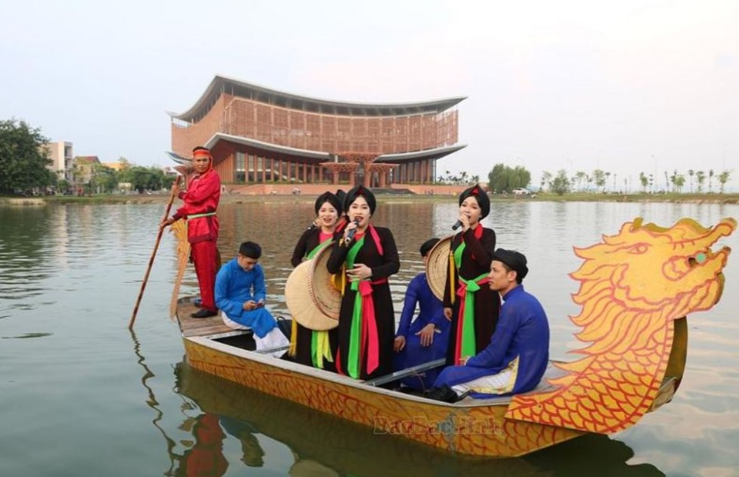
Traditional Costumes & Rituals in Quan Ho Performances
Quan Ho performances are visually striking due to the elegant traditional costumes worn by the singers. These costumes reflect the cultural heritage of the Red River Delta region.
- Women’s attire: Female Quan Ho singers wear "ao tu than" (four-panel dresses) in vibrant colors, accessorized with "khan mo qua" (large round hats) and silk scarves.
- Men’s attire: Male singers dress in "ao the" (formal tunics) and "khan xep" (folded turbans), creating a dignified yet charming look.
Apart from their fashion, Quan Ho singers follow a set of traditional rituals:
- "Ket ban" (making friendships): Groups of Quan Ho singers from different villages form lifelong friendships and maintain a unique tradition of not marrying within their singing group, preserving the purity of their artistic exchanges.
- Singing without instrumental accompaniment: Quan Ho is usually performed a cappella, relying solely on the singers’ voices to convey emotions and tell their stories.
- Nighttime courtyard performances: Traditionally, Quan Ho was sung in village courtyards or communal houses, creating an intimate and enchanting atmosphere.
These rituals and customs add to the authentic charm and cultural significance of Quan Ho.
.png)
Best Places to Witness Authentic Quan Ho Shows
To experience the beauty and emotion of Quan Ho singing, visitors can attend performances in the following locations:
- Bac Ninh Province - The birthplace of Quan Ho
- The Lim Festival (held annually in early spring) is the most famous event featuring Quan Ho performances, attracting singers from various villages.
- The Bac Ninh Folk Song Theatre offers regular performances for tourists and cultural enthusiasts.
- Hanoi - A modern setting for traditional folk music
- The Vietnam National Academy of Music and Vietnam Museum of Ethnology occasionally host Quan Ho performances.
- Cultural houses in Hanoi’s Old Quarter sometimes feature Quan Ho showcases as part of traditional music programs.
- Special events & cultural festivals
- Tet (Lunar New Year) celebrations in northern Vietnam often include live Quan Ho performances.
- Quan Ho can also be heard at major national and international cultural festivals promoting Vietnamese heritage.
For those passionate about Vietnamese music and culture, witnessing a live Quan Ho performance is an unforgettable experience that offers a glimpse into the soul of Northern Vietnam.
Contemporary Art Performances in Vietnam
Vietnam’s contemporary art scene is rapidly evolving, blending traditional elements with modern storytelling and performance techniques. Among the most captivating modern stage performances are AO Show, My Village (Làng Tôi), and The Mist, which combine dance, acrobatics, and music to offer a fresh perspective on Vietnamese culture. These productions are internationally acclaimed and have been performed in major cultural hubs worldwide.
AO Show - Vietnam’s Acrobatic Bamboo Circus
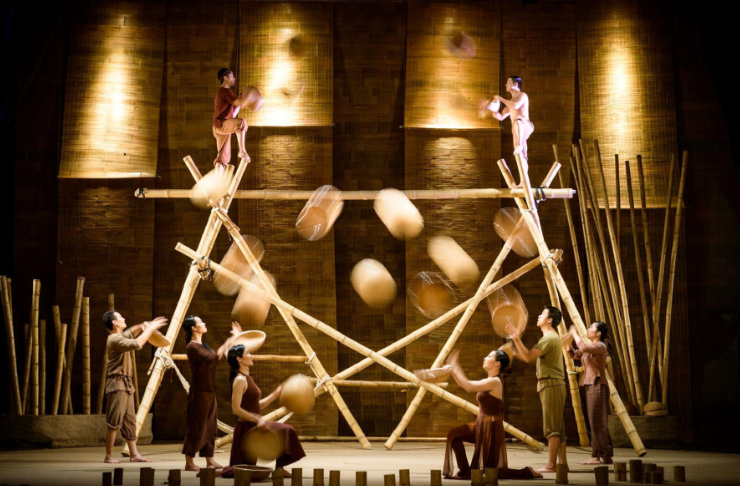
The AO Show is a mesmerizing acrobatic performance that highlights Vietnamese rural life through breathtaking stunts, contemporary dance, and live music. The name “AO” refers to "Làng Xóm" (village life) and "Phố Xá" (urbanization), depicting the transition of Vietnam from traditional to modern society.
Key highlights of the AO Show:
- Bamboo as the central element: Instead of high-tech props, the show uses bamboo poles and baskets, transforming them into bridges, boats, and even cityscapes.
- Acrobatics and contemporary dance: Performers execute stunning acrobatics, circus stunts, and ballet-inspired movements, creating an immersive visual experience.
- Live music & traditional sounds: The show features a fusion of folk instruments like the dan bau (monochord) and gourd percussion, blended with contemporary soundscapes.
Where to Watch the AO Show
- Saigon Opera House (Ho Chi Minh City) - The main venue for the AO Show, offering an intimate and historic setting for the performance.
- International tours - The show has toured France, the US, and other countries, bringing Vietnamese culture to global audiences.
My Village (Làng Tôi) - A Stunning Visual Story of Rural Vietnam
My Village (Làng Tôi) is a visually poetic performance that brings to life the beauty of Vietnamese rural culture through breathtaking aerial choreography and live folk music. This show blends contemporary circus arts with traditional village scenes, capturing the essence of Vietnamese countryside life.
Why My Village is a must-see:
- Bamboo artistry & aerial stunts: Similar to the AO Show, My Village uses bamboo props creatively, but it focuses more on aerial silk acts and breathtaking human formations.
- Authentic village scenes: The performance depicts everyday life in rural Vietnam, from farmers working in rice fields to children playing under the banyan tree.
- Live folk music & vocals: The show features traditional northern Vietnamese melodies performed live on stage, using instruments like the dan tranh (zither) and dan nguyet (moon lute).
(1).png)
Where to Watch My Village
- Hanoi Opera House - The best venue to experience the grandeur of this performance.
- Vietnam Tuong Theatre (Hanoi) - Occasionally hosts Làng Tôi as part of its cultural programming.
- International performances - Like the AO Show, My Village has toured globally, including in Europe and North America.
The Mist - A Modern Dance Performance on Vietnamese Rice Culture
The Mist is a contemporary dance production that tells the story of Vietnam’s rice culture through expressive choreography, dynamic lighting, and innovative staging. Unlike the AO Show and My Village, The Mist focuses more on contemporary dance techniques, while still celebrating Vietnam’s agricultural roots.
Key elements of The Mist
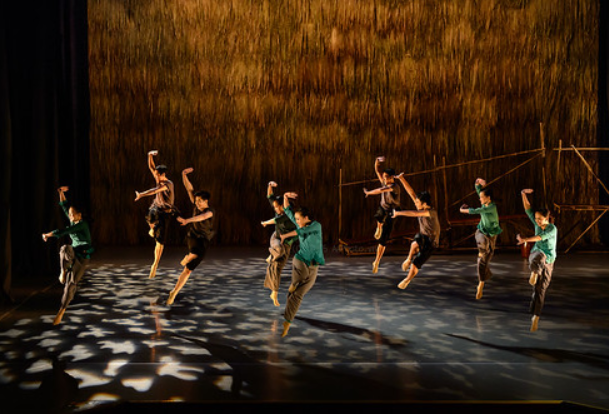
- Symbolic choreography: Dancers use graceful yet powerful movements to depict the cycles of rice farming - from sowing seeds to harvesting.
- Minimalist staging with earthy tones: The set design is simple yet evocative, using smoke effects, lighting, and woven straw mats to recreate the misty rice paddies.
- Traditional meets modern: The music blends Vietnamese folk tunes with modern electronic soundscapes, creating an emotional and immersive experience.
Where to Watch The Mist
- Saigon Opera House (Ho Chi Minh City) - The main venue for The Mist, where it is performed by the acclaimed Lune Production group.
- International tours - The Mist has been performed at major cultural festivals worldwide, representing Vietnam’s rich agricultural heritage on the global stage.
Where to Watch the Best Art Performances in Vietnam
Vietnam boasts a vibrant and diverse performing arts scene, with numerous venues offering both traditional and contemporary performances. Whether you're in the capital, Hanoi, or the bustling city of Ho Chi Minh City, there are plenty of places where you can enjoy the finest cultural experiences. Here’s a guide to the best venues for art performances across the country.
Top Theaters & Cultural Centers in Hanoi
Hanoi, the capital of Vietnam, is home to some of the country’s most iconic theaters and cultural spaces. Whether you're interested in traditional water puppetry, opera, or modern performances, these venues are perfect for an evening of cultural immersion:
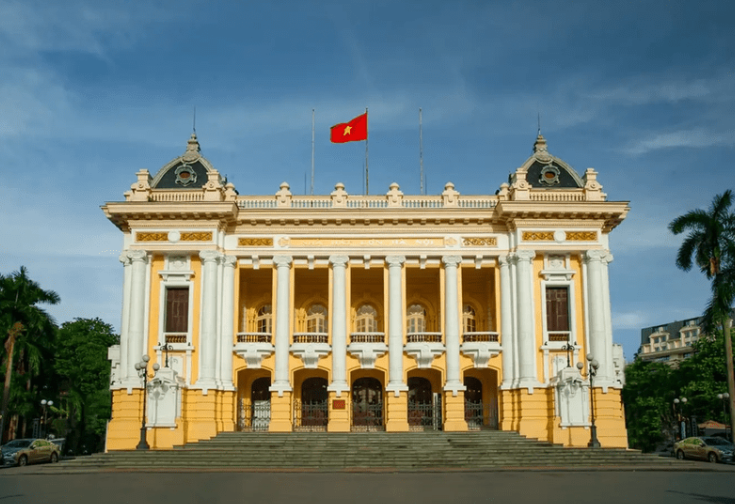
- Hanoi Opera House - One of Vietnam's most historic and beautiful venues, the Hanoi Opera House is an architectural masterpiece. It hosts a variety of performances, including classical music concerts, ballet, opera, and modern dance shows.
- Vietnam Tuong Theatre - Specializes in Tuong, the traditional Vietnamese classical opera. This venue provides a chance to experience the rich historical narratives and traditional costumes of this ancient art form.
- The Thang Long Water Puppet Theatre - For an authentic water puppet show, this venue is the best in Hanoi. You can enjoy the intricate storytelling, colorful puppetry, and live traditional music.
- Cultural Friendship Palace (Palace of Culture) - This venue hosts a variety of performances, ranging from traditional Vietnamese music to contemporary plays and dance.
Must-Visit Art Venues in Ho Chi Minh City
Ho Chi Minh City, the commercial hub of Vietnam, also offers an impressive selection of venues for modern and traditional art performances. The vibrant arts scene here blends both the old and the new, offering something for every culture lover.
- Saigon Opera House - A beautiful colonial-era venue, the Saigon Opera House is home to classical music, ballet, and acrobatic performances. The AO Show, a spectacular acrobatic bamboo circus, is a must-see performance at this venue.
- Theater of Ho Chi Minh City - This venue hosts a wide range of performances, from classical music concerts to modern plays, showcasing both local and international talent.
- HCMC Ballet, Symphony Orchestra, and Opera House - For a refined evening, this venue offers performances such as ballet, opera, and symphony concerts, often featuring international artists and orchestras.
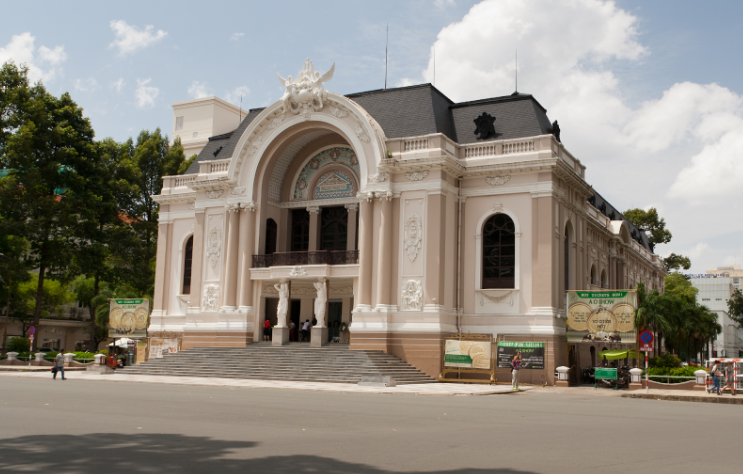
Best Places for Traditional Performances in Hue & Hoi An
Hue and Hoi An, with their rich cultural heritage, provide the perfect backdrop for experiencing Vietnam’s traditional performances. From royal court music to folk art, these cities offer a unique glimpse into Vietnam’s artistic soul.
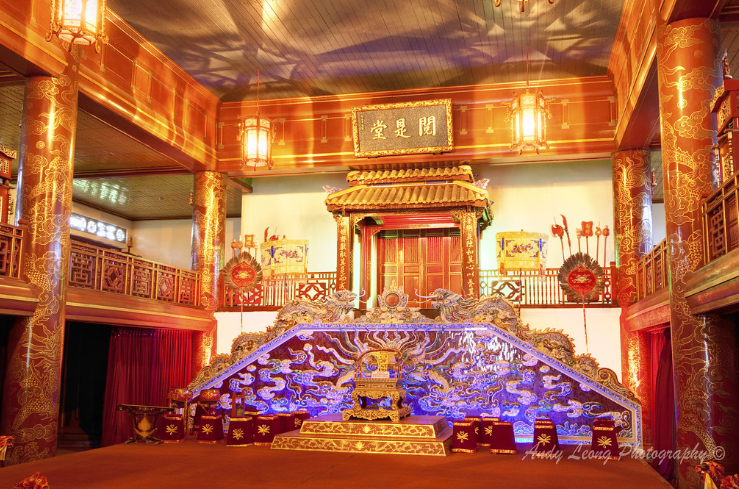
- The Royal Theatre in Hue - As the former imperial capital, Hue is a treasure trove of traditional Vietnamese culture. The Royal Theatre is the best place to experience classical performances, including royal court music (Nhã nhạc), which has been recognized by UNESCO as an Intangible Cultural Heritage.
- The Hoi An Ancient Town - Hoi An, known for its charming old streets, is also a great place to enjoy traditional Vietnamese folk music like Quan Ho and Cheo. The Hoi An Ancient House and Hoi An Performance Center often host folk art performances that showcase the region’s rich musical history.
- Duyet Thi Duong Theatre (Hue) - This is one of the most prominent venues for traditional art performances in Hue. Here, visitors can enjoy classical Vietnamese theatre, including Bai Choi and Tuong, which have deep roots in the region’s culture.
Tips for Enjoying Art Performances in Vietnam
Attending art performances in Vietnam is a fantastic way to experience the country’s rich cultural heritage. From traditional music and dance to modern theatrical productions, there's something for every traveler. To make the most of your experience, here are some tips for enjoying the best art performances in Vietnam.
How to Book Tickets for the Most Popular Shows
Booking tickets for art performances in Vietnam is straightforward, but planning ahead is key, especially for the most popular shows. Here are some tips on securing your tickets:
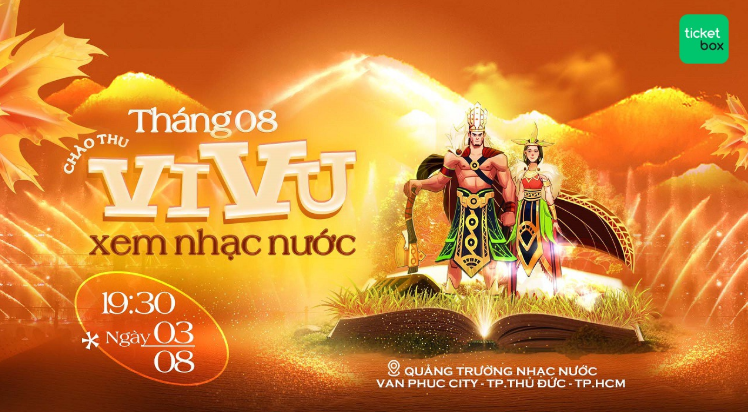
- Online Booking: Many theaters and performance venues in Vietnam offer online booking services through their official websites or third-party platforms like Vietnam Ticket or Ticket Box. It’s a convenient way to ensure you get tickets for your preferred show and time.
- Hotel Concierge: If you're staying at a hotel, ask the concierge to help you secure tickets. Hotels in tourist areas often have partnerships with local theaters and can assist with booking tickets in advance.
- At the Venue: You can also purchase tickets directly at the venue. However, it's advisable to do so at least a day before the performance, as shows can sell out quickly, especially during peak tourist seasons.
Cultural Etiquette & Audience Participation
Understanding cultural etiquette is important when attending art performances in Vietnam. Here’s what you should know to ensure you’re respectful and make the most of your experience:
- Dress Modestly: Vietnam’s traditional performances, especially those held at temples or pagodas, often require modest attire. For opera or theater shows, casual or smart casual wear is appropriate.
- Arrive Early: Arriving at least 15 minutes before the performance starts is important. It gives you time to settle in and avoid disturbing others once the show begins.
- Avoid Talking or Using Phones: Silence your phone and refrain from talking during the performance. In traditional performances like water puppetry or Tuong, silence is particularly important as it allows the audience to fully experience the music and storytelling.
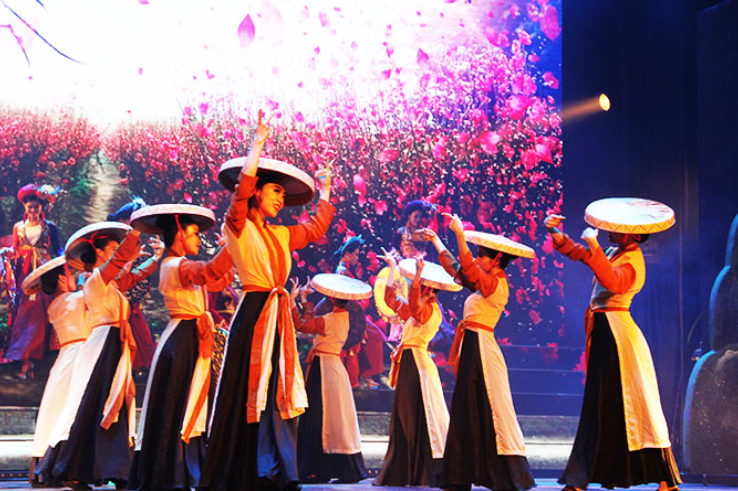
- Respect Local Customs: During some performances, like Ca Tru or Quan Ho, audience participation is a part of the tradition. Don’t hesitate to participate if invited, but always be mindful of local customs.
Combining Art Performances with Your Vietnam Travel Itinerary
Vietnam’s art performances are a great addition to your travel itinerary, and you can easily combine them with other attractions in the cities you’re visiting. Here’s how:
- Hanoi: Start with a water puppet show at the Thang Long Water Puppet Theatre and then visit historical landmarks like the Hoan Kiem Lake and Old Quarter. Don’t miss the Hanoi Opera House for a chance to catch a ballet or classical concert.
- Ho Chi Minh City: After enjoying a performance at the Saigon Opera House, explore the War Remnants Museum and Notre-Dame Cathedral. The city’s lively streets are also home to street food and markets, making it easy to combine culture with local flavors.
- Hue: Visit the Royal Theatre to experience traditional performances of royal court music, and then take a stroll around the Imperial City and Thien Mu Pagoda. Combine art with history for a deeper understanding of Vietnam’s heritage.
- Hoi An: Hoi An’s ancient town offers a beautiful backdrop for a Cheo or Quan Ho performance. Afterward, explore the town’s historic architecture and enjoy a peaceful evening by the river.
By blending these performances with your travel plans, you can create a rich and immersive cultural experience that goes beyond sightseeing.
Conclusion - Why You Should Experience Vietnam’s Art Scene
Vietnam’s art scene is an extraordinary testament to the country’s rich cultural tapestry, combining the old and new in captivating ways. Whether you’re watching a water puppet show, listening to the soulful sounds of Cheo, or witnessing the stunning visuals of My Village, these performances allow travelers to engage with Vietnam’s deeply-rooted traditions while experiencing modern interpretations. Immersing yourself in the local art scene offers more than just entertainment—it provides a meaningful connection to Vietnam’s cultural identity and heritage.
The Role of Art in Preserving Vietnam’s Cultural Heritage
Art has always been an integral part of Vietnam’s history, serving as both a reflection of the past and a tool for preserving cultural traditions. Many art forms, such as Tuong (classical Vietnamese opera) and Ca Tru, have been passed down through generations, evolving to fit modern sensibilities while still preserving the essence of the original performances. By supporting these performances, you’re not just enjoying a show—you’re helping to keep these ancient traditions alive, ensuring they continue to inspire future generations. Vietnam’s art is a living, breathing representation of the country's spiritual and cultural journey.
How These Performances Connect Travelers with Local Traditions
Experiencing Vietnam’s art performances allows travelers to connect with the country’s cultural heartbeat. These performances offer a deeper understanding of Vietnam’s history, customs, and daily life, enriching your travel experience beyond the typical tourist attractions. From the profound messages conveyed through Xam singing to the vibrant communal spirit of Bai Choi, each performance provides insight into the lives of local communities and their values. It’s an authentic and immersive way to learn about the diverse cultural traditions of the Vietnamese people.
Final Tips to Make the Most of Your Cultural Experience in Vietnam
To fully appreciate Vietnam’s rich cultural scene, here are a few tips for making the most of your art-filled journey:
- Do Your Research: Learn a bit about the history and significance of the performances you’re attending. Knowing the background can deepen your understanding and enhance the experience.
- Plan Ahead: Many performances, especially those at well-known venues, can sell out. Be sure to check performance schedules in advance and book tickets early.
- Respect Local Customs: Each art form comes with its own set of traditions and etiquette. Always be respectful during performances, such as refraining from talking or taking photos when prohibited.
- Be Open to New Experiences: Vietnamese art can be quite different from Western styles, but it’s all the more rewarding when you approach it with an open mind. Allow yourself to be immersed in the sounds, sights, and stories.
.png)
By following these tips, you’ll not only enjoy the performances but also gain a deeper understanding of Vietnam’s artistic and cultural heritage. Whether you’re exploring the country’s famous art forms or discovering lesser-known treasures, Vietnam’s art scene offers a journey like no other.
Turn This Into Your Real Trip
Let our local experts design the perfect itinerary for you. It’s free, personalized, and take less than 24 hours !
 No obligation100% personalizedBest Price Guarantee2M$ Liability Insurance
Follow Us