






Planning a vietnam trip? Let us help.
Get personalized travel plan based on your interest, budget and preferred travel dates
Discover the best of Northern Vietnam in just one week! Explore Hanoi’s rich history, Ninh Binh’s serene landscapes, Sapa’s vibrant culture, and Ha Long Bay’s stunning cruises.
TABLE OF CONTENTS
1
Why the North Deserves Your Week
2
What are the must-see attractions in Northern Vietnam?
3
Day 1: Landing in Hanoi, the Capital That Doesn't Sleep
First Stops Worth Making
Your First Evening
4
Day 2: A Full Day in the Heart of Hanoi
The Big Historical Sights
5
What is the historical significance of Northern Vietnam during the war?
The Corners Most People Miss
6
Day 3: Ninh Binh, the Ha Long Bay You Can Reach by Road
What to See
How to Spend Your Energy
7
Days 4–5: Sapa, Where the Air Changes
Day 4: Getting Up There
Day 5: Trekking Into the Valleys
8
Day 6: Ha Long Bay, the One You've Been Waiting For
On the Water
The Night on Board
9
Day 7: Back to Hanoi, Then Home
Last-Minute Shopping
Winding Down
10
Practical Travel Tips for Your Vietnam Vacations Packages
What to Pack for Each Stop
Best Time to Visit Northern Vietnam
Getting Around
11
Eating Your Way Through the North
Hanoi
Ninh Binh
Sapa
12
Traveling Responsibly Up North
13
How to Build This Into a Bigger Trip
14
How does traveling in Northern Vietnam differ from the South?
15
FAQs About a One-Week Trip to Northern Vietnam
Is a 7-day northern Vietnam itinerary suitable for families?
How can I make this 1 week north Vietnam itinerary more relaxed?
What does a north Vietnam 7 day itinerary cost?
Do I need a visa for this trip?
What's the best month for a northern Vietnam itinerary?
Is Hanoi worth spending two full days in?
How much moving around does this itinerary involve?
Can I combine northern Vietnam with other countries?
16
Start Planning Your Own Northern Loop
I remember standing on a street corner in Hanoi on my first morning, coffee in hand, watching a woman balance two baskets of dragonfruit on a bamboo pole while scooters flowed around her like water around a rock. Nobody honked at her. She wasn't in a hurry. And right there, jet-lagged and slightly overwhelmed, I understood that the north of this country runs on its own rhythm, and the best thing I could do was fall into step with it.
I've traveled a fair bit of Southeast Asia, but Northern Vietnam kept pulling me back. There's just so much packed into a small area. You can wake up in a chaotic capital, spend the afternoon rowing past limestone cliffs, and go to sleep two days later in a mountain village where the fog rolls in over rice terraces. If you've only got seven days, this corner of the country delivers more than seems fair. A well-planned vietnam country tour through the north gives you cities, mountains, water, and food that'll ruin regular noodle soup for you forever.
This is the exact route I'd hand to a friend who asked me how to see the best of the region without rushing themselves into a coma. Consider it a real, tested north vietnam itinerary 7 days — with the honest bits included, not just the postcard shots.
Why the North Deserves Your Week
People sometimes ask why I skip the beaches down south when I only have limited time. Fair question. The answer is that the north gives you range. In one loop you get the buzz of Hanoi, the quiet waterways of Ninh Binh, the highland culture of Sapa, and the surreal seascape of Ha Long Bay. Four completely different moods, all within a few hours of each other.
.jpg) I'm the kind of traveler who gets bored doing the same thing three days running, so this variety suits me perfectly. One day I was elbow-deep in street food and the next I was trekking past water buffalo with mud up to my ankles. Never a dull stretch.
I'm the kind of traveler who gets bored doing the same thing three days running, so this variety suits me perfectly. One day I was elbow-deep in street food and the next I was trekking past water buffalo with mud up to my ankles. Never a dull stretch.
Here's what makes each place worth your time:
- Ha Long Bay — thousands of limestone karsts rising out of jade-colored water, protected as a UNESCO World Heritage Site. You cruise, you kayak, you crawl through caves. It's the photo everyone recognizes, and somehow it's better in person.
- Hanoi — the capital, and honestly one of the most alive cities I've spent time in. Old temples sit next to crumbling French colonial buildings, and the markets never seem to stop moving.
- Sapa — rice terraces carved into the flanks of the Hoang Lien Son Mountains, plus villages where ethnic minority communities still live much as they have for generations.
- Ninh Binh — people call it the inland Ha Long Bay, and the nickname fits. Limestone towers, but here they rise out of rivers and rice fields instead of the sea.
If you like nature, you're covered — hiking in the highlands, paddling around karst islands, cycling through green valleys. History fans get the Ho Chi Minh Mausoleum and the Temple of Literature. And if you travel mostly to eat, well, you've picked the right region. This is a genuinely good choice for anyone shopping around for vietnam small group tours or trying to build a trip that doesn't feel like a checklist.
What are the must-see attractions in Northern Vietnam?
Northern Vietnam is characterized by dramatic limestone landscapes, historic cities, and vibrant ethnic culture. Some of the major highlights include Hanoi's Old Quarter and historic sites, Ha Long Bay, Ninh Binh's Trang An landscape, and the mountain scenery and villages around Sapa. Together, these destinations give travelers a good mix of culture, nature, history, and outdoor experiences.
.jpg) Overview of the 7-Day Northern Vietnam Itinerary
Overview of the 7-Day Northern Vietnam Itinerary
Before I get into the day-by-day, here's the shape of the whole thing. A solid vietnam itinerary 7 days in the north tends to follow this arc, and it's how I structured mine:
- Day 1: Land in Hanoi, ease into the city
- Day 2: Full Hanoi city day — the big sights plus the odd corners
- Day 3: Head to Ninh Binh for rivers and limestone
- Day 4–5: Up to Sapa for trekking and village life
- Day 6: Ha Long Bay cruise, overnight on the water
- Day 7: Back to Hanoi, last-minute shopping, fly out
One thing worth saying upfront: this is a moving itinerary. You're not parking yourself in one hotel for a week. You'll take a couple of buses, maybe an overnight train, and a boat. I actually like that pace, but if the idea of packing and unpacking every day or two stresses you out, I'll suggest some tweaks later on. Plenty of good vietnam tour package options exist that shuffle the order or trim a stop to keep things gentler.
The four cornerstones — Hanoi, Ninh Binh, Sapa, and Ha Long Bay — each earn their spot. None of them feels like filler.
Day 1: Landing in Hanoi, the Capital That Doesn't Sleep
Noi Bai Airport sits about 45 minutes outside the city center, and the ride in is your first taste of the traffic ballet you'll be watching all week. Grab a taxi or use the Grab app; it's cheaper and you avoid the awkward fare negotiation.
.jpg) Once you've dumped your bags, don't nap. I know the temptation is real. Fight it. Walk instead.
Once you've dumped your bags, don't nap. I know the temptation is real. Fight it. Walk instead.
First Stops Worth Making
Head straight for Hoan Kiem Lake. It's the green, calm heart of the city, and locals treat it like a communal living room — old men playing chess, couples taking wedding photos, someone always doing tai chi. Cross the little red bridge to Ngoc Son Temple, sitting on its tiny island. It's dedicated to national heroes and a few legends, and it's a nice quiet moment before you throw yourself into the mayhem of the streets.
And the mayhem, in the best way, is the Old Quarter. This is a tangle of narrow lanes where each street historically sold one thing — one for tin goods, one for silk, one for herbal medicine. Some of that specialization still holds. Getting a little lost here is the point. I wandered for two hours with no plan and stumbled into a shop selling nothing but hand-painted paper lanterns.
Crossing streets in the Old Quarter deserves a warning. There are motorbikes everywhere and they will not stop for you. The trick, which felt insane the first time, is to walk slowly and steadily and let them flow around you. Don't sprint, don't freeze. Just move like you mean it.
Your First Evening
Catch a water puppet show if you can. It's a genuinely old art form — puppeteers stand waist-deep in water behind a screen, and the wooden figures dance across the surface to live traditional music. Sounds odd, works beautifully. The stories come from folk tales and village life, and even without understanding the language, you follow along fine.
.jpg) Then eat. Please, eat. Your first bowl of pho in Hanoi is a rite of passage — that clear, aromatic beef broth with soft rice noodles, herbs, and a squeeze of lime. Track down bun cha too, which is grilled pork patties swimming in a light dipping broth with noodles on the side. And finish with egg coffee, a Hanoi invention that tastes like liquid tiramisu. Whipped egg yolk and sugar over strong coffee. I was skeptical. I ordered a second one.
Then eat. Please, eat. Your first bowl of pho in Hanoi is a rite of passage — that clear, aromatic beef broth with soft rice noodles, herbs, and a squeeze of lime. Track down bun cha too, which is grilled pork patties swimming in a light dipping broth with noodles on the side. And finish with egg coffee, a Hanoi invention that tastes like liquid tiramisu. Whipped egg yolk and sugar over strong coffee. I was skeptical. I ordered a second one.
Day 2: A Full Day in the Heart of Hanoi
You've got a whole day for things to do in Hanoi, so spread out beyond the Old Quarter.
The Big Historical Sights
Start early at the Ho Chi Minh Mausoleum. This is where Vietnam's revolutionary leader lies, and the whole complex is treated with real solemnity. Dress modestly, keep quiet, and expect a queue. The adjoining museum walks you through his life and the country's path to independence. It's worth the couple of hours even if you're not a history person — it gives the rest of the trip context.
.jpg) From there, make your way to the Temple of Literature. This was Vietnam's first university, founded almost a thousand years ago to honor Confucius and the scholars who passed the grueling imperial exams. The courtyards are peaceful, the architecture is gorgeous, and there's a lovely stillness to the place that's rare in this city. Local students still come here to pray for good grades before exams.
From there, make your way to the Temple of Literature. This was Vietnam's first university, founded almost a thousand years ago to honor Confucius and the scholars who passed the grueling imperial exams. The courtyards are peaceful, the architecture is gorgeous, and there's a lovely stillness to the place that's rare in this city. Local students still come here to pray for good grades before exams.
What is the historical significance of Northern Vietnam during the war?
Northern Vietnam played a central historical and political role during the Vietnam War. Hanoi served as the political center of North Vietnam, while the region became an important base for the country's communist leadership and military strategy. For visitors, sites such as the Ho Chi Minh Mausoleum and museums in Hanoi provide an opportunity to understand more about the country's revolutionary history and the events that shaped modern Vietnam.
The Corners Most People Miss
Here's where the day gets fun. Train Street is exactly what it sounds like — a working railway line running through a residential neighborhood so tight you could touch the buildings on either side. Cafes line the tracks, and when the train is due, staff wave everyone back against the walls. The train roars past inches away, and then everyone just... goes back to their coffee. It's absurd and thrilling. Check the timetable before you go, because the whole point is being there when a train comes through. (Authorities occasionally clamp down on access, so ask around locally about current rules.)
Spend the rest of the afternoon in Hanoi's craft and cafe scene. There are shops selling silk, lacquerware, and ceramics made the old-fashioned way, and the city has a serious cafe culture layered on top of the French colonial influence. I lost a happy hour in a fourth-floor cafe with a view over the rooftops, nursing another egg coffee and journaling. If you're weighing up different vietnam travel package styles, know that most good ones give you at least a full day here — Hanoi rewards slow exploration.
Day 3: Ninh Binh, the Ha Long Bay You Can Reach by Road
Ninh Binh sits roughly two hours south of Hanoi, easily done by bus or train. I'd honestly rank this day as a personal favorite of the whole week, and it tends to get overlooked in people's plans.
.jpg) What to See
What to See
The headline attraction is the Trang An Scenic Landscape Complex, another UNESCO World Heritage Site. You board a small rowboat and glide along calm rivers between limestone cliffs that shoot straight up out of the water. The boat threads through low caves — some so low you have to duck — before opening back out into the sunlight. It's peaceful in a way that's hard to describe. I remember the only sounds being the dip of the oars and a few birds. Bring cash to tip your rower; these folks work hard.
The other stop is Bai Dinh Pagoda, the largest Buddhist complex in the country. It's enormous — giant bronze Buddha statues, a corridor lined with hundreds of carved stone arhat figures, and a bell tower with views stretching over the countryside. It can feel a bit grand and new compared to Trang An's natural quiet, but the scale alone is worth seeing.
How to Spend Your Energy
If you'd rather be active, two great options:
- Rowboat tours through the limestone caves, guided by local boatmen and women who row with their feet as often as their hands. Genuinely impressive to watch.
- Cycling through the countryside, past emerald rice paddies, sleepy villages, and old temples half-hidden in the hills. Renting a bike is cheap, and it's the best way to see the parts of Ninh Binh the tour buses skip.
A quick, honest tip: the goat meat here is famous for a reason. The goats graze the limestone mountains and the meat comes out tender and distinctive. Try it grilled, with a plate of crispy burned rice on the side. More on food later — just don't leave Ninh Binh without eating like a local.
Days 4–5: Sapa, Where the Air Changes
This is the leg that makes a northern vietnam itinerary 7 days feel complete. Sapa sits high in the mountains near the Chinese border, and getting there is part of the experience.
.jpg) Day 4: Getting Up There
Day 4: Getting Up There
You've got a couple of choices from Hanoi — an overnight train or a sleeper bus. I took the overnight route and woke up in a totally different world. The heat and noise of the lowlands gave way to cool, thin mountain air and low cloud draped over the valleys. Bring a jacket even in summer; the temperature drop surprised me.
Once you've settled in, walk down to Cat Cat Village. It's home to the Black Hmong people, and the path winds down through the settlement past wooden houses, terraced gardens, and workshops where women weave and dye cloth using indigo. There's a waterfall at the bottom — Cat Cat Waterfall — that's worth the climb back up. Yes, it's touristy now, but the walk itself is beautiful and it's a gentle introduction to the region.
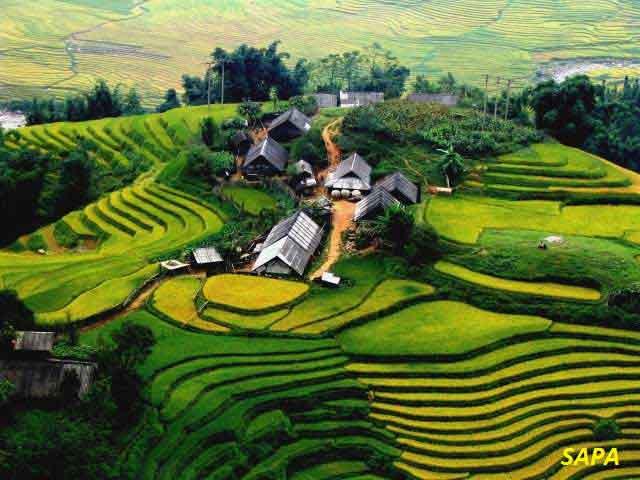
Late afternoon, just look. The rice terraces here stack up the mountainsides in curving green steps, carved by hand over generations. Depending on the season they're brilliant green, golden, or mirror-flat with water. I've rarely seen a landscape shaped so thoroughly by human hands and still look this natural.
Day 5: Trekking Into the Valleys
This was the highlight of my whole week. A proper trek down through the valley to Ta Van and Lao Chai villages, home to the Giay and Red Dao communities. It's not a hard hike — a few muddy, slippery stretches, but nothing extreme — and the payoff is constant. You walk right through the terraces, past buffalo, over streams, with the mountains all around.
.jpg) Hire a local guide. I can't stress this enough. Mine was a Hmong woman who grew up in one of these villages, and the trek turned into a running conversation about her family, farming, marriage customs, and how tourism has changed things. You get so much more than scenery that way. Plus, hiring locally puts money directly into the community.
Hire a local guide. I can't stress this enough. Mine was a Hmong woman who grew up in one of these villages, and the trek turned into a running conversation about her family, farming, marriage customs, and how tourism has changed things. You get so much more than scenery that way. Plus, hiring locally puts money directly into the community.
In the villages you can sit with families, watch traditional crafts like weaving and batik, and buy handicrafts straight from the people who made them. If you have the option to do a homestay overnight, take it — sharing dinner with a local family is the kind of thing you remember years later. This part of the trip is what people are really after when they book vietnam travel tour packages built around culture rather than sightseeing.
Practical note: proper shoes matter here. I saw someone attempt the trek in flip-flops and it did not go well.
Day 6: Ha Long Bay, the One You've Been Waiting For
Back down from the mountains, and then onward to the coast. It's around three and a half hours from Hanoi to the bay, and most cruises fold the transfer into the package, which keeps things simple.
Ha Long Bay lives up to the hype. I say that as someone who is usually suspicious of hype. Thousands of limestone islands scattered across water the color of green glass, morning mist curling around the peaks — it's a landscape that doesn't feel entirely real.
.jpg) On the Water
On the Water
Once you board your boat, the day fills itself:
- Kayaking around the karst islands, ducking into hidden lagoons and coves you can't reach any other way. Paddling right up against a cliff that vanishes straight into the water is something else.
- Sung Sot Cave, also called Surprise Cave — a genuinely huge cavern packed with dramatic stalactites and stalagmites, lit up so you can see the scale of it.
- Titop Island, where a steep set of stairs leads to a lookout with a sweeping view over the whole bay. The climb is short and steep and 100% worth the burning legs.
The Night on Board
As evening came, I found a spot on the top deck and watched the sun sink behind the karsts, throwing pinks and oranges across the water. Dinner was a spread of fresh seafood. Later, with the engine off and the boat anchored among the islands, it went completely quiet. Stars overhead, black water below, the dark shapes of the peaks all around. That stillness, after a week of trains and traffic and treks, felt like a reward.
Choose your cruise operator with some care. There's a big range in quality, and the better ones limit passenger numbers and take their environmental responsibilities seriously. Reading a few recent reviews before booking is time well spent. A good vietnam trip package will pair you with a reputable boat rather than the cheapest one on the dock.
Day 7: Back to Hanoi, Then Home
You'll cruise through a bit of the morning — often a lighter activity like a cave visit or a cooking demo on deck — then transfer back to Hanoi. Depending on your flight, you might have a few free hours, so use them.
Last-Minute Shopping
If you want souvenirs, Dong Xuan Market is the big, chaotic option — a multi-story indoor market selling basically everything. For something nicer, head to Hang Gai Street, known as Silk Street, where you'll find quality silk scarves, tailored clothing, and textiles. I picked up a couple of silk scarves there that have held up better than anything from home.
.jpg) Winding Down
Winding Down
Then just breathe. Find a cafe, order one last egg coffee, and let the week settle. Eat a final proper Vietnamese meal — I went for one more bowl of pho, because why not. Then it's off to the airport. Seven days doesn't sound like much on paper, but a good vietnam itinerary 1 week in the north leaves you feeling like you've genuinely been somewhere.
Practical Travel Tips for Your Vietnam Vacations Packages
A few things I wish I'd known before I went, plus what actually worked. Whether you're piecing this together yourself or comparing vietnam vacations packages from an operator, these apply either way.
.jpg)
What to Pack for Each Stop
Because you're hitting four very different environments, packing is a bit of a puzzle. Layers are your friend.
- Hanoi: Light, breathable clothes and shoes you can walk miles in. Bring a light jacket for evenings, especially between November and February.
- Ninh Binh: Casual or athletic wear for cycling and boat rides. Sun hat, sunscreen, sunglasses. A small daypack helps.
- Sapa: Real hiking shoes, warm layers, and a rain jacket — the weather changes fast, and it gets properly cold from October through March. A reusable water bottle and trekking poles are handy.
- Ha Long Bay: Swimwear, flip-flops, light clothes, and your best camera. A light sweater for breezy nights on deck.
Best Time to Visit Northern Vietnam
The north has four distinct seasons, and they genuinely change your experience:
- Spring (March–May): Crisp air, flowers blooming, comfortable temperatures. One of the best windows for trekking in Sapa and wandering Hanoi and Ninh Binh.
- Autumn (September–November): Arguably the sweet spot. Clear skies, cooler air, and the Sapa rice terraces turn gold at harvest.
- Summer (June–August): Hot and humid, with occasional downpours. Great for Ha Long Bay cruises and lush green countryside, but pack for rain.
- Winter (December–February): Cool, sometimes cold enough for a rare dusting of snow in Sapa. Hanoi takes on a festive feel. Good if you like crisp weather.
I went in autumn and would do it again in a heartbeat. The golden terraces alone were worth it.
Getting Around
Moving between destinations is straightforward once you know the options:
.jpg)
- Within Hanoi: Walk, grab a taxi, or use ride-hailing apps. Watch that traffic.
- To Ninh Binh: A comfortable two-hour bus or train from Hanoi. Rent a motorbike or hire a guide once you're there.
- To Sapa: Overnight train or sleeper bus saves you a day. Use a local guide for trekking.
- To Ha Long Bay: Shuttle or private transfer, around three and a half hours. Cruises usually bundle the round-trip transport.
General advice: travel light because you'll be shifting between trains, buses, and boats. Keep small bills on hand for tips and market buys. And download the Grab app before you arrive — it saved me endless haggling.
Eating Your Way Through the North
I could write a whole separate piece on the food. The north's cuisine leans fresh, herbal, and a little more subtle than the sweeter southern style. Here's what to hunt down at each stop.
Hanoi
- Bun cha — grilled pork with noodles and herbs in a light broth. Best at lunch, ideally at a hole-in-the-wall with plastic stools.
- Pho — the fragrant noodle soup that started it all. Beef or chicken, herbs and lime on the side. Breakfast of champions.
- Egg coffee — creamy, sweet, dessert-in-a-cup. Cafe Giang is the classic spot to try the original.
Ninh Binh
- Goat meat (thit de) — grilled, stir-fried, or steamed with herbs. The local specialty and genuinely delicious.
- Burned rice (com chay) — crispy rice served with a savory dipping sauce, usually made from goat or pork.
- Freshwater fish and snails — cooked with ginger, lemongrass, and herbs. Fresh and bright.
Sapa
- Mountain vegetables — chayote, mustard greens, whatever's growing in the cool climate, stir-fried with garlic or simply steamed.
- Grilled meats (thit nuong) — skewers of pork, chicken, or buffalo over charcoal, perfect after a day of hiking.
- Thang co — a traditional Hmong stew, for the adventurous. It's made with horse meat and herbs, and it's not for everyone, but it's a real taste of mountain life.
My rule everywhere in Vietnam: the busier the plastic-stool joint and the more locals eating there, the better the food. The roadside stalls served me some of my best meals, hands down.
.jpg)
Traveling Responsibly Up North
The north's beauty is fragile, and the communities here don't have a huge safety net. A few small choices make a real difference.
In Sapa, stay in family-run homestays over big hotels, buy crafts directly from the ethnic minority artisans, and hire local guides for your treks. Ask before you photograph anyone — a smile and a bit of respect go a long way, and learning even a couple of phrases in the local language earns real warmth in return.
On the water in Ha Long Bay, pick cruise operators with actual environmental policies, use kayaks over motorized boats when you can, and don't touch coral or marine life. Some boats run beach cleanups; join in if yours does.
Everywhere in the rural north, cut your plastic. Carry a refillable water bottle with a filter, bring a cloth bag for markets, and pack out whatever you carry in when you're trekking. Small stuff, but it adds up across the thousands of us who pass through.
How to Build This Into a Bigger Trip
Seven days in the north is a complete trip on its own, but plenty of travelers fold it into something longer, and the connections are easy.
If you want to see the whole country, tack this north loop onto a route heading south through Hoi An, Hue, and Ho Chi Minh City, finishing in the Mekong Delta. That kind of full-length run works beautifully as a vietnam package travel experience because internal flights are cheap and quick.
Crossing borders is popular too. Vietnam sits right next to Cambodia and Thailand, so lots of people combine countries into one big Southeast Asia trip. Vietnam and cambodia tours usually add Siem Reap and the temples of Angkor, which pairs the natural scenery of the north with one of the great archaeological sites on earth. If you've got even more time, broader tours of vietnam and cambodia can loop in the Mekong on both sides of the border. And for the truly ambitious, vietnam cambodia and thailand tours stitch all three together — beaches, temples, cities, and mountains in one long, memorable haul.
.jpg)
For solo travelers or couples who don't want to organize every transfer and booking themselves, vietnam small group tours take the logistics off your plate while still leaving room for real experiences. There's a good range of vietnam tourism packages out there covering everything from budget backpacking to seriously plush cruises, so it's worth matching the style to how you actually like to travel. If you'd rather not deal with any of the planning, plenty of operators will design a custom vietnam trip package around your dates and interests.
How does traveling in Northern Vietnam differ from the South?
Traveling in Northern Vietnam differs significantly from the South. The North generally offers a more traditional, mountainous, and culturally diverse experience, with destinations such as Hanoi, Ninh Binh, Sapa, and Ha Long Bay. Southern Vietnam has a warmer tropical atmosphere and is known for energetic cities, river landscapes, and destinations such as Ho Chi Minh City and the Mekong Delta. Travelers who have enough time can combine both regions for a broader Vietnam experience.
.jpg)
FAQs About a One-Week Trip to Northern Vietnam
Is a 7-day northern Vietnam itinerary suitable for families?
Yes, with some adjusting for kids' ages. Shorter, gentler treks around Sapa work better than full-day hikes for younger children, and a village homestay can be a real adventure for them. The Ha Long Bay cruise and most of Hanoi are family-friendly as they are. Just build in more downtime than you would as a couple — kids fade fast after long transfers.
How can I make this 1 week north Vietnam itinerary more relaxed?
Easiest fix is to slow down. Spend an extra night in a couple of places instead of moving every day, add a spa afternoon, or cut one destination entirely. If you want a gentler vietnam 1 week itinerary, drop Sapa (it's the most travel-heavy leg) and focus on Hanoi, Ninh Binh, and Ha Long Bay. You'll cover less ground but feel far less rushed.
What does a north Vietnam 7 day itinerary cost?
It depends a lot on your style. Budget travelers can get by on roughly $50–$75 a day, mid-range runs about $75–$150 a day, and luxury starts around $200+ a day — all excluding international flights. Remember to factor in your visa, travel insurance, and the activities you want to add. A bundled vietnam vacations packages deal can sometimes work out cheaper than booking each piece separately.
Do I need a visa for this trip?
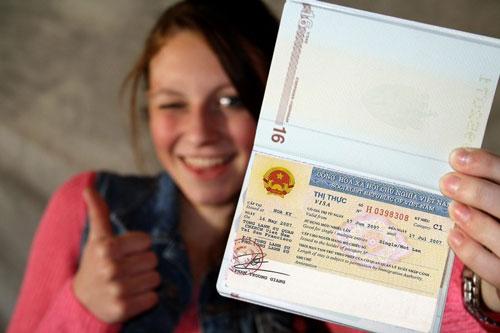
Most nationalities need a visa or e-visa to enter Vietnam, and rules change fairly often, so check the current requirements for your passport well before you fly. The e-visa process is straightforward and done online. Sort it out early rather than gambling on arrival.
What's the best month for a northern Vietnam itinerary?
For the best all-round conditions, aim for autumn (September to November) or spring (March to May). You get comfortable temperatures, clearer skies, and — if you time autumn right — the golden harvest terraces in Sapa. Summer is fine for the coast but hot and wet inland; winter is cold in the mountains but atmospheric.
Is Hanoi worth spending two full days in?
Absolutely. Hanoi, Vietnam rewards more than a quick stopover. One day barely scratches the surface — you need time for the historical sights, the Old Quarter, the cafe culture, and the food. Two days lets you slow down and actually feel the city rather than sprinting between landmarks.
How much moving around does this itinerary involve?
Quite a bit, honestly. Over the week you'll take buses, likely an overnight train, and a boat. That's part of the charm for some of us and a hassle for others. Pack light, keep essentials in a small daypack, and you'll be fine. If constant movement isn't your thing, look at slower vietnam tour package options that cut a stop or two.
Can I combine northern Vietnam with other countries?
Yes, and lots of people do. Vietnam borders both Cambodia and Thailand, so it slots neatly into a longer regional trip. Vietnam and cambodia tours are especially common thanks to easy flight connections and the pull of Angkor Wat, and you can build out from there depending on how much time you have.
Start Planning Your Own Northern Loop
Looking back, what stays with me isn't any single landmark. It's the collection of small moments — the quiet of the Trang An caves, the mud on my boots in the Sapa valley, that silent night anchored among the karsts, the first sip of egg coffee that made no sense and total sense at once. This corner of the country packs an astonishing amount of life, landscape, and flavor into a tight window, which is exactly why a well-planned vietnam country tour through the north makes such a satisfying week.
Seven days is enough to see it properly if you plan smart and keep your bag light. Do the research, book a reputable Ha Long cruise, hire local guides where it counts, and leave a little room in the schedule for the unplanned stuff — that's usually where the best memories hide. Go before you talk yourself out of it. The north of Vietnam is waiting, and it's every bit as good as people say.
Customize This Itinerary
Let our local experts design the perfect itinerary for you. It’s free, personalized, and take less than 24 hours !
 No obligation100% personalizedBest Price Guarantee2M$ Liability Insurance
Follow Us