





Planning a vietnam trip? Let us help.
Get personalized travel plan based on your interest, budget and preferred travel dates
Planning a winter trip to Sapa? Discover weather conditions, snowfall chances, and essential tips on what to prepare for a safe and memorable journey.
TABLE OF CONTENTS
1
When does winter start in Sapa, and when is the best time to visit?
2
When Is the Best Time to Visit Sapa in Vietnam for Snow?
3
Vietnam Snow and Sapa Winter Travel
Money and Identification
What Should I Pack for a Winter Trip to Sapa?
Clothes That Actually Work in Sapa Cold
Personal Medical Items
Tech to Bring to Sapa
4
Snacks for the Road
5
Accommodation in Sapa
6
What Are Some Must-Visit Attractions in Sapa Besides Trekking?
7
How Can I Travel from Hanoi to Sapa?
8
Planning a Bigger Vietnam Trip Around Sapa
9
FAQ
Is Sapa worth visiting in winter?
What is Sapa weather January like?
What is Sapa January weather really like for travelers?
What is Sapa Vietnam weather December like?
Does it snow in Sapa?
How many days should I stay in Sapa?
If you're planning a winter trip to Sapa, pack for genuine mountain cold. Sapa winter is damp, foggy, and often far chillier than first-time visitors expect from Vietnam. The coldest stretch is usually December through February, with January often feeling the sharpest. Snow does happen in Sapa Vietnam winter, but it’s rare and never guaranteed, so go for the atmosphere first and treat snow as a bonus.
When does winter start in Sapa, and when is the best time to visit?
.jpg) In northern Vietnam, the cool season starts around November, but true winter in Sapa Vietnam usually settles in from late November and runs through February. Some cold spells can hang on into March.
In northern Vietnam, the cool season starts around November, but true winter in Sapa Vietnam usually settles in from late November and runs through February. Some cold spells can hang on into March.
For most travelers, the best time for a winter trip is from December to February. That’s when the town feels the most dramatic: low clouds, thick mist, bare hillsides, smoky kitchens, and the chance of frost on higher ground.
If you’re thinking about Sapa in December, expect cold mornings, damp air, and a quieter mountain mood before holiday crowds build. If you're eyeing Sapa in January, be ready for the deepest chill of the season and the best odds, however small, of seeing frost or snow on the highest peaks.
Most winter days in Sapa sit roughly in the 45 to 59°F range, though nights can drop close to freezing during strong cold waves. That’s why Sapa weather January catches people off guard. It may not look brutal on paper, but the wind, altitude, and humidity make it feel much colder than the same temperature in Hanoi.
When Is the Best Time to Visit Sapa in Vietnam for Snow?
If you're hoping to see snow, late December through mid-February offers the best chance. January is typically the coldest month, when temperatures occasionally drop below freezing at higher elevations.
Keep in mind that snowfall in Sapa is rare and unpredictable. Snow is more likely on Fansipan Mountain and O Quy Ho Pass than in Sapa town itself, and when it does appear, it usually lasts only a day or two. Even without snow, winter brings misty landscapes, cool temperatures, and beautiful mountain scenery that make the season worth experiencing.
Vietnam Snow and Sapa Winter Travel
Snow in Sapa Vietnam winter is rare but possible during strong cold spells between late December and February, with January offering the highest chance. It usually appears on higher elevations such as Fansipan Mountain and O Quy Ho Pass, while Sapa town is more likely to experience frost than lasting snowfall.
Even without snow, winter brings misty mountain views, crisp air, and a peaceful atmosphere that makes Sapa one of Vietnam's most memorable cold-weather destinations.
What to prepare for traveling to Sapa in winter
Money and Identification
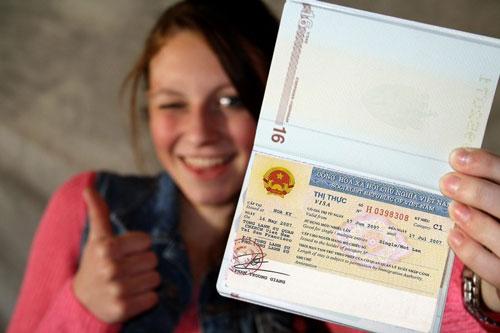
Start with the basics. Carry cash, your ID, and any booking confirmations in one easy-to-reach place. Sapa town has ATMs, card payment is more common than it used to be, and many hotels and restaurants accept cards. Still, cash matters in markets, roadside stops, and smaller villages.
.jpg)
Your ID or passport is also necessary for hotel check-in, transport, and motorbike rental. If you do plan to rent a bike, be realistic about winter road conditions. Fog, drizzle, and steep mountain turns are no joke.
What Should I Pack for a Winter Trip to Sapa?
Packing for a Sapa winter means preparing for cold, damp weather and changing mountain conditions. Bring warm layered clothing, a waterproof jacket, gloves, a hat, comfortable walking shoes, personal medication, and a power bank for long days outdoors. Packing light but practical will help you stay comfortable throughout your trip.
Clothes That Actually Work in Sapa Cold
This is the big one. Don’t pack for “Vietnam winter” the way you’d pack for Ho Chi Minh City. Pack for wet cold.
A smart Sapa winter clothing setup includes:
- A warm outer layer, ideally a padded or insulated jacket
- A waterproof shell or windbreaker for mist and drizzle
- Thermal tops or sweaters for layering
- A scarf or shawl to keep your neck warm
- A wool hat or beanie that covers your ears
- Gloves, especially if you’ll be out early or riding
- Thick socks
- Non-slip walking shoes or hiking shoes
Keep your outfits simple and practical. You’ll be walking on uneven roads, climbing stairs, and possibly trekking through damp trails. This isn’t the place for stiff fashion boots or thin city sneakers.
If you like wearing lighter tops for photos, fine, but bring enough layers to throw on fast. Weather shifts quickly here.
Personal Medical Items
A small medical kit can save your trip. Winter in Sapa makes sore throats, colds, and headaches more common, especially if you’ve had a long overnight transfer or you’re not used to mountain weather.
.jpg) Pack your personal prescriptions plus a few basics:
Pack your personal prescriptions plus a few basics:
- Cold and flu medicine
- Allergy medicine
- Stomach medicine or digestive tablets
- Bandages or blister pads
- Pain reliever
- Lip balm and moisturizer
- A few masks or a neck buff for cold wind and dusty roads
If you trek, don’t push too hard and then step straight into a hot shower. Warm up slowly, rest, and give your body a minute. That small bit of common sense matters in winter.
Tech to Bring to Sapa
You’ll want your phone or camera. Sapa in winter can look unreal for five minutes, then vanish behind fog the next. Be ready.
.jpg)
Bring:
- Your phone
- Camera, if you use one
- Charging cable
- Power bank
- Extra memory card or spare battery
Cold weather drains batteries faster, so don’t count on one full charge lasting all day. If you’re heading out for trekking or sunrise views, a power bank is worth the space in your bag.
Snacks for the Road
Snacks sound minor until you’re halfway through a walk and realize lunch is still an hour away. In town, food is easy to find. In villages or on longer outings, not always.
Pack a few simple things:
- Nuts
- Granola bars
- Crackers
- Candy
- Dried fruit
They’re useful on drives, hikes, and cold mornings.
Some travelers like bringing small sweets for local children, but it’s better to ask your guide first or support village shops directly. That keeps things respectful and more helpful.
.jpg)
Accommodation in Sapa
Book ahead. Yes, even in cold weather.
Sapa still gets busy in winter, especially on weekends, around Christmas and New Year, during Vietnamese holidays, and anytime a cold wave raises hopes of snow. Pre-booking gives you better prices and better room choices.
You’ll find everything from budget guesthouses to polished resorts and mountain-view homestays. If you’re not booking luxury, prices are usually reasonable.
The key winter detail is comfort: check whether the room has heating, an electric blanket, hot water that works well, and enough insulation. Those things matter more than a fancy lobby.
What Are Some Must-Visit Attractions in Sapa Besides Trekking?
While trekking is Sapa's biggest attraction, there are plenty of other places worth visiting. Take the Fansipan Cable Car for panoramic mountain views, explore Cat Cat Village, drive to O Quy Ho Pass, visit Love Waterfall, relax with a traditional Red Dao herbal bath, or spend time at Sapa Market and the town's hilltop cafés.
How Can I Travel from Hanoi to Sapa?
Most travelers reach Sapa from Hanoi by VIP sleeper bus, overnight train to Lao Cai followed by a short transfer, or private car. The journey usually takes 5–6 hours, making Sapa an easy addition to a Northern Vietnam itinerary
Planning a Bigger Vietnam Trip Around Sapa
.jpg) Sapa fits naturally into a Vietnam country tour that starts in Hanoi and moves north before heading to Ha Long Bay or Ninh Binh. If you’re comparing a Hanoi tour package, give yourself at least two nights in Sapa so the long transfer is worth it.
Sapa fits naturally into a Vietnam country tour that starts in Hanoi and moves north before heading to Ha Long Bay or Ninh Binh. If you’re comparing a Hanoi tour package, give yourself at least two nights in Sapa so the long transfer is worth it.
It also works well inside a Vietnam trip package or a Vietnam travel package built around northern highlights. A classic Vietnam tour package often combines the capital, the mountains, and the bay.
Travelers looking at Vietnam vacations packages usually choose Sapa for a cool-weather contrast. People who prefer more freedom sometimes search for Vietnam package travel with hotel and transport included but time left open.
If you want someone else to handle the logistics, Vietnam travel tour packages and Vietnam tourism packages can make winter travel easier. For travelers who don’t want a private car, Vietnam small group tours are often a good middle ground.
However you build it, a tour to Vietnam in winter feels stronger with a few mountain days added in.
FAQ
Is Sapa worth visiting in winter?
Yes. Winter in Sapa Vietnam is cold, moody, and memorable. Go for misty mountain scenery, local food, homestays, and the atmosphere. If snow appears, that’s a bonus.
What is Sapa weather January like?
Sapa weather January is usually the coldest of the year. Expect chilly days, very cold nights, fog, and occasional frost during strong cold snaps.
What is Sapa January weather really like for travelers?
Sapa January weather feels colder than the numbers suggest because of altitude and humidity. Layers, gloves, and proper shoes make a huge difference.
What is Sapa Vietnam weather December like?
Sapa Vietnam weather December is cold, damp, and often misty. It’s one of the best months for travelers who want full winter scenery without waiting until late January.
Does it snow in Sapa?
Sometimes, yes, but not every year and not for long. Snow is more likely on higher elevations than in town itself.
How many days should I stay in Sapa?
Two to three nights is a solid plan. That gives you time to settle in, see the mountain views if the fog clears, and enjoy the town without rushing.
Customize This Itinerary
Let our local experts design the perfect itinerary for you. It’s free, personalized, and take less than 24 hours !
 No obligation100% personalizedBest Price Guarantee2M$ Liability Insurance
Selena Le

Follow Us