




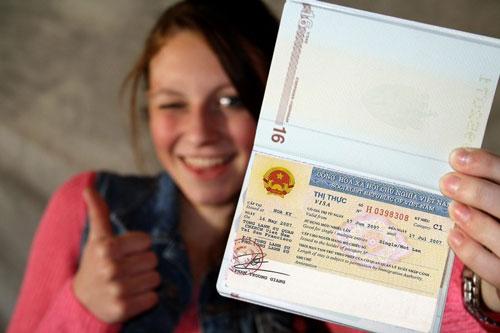

Planning a vietnam trip? Let us help.
Get personalized travel plan based on your interest, budget and preferred travel dates
Vietnam and Cambodia can be easily combined into one trip, offering a mix of culture, history, and unique experiences. With a 10–14 day plan, travelers can explore cities, nature, and iconic sites like Angkor Wat in a smooth and enriching journey.
TABLE OF CONTENTS
1
What makes Vietnam and Cambodia such a great pair for a single trip?
2
Why Combine Vietnam and Cambodia in One Trip
Cultural Contrast and Diversity
Easy Travel Connections
Efficient Itinerary Planning
3
Best Route to Combine Vietnam and Cambodia
North to South Vietnam + Cambodia Route
South Vietnam to Cambodia Route
4
Top Experiences to Include in Your Itinerary
Vietnam Highlights
Cambodia Highlights
5
Travel Tips for a Smooth Multi-Country Trip
6
Visa and Entry Requirements
Currency and Payments
Transport Options
7
Choosing the Right Travel Style
Private vs Group Travel
Benefits of Customized Itineraries
Flexibility vs Budget
8
Why Customized Travel Makes a Difference
Seamless Border Crossings
Better Time Management
Local Expertise
9
Sample 12-Day Vietnam and Cambodia Itinerary
10
When is the Best Time to Visit Vietnam and Cambodia
Seasonal Overview
Best Months for Combined Travel
11
Extend Your Trip Beyond Cambodia
12
Plan Your Vietnam and Cambodia Journey Smartly
Importance of Planning
Avoiding Common Mistakes
Value of Expert Guidance
13
FAQs
14
Final Thoughts
Have you ever dreamed of exploring two incredible Southeast Asian countries in a single journey? Vietnam and Cambodia are like two beautiful pieces of a puzzle that fit perfectly together.
Each offers something unique, yet they share a deep cultural connection that makes visiting them together a truly rewarding experience.
More travelers are discovering the magic of multi-country trips. Instead of planning separate holidays years apart, people now see the value of combining neighboring destinations.
This approach saves time, reduces travel costs, and creates a richer travel story.
In this guide, I will walk you through everything you need to know about planning your combined adventure.
Whether you are looking for organized vietnam and cambodia tours or prefer to design your own path, this blog will help you make smart choices.
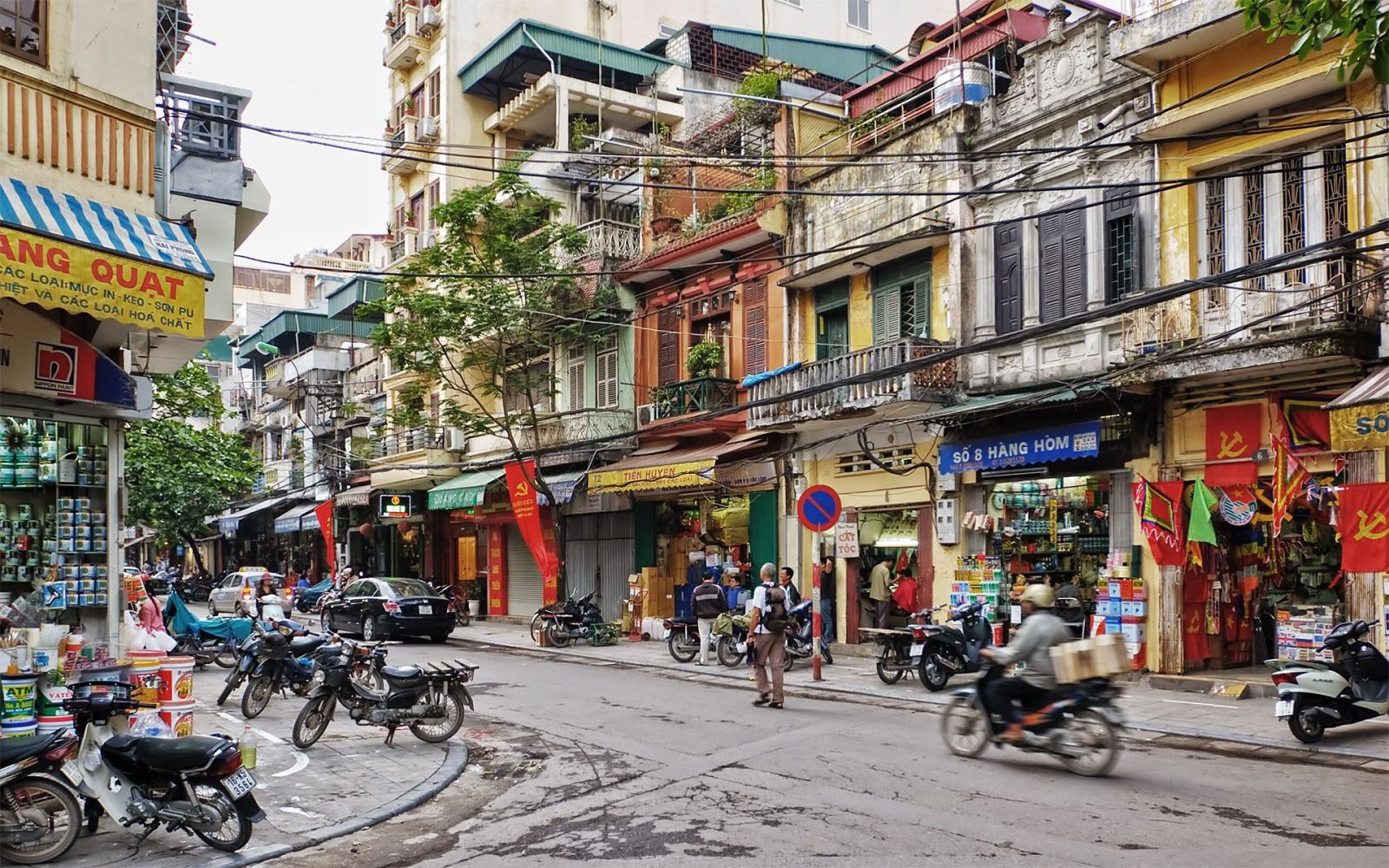 What makes Vietnam and Cambodia such a great pair for a single trip?
Both countries are close neighbors with excellent transport links. Vietnam stretches along the eastern coast, while Cambodia sits just southwest.
Travelers can easily move between them by short flights, road, or river routes. Their histories are intertwined, yet their cultures offer distinct flavors.
From Vietnam's bustling cities and terraced rice fields to Cambodia's ancient temples and peaceful countryside, the contrast keeps every day exciting.
Why Combine Vietnam and Cambodia in One Trip
There are several compelling reasons to visit these two nations together. Let me share the most important ones.
Cultural Contrast and Diversity
Vietnam and Cambodia may share borders, but their cultural identities are wonderfully different. Vietnam has been shaped by Chinese influence over centuries, visible in its Confucian traditions, architecture, and cuisine.
Cambodia, on the other hand, carries the proud legacy of the Khmer Empire, best seen in the magnificent Angkor temples.
When you travel through both countries, you get to experience this beautiful diversity firsthand.
One day you might be exploring Hanoi's ancient temples, and a few days later you could be watching a traditional Apsara dance performance in Siem Reap. This variety keeps your journey fresh and exciting.
Easy Travel Connections
Getting from Vietnam to Cambodia is surprisingly simple. Direct flights connect Ho Chi Minh City with Phnom Penh and Siem Reap, taking just over an hour.
For those who prefer overland routes, the road journey from Ho Chi Minh City to Phnom Penh takes about six hours, with border crossings that have become much smoother in recent years.
River options also exist. You can take a speedboat from Chau Doc in Vietnam's Mekong Delta to Phnom Penh, turning your travel day into a scenic adventure. Many Cambodia tours start right after visitors finish exploring southern Vietnam, making the transition effortless.
Efficient Itinerary Planning
Instead of taking two separate long-haul flights from your home country, you can fly into one country and out of the other. This open-jaw approach saves both money and time. You avoid backtracking and make the most of your travel days.
Best Route to Combine Vietnam and Cambodia
Choosing the right route depends on your interests, available time, and travel style. Here are the two most popular options.
North to South Vietnam + Cambodia Route
This classic route takes you through Vietnam from north to south before crossing into Cambodia.
Suggested path: Hanoi → Ha Long Bay → Central Vietnam (Hoi An/Da Nang) → Ho Chi Minh City → Cambodia (Phnom Penh → Siem Reap)
This route works well for first-time visitors who want to see Vietnam's highlights. You start in the historic north, experience the cultural middle, explore the energetic south, and finish with Cambodia's ancient wonders. The natural flow of geography makes this the most logical choice.
Best for: Travelers with 12–14 days who want a comprehensive introduction to both countries.
South Vietnam to Cambodia Route
If your time is limited or a Cambodia tour is your main focus, consider this shorter route.
Suggested path: Ho Chi Minh City → Mekong Delta → Phnom Penh → Siem Reap
This route minimizes travel distance and allows you to focus on southern Vietnam before moving into Cambodia. The Mekong Delta serves as a natural bridge between the two countries, with landscapes and lifestyles that gradually change as you move westward.
Best for: Travelers with 8–10 days or those who want to spend more time exploring Cambodia in depth.
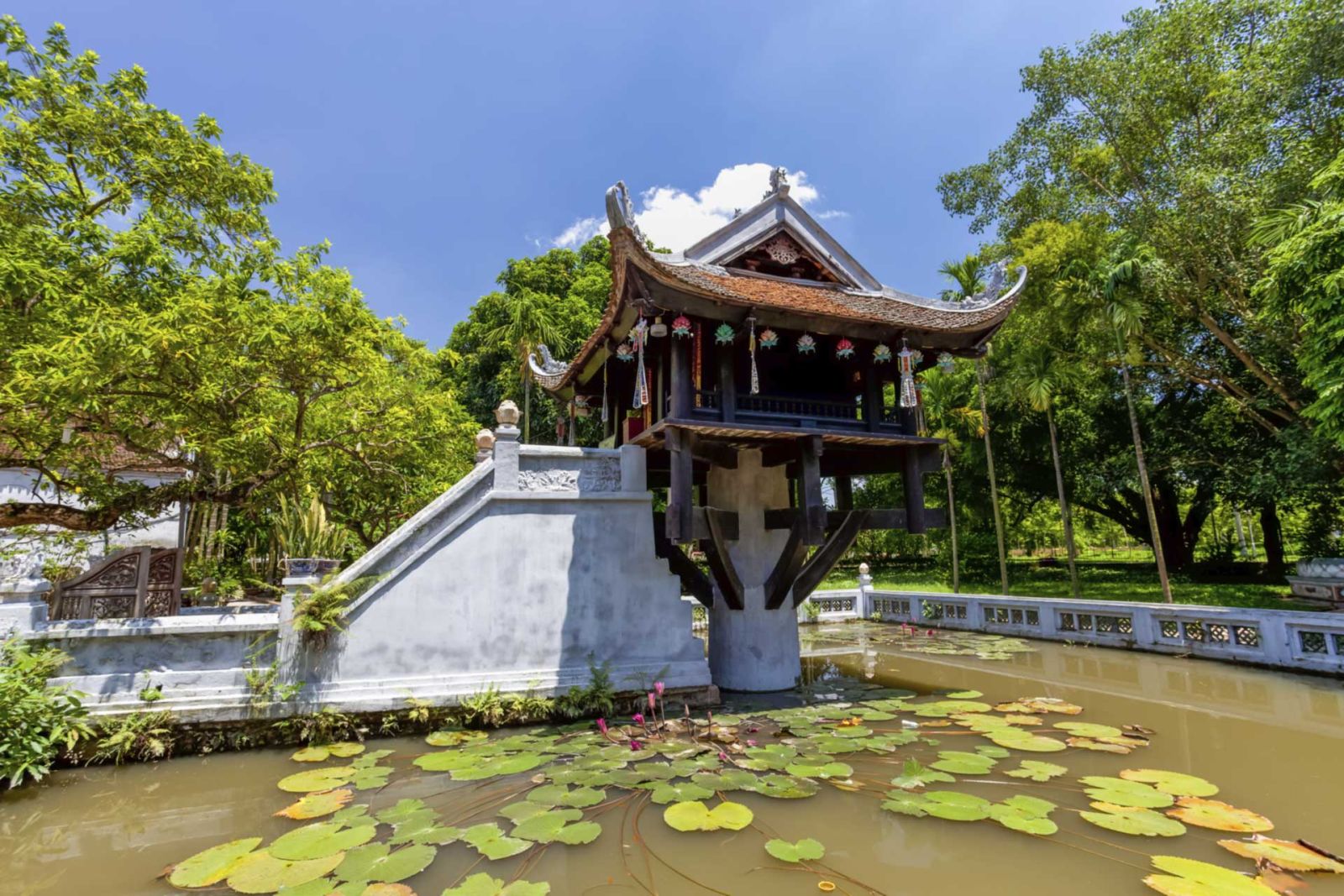 How Many Days Do You Need for Both Countries
One of the most common questions travelers ask is about timing. Let me give you a clear answer.
The ideal duration for combining Vietnam and Cambodia tours is 10 to 14 days.
Within 10 days, you can cover the essentials. You might spend 6 days in Vietnam and 4 in Cambodia. With 14 days, you can move at a more relaxed pace and include some off-the-beaten-path experiences.
Here is a suggested time allocation:
- Vietnam: 6–8 days – This allows time for Hanoi, Ha Long Bay, a central stop like Hoi An, and Ho Chi Minh City. If you want a deeper experience, look for Vietnam travel packages that offer flexible durations.
- Cambodia: 3–5 days – Three days give you enough time for Siem Reap and Angkor Wat. Five days let you add Phnom Penh or explore more of the countryside.
Remember, these are minimum recommendations. If you have more time, both countries reward slower travel with richer experiences.
Top Experiences to Include in Your Itinerary
Let me highlight the must-see attractions that should find a place in your journey.
Vietnam Highlights
Ha Long Bay Cruise
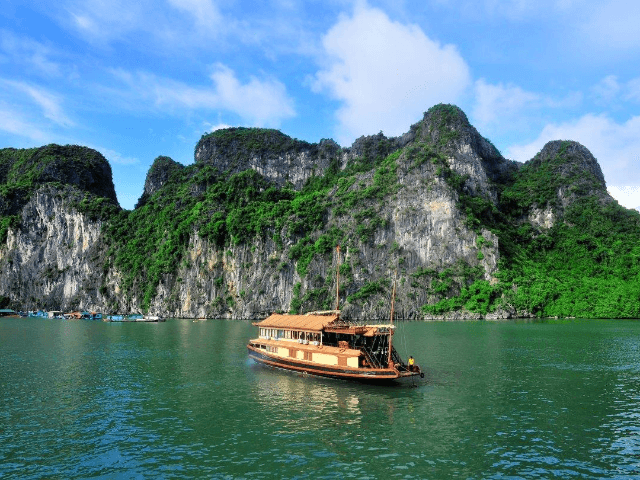
This UNESCO World Heritage site features thousands of limestone islands rising from emerald waters. An overnight cruise lets you experience sunrise and sunset among these magical landscapes. Kayaking through hidden lagoons and visiting floating fishing villages add to the experience.
Hoi An Ancient Town
This beautifully preserved trading port feels like stepping back in time. The lantern-lit streets, historic buildings, and riverside setting create an unforgettable atmosphere. Hoi An is also famous for its food scene and skilled tailors who can create custom clothing in just 24 hours.
Mekong Delta
The "rice bowl" of Vietnam offers a glimpse into river life. Floating markets, coconut candy workshops, and peaceful canals define this region. It is the perfect place to understand how water shapes Vietnamese culture.
Cambodia Highlights
Angkor Wat and the Angkor Complex
This is the reason most people visit Cambodia, and it truly lives up to the hype. The main temple is spectacular at sunrise, but the surrounding temples like Bayon with its smiling stone faces and Ta Prohm with trees growing through ruins are equally remarkable. A two or three-day pass gives you enough time to explore without rushing.
Many Cambodia tours focus heavily on Angkor, and for good reason. It is one of the world's most impressive archaeological sites.
Phnom Penh History
Cambodia's capital tells a complex story. The Royal Palace and Silver Pagoda showcase traditional Khmer architecture, while sites like the Tuol Sleng Genocide Museum and the Killing Fields provide important historical context. It is a city of contrasts that leaves a lasting impression.
Local Culture Experiences
Beyond the temples, consider a visit to a floating village on Tonle Sap Lake, a cooking class that teaches Khmer cuisine, or a traditional Apsara dance performance. These experiences connect you with Cambodia's living culture.
Travel Tips for a Smooth Multi-Country Trip
Proper preparation makes all the difference. Here are practical tips for your combined journey.
Visa and Entry Requirements
Both countries require visas for most nationalities.
Vietnam: You can apply for an e-visa online before travel. It costs around $25 and is valid for 30 days with a single entry. The process is straightforward and takes about three business days.
Cambodia: Similarly, an e-visa is available for around $30. You can also obtain a visa on arrival at airports and major land borders.
If you are entering Cambodia from Vietnam by land, ensure your visa type is valid for that border crossing. Some visas are only valid for airport entry.
Currency and Payments
Vietnam uses the Vietnamese Dong (VND). Cambodia uses both the Cambodian Riel (KHR) and US dollars. In fact, dollars are widely accepted, and you will often receive change in a mix of both currencies.
ATMs are available in cities and tourist areas in both countries. However, it is wise to carry some cash when traveling to smaller towns or rural areas. Credit cards are accepted in hotels and nicer restaurants but less common in local establishments.
Transport Options
- Flights: Several airlines connect Vietnam and Cambodia. The most popular routes are Ho Chi Minh City to Siem Reap (about 1.5 hours) and Ho Chi Minh City to Phnom Penh (about 1 hour). Booking in advance usually gets better prices.
- Land Travel: Buses run daily between Ho Chi Minh City and Phnom Penh. The journey takes 6–8 hours depending on border processing. Comfort levels vary, so consider spending a little more for a reputable company.
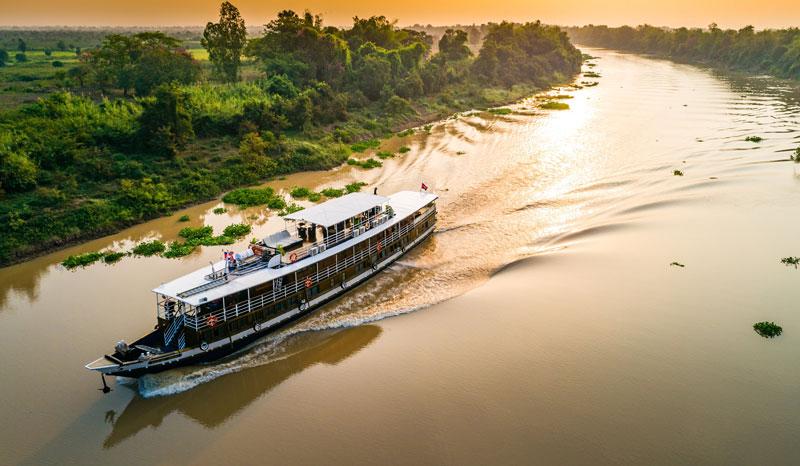
- River Travel: Speedboats connect Vietnam's Chau Doc with Phnom Penh. This scenic option takes about 4–5 hours and offers a unique perspective on border life.
When planning a Vietnam country tour, discuss transport preferences with your provider to ensure smooth connections.
Choosing the Right Travel Style
How you travel affects everything from your budget to your experiences. Let's look at your options.
Private vs Group Travel
Group tours offer affordability and built-in social connections. You share costs with other travelers, and the itinerary is pre-planned. This works well for solo travelers or those who prefer not to make daily decisions.
Private travel gives you flexibility and personal attention. Your schedule can change based on interests, weather, or energy levels. It costs more but offers a more tailored experience.
Benefits of Customized Itineraries
Customized travel has gained popularity for good reason. You decide what matters most to you. Want an extra day in Hoi An? No problem. Prefer a sunrise temple visit followed by a quiet afternoon? Easy to arrange.
A good Vietnam tour company will listen to your interests and build an itinerary that matches your pace. This is especially valuable for multi-country trips where coordination between destinations matters.
Flexibility vs Budget
There is always a trade-off between flexibility and cost. Fully flexible private tours cost more but allow spontaneous changes. Fixed itineraries with set dates cost less but offer less room for adjustment.
Think about your travel style. If you like certainty and structure, a pre-arranged package works well. If you prefer to decide as you go, build in buffer days and arrange transport locally.
Why Customized Travel Makes a Difference
Multi-country trips come with unique challenges. Here is why working with experts adds value.
Seamless Border Crossings
Borders can be intimidating, especially if you are doing it for the first time. A good Vietnam travel agency handles the logistics. They ensure your visas are correct, your transport is reliable, and someone is waiting on the other side.
Better Time Management
When you have only 10–14 days, every hour counts. Professionals help you avoid wasted time. They know which flights are most reliable, which roads are best avoided during the rainy season, and how to arrange morning activities that minimize travel disruptions.
Local Expertise
The best experiences often come from local knowledge. A guide who grew up in the Mekong Delta knows the best time to visit the floating market. A Cambodian guide can show you the quieter corners of Angkor where you can find peace away from the crowds.
Sample 12-Day Vietnam and Cambodia Itinerary
Here is a realistic itinerary that balances both countries. Use it as a starting point and adjust based on your interests.
Day 1–3: Hanoi + Ha Long Bay
- Arrive in Hanoi
- Explore Old Quarter, Hoan Kiem Lake, Temple of Literature
- Day 2: Travel to Ha Long Bay for an overnight cruise
- Enjoy kayaking or cave exploration
- Return to Hanoi after the cruise
Day 4–6: Central Vietnam (Hoi An / Da Nang)
- Fly to Da Nang, then transfer to Hoi An
- Wander the ancient town
- Take a cooking class or relax at An Bang Beach
- Optional day trip: My Son Sanctuary or Marble Mountains
Day 7–8: Ho Chi Minh + Mekong
- Fly to Ho Chi Minh City
- Visit War Remnants Museum, Ben Thanh Market, Reunification Palace
- Day trip to Mekong Delta for river life and floating markets
Day 9–12: Cambodia (Phnom Penh + Siem Reap)
- Fly from Ho Chi Minh to Phnom Penh
- Visit Royal Palace and learn about Cambodia's recent history
- Fly or take a bus to Siem Reap
- Two full days exploring Angkor temples (including sunrise at Angkor Wat)
- Fly out of Siem Reap for your return journey
When is the Best Time to Visit Vietnam and Cambodia
Timing your trip well makes everything more enjoyable. Here is what you need to know.
Seasonal Overview
Both countries have tropical climates with distinct dry and rainy seasons. However, their seasons do not align perfectly.
- Vietnam: The country stretches across multiple climate zones. The north has four seasons, with cool winters and warm summers. The south has a dry season (November to April) and rainy season (May to October). Central Vietnam has its rainy peak from September to November.
- Cambodia: The climate is more consistent. The dry season runs from November to May, with cooler temperatures from November to February. The rainy season runs from June to October, with afternoon showers that rarely disrupt travel completely.
Best Months for Combined Travel
For a combined trip, the best months are November to February. During this period, most of Vietnam enjoys pleasant weather, and Cambodia is comfortably dry. Temperatures are moderate, and rainfall is low.
March to April can be very hot in both countries, especially in Cambodia. May to October brings rain, but travel is still possible, and you will find fewer crowds and lower prices.
If you are booking Vietnam vacation packages, check the seasonal conditions for your specific destinations. A package that works well in December might be less ideal in September.
Extend Your Trip Beyond Cambodia
If you have more time and energy, consider expanding your journey further.
- Add Laos Option: Laos borders Cambodia to the north and offers a completely different pace. The UNESCO town of Luang Prabang, with its gold-roofed temples and waterfall pools, is a favorite addition. Travel from Cambodia to Laos is possible by flight, making it a natural extension.
- Southeast Asia Circuit: The classic Southeast Asia circuit includes Thailand, Vietnam, Cambodia, and Laos. Within three weeks or more, you can create a loop that takes in the highlights of each country. This is an ambitious but rewarding way to explore the region.
Plan Your Vietnam and Cambodia Journey Smartly
Now that you have the information, it is time to plan. A little thought now will pay off with a smoother trip.
Importance of Planning
Multi-country trips require more coordination than single-country visits. Flights between countries, border crossings, and visa logistics all need attention. Planning ahead reduces stress and helps you avoid last-minute problems.
Avoiding Common Mistakes
- Underestimating travel time: Even short distances can take longer than expected. Always add buffer time between activities.
- Skipping visa preparation: Arriving at the border without proper documents can cause delays or denied entry.
- Overpacking the itinerary: Trying to see everything in a short time leads to exhaustion. Quality matters more than quantity.
- Ignoring cultural differences: Simple gestures like dressing appropriately at temples show respect and improve interactions.
Value of Expert Guidance
Working with professionals adds confidence to your planning. A reputable company understands the nuances of both countries and can create a trip that matches your preferences.
If you want a hassle-free experience, consider the best Vietnam tours package that includes the Cambodia extension. These packages handle everything from airport transfers to internal flights, allowing you to focus on enjoying your journey.
FAQs
Can I combine Vietnam and Cambodia in one trip?
Yes, you can combine Vietnam and Cambodia tours as both countries are well connected and easy to combine in one itinerary. Direct flights, road routes, and river crossings make the connection simple. Many travelers combine them in a single journey lasting 10 to 14 days.
How many days are enough for Vietnam and Cambodia?
10–14 days is ideal for a balanced trip. Within 10 days, you can cover the main highlights in both countries. Within 14 days, you can enjoy a more relaxed pace and include additional experiences like the Mekong Delta or Phnom Penh.
What is the best route for Vietnam and Cambodia?
A north-to-south Vietnam route followed by Cambodia is the most efficient. Start in Hanoi, travel south through central Vietnam to Ho Chi Minh City, then cross into Cambodia. This route follows the natural geography and minimizes backtracking.
Do I need separate visas for both countries?
Yes, Vietnam and Cambodia have separate visa requirements. Most nationalities can obtain e-visas online before travel. Vietnam also offers visa-free entry for some countries for limited durations. Check the latest requirements based on your nationality.
Is it better to book a combined tour package?
Yes, it simplifies planning and ensures a smoother experience. A combined package handles logistics like transport between countries, border crossings, and accommodation. This saves time and reduces stress, especially for first-time visitors to the region.
Final Thoughts
Combining Vietnam and Cambodia tours is a smart choice for travelers who want diversity and value. You get two distinct cultures, world-class attractions, and the satisfaction of efficient travel. Whether you choose a pre-designed package or a customized itinerary, the experience will stay with you long after you return home.
Take the time to plan properly, consider your travel style, and choose dates that match the best seasons. With the right preparation, your journey through these two beautiful countries will be everything you imagined and more.
Turn This Into Your Real Trip
Let our local experts design the perfect itinerary for you. It’s free, personalized, and take less than 24 hours !
 No obligation100% personalizedBest Price Guarantee2M$ Liability Insurance
Mia Do
Read all posts
Follow Us