logo

February 24, 2026

Must-read Vietnam Travel Guide from A to Z, summarized by Threeland Travel

Wanting to travel to Vietnam? Here is our summary for a budget Vietnam travel Tours with tips and advice on things to do and see, ways to save money, all in one. Check out here.

TABLE OF CONTENTS

1

1. Introduction to Vietnam

Why Vietnam Should Be on Your Travel List

Overview of Vietnam’s Geography, Culture, and History

2

2. How to Get to Vietnam

International Flights to Major Cities

3

Visa Requirements for Vietnam (2026 Update)

Tourist Visa Options

E-Visa Application

Visa Exemptions

4

3. Best Time to Visit Vietnam

Northern Vietnam: Cool Winters, Humid Summers

Central Vietnam: Beach-Friendly Weather

Southern Vietnam: Tropical Year-Round

Tet (Lunar New Year)

Mid-Autumn Festival

5

4. Top Destinations in Vietnam

Hanoi – The Capital with Timeless Charm

Ho Chi Minh City – Energy and History

Ha Long Bay – UNESCO World Heritage Site

Hoi An – Lantern-Lit Ancient Town

Hue – The Imperial City

6

5. What to Eat in Vietnam

7

6. How to Get Around Vietnam

8

7. Cultural Etiquette in Vietnam

9

8. Where to Stay in Vietnam

10

9. Outdoor Adventures in Vietnam

Trekking in Sapa

Caving in Phong Nha

Beach Activities

11

10. Vietnam Travel Tips for First-Time Visitors

Currency

Safety

Staying Connected

12

Conclusion

13

FAQs About Traveling to Vietnam

Do I need a visa to visit Vietnam?

What is the best time of year to visit Vietnam?

How many days should I spend in Vietnam?

Is Vietnam affordable for American travelers?

What are the must-see attractions in Vietnam?

1. Introduction to Vietnam

Why Vietnam Should Be on Your Travel List

Vietnam delivers a rare combination of natural beauty, cultural depth, and affordability. Ancient temples sit beside modern skyscrapers. Peaceful rice terraces stretch across mountains, while coastal cities buzz with energy.

The country’s landscapes are remarkably diverse — from the limestone karsts of Ha Long Bay to the tropical islands of Phu Quoc. Food lovers are especially drawn to Vietnam’s culinary scene, known for its fresh herbs, balanced flavors, and lively street food culture.

Beyond the scenery and cuisine, what truly stands out is the warmth of the Vietnamese people. Hospitality, resilience, and strong family values are deeply embedded in everyday life, making visitors feel genuinely welcome.

Overview of Vietnam’s Geography, Culture, and History

Stretching more than 1,000 miles from north to south, Vietnam features three distinct regions:

Northern Vietnam is known for mountainous terrain, ethnic minority communities, and the historic capital city of Hanoi.

Central Vietnam offers imperial cities, ancient trading ports, and beautiful beaches.

Southern Vietnam is tropical and energetic, home to Ho Chi Minh City and the fertile Mekong Delta.

Vietnam’s history reflects centuries of imperial dynasties, Chinese influence, French colonialism, and modern transformation. Today, you can see these layers reflected in architecture, language, religion, and cuisine. Despite rapid modernization, cultural traditions remain strong, particularly respect for elders and community-centered values.

2. How to Get to Vietnam

International Flights to Major Cities

Vietnam’s major airports connect travelers from North America, Europe, Australia, and across Asia.

Hanoi – Noi Bai International Airport

Hanoi serves as the gateway to northern Vietnam. Upon arrival, visitors quickly notice the blend of old-world charm and modern growth. French colonial buildings, ancient temples, and bustling street markets define the city’s character.

Ho Chi Minh City – Tan Son Nhat International Airport

Vietnam’s busiest airport provides access to the dynamic southern region. Ho Chi Minh City is fast-paced, entrepreneurial, and filled with historical landmarks, rooftop bars, and exceptional street food.

Da Nang – Central Vietnam Hub

Da Nang has grown significantly in recent years and now serves as a convenient entry point for exploring Hoi An, Hue, and the central coastline.

Visa Requirements for Vietnam (2026 Update)

Vietnam has streamlined its visa process in recent years.

Tourist Visa Options

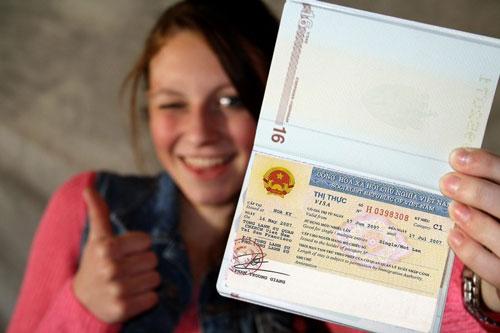
Most travelers require a tourist visa valid for 30 to 90 days, depending on nationality.

E-Visa Application

Vietnam’s e-visa system allows eligible travelers to apply online and receive approval electronically within a few business days.

Visa Exemptions

Certain nationalities qualify for short-term visa-free entry. Always check official government sources before departure.

3. Best Time to Visit Vietnam

Vietnam’s climate varies by region.

Northern Vietnam: Cool Winters, Humid Summers

November through April offers cooler temperatures and is ideal for visiting Hanoi, Sapa, and Ha Long Bay. Summers are hot and humid but lush and green.

Central Vietnam: Beach-Friendly Weather

February through August is generally sunny and dry. September through January may bring heavy rainfall in coastal areas.

Southern Vietnam: Tropical Year-Round

The south remains warm year-round, with a dry season from November to April and a rainy season from May to October.

Seasonal Festivals

Tet (Lunar New Year)

Vietnam’s most important holiday takes place in late January or early February. Families gather, homes are decorated, and cities come alive with celebration.

Mid-Autumn Festival

Held in September or October, this festival features lanterns, lion dances, and mooncakes — particularly vibrant in Hoi An and Hanoi.

4. Top Destinations in Vietnam

Hanoi – The Capital with Timeless Charm

The Old Quarter’s narrow streets are filled with history, street vendors, and artisan shops. Hoan Kiem Lake offers a peaceful retreat in the heart of the city, while Ngoc Son Temple provides cultural insight.

Ho Chi Minh City – Energy and History

Visit the War Remnants Museum for a historical perspective, then explore Ben Thanh Market for local food and shopping. The city’s nightlife and café culture continue to thrive in 2026.

Ha Long Bay – UNESCO World Heritage Site

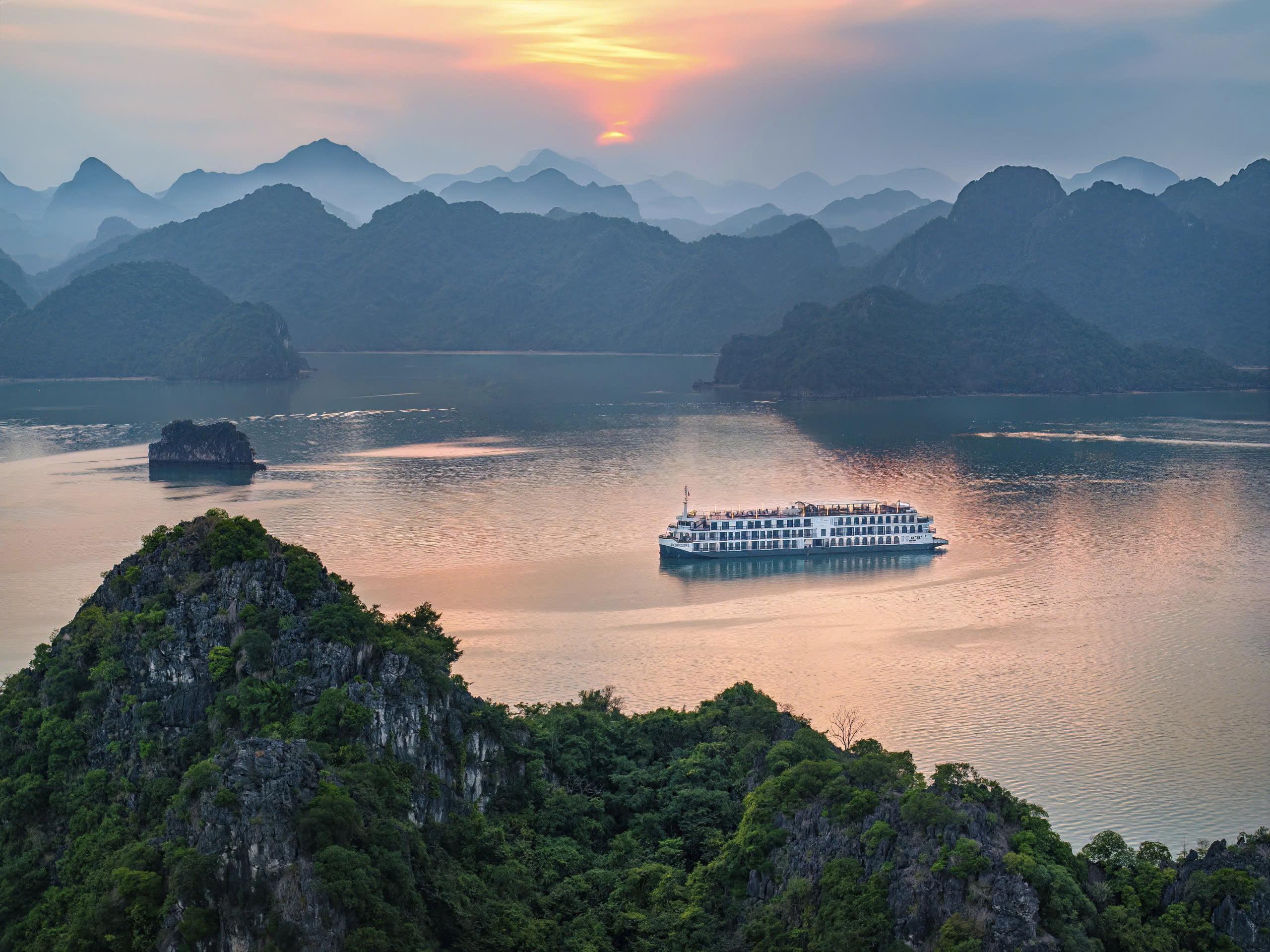
Cruising among limestone karsts remains one of Vietnam’s most iconic experiences. Kayaking, cave exploration, and overnight boat stays offer unforgettable views.

Hoi An – Lantern-Lit Ancient Town

Hoi An’s preserved architecture, lantern festivals, and cooking classes make it one of Vietnam’s most charming destinations. Custom tailoring remains a popular attraction.

Hue – The Imperial City

The Imperial Citadel and Perfume River showcase Vietnam’s royal history. A sunset boat ride along the river provides a serene cultural experience.

5. What to Eat in Vietnam

Vietnamese cuisine emphasizes freshness and balance.

Pho – Fragrant noodle soup with beef or chicken
Banh Mi – Crispy baguette sandwich with savory fillings
Bun Cha – Grilled pork with rice noodles and herbs

Northern dishes are typically subtle in flavor, central cuisine is bold and complex, and southern dishes tend to be slightly sweeter.

When enjoying street food, choose busy stalls with high turnover and freshly prepared dishes.

6. How to Get Around Vietnam

Domestic flights are efficient for long distances.

The Reunification Express train provides scenic travel between Hanoi and Ho Chi Minh City.

Ride-hailing apps such as Grab are widely available in cities.

Travelers planning multi-city routes often rely on a vietnam trip planner to coordinate transportation, accommodations, and timing efficiently.

7. Cultural Etiquette in Vietnam

Respect for elders is highly valued. Dress modestly when visiting temples and remove shoes where required.

Learning basic phrases such as “Xin chào” (Hello) and “Cảm ơn” (Thank you) helps build rapport with locals.

8. Where to Stay in Vietnam

Vietnam offers accommodations for every budget.

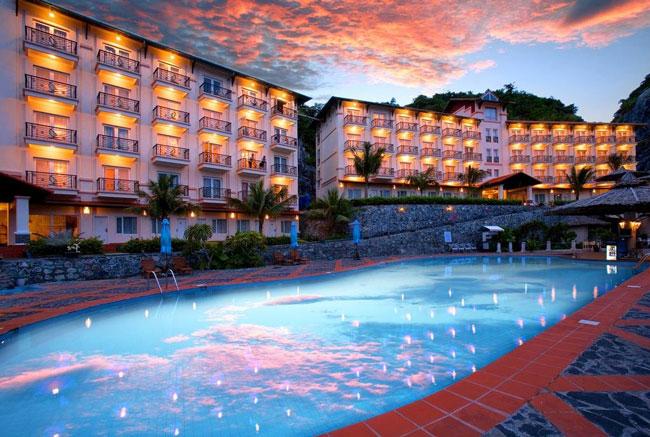
Luxury beachfront resorts, boutique heritage hotels, and affordable guesthouses are widely available. Many visitors opt for curated vietnam travel packages that bundle hotels, transportation, and guided tours for convenience.

9. Outdoor Adventures in Vietnam

Trekking in Sapa

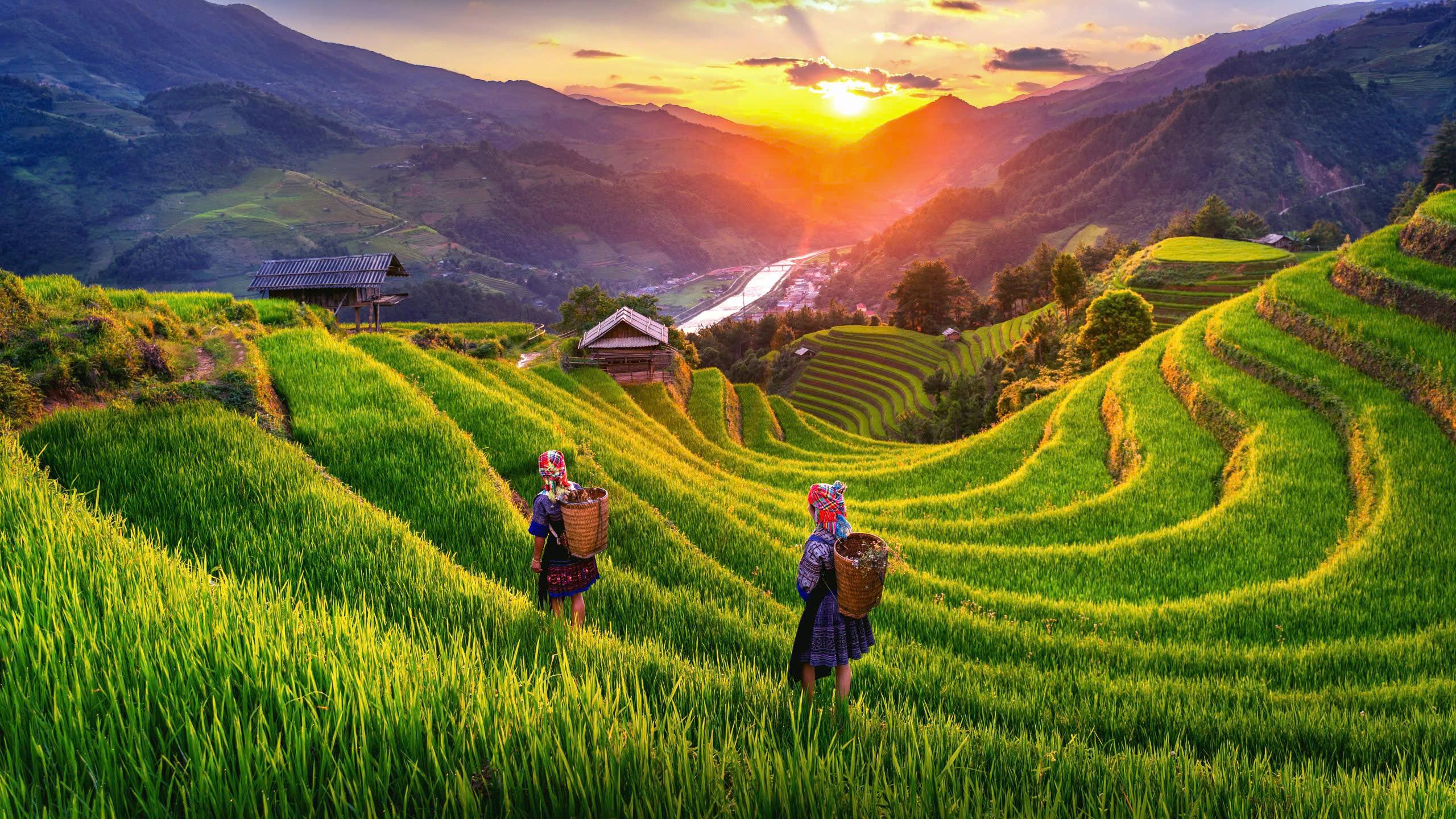
Explore rice terraces and visit ethnic minority villages.

Caving in Phong Nha

Discover world-renowned caves including Son Doong region and Paradise Cave.

Beach Activities

Snorkel in Phu Quoc or try kite surfing in Mui Ne.

For guided outdoor experiences, working with a reputable vietnam tour agency ensures safety and local expertise.

10. Vietnam Travel Tips for First-Time Visitors

Currency

The official currency is Vietnamese Dong (VND). Cash is helpful for small vendors.

Safety

Vietnam is generally safe, but stay aware in crowded areas and use licensed transportation.

Staying Connected

SIM cards and eSIM plans are affordable and widely available.

Travelers seeking customized experiences often choose a trusted vietnam travel company to design itineraries that balance comfort, adventure, and cultural immersion.

Conclusion

Vietnam offers an extraordinary blend of history, culture, cuisine, and natural beauty. From bustling cities and imperial landmarks to tropical beaches and mountain villages, every region tells a different story.

Whether traveling independently or booking through professional support, Vietnam remains one of the best-value destinations in Asia in 2026.

FAQs About Traveling to Vietnam

Do I need a visa to visit Vietnam?

Most travelers require a visa, though many can apply for an e-visa online.

What is the best time of year to visit Vietnam?

November through April generally offers the most comfortable weather across the country.

How many days should I spend in Vietnam?

A 10–14 day trip allows you to explore multiple regions comfortably.

Is Vietnam affordable for American travelers?

Yes. Food, accommodations, and transportation are reasonably priced compared to many global destinations.

What are the must-see attractions in Vietnam?

Hanoi, Ha Long Bay, Hoi An, Hue, and Ho Chi Minh City remain top highlights

Share:

twitter

Follow Us

twitter

Subscribe to our newsletter

Most viewed articles

Loading...
Loading...

Explore Threeland’s Tours And Services