





Planning a vietnam trip? Let us help.
Get personalized travel plan based on your interest, budget and preferred travel dates
Learn how to plan a seamless Vietnam and Cambodia trip with this 14-day guide covering itinerary, travel routes, costs, visa tips, and Vietnam and Cambodia tours.
TABLE OF CONTENTS
1
Why Combine Vietnam and Cambodia in One Trip?
2
What Is the Best Vietnam and Cambodia Itinerary?
Days 1-3: Hanoi & Ha Long Bay
Days 4-5: Hoi An
Days 6-8: Ho Chi Minh City & Mekong Delta
Days 9-11: Phnom Penh
Days 12-14: Siem Reap & Angkor Wat
3
How to Travel Vietnam and Cambodia Together: Crossing the Border
4
When Is the Best Time to Visit Vietnam and Cambodia?
5
Vietnam Cambodia Travel Guide: Budgeting and Costs
6
Vietnam Cambodia Travel Tips: 8 Essentials for a Smooth Trip
7
Guided vs. Independent Travel: Which Is Better?
Independent Travel:
Guided Tours (Vietnam and Cambodia Tours):
8
Sample Packing List for Vietnam and Cambodia
9
Conclusion: Your Southeast Asian Adventure Awaits
10
Frequently Asked Questions
Do I need a separate visa for Vietnam and Cambodia when traveling on a combined tour?
What is the easiest way to travel between Vietnam and Cambodia?
How many days do I need for a combined Vietnam and Cambodia trip?
Is it safe to travel overland between Vietnam and Cambodia?
What is the best time of year to visit both Vietnam and Cambodia?
Planning a trip to Southeast Asia is exciting, but figuring out the logistics of visiting two countries in one journey can feel overwhelming. If you are wondering how to plan a Vietnam and Cambodia trip together, the answer lies in choosing a logical travel route, understanding border crossings, and selecting a well-structured itinerary that maximizes your time.
The most effective way to plan this trip is to start in Hanoi, Vietnam, travel southwards through the cultural heartlands, and cross overland into Cambodia to explore the ancient temples of Angkor and the bustling capital of Phnom Penh. By utilizing professional Vietnam and Cambodia Tours, you can seamlessly connect these two diverse nations without the stress of coordinating separate flights and visas.
This guide provides a detailed roadmap, combining the vibrant energy of Vietnam with the mystical allure of Cambodia, ensuring you don’t miss any highlights along the way.
Why Combine Vietnam and Cambodia in One Trip?
Combining Vietnam and Cambodia is a natural pairing for travelers. Geographically, they are neighbors, sharing a border that allows for smooth overland travel.
Culturally, while distinct, they offer a complementary tapestry of history—from the French colonial architecture of Hanoi to the ancient Hindu-Buddhist fusion of Angkor Wat.
A multi-country Southeast Asia tour saves you time and money compared to two separate trips. You get to experience the chaotic beauty of Ho Chi Minh City’s motorbike traffic and the serene sunrise over the Khmer empire’s greatest temple within a single vacation.
Furthermore, many Vietnam Cambodia Tours are designed to handle the logistics of border crossings, allowing you to focus on the experience rather than the paperwork.
What Is the Best Vietnam and Cambodia Itinerary?
When searching for the best Vietnam Cambodia itinerary has to offer, the 14-day route is the gold standard. It allows for a deep dive into the major highlights without feeling rushed.
Below is a day-by-day breakdown of a classic route inspired by professional operators like Threeland, a trusted Vietnam Travel Agency known for crafting seamless cross-border experiences.
Days 1-3: Hanoi & Ha Long Bay
Start your journey in the capital of Vietnam. Hanoi is a city of lakes, shaded boulevards, and centuries-old architecture.
Spend your first day exploring the Old Quarter, where narrow streets are named after the trades once practiced there. Visit the historic Hoan Kiem Lake and the Temple of Literature.
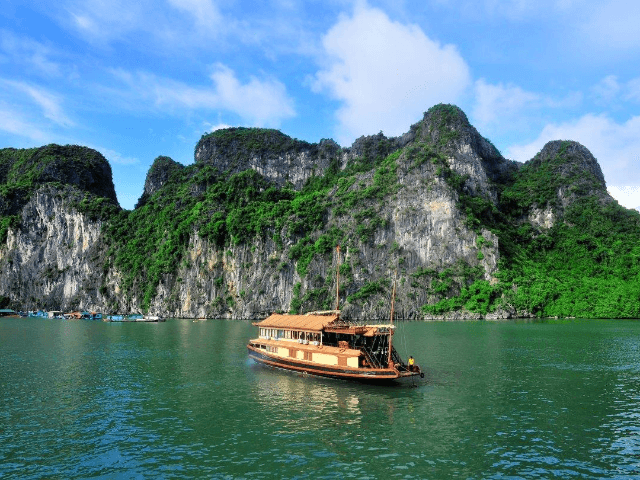
On day two, embark on a cruise in Ha Long Bay, a UNESCO World Heritage Site. This is a non-negotiable highlight of any Vietnam Tour Package. A typical overnight cruise includes:
- Kayaking through hidden lagoons.
- Exploring stunning caves like Sung Sot (Surprise Cave).
- Enjoying fresh seafood on the deck as the sun sets over the limestone karsts.
Days 4-5: Hoi An
Fly from Hanoi to Da Nang and drive to the ancient town of Hoi An. This former trading port is a visual delight, famous for its lantern-lit streets and well-preserved architecture.
Here, you can take a cooking class to learn the secrets of Vietnamese cuisine or get custom-tailored clothing made overnight. Don’t miss the Japanese Covered Bridge and the vibrant night market.
Days 6-8: Ho Chi Minh City & Mekong Delta
Fly south to Ho Chi Minh City (Saigon). This bustling metropolis offers a stark contrast to Hanoi. History enthusiasts will want to visit the Cu Chi Tunnels, a massive underground network used during the Vietnam War.
From here, take a day trip to the Mekong Delta. You’ll navigate the narrow canals by small boat, visit local fruit orchards, and experience the rural rhythm of Southern Vietnam. This leg of the journey sets the stage for the transition to Cambodia.
Days 9-11: Phnom Penh
Crossing the border into Cambodia is a pivotal moment in your Vietnam Cambodia Tours. Most travelers either fly from Saigon to Phnom Penh or take a speedboat across the border via the Mekong River.
In Phnom Penh, the capital, you will confront Cambodia’s somber yet inspiring recent history.
Visit the Tuol Sleng Genocide Museum (S-21) and the Killing Fields of Choeung Ek to understand the Khmer Rouge era. Balance this with visits to the glittering Royal Palace and the Silver Pagoda.
Days 12-14: Siem Reap & Angkor Wat
Finally, fly or take a bus to Siem Reap, the gateway to Angkor Wat. This is the crown jewel of Cambodia Tour Packages. To truly appreciate the temples, plan a multi-day exploration:
- Angkor Wat: Wake up at 4:30 AM to witness the sunrise behind the iconic lotus-shaped towers.
- Angkor Thom: Enter through the South Gate to see the enigmatic Bayon Temple with its 216 massive smiling faces.
- Ta Prohm: Explore the temple famously left to be swallowed by the jungle, with massive silk-cotton trees growing out of the ruins.
End your trip with a relaxing Tonle Sap Lake cruise to see floating villages, or enjoy a traditional Apsara dance performance dinner.
How to Travel Vietnam and Cambodia Together: Crossing the Border
A common concern for travelers is how to travel Vietnam and Cambodia together without wasting time. You have three primary options for crossing the border, each with its own benefits.
- By Air (Easiest): Direct flights from Ho Chi Minh City (SGN) to Siem Reap (REP) or Phnom Penh (PNH) take just over an hour. This is the fastest method and is often included in premium Vietnam and Cambodia Tours.
- By Road/Bus (Most Affordable): Several bus companies operate the route from Ho Chi Minh City to Phnom Penh. The journey takes approximately 6 hours, including the border crossing at Moc Bai / Bavet.
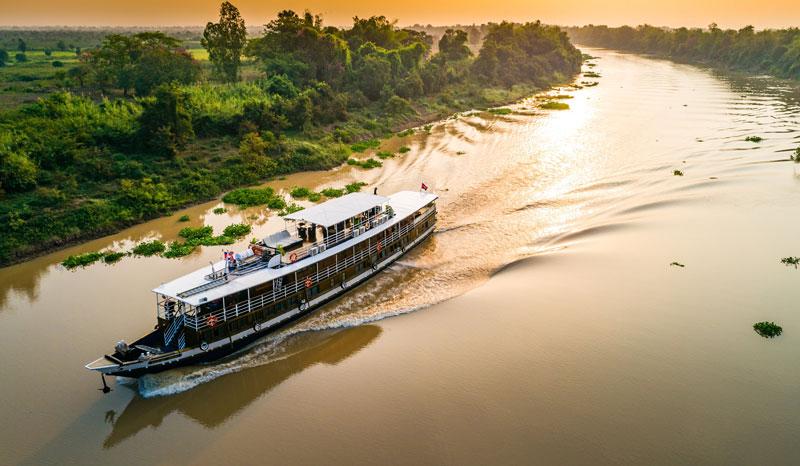
- By Speedboat (Most Scenic): For a memorable experience, take a high-speed ferry from Chau Doc (Vietnam) to Phnom Penh. This scenic journey through the Mekong River channels takes about 4-5 hours and offers a unique perspective on river life.
- Visa Note: Vietnam requires a visa for most nationalities (e-visa available). Cambodia offers a visa on arrival (VOA) for most tourists, but getting an e-visa in advance can speed up the border process. If you book through a Vietnam Travel Agency, they typically provide detailed visa guidance.
When Is the Best Time to Visit Vietnam and Cambodia?
Timing is crucial for a multi-country trip. While both countries have a tropical climate, their weather patterns differ slightly.
- The Ideal Window (November to March): This is the dry season for both countries. In Vietnam, the north (Hanoi/Halong) is cool and crisp, while the south (Saigon/Mekong) is dry and warm. In Cambodia, this period offers cool breezes and low humidity, perfect for exploring the sprawling Angkor Wat temples.
- Shoulder Seasons (April & September-October): April is the hottest month in Cambodia and Southern Vietnam, with temperatures soaring above 35°C (95°F). However, it is a great time to visit if you want fewer crowds. September and October are rainy in both regions, but the showers are usually brief and the landscapes are lush.
- Avoid (May to August): While you can still travel, this is the monsoon season in both countries, with heavy downpours that can occasionally disrupt cruise schedules in Ha Long Bay or road travel.
Vietnam Cambodia Travel Guide: Budgeting and Costs
How much you spend depends entirely on your travel style. However, when planning Vietnam Cambodia trip planning budgets, here is a general breakdown.
|
Expense |
Budget |
Mid-Range |
Luxury |
|
Accommodation |
$15-$30/night |
$50-$100/night |
$150+/night |
|
Meals |
$5-$10/day |
$20-$30/day |
$50+/day |
|
Transport |
Buses ($10-20/leg) |
Domestic flights ($50-80/leg) |
Private transfers/cars |
|
Activities |
Self-guided temples ($37 pass) |
Guided tours, Ha Long Bay cruise ($150) |
Private charters, exclusive experiences |
For those looking for convenience, all-inclusive Vietnam Travel Packages often range from $1,200 to $2,500 per person for a 14-day trip, covering flights within the region, accommodation, and guided tours. Similarly, Cambodia Holiday Packages focusing on Angkor and Phnom Penh typically add $500-$800 for a 5-day extension.
Vietnam Cambodia Travel Tips: 8 Essentials for a Smooth Trip
To ensure your multi-country tour is a success, here are eight essential Vietnam Cambodia travel tips.
- Start with a Trusted Operator: To avoid logistical headaches, consider booking through a reputable Vietnam Travel Agency or a Southeast Asia DMC (Destination Management Company). They handle everything from Ha Long Bay cruise bookings to securing the best guides for Angkor Wat.
- Currency Matters: Vietnam primarily uses the Vietnamese Dong (VND) , while Cambodia uses the US Dollar (USD) and the Cambodian Riel. In Cambodia, USD is widely accepted, but you will receive change in Riel. ATMs are plentiful in cities but scarce in rural areas like the Mekong Delta.
- Pack for Humidity and Modesty: Lightweight, breathable fabrics are essential. However, when visiting temples like those in the Angkor Wat complex or the Royal Palace in Phnom Penh, ensure your shoulders and knees are covered.
- Stay Hydrated: The tropical heat can be intense, especially when walking around archaeological sites. Always carry a bottle of water.
- Bargain Respectfully: Haggling is common in local markets (like Ben Thanh in Saigon or Old Market in Siem Reap). Start at 50-60% of the asking price, but keep it friendly and smile.
- Internet and SIM Cards: Both countries have excellent 4G coverage. You can buy a SIM at the airport upon arrival. Viettel (Vietnam) and Smart (Cambodia) are reliable providers.
- Health Precautions: While no specific vaccines are mandatory for entry, Hepatitis A and Typhoid are recommended. Consult your doctor 4-6 weeks before travel. Mosquito repellent is a must, especially in the Mekong Delta and around Tonle Sap Lake.
- Cross-Border Arrangements: If you are not on a guided Vietnam Cambodia Tour, ensure your Vietnam visa is "multiple entry" if you plan to return to Vietnam after Cambodia (though most itineraries go one way).
Guided vs. Independent Travel: Which Is Better?
When deciding how to plan a Vietnam and Cambodia trip together, you must choose between going it alone or hiring a professional.
Independent Travel:
- Pros: Total freedom, ability to change plans on a whim, often cheaper if you are a very experienced budget traveler.
- Cons: You are responsible for every train, bus, and flight connection. Miscommunication in remote areas (like the Mekong Delta) can lead to delays. You also have to handle border logistics yourself.
Guided Tours (Vietnam and Cambodia Tours):
- Pros: Stress-free logistics, local guides who provide deep historical context (especially crucial for understanding the complexities of Angkor and the Khmer Rouge era), and curated experiences like exclusive access to hidden caves in Ha Long Bay or private cooking classes in Hoi An.
- Cons: Less flexibility (though private tours offer high flexibility), and a higher upfront cost.
For first-time visitors to Southeast Asia, a guided tour offers immense value. The convenience of having a pre-arranged Vietnam Tour Package that seamlessly connects to Cambodia Tour Packages ensures that you spend your vacation enjoying the sights, not waiting in line at visa offices.
Sample Packing List for Vietnam and Cambodia
Creating a strategic packing list is part of successful Vietnam Cambodia trip planning.
Clothing:
3-4 Quick-dry t-shirts/tops
1-2 Long-sleeved shirts (for sun protection and temples)
Lightweight trousers (linen or cotton)
Shorts (for the beach in Hoi An or the city)
A light jacket or sweater (for air-conditioned buses and the early morning sunrise at Angkor Wat)
Swimsuit (for Ha Long Bay cruise and hotel pools)
Footwear:
Sturdy walking shoes or trainers (for climbing temple stairs at Angkor Wat)
Sandals or flip-flops (easy to remove when entering temples)
Gear:
Universal power adapter (Vietnam uses Type A/C/F; Cambodia uses Type A/C/G)
Power bank (essential for long days of sightseeing)
Sunscreen, hat, and sunglasses
Reusable water bottle (many hotels offer refill stations)
Conclusion: Your Southeast Asian Adventure Awaits
Planning a combined trip to Vietnam and Cambodia is an investment in a lifetime of memories. By following this Vietnam Cambodia travel guide, you can navigate the bustling streets of Hanoi, sail through the emerald waters of Ha Long Bay, walk through the ancient lantern-lit streets of Hoi An, and stand in awe before the majestic sunrise of Angkor Wat.
Whether you choose to piece together the journey yourself or rely on the expertise of a professional Vietnam Travel Agency to craft the perfect Vietnam and Cambodia Tours, the key is to allow enough time (10-14 days minimum) to truly absorb the cultures. These two countries offer a blend of natural beauty, ancient history, and resilient spirit that is unmatched anywhere else in the world.
Start planning early, pack light, and prepare your palate for some of the most flavorful cuisine on the planet. Your multi-country Southeast Asia adventure is just a flight away.
Frequently Asked Questions
Do I need a separate visa for Vietnam and Cambodia when traveling on a combined tour?
Yes, you need separate visas for each country. Vietnam requires most nationalities to obtain a visa in advance (e-visa or visa on arrival with prior approval). Cambodia offers a visa on arrival at airports and land borders, though applying for an e-visa beforehand can save time. If you book with a professional Vietnam Travel Agency or a Southeast Asia DMC, they will typically provide clear instructions and assist with the visa process as part of your Vietnam and Cambodia Tours.
What is the easiest way to travel between Vietnam and Cambodia?
The easiest way is by air, with direct flights from Ho Chi Minh City (SGN) to either Siem Reap (REP) or Phnom Penh (PNH) taking just over one hour. Alternatively, for a scenic experience, many travelers take a speedboat from Chau Doc (Vietnam) to Phnom Penh, which takes around 4–5 hours.
Overland buses are also available but involve a longer journey (approximately 6 hours from Ho Chi Minh City to Phnom Penh). Most well-organized Vietnam Cambodia Tours include seamless cross-border transfers to eliminate any logistical hassle.
How many days do I need for a combined Vietnam and Cambodia trip?
A minimum of 10–14 days is recommended to comfortably cover the highlights. A 14-day itinerary allows you to explore Hanoi, Ha Long Bay, Hoi An, Ho Chi Minh City, Phnom Penh, and Siem Reap (Angkor Wat) without feeling rushed. Shorter itineraries (7–9 days) are possible if you focus on fewer destinations, such as just the south of Vietnam plus Cambodia, but you will need to sacrifice some key experiences like Ha Long Bay or Hoi An.
Is it safe to travel overland between Vietnam and Cambodia?
Yes, traveling overland between Vietnam and Cambodia is safe and common. The main border crossing is Moc Bai (Vietnam) / Bavet (Cambodia), which is well-regulated and used by thousands of travelers each year. Whether you take a bus, taxi, or private transfer, reputable operators ensure a smooth process. If you are concerned about safety or convenience, booking a tour that includes escorted cross-border transfers is highly recommended as part of your Cambodia Tour Packages or Vietnam itineraries.
What is the best time of year to visit both Vietnam and Cambodia?
The best time for a combined trip is from November to March, when both countries enjoy dry weather with comfortable temperatures. During this period, northern Vietnam (Hanoi, Ha Long Bay) is cool and crisp, southern Vietnam and Cambodia are dry and sunny, and Angkor Wat is ideal for exploration. Avoid the peak rainy season (July–September) if you want to minimize disruptions to outdoor activities like cruising in Ha Long Bay or temple-hopping in Siem Reap.
Turn This Into Your Real Trip
Let our local experts design the perfect itinerary for you. It’s free, personalized, and take less than 24 hours !
 No obligation100% personalizedBest Price Guarantee2M$ Liability Insurance