





Planning a vietnam trip? Let us help.
Get personalized travel plan based on your interest, budget and preferred travel dates
Discover how to build a smooth north-to-south Vietnam itinerary covering Hanoi, Ha Long Bay, Hoi An, Da Nang, Ho Chi Minh City, and Vietnam’s top coastal destinations.
TABLE OF CONTENTS
1
Why Travel North to South in Vietnam
2
Overview of a North-to-South Vietnam Route
3
Stop 1 – Hanoi: Culture and History
What to Explore
How Long to Stay
4
Stop 2 – Ha Long Bay: Natural Wonder
Cruise Experience
Travel Tips
5
Stop 3 – Central Vietnam: Heritage and Charm
Hoi An
Hue
Da Nang
6
Stop 4 – Ho Chi Minh City: Energy and Modern Life
City Highlights
Nearby Experiences
7
Adding Coastal Destinations to Your Itinerary
8
Ideal Duration for a North-to-South Vietnam Trip
9
Thailand Vietnam Tour Package Options
Typical Pricing Range
Why Combine Vietnam and Thailand?
10
Travel Tips for a Smooth Vietnam Journey
11
Choosing the Right Travel Style
Independent Travel
Guided Tours
Custom Travel
12
Sample 12-Day North-to-South Vietnam Itinerary
13
Common Mistakes to Avoid
14
Plan a Seamless Vietnam Travel Experience
15
FAQs
What is the best route for Vietnam travel?
How many days are enough for Vietnam?
Can I combine Vietnam and Thailand in one trip?
Is it better to travel independently or with a tour?
What is the biggest mistake in planning a Vietnam itinerary?
Vietnam is not a country you simply visit; it is a country you experience. Stretching like a dragon along the western edge of the South China Sea, this S-shaped nation offers a tapestry of emerald rice terraces, chaotic neon-lit cities, serene pagodas, and postcard-perfect coastline.
For first-time visitors, the sheer diversity can feel overwhelming. That is why building a structured yet flexible Vietnam itinerary is the secret to unlocking the country’s magic without the burnout. Traveling from north to south is widely considered the most logical and rewarding path.
This blog will serve as your step-by-step planning guide, ensuring you capture the cultural, natural, and coastal transitions that make Vietnam unforgettable.
Why Travel North to South in Vietnam
When planning your Vietnam travel itinerary, the direction you choose matters more than you might think. While you can technically start in the south and move north, the north-to-south route offers distinct advantages that seasoned travelers and local experts unanimously recommend.
First, consider the logical travel flow. Most international flights from Europe, the UK, and North America arrive in Hanoi (north) or Ho Chi Minh City (south). Starting in Hanoi allows you to ease into Vietnamese culture gradually. The north is the cradle of Vietnamese civilization, home to the thousand-year-old capital and the country’s most traditional villages. As you move south, you will witness the culture shift becoming more dynamic, commercially driven, and diverse.
Second, the climate transition is a traveler’s best friend. Vietnam’s weather varies dramatically from north to south. Starting in Hanoi between September and November or March and April offers pleasant, cool air.
As you descend to the central coast (Da Nang, Hoi An, Hue), you hit warm, sunny weather perfect for beaches. By the time you reach the Mekong Delta in the south, you are fully immersed in tropical heat. This gradual warm-up helps your body acclimatize without shock.
Finally, logistics are easier. The country’s main transport artery the Reunification Express railway and the major highway system runs north to south. By following this spine, you minimize backtracking. Internal flights between major hubs like Hanoi to Da Nang or Da Nang to Ho Chi Minh City are cheap and efficient. When you plan your Vietnam travel plans around this axis, you naturally fall into the rhythm of the country.
Overview of a North-to-South Vietnam Route
For those crafting their ideal Custom travel itinerary, the classic north-to-south spine looks like this:
Hanoi → Ha Long Bay → Central Vietnam (Hoi An, Hue, Da Nang) → Ho Chi Minh City → The Coast (Phu Quoc or Nha Trang).
This route is tailor-made for first-time travelers who want a taste of everything. You get the highland charm of the north, the cultural UNESCO treasures of the center, and the bustling delta energy of the south, capped with tropical island relaxation.
It is a journey of contrasts from centuries-old pagodas to rooftop nightclubs, from pho stalls to five-star beach resorts. By following this spine, you ensure that each day brings a new discovery without the headache of complex logistics.
Stop 1 – Hanoi: Culture and History
Your north-to-south adventure begins in Hanoi, a city that wears its eight centuries of history on its sleeve. Unlike the skyscraper studded Ho Chi Minh City, Hanoi feels intimate, poetic, and deliberately preserved. The soul of Vietnam lives here, in the narrow alleyways of the Old Quarter and the reflective waters of Hoan Kiem Lake.
What to Explore
Begin your journey in the Old Quarter (Hoan Kiem District), where each of the original 36 streets was named for the guild that sold goods there Hang Bac (Silver Street), Hang Gai (Silk Street), and so on.
Today, it is a sensory overload of honking motorbikes, street vendors balancing bamboo poles, and the smell of sizzling banh xeo (crispy pancakes).
Do not just walk these streets; get lost in them. For a dose of solemn history, visit the Hoa Lo Prison Museum (ironically nicknamed the "Hanoi Hilton"), which tells the story of Vietnamese revolutionaries and later American POWs, including Senator John McCain.
Then, find serenity at the Temple of Literature (Van Mieu), Vietnam’s first national university, dating back to 1070. Its tranquil courtyards and stone steles on the backs of tortoises are a photographer’s dream.
No trip to Hanoi is complete without diving into its legendary street food culture. Join the locals on tiny plastic stools for a bowl of Pho Bo (beef noodle soup) at Pho Gia Truyen on Bat Dan Street. Try Bun Cha (grilled pork with noodles) at the famous Huong Lien restaurant where Anthony Bourdain and President Obama once dined.
For the adventurous, sample Egg Coffee (Ca Phe Trung) at Cafe Giang, a rich, dessert-like concoction of whipped egg yolk, sugar, and robust Vietnamese coffee.
How Long to Stay
Dedicate 2 to 3 days to Hanoi. This allows you one full day for the city’s historical sites and museums, a second day to wander the Old Quarter and eat your way through the street food stalls, and a half-day buffer before your Ha Long Bay cruise.
Stop 2 – Ha Long Bay: Natural Wonder
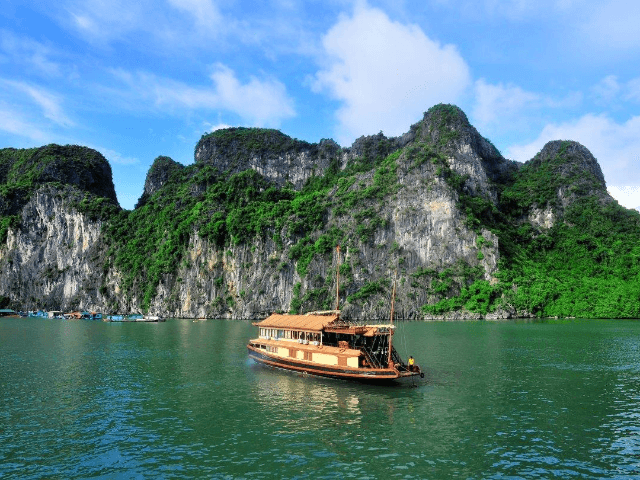
A two-hour drive from Hanoi brings you to one of the most iconic seascapes on earth: Ha Long Bay. A UNESCO World Heritage site, this bay features nearly 2,000 limestone karsts and islets that jut dramatically out of emerald waters, creating a labyrinth of grottos, caves, and hidden lagoons. It is the undisputed highlight of any Vietnam travel packages list.
Cruise Experience
The best way to experience Ha Long Bay is on an overnight cruise. While day trips exist, they rush you through the scenery. An overnight cruise offers sunset views, kayaking through hidden caves like Luon Cave, a visit to the magnificent Sung Sot Cave (Surprise Cave), and a morning Tai Chi session on the sundeck as the mist rises off the water.
Many high-end cruises also include a cooking demonstration where you learn to make Vietnamese spring rolls. For a less touristy but equally stunning alternative, consider Lan Ha Bay or Bai Tu Long Bay, which are adjacent to Ha Long Bay but see fewer crowds. The limestone formations are just as spectacular, and you will feel like you have discovered a secret.
Travel Tips
- Choosing a cruise can be overwhelming. To avoid a floating hostel or a broken-down boat, always choose quality cruises with transparent safety records. Look for operators like Paradise Cruises, Bhaya Cruises, or Orchid Cruises.
- Read recent reviews focusing on food quality, English-speaking guides, and cabin cleanliness.
- Book at least two weeks in advance during peak season (October to April). Also, beware of ultra-cheap tours if the price seems too good to be true, it likely is, and you may end up on a crowded boat with subpar food.
- When booking Vietnam travel packages, ensure Ha Long Bay is listed as a premium overnight experience, not just a rushed day trip.
Stop 3 – Central Vietnam: Heritage and Charm
After the northern highlands and bay, you will fly or take a scenic train ride to Central Vietnam, the cultural heart of the nation. This region is home to three distinct and unmissable destinations: Hoi An, Hue, and Da Nang.
Hoi An
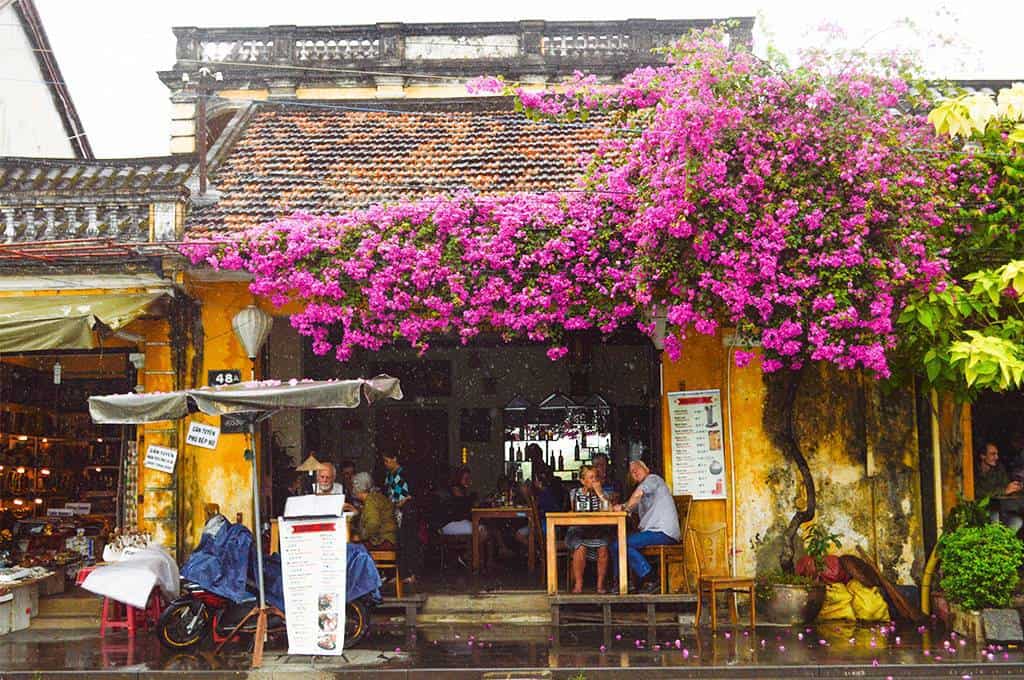
Hoi An is the fairy-tale town of Vietnam. Once a major Southeast Asian trading port between the 15th and 19th centuries, its architecture is a unique fusion of Vietnamese, Japanese, Chinese, and French colonial styles.
The town is car-free in the center, making it a walker’s paradise. By day, you can explore the iconic Japanese Covered Bridge, the old merchant houses like Tan Ky House, and the vibrant Hoi An Central Market.
By night, Hoi An transforms. The lantern streets glow with thousands of silk and paper lanterns, and locals release candle-lit flower boats onto the Thu Bon River. It is impossibly romantic.
Beyond the old town, Hoi An offers tranquil beaches and cafes (An Bang Beach is a favorite for a lazy afternoon), plus world-class tailoring you can have a custom suit or dress made in under 24 hours.
Hue
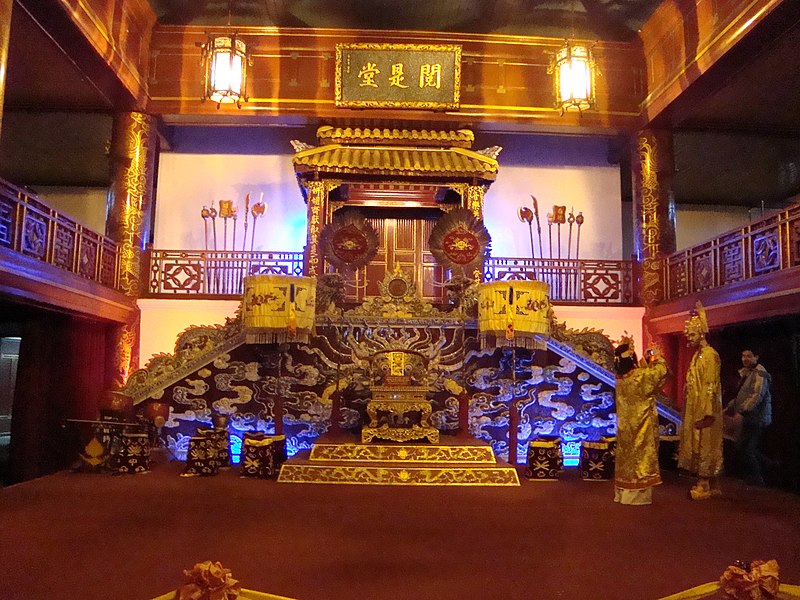
Just two hours north by car lies Hue, the former imperial capital of the Nguyen Dynasty. Hue is slower, more regal, and deeply spiritual. The crown jewel is the Imperial City (Dai Noi), a vast citadel within a citadel that was badly damaged during the Tet Offensive of 1968 but is now undergoing painstaking restoration.
Walk through the Ngo Mon Gate, explore the Purple Forbidden City (the emperor’s private residence), and stand on the ramparts overlooking the Perfume River. Beyond the citadel, take a dragon boat up the river to visit the royal tombs of Emperors Tu Duc and Khai Dinh each a masterpiece of feng shui and eclectic architecture.
Hue is also famous for its historical sites and its unique cuisine, including Com Hen (clam rice) and the imperial Banh Beo (water fern cakes).
Da Nang
Often used as a transport hub, Da Nang deserves a day of its own. This coastal city is Vietnam’s most livable metropolis, known for its sweeping My Khe Beach (nicknamed "China Beach" during the American War).
The city’s skyline is dominated by the Golden Bridge two giant stone hands holding a golden walkway located in the Ba Na Hills. While the bridge is touristy, the cable car ride up is a world record holder for length and offers breathtaking views.
Da Nang is also a great place for seafood, with dozens of beachfront restaurants serving freshly caught fish, clams, and shrimp.
.jpg)
Stop 4 – Ho Chi Minh City: Energy and Modern Life
Welcome to the economic engine of Vietnam. Formerly Saigon, Ho Chi Minh City (HCMC) is a blur of scooters, skyscrapers, and relentless energy. Where Hanoi is traditional, HCMC is forward-looking and unapologetically modern.
City Highlights
History buffs must visit the War Remnants Museum, a sobering and powerful exhibit on the Vietnam War (called the American War locally). It is not neutral it tells the story from the Vietnamese perspective and the photography section is particularly moving.
Next, explore the Reunification Palace, where a North Vietnamese army tank crashed through the gates on April 30, 1975, ending the war. For a contrast, dive into the organized chaos of Ben Thanh Market, where you can buy everything from dried squid to counterfeit watches.
As night falls, HCMC’s nightlife kicks into gear. Head to the rooftop bars like Saigon Saigon Bar or Chill Skybar for a cocktail with a panoramic view of the neon-lit streets. Alternatively, explore the backpacker hub of Bui Vien Street for cheap beer and street-side seating.
Nearby Experiences
HCMC is the perfect launchpad for two iconic day trips. First, the Cu Chi Tunnels, located an hour outside the city. This underground network stretched over 250 kilometers and served as a base for Viet Cong guerrillas.
You can crawl through the expanded tunnels (claustrophobes beware), see hidden trap doors, and even fire an AK-47 at a shooting range.
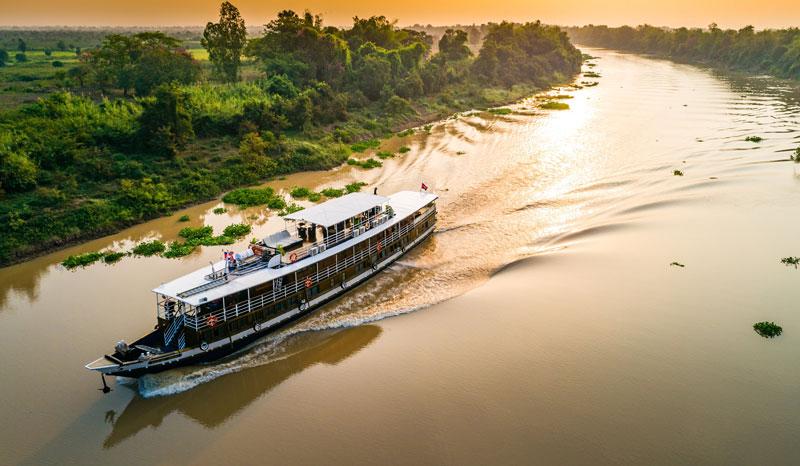
Second, the Mekong Delta a day trip here takes you to Ben Tre or My Tho, where you cruise narrow canals under coconut trees, visit local candy factories, and sample fresh tropical fruit while listening to traditional folk music.
For a more immersive experience, consider an overnight homestay in the delta.
Adding Coastal Destinations to Your Itinerary
No north-to-south journey is complete without dedicated beach time. You have two excellent options to tack onto the end of your trip, and including them is the hallmark of well-rounded Vietnam holiday packages.
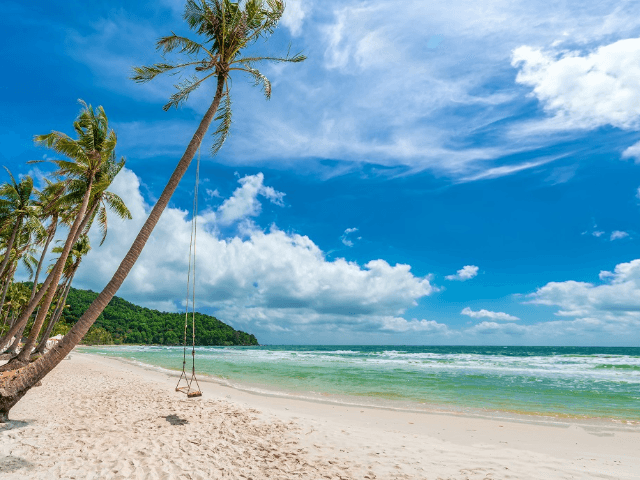
First, Phu Quoc Island is the star of the south. Located in the Gulf of Thailand, this island offers powdery white sand beaches (Sao Beach and Long Beach), crystal-clear water, and the world’s longest over-water cable car to Hon Thom Island. It is Vietnam’s answer to the Maldives, with a mix of budget bungalows and luxury resorts.
Second, Nha Trang offers a more developed beach experience on the mainland. It is famous for scuba diving, mud baths (Thap Ba Hot Springs), and a vibrant nightlife scene.
Third, Mui Ne provides a unique landscape of red and white sand dunes, ideal for sandboarding and kite-surfing. When browsing Vietnam vacation packages, look for those that include 2-3 nights at a beach destination to decompress after your cultural marathon.
Ideal Duration for a North-to-South Vietnam Trip
- North (Hanoi + Ha Long Bay): 4–5 days. This gives you 2 days in Hanoi, 1 overnight cruise (2 days/1 night) in Ha Long Bay, and a buffer travel day.
- Central (Hoi An, Hue, Da Nang): 3–4 days. A common split is 2 nights in Hoi An, 1 day trip to Hue (or 1 overnight), and a half-day in Da Nang.
- South (HCMC + Coast): 3–5 days. You need 2 full days for HCMC and the Cu Chi Tunnels/Mekong Delta, plus 2-3 nights on Phu Quoc or Nha Trang.
When purchasing Vietnam vacation packages, ensure the Vietnam itinerary respects these minimum durations. Packages that try to cover the entire country in 7 days are usually exhausting—you will spend more time in airports and buses than actually experiencing Vietnam.
Thailand Vietnam Tour Package Options
For travelers with a bigger appetite for Southeast Asia, combining Vietnam with its neighbor to the west is a spectacular option. Thailand Vietnam tour packages have surged in popularity because they offer two distinct but complementary flavors of Asia in one seamless journey. Vietnam provides history, dramatic landscapes, and a raw, authentic energy, while Thailand delivers world-class beaches, ornate temples, and a polished hospitality infrastructure.
These multi-country packages typically range from 9 to 16+ days, covering major highlights such as:
- Hanoi and Ha Long Bay (Vietnam) – for culture and natural wonder.
- Ho Chi Minh City and Mekong Delta (Vietnam) – for war history and river life.
- Bangkok and Chiang Mai (Thailand) – for golden temples, street food, and elephant sanctuaries, or Phuket/Krabi for beach resorts.
Popular Tour Formats
- 9–10 day express tours (Vietnam + Bangkok): These fast-paced trips usually cover Hanoi (2 days), Ha Long Bay (1 night), Ho Chi Minh City (2 days), and Bangkok (2-3 days). They are ideal for time-crunched travelers who want a sampler platter.
- 12–16 day immersive journeys (Vietnam + Thailand + optional Cambodia/Laos): These are the gold standard. You will get 3-4 days in each country, including internal flights, a mix of guided sightseeing and free time, and often an extension to Angkor Wat in Cambodia.
- Multi-country Southeast Asia packages: Some tour companies offer a "Grand Circuit" covering Vietnam, Thailand, Cambodia, and Laos over 20+ days.
Typical Pricing Range
Pricing varies wildly based on season, accommodation (3-star vs 5-star), and included activities (domestic flights, meals, private guides). As a general guideline:
Starting from around 1,600–1,800 per person for short (9-10 day) trips with 3-star hotels and shared tours.
Premium tours can exceed 2,500–3,000+ for extended (16-day) itineraries with luxury cruises in Ha Long Bay, business-class flights on regional routes, and 5-star beach resorts in Phuket or Da Nang.
Why Combine Vietnam and Thailand?
- Cultural diversity: Experience Confucian-influenced Vietnam alongside Theravada Buddhist Thailand.
- Efficient travel routes: Daily flights connect Ho Chi Minh City to Bangkok (just 1.5 hours), and Hanoi to Chiang Mai.
- Balanced mix of city, nature, and beaches: You get the chaos of Saigon and Bangkok, the serenity of Ha Long Bay and the Mekong, and the paradise of Thai islands or Vietnamese beaches.
These packages are ideal for travelers who want a broader Southeast Asia experience without planning separate trips. However, if you only have 10 days, stick to one country. Trying to do both in under 10 days is a recipe for exhaustion.
Travel Tips for a Smooth Vietnam Journey
To ensure your flexible travel Vietnam plans go off without a hitch, follow these insider tips.
- First, book internal flights in advance. Vietnam’s domestic airlines (Vietnam Airlines, VietJet Air, Bamboo Airways) offer very cheap fares- often 30-50 per leg - but prices double or triple if you book at the last minute. Lock in your flights from Hanoi to Da Nang and Da Nang to Ho Chi Minh City as soon as your dates are firm.
- Second, pack for different climates. You might wear a light jacket in Hanoi’s winter (December-February) and swim trunks on Phu Quoc on the same trip. Layering is key. Pack quick-dry clothing, sturdy walking shoes, and a rain jacket (especially if traveling between September and November, the rainy season in the center).
- Third, use local transport apps. Grab (Southeast Asia’s Uber) is ubiquitous in Hanoi, Da Nang, and Ho Chi Minh City. For motorbike taxis, use the GrabBike option it’s cheaper and faster than cars for solo travelers.
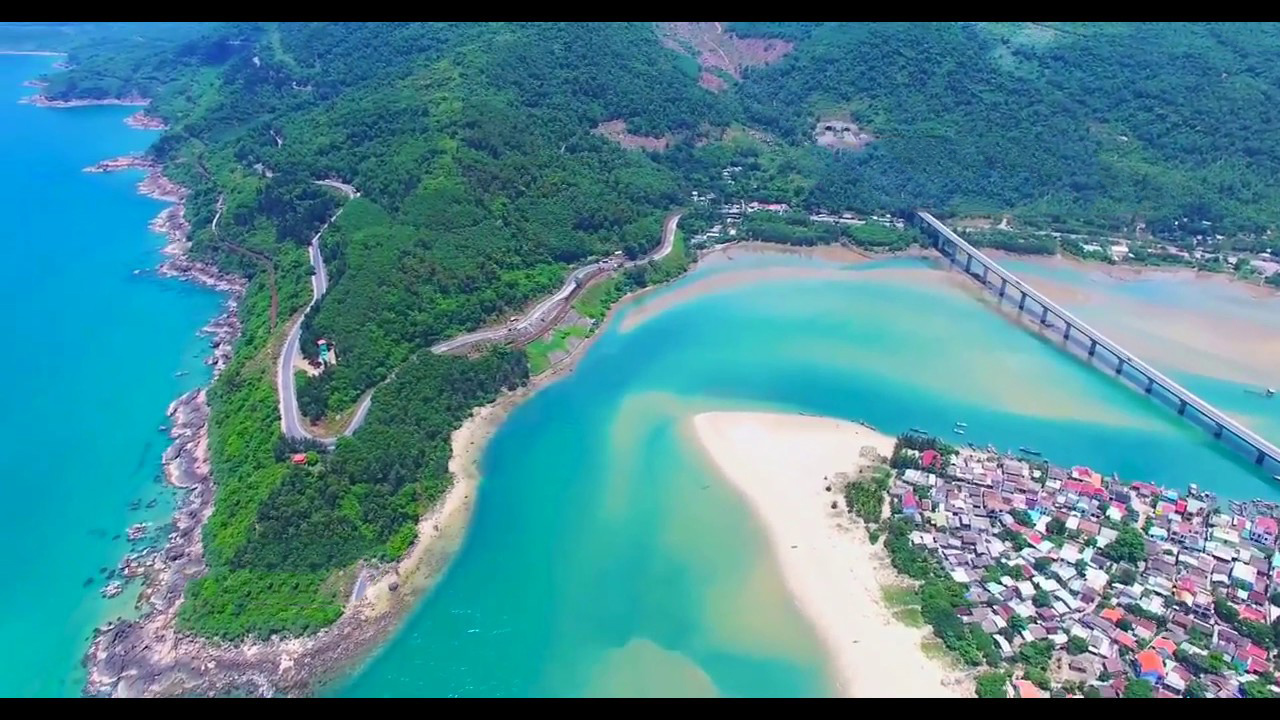
- For intercity travel, the Reunification Express train offers a nostalgic experience, particularly the stretch from Hue to Da Nang, which hugs the coast over the Hai Van Pass. Book a soft sleeper cabin for overnight journeys.
Choosing the Right Travel Style
One size does not fit all when exploring Vietnam. Your choice of travel style will dramatically impact your budget, stress level, and flexibility.
Independent Travel
Independent travel offers ultimate flexibility. You choose your own departure times, stay as long as you like in a place you love, and skip places that don’t interest you. This style is great for experienced travelers and those on a shoestring budget.
However, it requires significant planning: booking flights, hotels, and Ha Long Bay cruises yourself, plus navigating local transport. You will also need to negotiate with taxi drivers and street vendors. For the solo adventurer, Vietnam is safe and easy to navigate, but it is not a "show up and figure it out" destination for everyone.
Guided Tours
Guided tours offer unparalleled convenience. Everything is arranged: airport transfers, accommodation, most meals, a dedicated guide, and a private bus. You will learn about history and culture from a local expert without consulting a guidebook.
Tours are excellent for solo travelers who want to meet people, for seniors who prefer not to handle logistics, and for families with children.
The downside? Less freedom. You are on a set schedule, and you will likely visit mandatory souvenir shops. However, the best group tours keep shopping stops to a minimum.
Custom Travel
Sitting in the middle is custom vietnam tours. This is the fastest-growing segment for a reason. You work with a Vietnam tour company or Vietnam travel agency to design a private Vietnam itinerary based on your budget, interests, and pace.
Want to spend 3 days in Hoi An instead of 2? No problem. Prefer a food-focused tour of Hanoi over museums? Done. You get a private car and driver (or a private guide), the flexibility of independent travel, and the security of a managed trip.
For couples and small groups, Vietnam private tours offer the best of both worlds luxury, privacy, and customization. The cost is higher than group tours but lower than fully independent luxury travel when you factor in the time saved.
Sample 12-Day North-to-South Vietnam Itinerary
- Day 1–3: Hanoi. Day 1: Arrive, settle in, explore the Old Quarter, see a water puppet show. Day 2: Temple of Literature, Hoa Lo Prison, train street (if open). Day 3: Food tour or day trip to Perfume Pagoda.
- Day 4–5: Ha Long Bay. Day 4: Early morning bus to Ha Long Bay, board cruise, kayak, visit cave, sunset party. Day 5: Tai Chi, brunch, return to Hanoi, evening flight to Da Nang (or night train).
- Day 6–8: Hoi An / Da Nang. Day 6: Transfer to Hoi An, walking tour of old town, lantern-making class. Day 7: Free day for beach (An Bang), tailoring, or a cooking class. Day 8: Morning trip to Da Nang’s Golden Bridge and Marble Mountains, afternoon fly to HCMC.
- Day 9–12: Ho Chi Minh + Mekong Delta. Day 9: HCMC city tour (War Remnants, Reunification Palace, Ben Thanh Market). Day 10: Cu Chi Tunnels half-day, evening rooftop bar. Day 11: Mekong Delta day trip (My Tho or Ben Tre). Day 12: Departure or flight to Phu Quoc for extension.
Common Mistakes to Avoid
- Rushing too many destinations. Trying to see Hanoi, Ha Long Bay, Hoi An, Hue, Da Nang, HCMC, and the Mekong Delta in 8 days is impossible. You will see the inside of a bus more than the sights. Choose 4-5 stops max for a 14-day trip.
- Ignoring travel time. A "1 hour flight" actually takes 4 hours when you factor in hotel checkout, transfer to the airport, security, waiting, and transfer to the next hotel. Be realistic.
- Skipping rest days. Vietnam is hot and humid, and you will walk 15,000+ steps a day. Schedule at least one "do-nothing" afternoon every 4 days sit in a cafe, get a massage, or lounge by a pool.
- Overpacking formal wear. You do not need high heels or suits (unless you are having one tailored in Hoi An). Vietnam is casual. Bring comfortable, modest clothing for temples (cover shoulders and knees).
- Assuming English is everywhere. In remote areas and local markets, Google Translate is your best friend. Download Vietnamese offline before you go.
Plan a Seamless Vietnam Travel Experience
Building the perfect north-to-south Vietnam journey is an art. It requires balancing the must-see icons (Ha Long Bay, Hoi An, Cu Chi Tunnels) with quiet, unhurried moments.
It requires respecting the country’s vast geography while embracing its warm, chaotic charm. The importance of a structured Vietnam itinerary cannot be overstated it saves you from decision fatigue and ensures you do not miss the Reunification Palace because you wasted three days figuring out bus schedules.
However, the best itineraries also leave room for spontaneity: a sudden invitation to a local’s home for tea, an unexpected street musician, or a beach so beautiful you cancel your afternoon plans.
Whether you are a solo backpacker, a luxury couple, or a family of four, the key is finding the right balance between planning and flexibility. If the logistics feel daunting, remember that a professional Vietnam travel agency exists to solve these problems. They have local relationships, handle emergencies (flight cancellations, lost luggage), and can unlock experiences you would never find on Google.
FAQs
What is the best route for Vietnam travel?
North-to-south (Hanoi to Ho Chi Minh City) is the most efficient and popular route. It follows the country's natural geography, offers a gradual climate transition, and minimizes backtracking. You start with culture and history in the north, move through heritage in the center, and end with modern energy and beaches in the south.
How many days are enough for Vietnam?
10–14 days is ideal for a complete experience. Within 10 days, you will see the highlights at a fast pace. With 14 days, you can add a beach stay in Phu Quoc or Nha Trang and spend an extra night in Hoi An. Anything less than 7 days should be limited to one region (north or south only).
Can I combine Vietnam and Thailand in one trip?
Yes, many tour packages combine both countries efficiently. Standard Thailand-Vietnam combos last 12-16 days, covering Hanoi, Ha Long Bay, Ho Chi Minh City, Bangkok, and either Chiang Mai or Phuket. It is an excellent way to see two distinct cultures in one vacation, but avoid trying to do both in under 10 days.
Is it better to travel independently or with a tour?
It depends on your preference. Tours offer convenience, structured logistics, and a local guide, making them great for first-timers, families, or seniors. Independent travel offers maximum flexibility and lower costs but requires more planning and problem-solving. Custom private tours offer a middle ground with both flexibility and support.
What is the biggest mistake in planning a Vietnam itinerary?
Trying to cover too many destinations in a short time. Many travelers attempt to visit 6-7 cities in 10 days, leading to exhaustion and "airport travel" rather than genuine cultural immersion. Limit yourself to 4-5 stops for a 14-day trip, and always budget for transit time.
Customize This Itinerary
Let our local experts design the perfect itinerary for you. It’s free, personalized, and take less than 24 hours !
 No obligation100% personalizedBest Price Guarantee2M$ Liability Insurance
Follow Us