



Planning a myanmar trip? Let us help.
Get personalized travel plan based on your interest, budget and preferred travel dates
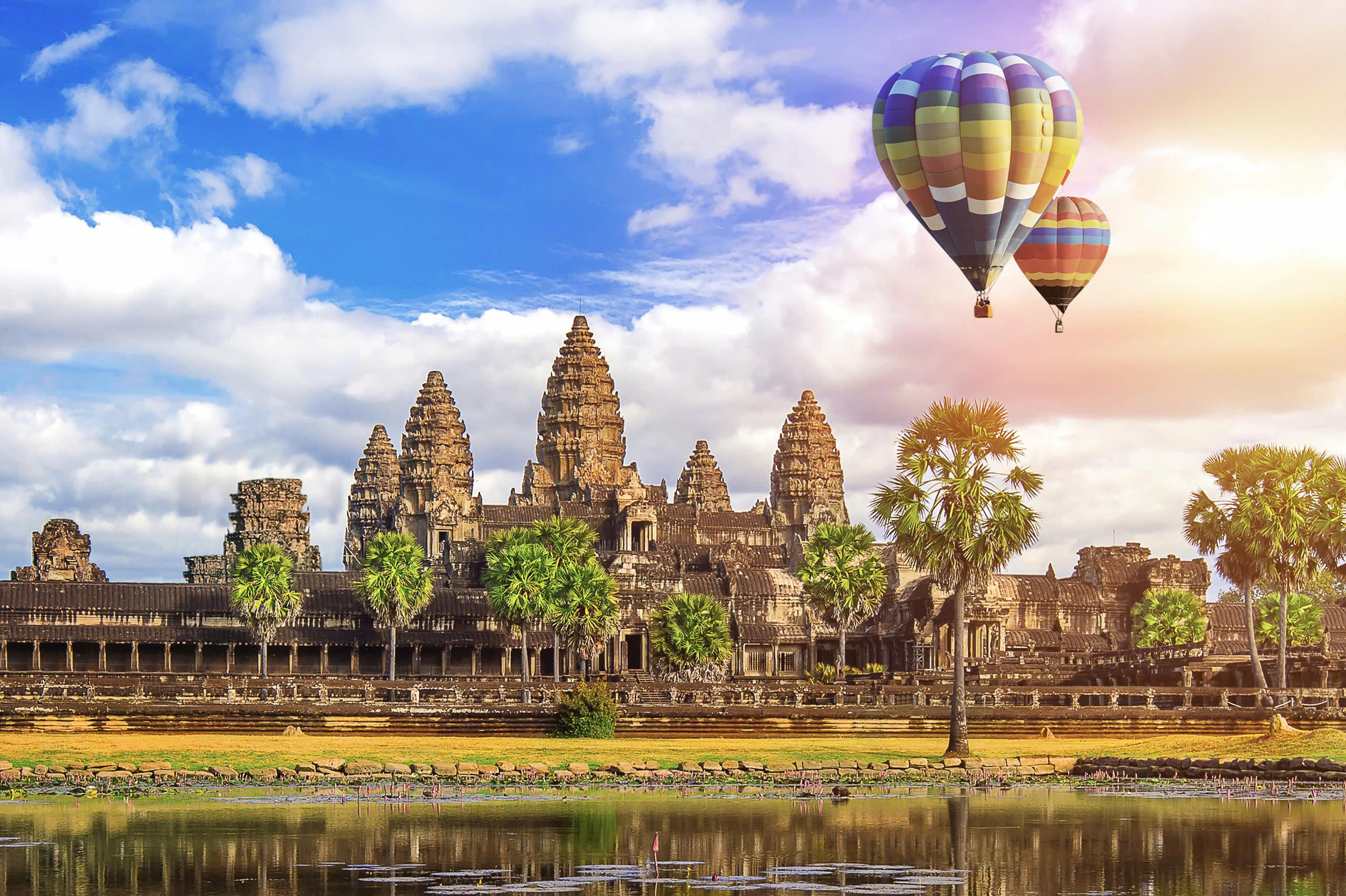
Coming here, visitors can watch hot air balloons at ancient Bagan, sunset on U Bein bridge, visit some main temples in Yangon or Mandalay.
TABLE OF CONTENTS
1
The 10 Best Pagodas to See in Myanmar
1. Shwedagon Pagoda (Yangon)
2. Mahamuni Pagoda (Mandalay)
3. Golden Rock Pagoda (Kyaiktiyo)
4. Kuthodaw Pagoda (Mandalay)
5. Sule Pagoda (Yangon)
6. Ananda Pagoda (Bagan)
7. Shwezigon Pagoda (Bagan)
8. Hsinbyume Pagoda (Sagaing Region)
9. Kyauktawgyi Pagoda (Mandalay)
10. Shwe Oo Min Natural Cave Pagoda (Kalaw)
2
Why Visit Myanmar in 2026?
3
FAQs About Visiting Myanmar
Is Myanmar safe for tourists? Major destinations such as Yangon, Mandalay, Bagan, and Kalaw remain accessible to travelers. Always check updated travel advisories before planning your trip.
What is the best time to visit Myanmar? The best time to visit is from November to February when the weather is cooler and more comfortable.
4
Do visitors need to remove shoes at pagodas? Yes. Shoes and socks must be removed before entering pagoda grounds.
How many days are recommended for Myanmar? A 7–10 day itinerary allows you to explore the main highlights comfortably.
It is estimated that Myanmar has more than 150 prominent pagodas, each with its own story, legend, and architectural style. These sacred sites are more than just tourist attractions; they are living religious centers with a long Buddhist history that stretches back hundreds of years.
You may not be able to see them all in one trip. That’s why we’ve put together a list of the most important pagodas that will make your journey to Myanmar truly special.
.jpg)
The 10 Best Pagodas to See in Myanmar
1. Shwedagon Pagoda (Yangon)
Shwedagon Pagoda is the most prominent religious structure in Myanmar and one of the most important Buddhist sites in the world. Although its exact age is unknown, it is believed to be more than 2,600 years old.
The towering golden stupa is covered in gold plates and adorned with diamonds, rubies, and other precious stones. Its crown-like structure has earned it the nickname “The Crown of Burma.”
Visit at sunset, when the golden dome reflects the fading light while monks chant prayers in the background. The atmosphere is calm, meditative, and deeply spiritual.
2. Mahamuni Pagoda (Mandalay)
Mahamuni Pagoda is the second most important religious landmark in the country. It is located in the southwestern part of Mandalay.
The four-meter-tall bronze Buddha statue is the main highlight. Every morning, a senior monk performs a ceremonial face-washing ritual attended by devoted worshippers.
Markets near the temple sell traditional handicrafts and souvenirs. The on-site museum displays paintings and illustrations that tell the story of the Buddha and the creation of the statue.
.jpg)
3. Golden Rock Pagoda (Kyaiktiyo)
Golden Rock Pagoda is one of Myanmar’s most famous landmarks. It sits dramatically on top of a granite boulder in Mon State.
The rock appears to balance on the edge of a cliff and is believed to be held in place by a strand of Buddha’s hair. Devotees apply layers of gold leaf to the rock, giving it its brilliant glow. Only men are allowed to apply gold leaves directly to the boulder.
The uphill journey rewards visitors with breathtaking views and a powerful sense of devotion.
.jpg)
4. Kuthodaw Pagoda (Mandalay)
Kuthodaw Pagoda is known as the “World’s Largest Book.”
Surrounding the golden stupa are 729 marble slabs engraved with Buddhist teachings. The inscriptions took eight years to complete.
Although the pagoda and slabs were damaged during British colonial rule, they were carefully restored. The bell-shaped stupa and four mythological lion guardians add to its grandeur.
.jpg)
5. Sule Pagoda (Yangon)
Sule Pagoda stands in the center of downtown Yangon, surrounded by the city’s busy streets.
The pagoda is 44 meters tall and has a distinctive octagonal design. It is believed to house a hair relic of Lord Buddha.
At night, the illuminated stupa glows beautifully against the city lights, creating a striking blend of ancient spirituality and modern energy.
.jpg)
6. Ananda Pagoda (Bagan)
Ananda Pagoda is one of the most beautiful temples in Bagan, built in a style influenced by Mon and North Indian architecture.
Legend says the king ordered the architects executed after its completion to prevent the temple from being replicated.
Openings in the walls allow natural light to illuminate the Buddha statues inside. The sikhara spire on top is visible from a distance, enhancing its majestic appearance.
.jpg)
7. Shwezigon Pagoda (Bagan)
Shwezigon Pagoda is one of the oldest temples in Bagan and is often considered a smaller counterpart to Shwedagon.
Visitors can apply gold leaves to Buddha statues for approximately 1,000 Kyats per leaf. At night, when spotlights shine on its gold-plated surface, the pagoda glows magnificently.
It remains an active and important pilgrimage site.
8. Hsinbyume Pagoda (Sagaing Region)
Hsinbyume Pagoda stands out because of its completely white exterior.
Seven surrounding terraces represent the mountain ranges leading to Mount Meru in Buddhist mythology. Its wave-like design makes it especially photogenic, particularly in bright sunlight.
.jpg)
9. Kyauktawgyi Pagoda (Mandalay)
This grand pagoda houses a massive marble Buddha statue measuring 37 feet tall and 24 feet wide.
Crafted in the 19th century, the statue reportedly required thousands of men to transport. The pagoda grounds are well-maintained and decorated with intricate artwork.
.jpg)
10. Shwe Oo Min Natural Cave Pagoda (Kalaw)
Shwe Oo Min Pagoda is located inside a limestone cave in Kalaw and contains more than 8,000 Buddha images made of teak, marble, brick, and cement.
Pilgrims continue to donate statues to this day. Visiting in the morning offers a peaceful experience before the crowds arrive.
.jpg)
Why Visit Myanmar in 2026?
Myanmar remains one of the most culturally authentic destinations in Southeast Asia. With fewer crowds compared to neighboring countries, it is ideal for travelers interested in:
Buddhist heritage
Ancient architecture
Spiritual retreats
Cultural exploration
Sunrise and sunset landscapes
The country’s sacred sites are not just monuments — they are active places of worship and devotion.
FAQs About Visiting Myanmar
Is Myanmar safe for tourists?
Major destinations such as Yangon, Mandalay, Bagan, and Kalaw remain accessible to travelers. Always check updated travel advisories before planning your trip.
What is the best time to visit Myanmar?
The best time to visit is from November to February when the weather is cooler and more comfortable.
Do visitors need to remove shoes at pagodas?
Yes. Shoes and socks must be removed before entering pagoda grounds.
How many days are recommended for Myanmar?
A 7–10 day itinerary allows you to explore the main highlights comfortably.
Turn This Into Your Real Trip
Let our local experts design the perfect itinerary for you. It’s free, personalized, and take less than 24 hours !
 No obligation100% personalizedBest Price Guarantee2M$ Liability Insurance
Follow Us